
Vermont Fish Chowder
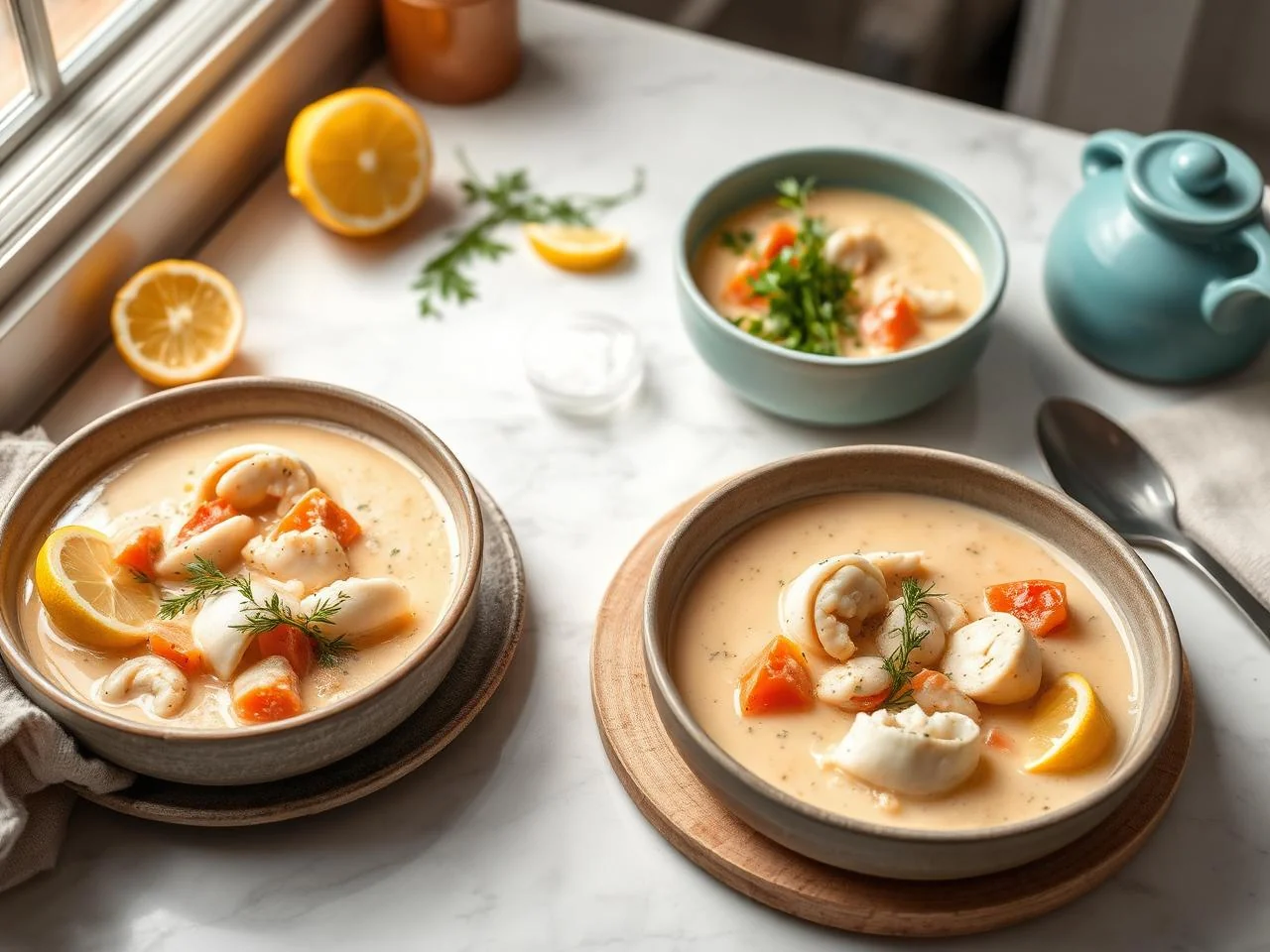
I still remember the first time I had a bowl of Vermont Fish Chowder at a coastal restaurant in New England. The combination of tender fish, creamy broth, and subtle spices was love at first spoonful. As a home cook, I was determined to replicate this dish in my own kitchen, and after many trials and errors, I'm excited to share my recipe with you.
What sets Vermont Fish Chowder apart from other seafood soups is its simplicity and heartiness. This is a dish that's meant to be comforting and satisfying, made with fresh, locally-sourced ingredients and a few clever techniques to bring out the best flavors.
One of the things I love about this recipe is how accessible it is, even for those who are new to cooking fish. The steps are straightforward, and the ingredients are easy to find in most supermarkets. Plus, you can customize the recipe to your taste by using different types of fish or adding your favorite spices.
Whether you're a busy weeknight cook or a special occasion chef, this Vermont Fish Chowder recipe is sure to become a favorite. It's perfect for a chilly evening, a holiday gathering, or a cozy night in with family and friends. So let's get started, and I'll show you how to make this delicious and easy fish chowder from scratch.
In this recipe, we'll cover everything from selecting the freshest fish to finishing the dish with a rich and creamy broth. I'll share my tips and tricks for avoiding common mistakes and ensuring that your chowder turns out perfectly every time. So, let's dive in and get started!
Why You’ll Love This Recipe
- This recipe is easy to make and requires minimal special equipment
- The dish is perfect for a weeknight dinner or special occasion
- You can customize the recipe to your taste by using different types of fish or adding your favorite spices
- The chowder is comforting and satisfying, making it a great choice for a chilly evening
- The recipe is foolproof and forgiving, making it perfect for beginners
- You can make the chowder ahead of time and refrigerate or freeze it for later use
- The dish is a great way to get your daily dose of omega-3 rich fish
Why This Recipe Works
The key to a great Vermont Fish Chowder is in the layers of flavor and texture. We start with a rich and creamy broth, made with a combination of fish stock, milk, and butter. Then, we add in tender pieces of fish, along with some diced onions, celery, and potatoes for added depth and heartiness.
One of the most important techniques in this recipe is cooking the fish to the perfect doneness. We want the fish to be tender and flaky, but still moist and juicy. To achieve this, we'll be using a combination of visual and tactile cues, such as checking the fish for flakiness and opacity.
Another crucial element is the balance of flavors in the broth. We'll be using a combination of salt, pepper, and herbs to add depth and complexity, without overpowering the delicate flavor of the fish. By balancing these flavors and textures, we'll create a dish that's both comforting and sophisticated.
Finally, the finishing touches are what take this dish from good to great. A sprinkle of chopped parsley, a squeeze of lemon juice, and a dollop of sour cream all add a bright and refreshing touch to the rich and creamy chowder.
Ingredients You’ll Need
Before we start cooking, let's take a look at the ingredients we'll need. We'll be using a combination of fresh fish, aromatics, and dairy products to create a rich and creamy broth. Be sure to choose the freshest fish you can find, and don't be afraid to experiment with different types of fish to find your favorite.
When shopping for the ingredients, look for high-quality fish that's been sustainably sourced. You can also use frozen fish if fresh isn't available, just be sure to thaw it according to the package instructions.
- 1 lb (450g) cod or haddock fillets, cut into 1-inch piecesChoose fresh, sustainably-sourced fish for the best flavor and texture. You can also use other types of fish such as salmon or tilapia, but cod and haddock are traditional choices for Vermont Fish Chowder.
- 2 tablespoons unsalted butterButter adds richness and flavor to the chowder, but you can also use other fats like olive oil or coconut oil if you prefer.
- 1 medium onion, dicedOnions add a sweet and savory flavor to the chowder, but you can also use shallots or leeks if you prefer.
- 2 cloves garlic, mincedGarlic adds a pungent flavor to the chowder, but you can also use garlic powder or garlic salt if you prefer.
- 2 medium potatoes, peeled and dicedPotatoes add heartiness and texture to the chowder, but you can also use other root vegetables like carrots or parsnips if you prefer.
- 1 cup fish stockFish stock adds a rich and savory flavor to the chowder, but you can also use chicken or vegetable stock if you prefer.
- 1 cup milkMilk adds creaminess and richness to the chowder, but you can also use other dairy products like cream or half-and-half if you prefer.
- 1 teaspoon dried thymeThyme adds a savory and slightly bitter flavor to the chowder, but you can also use other herbs like parsley or dill if you prefer.
- 1/2 teaspoon saltSalt enhances the flavors in the chowder, but be sure to taste and adjust as you go to avoid over-salting.
- 1/4 teaspoon black pepperPepper adds a sharp and savory flavor to the chowder, but you can also use other seasonings like paprika or cayenne pepper if you prefer.
- 2 tablespoons chopped fresh parsleyParsley adds a bright and fresh flavor to the chowder, but you can also use other herbs like chives or basil if you prefer.
Equipment You’ll Need
How to Make Vermont Fish Chowder
- 1Melt 1 tablespoon of butter in the pot over medium heat, then add the diced onion and cook until softened, about 5 minutes.
- 2Add the minced garlic and cook for an additional 1-2 minutes, until fragrant.
- 3Add the diced potatoes, fish stock, and milk to the pot, and bring to a boil.
- 4Reduce the heat to low and simmer for 10-12 minutes, or until the potatoes are tender.
- 5Add the cod or haddock fillets to the pot, and cook until they reach an internal temperature of 145 F (63 C), about 5-7 minutes.
- 6Use an instant-read thermometer to check the internal temperature of the fish, and remove it from the heat when it reaches 145 F (63 C).
- 7Stir in the dried thyme, salt, and pepper, and cook for an additional 1-2 minutes, until the flavors are combined.
- 8Taste and adjust the seasoning as needed, then stir in the chopped parsley.
- 9Serve the chowder hot, garnished with additional parsley if desired.
- 10To finish the dish, melt the remaining 1 tablespoon of butter and stir it in, then serve immediately.
Expert Tips
- Use fresh and sustainable ingredients for the best flavor and texture.
- Don't overcook the fish, as it can become tough and dry.
- Taste and adjust the seasoning as you go to avoid over-salting.
- Use a variety of fish and seafood to add texture and flavor to the chowder.
- Experiment with different herbs and spices to find your favorite flavor combination.
- Serve the chowder with a side of crusty bread or oyster crackers for a satisfying meal.
- Make the chowder ahead of time and refrigerate or freeze it for later use.
Common Mistakes to Avoid
- Overcooking the fish, which can make it tough and dry.
- Not using fresh and sustainable ingredients, which can affect the flavor and texture of the chowder.
- Not tasting and adjusting the seasoning as you go, which can result in an over-salted or under-seasoned dish.
- Not using a variety of fish and seafood, which can make the chowder lack texture and flavor.
- Not serving the chowder with a side of crusty bread or oyster crackers, which can make the meal feel incomplete.
- Not making the chowder ahead of time and refrigerating or freezing it for later use, which can save time and effort.
Variations and Substitutions
- Use different types of fish, such as salmon or tilapia, for a unique flavor and texture.
- Add other seafood, such as shrimp or mussels, for added flavor and texture.
- Use different herbs and spices, such as paprika or cayenne pepper, for a spicy kick.
- Add some diced bell peppers or carrots for added color and flavor.
- Use a combination of fish stock and cream for an even richer and creamier chowder.
- Serve the chowder with a side of crusty bread or oyster crackers for a satisfying meal.
- Make the chowder ahead of time and refrigerate or freeze it for later use.
What to Serve With Vermont Fish Chowder
Serve the Vermont Fish Chowder hot, garnished with additional parsley if desired. You can also serve it with a side of crusty bread or oyster crackers for a satisfying meal.
Some other options for serving the chowder include serving it with a side salad, such as a simple green salad or a more substantial grain salad. You can also serve it with a side of roasted vegetables, such as asparagus or Brussels sprouts, for a well-rounded meal.
Make-Ahead, Storage, Freezing and Reheating
The Vermont Fish Chowder can be made ahead of time and refrigerated or frozen for later use. To refrigerate, let the chowder cool to room temperature, then cover it and refrigerate for up to 3 days.
To freeze, let the chowder cool to room temperature, then transfer it to an airtight container or freezer bag and freeze for up to 3 months. To reheat, thaw the chowder overnight in the refrigerator, then reheat it over low heat, stirring occasionally, until warmed through.
When reheating the chowder, be careful not to overheat it, as this can cause the fish to become tough and dry. Instead, reheat it gently, stirring occasionally, until warmed through.
It's also important to note that the chowder will thicken as it cools, so you may need to add a little more milk or cream when reheating it to achieve the desired consistency.
Frequently Asked Questions
What type of fish is best to use in the chowder?
The best type of fish to use in the chowder is a firm-fleshed white fish, such as cod or haddock. These fish have a mild flavor and a firm texture that holds up well to cooking.
Can I use frozen fish in the chowder?
Yes, you can use frozen fish in the chowder, but be sure to thaw it according to the package instructions before using it.
How do I know when the fish is cooked through?
The fish is cooked through when it reaches an internal temperature of 145 F (63 C). You can use an instant-read thermometer to check the internal temperature of the fish.
Can I make the chowder ahead of time and refrigerate or freeze it?
Yes, you can make the chowder ahead of time and refrigerate or freeze it for later use. To refrigerate, let the chowder cool to room temperature, then cover it and refrigerate for up to 3 days. To freeze, let the chowder cool to room temperature, then transfer it to an airtight container or freezer bag and freeze for up to 3 months.
How do I reheat the chowder?
To reheat the chowder, thaw it overnight in the refrigerator, then reheat it over low heat, stirring occasionally, until warmed through. Be careful not to overheat the chowder, as this can cause the fish to become tough and dry.
What can I serve with the chowder?
You can serve the chowder with a side of crusty bread or oyster crackers, or with a side salad or roasted vegetables for a well-rounded meal.
Can I customize the recipe to my taste?
Yes, you can customize the recipe to your taste by using different types of fish or seafood, or by adding different herbs and spices. Feel free to experiment and find your favorite flavor combination.
Is the chowder suitable for special diets?
The chowder is suitable for most special diets, but it does contain dairy products and fish. If you have a dairy allergy or intolerance, you can substitute the milk and butter with non-dairy alternatives. If you have a fish allergy, you can substitute the fish with another protein source, such as chicken or tofu.
Can I make the chowder in a slow cooker?
Yes, you can make the chowder in a slow cooker. Simply brown the fish and cook the vegetables in a skillet, then transfer everything to the slow cooker and cook on low for 2-3 hours, or until the fish is cooked through and the chowder is hot and bubbly.
Ingredients
- 1 lb (450g) cod or haddock fillets, cut into 1-inch pieces
- 2 tablespoons unsalted butter
- 1 medium onion, diced
- 2 cloves garlic, minced
- 2 medium potatoes, peeled and diced
- 1 cup fish stock
- 1 cup milk
- 1 teaspoon dried thyme
- 1/2 teaspoon salt
- 1/4 teaspoon black pepper
- 2 tablespoons chopped fresh parsley
Instructions
- Melt 1 tablespoon of butter in the pot over medium heat, then add the diced onion and cook until softened, about 5 minutes.
- Add the minced garlic and cook for an additional 1-2 minutes, until fragrant.
- Add the diced potatoes, fish stock, and milk to the pot, and bring to a boil.
- Reduce the heat to low and simmer for 10-12 minutes, or until the potatoes are tender.
- Add the cod or haddock fillets to the pot, and cook until they reach an internal temperature of 145 F (63 C), about 5-7 minutes.
- Use an instant-read thermometer to check the internal temperature of the fish, and remove it from the heat when it reaches 145 F (63 C).
- Stir in the dried thyme, salt, and pepper, and cook for an additional 1-2 minutes, until the flavors are combined.
- Taste and adjust the seasoning as needed, then stir in the chopped parsley.
- Serve the chowder hot, garnished with additional parsley if desired.
- To finish the dish, melt the remaining 1 tablespoon of butter and stir it in, then serve immediately.