
Lobster And Shrimp Pasta
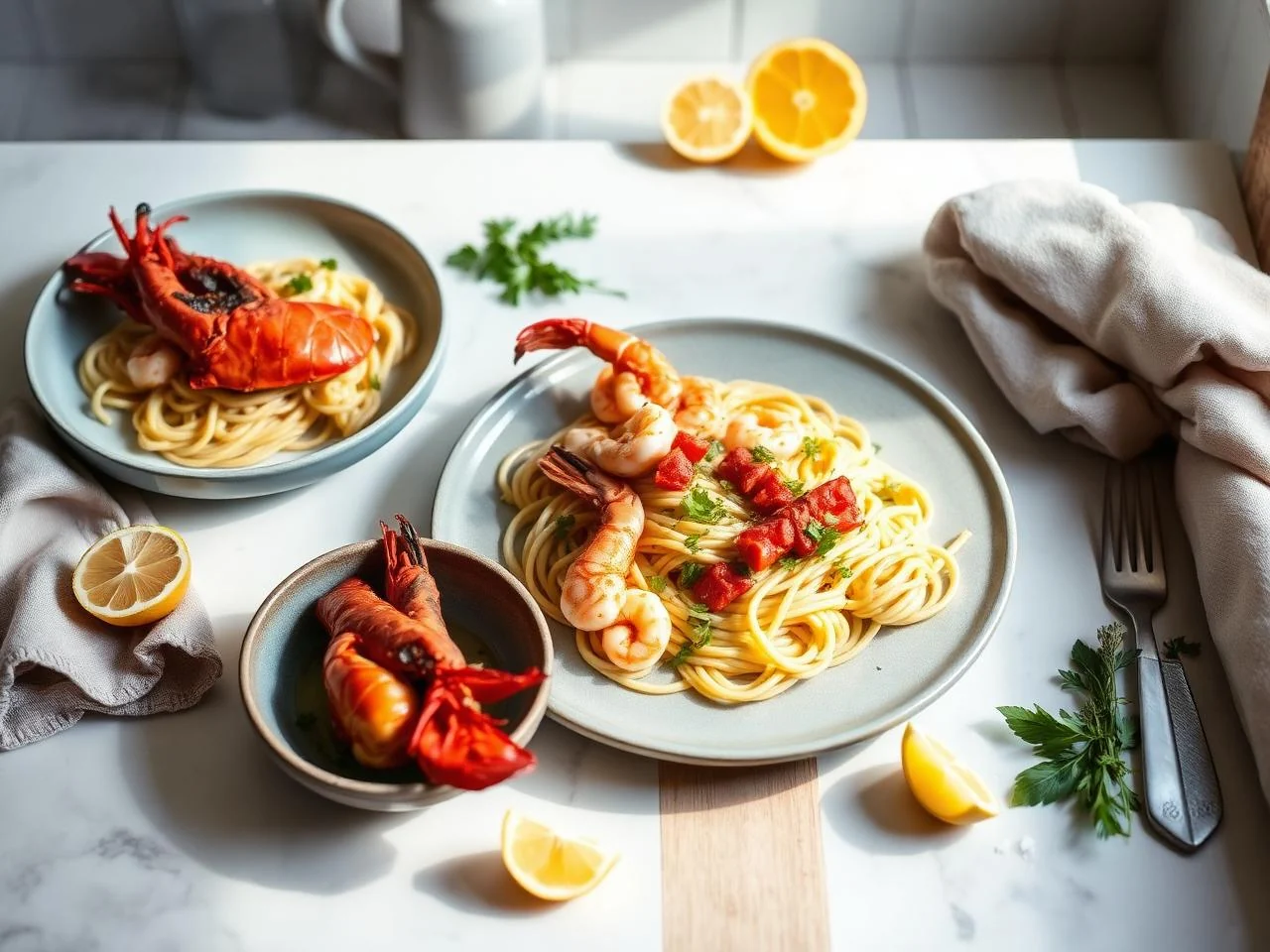
I still remember the first time I made Lobster And Shrimp Pasta for my family. The combination of succulent lobster, shrimp, and garlic-infused pasta was a game-changer. As a coastal home cook and former fishmonger's daughter, I'm excited to share my secrets for demystifying seafood and making it accessible to everyone.
This recipe is perfect for those who want to impress their guests with a seafood dinner without breaking the bank or spending hours in the kitchen. With a few simple ingredients and some basic cooking techniques, you can create a dish that's both elegant and delicious.
One of the things I love about this recipe is its flexibility. You can use fresh or frozen lobster and shrimp, and adjust the amount of garlic and herbs to your taste. I've also included some tips and variations to help you make the dish your own.
So, if you're looking for a recipe that's sure to impress, look no further than Lobster And Shrimp Pasta. With its rich flavors and satisfying textures, it's a dish that's sure to become a favorite in your household.
In this article, I'll take you through the step-by-step process of making Lobster And Shrimp Pasta, from preparing the ingredients to serving the finished dish. I'll also share some expert tips and tricks to help you get the best results.
Why You’ll Love This Recipe
- This recipe is easy to make and requires minimal ingredients
- It's a great way to impress your guests with a seafood dinner
- The dish is flexible and can be adjusted to your taste
- It's a healthy and nutritious option, packed with protein and omega-3 fatty acids
- It's a crowd-pleaser, perfect for special occasions or family gatherings
- It's a budget-friendly option, as you can use frozen or canned seafood if fresh is not available
Why This Recipe Works
The key to making great Lobster And Shrimp Pasta is to cook the seafood just until it's done, without overcooking it. This is where most people go wrong, as they tend to overcook the lobster and shrimp, making them tough and rubbery.
To avoid this, it's essential to use a thermometer to check the internal temperature of the seafood. For lobster, the internal temperature should reach 145 F (63 C), while for shrimp, it should reach 120 F (49 C). By cooking the seafood to the right temperature, you'll ensure that it's tender and juicy, with a sweet and succulent flavor.
Another important factor is the quality of the ingredients. Fresh lobster and shrimp are essential, as they have a more delicate flavor and texture than frozen or canned alternatives. I also recommend using high-quality pasta, such as linguine or fettuccine, as it will hold up well to the rich and creamy sauce.
Finally, the sauce is what brings the whole dish together. A simple combination of garlic, butter, and white wine, it adds a depth of flavor and a richness to the pasta that's hard to beat. By cooking the garlic slowly and carefully, you'll bring out its natural sweetness, which will complement the seafood perfectly.
Ingredients You’ll Need
When it comes to making Lobster And Shrimp Pasta, the ingredients are just as important as the technique. You'll need a few simple ingredients, including lobster, shrimp, pasta, garlic, and white wine. I recommend using fresh and high-quality ingredients, as they will make a big difference in the flavor and texture of the dish.
Here are some tips for choosing the right ingredients: look for fresh lobster and shrimp with a sweet and succulent flavor, choose high-quality pasta that will hold up well to the sauce, and select a good white wine that will add depth and complexity to the dish.
- 1 lb (450g) lobster meat, cut into bite-sized piecesFresh lobster meat is essential for this recipe, as it has a more delicate flavor and texture than frozen or canned alternatives. Look for lobster with a sweet and succulent flavor, and cut it into bite-sized pieces to ensure it cooks evenly.
- 1 lb (450g) large shrimp, peeled and deveinedFresh shrimp are also essential, as they have a more delicate flavor and texture than frozen or canned alternatives. Look for shrimp with a sweet and succulent flavor, and peel and devein them to ensure they cook evenly.
- 12 oz (340g) linguine pastaHigh-quality pasta is essential for this recipe, as it will hold up well to the rich and creamy sauce. Look for linguine or fettuccine pasta, and cook it according to the package instructions.
- 4 cloves garlic, mincedGarlic is a key ingredient in this recipe, as it adds a depth of flavor and a richness to the pasta. Look for fresh garlic with a sweet and pungent flavor, and mince it finely to ensure it cooks evenly.
- 2 tbsp (30g) unsalted butterButter is essential for this recipe, as it adds a richness and a creaminess to the sauce. Look for high-quality butter with a sweet and nutty flavor, and use it sparingly to avoid overpowering the dish.
- 1 cup (250ml) white wineWhite wine is a key ingredient in this recipe, as it adds a depth of flavor and a complexity to the sauce. Look for a good white wine with a crisp and refreshing flavor, and use it sparingly to avoid overpowering the dish.
- 1 cup (250ml) chicken brothChicken broth is essential for this recipe, as it adds a depth of flavor and a moisture to the sauce. Look for low-sodium chicken broth with a rich and savory flavor, and use it sparingly to avoid overpowering the dish.
- 1 tsp (5g) dried thymeThyme is a key ingredient in this recipe, as it adds a depth of flavor and a complexity to the sauce. Look for fresh thyme with a sweet and herbaceous flavor, and use it sparingly to avoid overpowering the dish.
- 1/2 tsp (2g) saltSalt is essential for this recipe, as it enhances the flavor of the seafood and the pasta. Look for high-quality salt with a crisp and clean flavor, and use it sparingly to avoid overpowering the dish.
- 1/4 tsp (1g) black pepperBlack pepper is essential for this recipe, as it adds a depth of flavor and a complexity to the sauce. Look for high-quality black pepper with a sharp and pungent flavor, and use it sparingly to avoid overpowering the dish.
- 2 tbsp (30g) chopped fresh parsleyParsley is a key ingredient in this recipe, as it adds a fresh and herbaceous flavor to the dish. Look for fresh parsley with a sweet and crunchy texture, and chop it finely to ensure it cooks evenly.
- 2 lemons, cut into wedgesLemons are essential for this recipe, as they add a bright and citrusy flavor to the dish. Look for fresh lemons with a sweet and tangy flavor, and cut them into wedges to serve with the pasta.
Equipment You’ll Need
How to Make Lobster And Shrimp Pasta
- 1Bring a large pot of salted water to a boil and cook the linguine pasta according to the package instructions until it's al dente. Reserve 1 cup of pasta water before draining the linguine.
- 2In a large skillet or sauté pan, melt 1 tablespoon of butter over medium heat. Add the minced garlic and cook, stirring occasionally, for 4-5 minutes or until it's lightly golden and fragrant.
- 3Add the lobster meat to the skillet and cook, stirring occasionally, for 2-3 minutes or until it's lightly browned and cooked through. Remove the lobster from the skillet and set it aside on a plate.
- 4Add the shrimp to the skillet and cook, stirring occasionally, for 2-3 minutes or until they're lightly browned and cooked through. Remove the shrimp from the skillet and set them aside with the lobster.
- 5Add the white wine to the skillet and cook, stirring to scrape up any browned bits from the bottom, for 1-2 minutes or until it's almost completely reduced.
- 6Add the chicken broth to the skillet and cook, stirring to scrape up any browned bits from the bottom, for 1-2 minutes or until it's almost completely reduced.
- 7Stir in the thyme, salt, and black pepper, and cook for 1 minute or until the sauce is fragrant and slightly thickened.
- 8Add the cooked linguine pasta to the skillet, tossing to combine with the sauce and adding some reserved pasta water if the sauce seems too thick.
- 9Return the lobster and shrimp to the skillet, tossing to combine with the pasta and sauce.
- 10Cook the mixture for an additional 1-2 minutes or until the seafood is heated through and the sauce is bubbly and slightly thickened. Check the internal temperature of the lobster and shrimp with an instant-read thermometer to ensure they reach 145 F (63 C).
- 11Stir in the remaining 1 tablespoon of butter until it's melted and the sauce is creamy and rich.
- 12Taste and adjust the seasoning as needed, then serve the Lobster And Shrimp Pasta hot, garnished with chopped parsley and lemon wedges on the side.
Expert Tips
- Use high-quality ingredients, including fresh lobster and shrimp, to ensure the best flavor and texture.
- Don't overcook the seafood, as it can become tough and rubbery. Cook it just until it's done, then remove it from the heat.
- Use a thermometer to check the internal temperature of the seafood, ensuring it reaches 145 F (63 C) for food safety.
- Don't overcrowd the skillet, as this can cause the seafood to steam instead of sear. Cook it in batches if necessary.
- Add the pasta to the skillet with the sauce and toss to combine, adding some reserved pasta water if the sauce seems too thick.
- Stir in the butter at the end of cooking to add richness and creaminess to the sauce.
- Garnish with chopped parsley and lemon wedges to add a bright and fresh flavor to the dish.
- Serve the Lobster And Shrimp Pasta immediately, as it's best enjoyed hot and fresh.
Common Mistakes to Avoid
- Overcooking the seafood, which can make it tough and rubbery.
- Not using a thermometer to check the internal temperature of the seafood, which can lead to food safety issues.
- Overcrowding the skillet, which can cause the seafood to steam instead of sear.
- Not reserving pasta water, which can make the sauce too thick and sticky.
- Not stirring in the butter at the end of cooking, which can make the sauce less rich and creamy.
- Not garnishing with chopped parsley and lemon wedges, which can make the dish less flavorful and appealing.
Variations and Substitutions
- Add some diced bell peppers or onions to the skillet with the garlic for added flavor and texture.
- Use different types of pasta, such as fettuccine or spaghetti, for a change of pace.
- Add some grated Parmesan cheese to the sauce for an extra burst of flavor.
- Use frozen or canned seafood if fresh is not available, but be aware that the flavor and texture may be affected.
- Add some diced tomatoes or cherry tomatoes to the skillet with the seafood for added flavor and moisture.
- Use different herbs, such as basil or oregano, for a unique and refreshing flavor.
- Serve the Lobster And Shrimp Pasta with a side of garlic bread or a green salad for a well-rounded meal.
What to Serve With Lobster And Shrimp Pasta
The Lobster And Shrimp Pasta is a versatile dish that can be served on its own or with a variety of sides. Some ideas include:
Garlic bread: a classic combination that pairs perfectly with the rich and creamy sauce.
Green salad: a light and refreshing side that cuts the richness of the pasta.
Roasted vegetables: such as asparagus or Brussels sprouts, which add a nice contrast in texture and flavor.
Grilled meats: such as chicken or steak, which can be served on top of the pasta for a hearty and satisfying meal.
Make-Ahead, Storage, Freezing and Reheating
The Lobster And Shrimp Pasta can be stored in the refrigerator for up to 3 days or frozen for up to 2 months. To refrigerate, cool the pasta to room temperature, then transfer it to an airtight container and store it in the refrigerator.
To freeze, cool the pasta to room temperature, then transfer it to an airtight container or freezer bag and store it in the freezer. When reheating, thaw the pasta overnight in the refrigerator, then reheat it in the microwave or on the stovetop until it's hot and steaming.
It's also possible to make the sauce ahead of time and store it in the refrigerator for up to 3 days or freeze it for up to 2 months. Simply reheat the sauce and combine it with cooked pasta and seafood for a quick and easy meal.
When reheating the pasta, be sure to add a little extra butter or cream to restore the sauce to its original creamy texture. You can also add some extra garlic or herbs to give the dish a fresh and flavorful boost.
Frequently Asked Questions
What type of lobster is best for this recipe?
Fresh lobster meat is essential for this recipe, as it has a more delicate flavor and texture than frozen or canned alternatives. Look for lobster with a sweet and succulent flavor, and cut it into bite-sized pieces to ensure it cooks evenly.
Can I use frozen shrimp?
Yes, you can use frozen shrimp, but be aware that the flavor and texture may be affected. Thaw the shrimp according to the package instructions, then pat them dry with paper towels before cooking.
How do I prevent the seafood from overcooking?
To prevent the seafood from overcooking, cook it just until it's done, then remove it from the heat. Use a thermometer to check the internal temperature of the seafood, ensuring it reaches 145 F (63 C) for food safety.
Can I make the sauce ahead of time?
Yes, you can make the sauce ahead of time and store it in the refrigerator for up to 3 days or freeze it for up to 2 months. Simply reheat the sauce and combine it with cooked pasta and seafood for a quick and easy meal.
What type of pasta is best for this recipe?
High-quality pasta is essential for this recipe, as it will hold up well to the rich and creamy sauce. Look for linguine or fettuccine pasta, and cook it according to the package instructions.
Can I add other ingredients to the sauce?
Yes, you can add other ingredients to the sauce, such as diced bell peppers or onions, for added flavor and texture. Just be sure to adjust the cooking time and seasoning accordingly.
How do I reheat the pasta?
To reheat the pasta, thaw it overnight in the refrigerator, then reheat it in the microwave or on the stovetop until it's hot and steaming. Add a little extra butter or cream to restore the sauce to its original creamy texture, and serve hot.
Can I freeze the pasta?
Yes, you can freeze the pasta, but be aware that the texture may be affected. Cool the pasta to room temperature, then transfer it to an airtight container or freezer bag and store it in the freezer for up to 2 months.
Ingredients
- 1 lb (450g) lobster meat, cut into bite-sized pieces
- 1 lb (450g) large shrimp, peeled and deveined
- 12 oz (340g) linguine pasta
- 4 cloves garlic, minced
- 2 tbsp (30g) unsalted butter
- 1 cup (250ml) white wine
- 1 cup (250ml) chicken broth
- 1 tsp (5g) dried thyme
- 1/2 tsp (2g) salt
- 1/4 tsp (1g) black pepper
- 2 tbsp (30g) chopped fresh parsley
- 2 lemons, cut into wedges
Instructions
- Bring a large pot of salted water to a boil and cook the linguine pasta according to the package instructions until it's al dente. Reserve 1 cup of pasta water before draining the linguine.
- In a large skillet or sauté pan, melt 1 tablespoon of butter over medium heat. Add the minced garlic and cook, stirring occasionally, for 4-5 minutes or until it's lightly golden and fragrant.
- Add the lobster meat to the skillet and cook, stirring occasionally, for 2-3 minutes or until it's lightly browned and cooked through. Remove the lobster from the skillet and set it aside on a plate.
- Add the shrimp to the skillet and cook, stirring occasionally, for 2-3 minutes or until they're lightly browned and cooked through. Remove the shrimp from the skillet and set them aside with the lobster.
- Add the white wine to the skillet and cook, stirring to scrape up any browned bits from the bottom, for 1-2 minutes or until it's almost completely reduced.
- Add the chicken broth to the skillet and cook, stirring to scrape up any browned bits from the bottom, for 1-2 minutes or until it's almost completely reduced.
- Stir in the thyme, salt, and black pepper, and cook for 1 minute or until the sauce is fragrant and slightly thickened.
- Add the cooked linguine pasta to the skillet, tossing to combine with the sauce and adding some reserved pasta water if the sauce seems too thick.
- Return the lobster and shrimp to the skillet, tossing to combine with the pasta and sauce.
- Cook the mixture for an additional 1-2 minutes or until the seafood is heated through and the sauce is bubbly and slightly thickened. Check the internal temperature of the lobster and shrimp with an instant-read thermometer to ensure they reach 145 F (63 C).
- Stir in the remaining 1 tablespoon of butter until it's melted and the sauce is creamy and rich.
- Taste and adjust the seasoning as needed, then serve the Lobster And Shrimp Pasta hot, garnished with chopped parsley and lemon wedges on the side.