
Halibut With Lemon
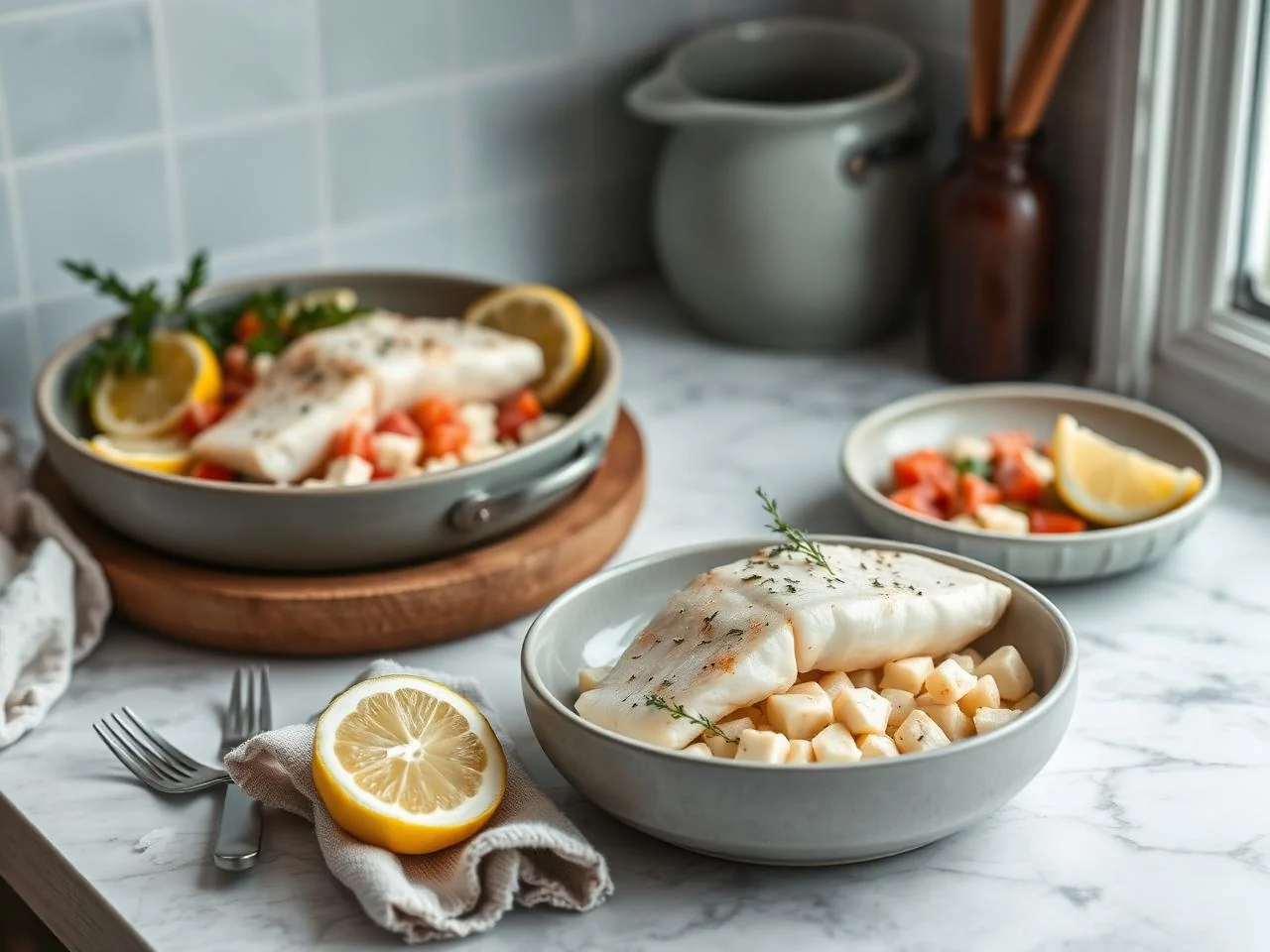
As a coastal home cook, I'm always on the lookout for simple yet impressive seafood recipes that can be made in no time. Halibut is one of my favorite fish to work with - it's firm, flaky, and absorbs flavors beautifully. In this recipe, I'll show you how to prepare a mouth-watering halibut with lemon that's sure to become a staple in your kitchen.
I still remember the first time I made this dish for my family. We were all blown away by the combination of the tender halibut, the tangy lemon sauce, and the hint of herbs. It's a recipe that's perfect for any occasion, whether you're cooking for a special dinner or just a quick weeknight meal.
What I love about this recipe is that it's incredibly easy to make, yet it looks and tastes like a restaurant-quality dish. The key is to use fresh, high-quality ingredients and to not overcomplicate the preparation. With just a few ingredients and some basic cooking techniques, you'll be able to create a dish that's sure to impress your friends and family.
In this recipe, we'll cover everything from preparing the halibut to making the lemon sauce and finishing the dish with some fresh herbs. I'll also share some tips and tricks for cooking the perfect halibut, including how to achieve a golden crust and how to prevent the fish from drying out.
So, let's get started and dive into the world of seafood cooking with this simple yet impressive halibut with lemon recipe. Whether you're a seasoned cook or just starting out, this recipe is sure to become a favorite in your kitchen.
Why You’ll Love This Recipe
- This recipe is easy to make and requires minimal ingredients
- It's perfect for a quick weeknight dinner or a special occasion
- The combination of halibut, lemon, and herbs is a classic and delicious flavor combination
- The recipe is highly customizable, so you can add your own favorite ingredients or spices
- It's a great way to get your daily dose of omega-3s and other essential nutrients
- The dish is impressive enough to serve to guests, but easy enough to make for a family dinner
Why This Recipe Works
The reason this recipe works so well is that it combines the natural flavors of the halibut with the brightness of the lemon and the subtlety of the herbs. By cooking the halibut at a high heat and then finishing it with a zesty lemon sauce, we're able to create a dish that's both flavorful and moist.
Another key element of this recipe is the use of a hot skillet to sear the halibut. This creates a golden crust on the fish that not only adds texture but also helps to lock in the flavors. By cooking the halibut for a short amount of time on each side, we're able to achieve a beautiful crust without overcooking the fish.
The lemon sauce is also an important component of this recipe. By using a combination of lemon juice, butter, and herbs, we're able to create a sauce that's both tangy and rich. The acidity of the lemon helps to cut through the richness of the butter, creating a balanced flavor that complements the halibut perfectly.
Overall, this recipe works because it's a perfect balance of flavors and textures. The halibut provides a firm and flaky base, while the lemon sauce adds a bright and tangy element. The herbs add a subtle depth to the dish, while the crust on the halibut provides a satisfying texture.
Ingredients You’ll Need
When it comes to making this recipe, there are a few key ingredients that you'll need to have on hand. First and foremost, you'll need some fresh halibut fillets. Look for fillets that are firm and have a fresh, ocean-like smell. You'll also need some lemons, butter, garlic, and herbs like parsley and thyme.
In addition to these main ingredients, you'll also need some basic pantry staples like salt, pepper, and flour. Make sure to have these ingredients on hand before you start cooking, as they'll help to bring the dish together and add depth to the flavors.
- 4 halibut fillets, 6 oz (170g) eachLook for fresh halibut fillets that are firm and have a fresh, ocean-like smell. You can also use other types of white fish like cod or tilapia if you prefer.
- 2 lemons, juicedUse fresh lemons for the best flavor. You can also use bottled lemon juice if you don't have fresh lemons on hand.
- 4 tbsp (55g) unsalted butterUse high-quality butter for the best flavor. You can also use other types of fat like olive oil or avocado oil if you prefer.
- 2 cloves garlic, mincedUse fresh garlic for the best flavor. You can also use jarred garlic if you don't have fresh garlic on hand.
- 1/4 cup (15g) chopped fresh parsleyUse fresh parsley for the best flavor. You can also use other types of herbs like thyme or rosemary if you prefer.
- 2 tbsp (30g) chopped fresh thymeUse fresh thyme for the best flavor. You can also use dried thyme if you don't have fresh thyme on hand.
- 1 tsp (5g) saltUse high-quality salt for the best flavor. You can also use other types of salt like sea salt or kosher salt if you prefer.
- 1/2 tsp (2g) black pepperUse freshly ground black pepper for the best flavor. You can also use pre-ground pepper if you don't have a pepper grinder.
- 1 cup (120g) all-purpose flourUse high-quality flour for the best texture. You can also use other types of flour like whole wheat or gluten-free if you prefer.
- 2 tbsp (30g) olive oilUse high-quality olive oil for the best flavor. You can also use other types of oil like avocado oil or grapeseed oil if you prefer.
Equipment You’ll Need
How to Make Halibut With Lemon
- 1Preheat your oven to 400°F (200°C). Rinse the halibut fillets under cold water and pat them dry with paper towels.
- 2Season the halibut fillets with salt and pepper. Make sure to coat them evenly, but don't over-season.
- 3Dredge the halibut fillets in flour, shaking off any excess. This will help to create a crispy crust on the fish.
- 4Heat the olive oil in a large skillet or sauté pan over medium-high heat. Add the halibut fillets and sear them for 2-3 minutes on each side, until they're golden brown.
- 5Transfer the skillet to the preheated oven and bake the halibut for 8-10 minutes, until it reaches an internal temperature of 145°F (63°C). Use an instant-read thermometer to check the temperature.
- 6While the halibut is baking, melt the butter in a small saucepan over medium heat. Add the garlic and cook for 1 minute, until fragrant.
- 7Add the lemon juice to the saucepan and cook for an additional 2-3 minutes, until the sauce has reduced slightly.
- 8Stir in the chopped parsley and thyme. Season the sauce with salt and pepper to taste.
- 9Remove the halibut from the oven and place it on a plate. Spoon the lemon sauce over the top of the fish.
- 10Garnish with additional parsley and lemon wedges, if desired. Serve immediately and enjoy!
- 11Let the halibut rest for a few minutes before serving. This will help the juices to redistribute and the fish to stay moist.
- 12Slice the halibut into individual portions and serve with your choice of sides, such as rice or roasted vegetables.
Expert Tips
- Make sure to pat the halibut fillets dry with paper towels before seasoning them. This will help to remove excess moisture and create a crispy crust.
- Don't over-season the halibut fillets. A light coating of salt and pepper is all you need.
- Use high-quality ingredients, such as fresh lemons and garlic, for the best flavor.
- Don't overcook the halibut. It should be cooked until it reaches an internal temperature of 145°F (63°C), but it should still be moist and flaky.
- Let the halibut rest for a few minutes before serving. This will help the juices to redistribute and the fish to stay moist.
- Experiment with different herbs and spices to add more flavor to the dish. Some options include thyme, rosemary, and paprika.
- Serve the halibut with a side of rice or roasted vegetables for a well-rounded meal.
- Consider adding some acidity, such as a squeeze of lemon juice, to the dish to balance out the richness of the fish.
Common Mistakes to Avoid
- Over-seasoning the halibut fillets, which can make them taste salty or bitter.
- Not patting the halibut fillets dry with paper towels before seasoning them, which can prevent the crust from forming.
- Overcooking the halibut, which can make it dry and tough.
- Not using high-quality ingredients, such as fresh lemons and garlic, which can affect the flavor of the dish.
- Not letting the halibut rest before serving, which can cause the juices to run out and the fish to become dry.
- Not serving the halibut with a side of rice or roasted vegetables, which can make the dish feel incomplete.
Variations and Substitutions
- Adding some diced onions or shallots to the sauce for extra flavor.
- Using different types of fish, such as cod or tilapia, for a different flavor and texture.
- Adding some heat to the dish, such as a diced jalapeno or red pepper flakes, for an extra kick.
- Using different herbs and spices, such as thyme or rosemary, to add more flavor to the dish.
- Serving the halibut with a side of quinoa or roasted sweet potatoes for a more filling meal.
- Adding some acidity, such as a squeeze of lemon juice, to the dish to balance out the richness of the fish.
- Using a different type of citrus, such as lime or orange, for a different flavor profile.
What to Serve With Halibut With Lemon
This halibut with lemon is a versatile dish that can be served with a variety of sides to make a well-rounded meal. Some options include roasted vegetables, such as asparagus or Brussels sprouts, or a side of quinoa or brown rice.
You could also serve the halibut with a side of roasted potatoes or a simple green salad for a more filling meal. Whatever you choose, make sure to balance out the richness of the fish with some acidity, such as a squeeze of lemon juice, and some freshness, such as a sprinkle of parsley or thyme.
Make-Ahead, Storage, Freezing and Reheating
If you want to make this dish ahead of time, you can prepare the sauce and store it in the refrigerator for up to a day. Simply reheat the sauce over low heat before serving.
You can also cook the halibut ahead of time and store it in the refrigerator for up to a day. Simply reheat the fish in the oven or on the stovetop before serving.
To freeze the halibut, simply wrap it tightly in plastic wrap or aluminum foil and store it in the freezer for up to 3 months. When you're ready to cook the fish, simply thaw it overnight in the refrigerator and cook it as directed.
To reheat the halibut, simply place it in the oven at 350°F (180°C) for 5-7 minutes, until it's heated through. You can also reheat the fish on the stovetop over low heat, covered with a lid, until it's heated through.
Frequently Asked Questions
What type of fish is best for this recipe?
Halibut is a great choice for this recipe, but you can also use other types of white fish, such as cod or tilapia.
How do I know if the halibut is cooked through?
The halibut is cooked through when it reaches an internal temperature of 145°F (63°C). You can check the temperature by inserting an instant-read thermometer into the thickest part of the fish.
Can I make this recipe ahead of time?
Yes, you can make the sauce ahead of time and store it in the refrigerator for up to a day. You can also cook the halibut ahead of time and store it in the refrigerator for up to a day.
How do I store the halibut in the refrigerator?
To store the halibut in the refrigerator, simply wrap it tightly in plastic wrap or aluminum foil and place it in the refrigerator. Make sure to cook the fish within a day or two of storing it.
Can I freeze the halibut?
Yes, you can freeze the halibut. Simply wrap it tightly in plastic wrap or aluminum foil and store it in the freezer for up to 3 months. When you're ready to cook the fish, simply thaw it overnight in the refrigerator and cook it as directed.
How do I reheat the halibut?
To reheat the halibut, simply place it in the oven at 350°F (180°C) for 5-7 minutes, until it's heated through. You can also reheat the fish on the stovetop over low heat, covered with a lid, until it's heated through.
Can I use different types of citrus for this recipe?
Yes, you can use different types of citrus, such as lime or orange, for this recipe. Simply substitute the lemon juice with the juice of your chosen citrus fruit.
Can I add other ingredients to the sauce?
Yes, you can add other ingredients to the sauce, such as diced onions or shallots, to give it more flavor. Simply sauté the ingredients in butter until they're softened, then add the lemon juice and cook until the sauce has reduced slightly.
Ingredients
- 4 halibut fillets, 6 oz (170g) each
- 2 lemons, juiced
- 4 tbsp (55g) unsalted butter
- 2 cloves garlic, minced
- 1/4 cup (15g) chopped fresh parsley
- 2 tbsp (30g) chopped fresh thyme
- 1 tsp (5g) salt
- 1/2 tsp (2g) black pepper
- 1 cup (120g) all-purpose flour
- 2 tbsp (30g) olive oil
Instructions
- Preheat your oven to 400°F (200°C). Rinse the halibut fillets under cold water and pat them dry with paper towels.
- Season the halibut fillets with salt and pepper. Make sure to coat them evenly, but don't over-season.
- Dredge the halibut fillets in flour, shaking off any excess. This will help to create a crispy crust on the fish.
- Heat the olive oil in a large skillet or sauté pan over medium-high heat. Add the halibut fillets and sear them for 2-3 minutes on each side, until they're golden brown.
- Transfer the skillet to the preheated oven and bake the halibut for 8-10 minutes, until it reaches an internal temperature of 145°F (63°C). Use an instant-read thermometer to check the temperature.
- While the halibut is baking, melt the butter in a small saucepan over medium heat. Add the garlic and cook for 1 minute, until fragrant.
- Add the lemon juice to the saucepan and cook for an additional 2-3 minutes, until the sauce has reduced slightly.
- Stir in the chopped parsley and thyme. Season the sauce with salt and pepper to taste.
- Remove the halibut from the oven and place it on a plate. Spoon the lemon sauce over the top of the fish.
- Garnish with additional parsley and lemon wedges, if desired. Serve immediately and enjoy!
- Let the halibut rest for a few minutes before serving. This will help the juices to redistribute and the fish to stay moist.
- Slice the halibut into individual portions and serve with your choice of sides, such as rice or roasted vegetables.