I remember the night I tried to turn a bland batch of roasted veggies into something that felt like a culinary triumph. The kitchen was a chaotic symphony of sizzling pans, a burnt garlic clove, and the faint scent of overcooked rice. I stared at the smoldering tray, thinking, “This is a disaster.” Then, a sudden spark of inspiration hit me: what if I could combine the humble comfort of a veggie bowl with a bold, umami‑rich miso gravy that would make even the most skeptical taste buds swoon?
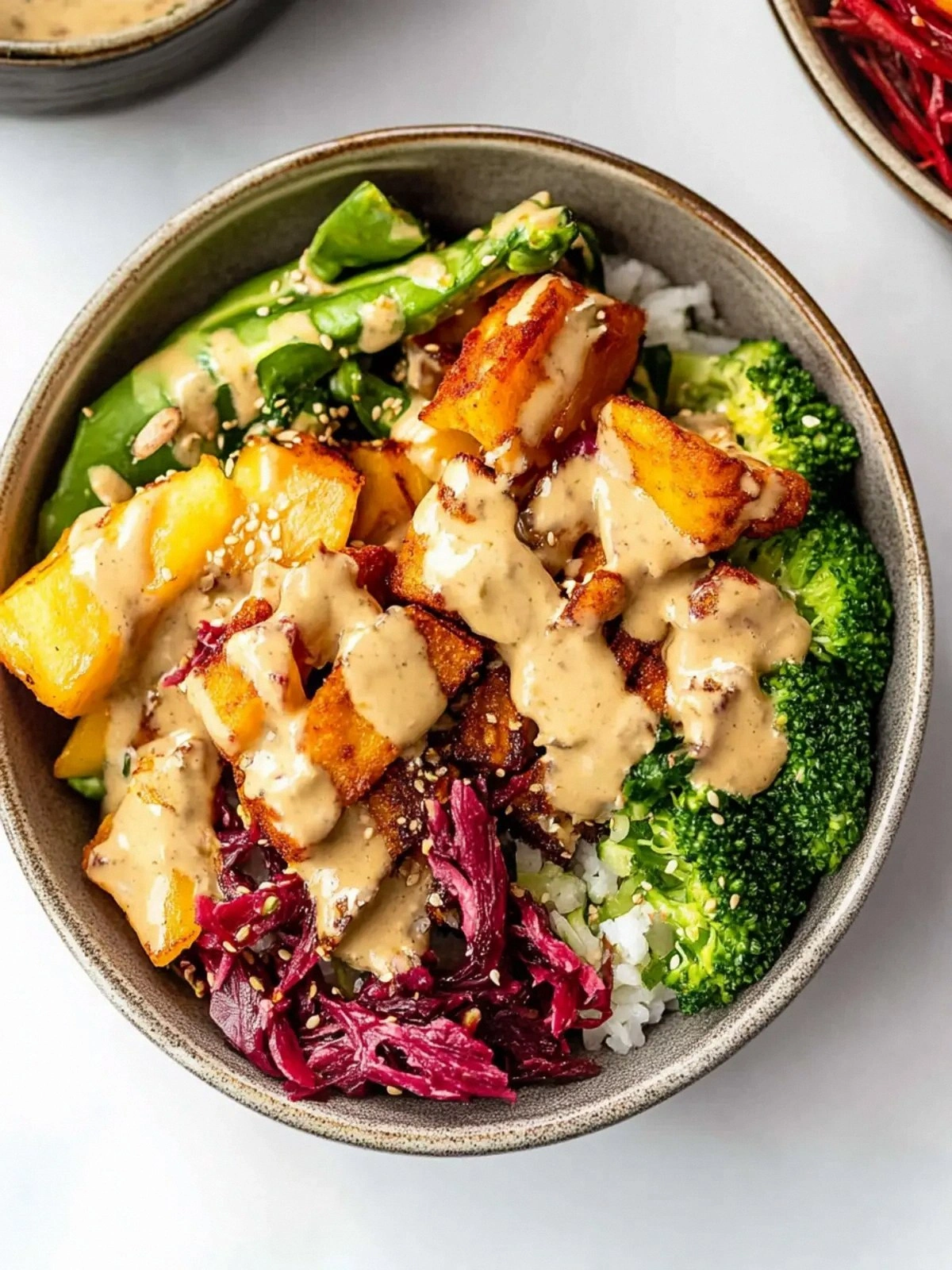
Picture this: the moment the miso sauce hits the pan, it crackles with a subtle pop, releasing a fragrance that feels like a warm hug. The colors of the vegetables—deep emerald broccoli, snowy cauliflower, ruby beet, and sun‑kissed tomato—create a visual feast that makes your eyes water with anticipation. As you scoop a spoonful, the silky gravy coats the veggies like velvet, while the crunchy edges of the roasted root vegetables shatter like thin ice. The crunch, the creaminess, and the earthy sweetness dance together, producing a flavor profile that feels like a dragon’s breath—mysterious, powerful, and unforgettable.
What makes this version truly stand out is the meticulous balance of textures and flavors. The miso gravy is not just a sauce; it’s a character that brings depth and umami to the bowl, turning ordinary vegetables into a feast fit for a dragon. The roasted root vegetables add a caramelized sweetness that contrasts beautifully with the savory gravy. And the optional vegan cheese sprinkle adds a creamy, melty finish that elevates the dish from simple to spectacular. I dare you to taste this and not go back for seconds, because once you’ve had it, the ordinary will never be the same again.
Most recipes get this completely wrong. They either under‑season the miso or over‑roast the vegetables, resulting in a bowl that feels flat and uninspired. Here, I’ve discovered a technique that ensures each bite delivers a burst of flavor and a satisfying texture. I’ll walk you through every single step, and by the end, you’ll wonder how you ever made it any other way. Let’s dive in and unleash the dragon within your kitchen.
What Makes This Version Stand Out
- Taste: The miso gravy is the heart of this dish, offering a complex umami profile that lingers on the palate. It’s balanced with a hint of sweetness from the roasted root vegetables, creating a harmonious flavor spectrum that keeps you coming back for more.
- Texture: Every component has been carefully selected to provide a satisfying contrast—crispy roasted edges, tender steamed broccoli, and silky miso sauce that coats like a second skin.
- Simplicity: No fancy gadgets, just a few pantry staples and a handful of fresh produce. The recipe is straightforward enough for a beginner yet sophisticated enough to impress seasoned cooks.
- Uniqueness: The combination of miso, arrowroot thickener, and vegan cheese creates a sauce that feels indulgent while remaining plant‑based. It’s a fresh take on the classic ramen bowl, but with a wholesome twist.
- Crowd Reaction: Friends and family rave about the bold flavors and the “wow” factor. It’s the kind of dish that turns a casual dinner into a memorable event.
- Ingredient Quality: Using high‑quality miso and fresh, organic vegetables elevates the dish’s flavor profile dramatically. The difference is unmistakable.
- Cooking Method: Roasting caramelizes the natural sugars in the vegetables, while steaming preserves their nutrients and vibrant color.
- Make‑Ahead Potential: The miso gravy can be prepped a day ahead, and the roasted vegetables can be stored for up to 48 hours, making this dish perfect for meal prep.
Inside the Ingredient List
The Flavor Base
The miso gravy is the backbone of this bowl. White miso paste brings a mellow, slightly sweet umami that balances the earthiness of the vegetables. When combined with vegetable stock, it creates a liquid that’s rich yet light, allowing the other flavors to shine through. If you skip the miso, the dish loses its depth, becoming a simple vegetable stew that feels flat.
The Texture Crew
Root vegetables like potatoes, beets, and carrots are the textural anchors. Their natural starches caramelize when roasted, producing a delightful crunch on the edges and a tender center. Broccoli and cauliflower provide a mild, slightly bitter bite that contrasts the sweetness of the roots. The cucumber adds a refreshing, cool snap that balances the warmth of the miso.
The Unexpected Star
Firm tofu, sliced into cubes, absorbs the miso gravy like a sponge, delivering a protein boost that keeps you feeling full. It’s a subtle star that adds a creamy, silky texture without overpowering the veggies. If you’re vegan or just looking to cut carbs, tofu is a perfect substitute for meat.
The Final Flourish
Grated vegan cheese and nutritional yeast give the bowl a cheesy, savory finish that’s reminiscent of a comfort‑food classic. Arrowroot powder thickens the gravy, giving it a glossy sheen that glides over the vegetables. A splash of soy sauce adds a salty depth that ties everything together. Each of these elements is essential; removing any will alter the harmony of the dish.
The Method — Step by Step
- Preheat the oven to 425°F (220°C). While the oven warms, dice the potato, beet, carrot, and cucumber into bite‑sized cubes. Toss them in olive oil, salt, pepper, and a pinch of dried thyme. Spread the vegetables in a single layer on a baking sheet. This step caramelizes the natural sugars, creating a sweet, crispy exterior. Watch the edges start to brown around 20 minutes; that’s the sweet spot.
- Steam the broccoli and cauliflower. Fill a pot with a few inches of water, bring to a boil, then place a steamer basket over the pot. Add the broccoli and cauliflower florets, cover, and steam for 4–5 minutes until bright green and just tender. The brief steam preserves nutrients and color without overcooking. This will be the fresh, crisp contrast to the roasted veggies.
- Prepare the tofu. Press the tofu to remove excess moisture, then cut into cubes. In a small bowl, combine soy sauce, a splash of sesame oil, and a pinch of garlic powder. Toss the tofu cubes in this mixture, then place them on a separate baking sheet. Roast at 425°F (220°C) for 15–18 minutes, turning halfway through, until the edges crisp. The tofu will absorb the savory sauce, becoming a protein-packed centerpiece.
- Make the miso gravy. In a saucepan, heat the vegetable stock over medium heat. Whisk in the miso paste until fully dissolved. Stir in arrowroot powder mixed with a tablespoon of water to create a slurry; this thickens the sauce without lumps. Add nutritional yeast for a cheesy note, and season with salt and pepper to taste. Let it simmer for 5 minutes, allowing the flavors to meld. The gravy should thicken to a silky consistency that coats the veggies.
- Assemble the bowl. Start with a base of steamed broccoli and cauliflower. Layer the roasted root vegetables on top, followed by the crispy tofu cubes. Pour the miso gravy over everything, ensuring each component is bathed in the sauce. Sprinkle grated vegan cheese and a drizzle of sesame oil. The cheese melts into the warm gravy, creating a velvety finish.
- Finish with fresh accents. Add a handful of sliced cucumber for crunch, a sprinkle of toasted sesame seeds, and a few fresh mint leaves for brightness. The mint’s coolness cuts through the richness, while the seeds add a subtle nutty crunch.
- Serve immediately. The bowl should be hot and steaming, with the gravy glistening on the vegetables. A final squeeze of lime juice can brighten the flavors, but it’s optional. If you’re in a hurry, you can reheat the assembled bowl in the microwave for 30–45 seconds, but the texture will be slightly softer.
- Optional garnish. For a decadent touch, add a dollop of coconut yogurt or a sprinkle of crushed roasted peanuts. These additions bring extra creaminess and texture, making the bowl feel like a gourmet creation.
That’s it — you did it. But hold on, I've got a few more tricks that'll take this to another level. The next section will dive into insider tricks that will help you perfect every bite.
Insider Tricks for Flawless Results
The Temperature Rule Nobody Follows
Many cooks believe that higher heat always produces better caramelization. In reality, a moderate oven temperature of 425°F (220°C) is ideal for roasting root vegetables. It allows the sugars to caramelize slowly without burning the exterior. If you raise the heat too high, the veggies will char on the outside while remaining raw inside. Keep the temperature steady, and you’ll get that perfect golden crust every time.
Why Your Nose Knows Best
The aroma of miso simmering in stock is a reliable indicator of readiness. When the miso begins to steam and release a fragrant, savory scent, it’s time to reduce the heat to low and let it thicken. Over‑simmering will cause the miso to lose its umami punch and develop a bitter aftertaste. Trust your nose, and the gravy will be silky and flavorful.
The 5‑Minute Rest That Changes Everything
After roasting the vegetables, let them rest for five minutes before assembling the bowl. This short rest allows the steam to redistribute, preventing the veggies from becoming soggy. It also gives the flavors time to settle, so the miso gravy adheres better. I’ve seen bowls that were rushed straight into the bowl; they were too wet and lacked that satisfying bite.
The Secret of the Vegan Cheese
If you’re using a store‑bought vegan cheese, opt for one with a higher fat content. It melts more smoothly and provides a richer mouthfeel. A sprinkle of nutritional yeast can also enhance the cheesy flavor without adding extra dairy. Experiment with different brands; the texture and taste can vary significantly.
The Quick Thicken Trick
If the miso gravy is too thin, whisk in a tablespoon of arrowroot powder mixed with cold water. This method prevents clumping and gives the sauce a glossy finish. Alternatively, reduce the sauce on low heat for an extra minute, but be careful not to over‑reduce, or you’ll end up with a syrupy consistency.
The Final Touch of Sesame Oil
A drizzle of toasted sesame oil right before serving adds a nutty aroma that elevates the entire bowl. It’s a finishing touch that many chefs overlook. The oil’s high smoke point ensures it won’t burn, and its flavor lingers long after the last bite.
Creative Twists and Variations
This recipe is a playground. Here are some of my favorite ways to switch things up:
Spicy Sriracha Kick
Add a tablespoon of sriracha to the miso gravy for a fiery edge. The heat pairs beautifully with the sweet roasted veggies and the savory tofu, creating a complex flavor profile that’s perfect for spice lovers.
Mediterranean Flair
Swap the miso for a tomato‑based sauce seasoned with oregano and basil. Top with crumbled vegan feta and a drizzle of olive oil. This variation turns the bowl into a Mediterranean‑inspired dish that’s fresh and bright.
Sweet & Salty Coconut Twist
Replace the vegetable stock with coconut milk and add a pinch of brown sugar to the miso gravy. The coconut brings a tropical sweetness that complements the earthy vegetables. A sprinkle of toasted coconut flakes adds a delightful crunch.
Protein‑Packed Power Bowl
Add a handful of edamame or cooked quinoa to the bowl. This not only boosts the protein content but also adds a subtle nutty flavor. The quinoa’s texture works well with the silky miso gravy.
Herb‑Infused Variation
Stir fresh chopped parsley, cilantro, or basil into the miso gravy before serving. The herbs add a burst of freshness that lifts the dish. For a more aromatic experience, add a few drops of lemon zest.
Garnish Galore
Top the bowl with sliced avocado, pickled radish, or a handful of microgreens. Each garnish adds a unique texture and flavor, turning the bowl into a multi‑dimensional culinary experience.
Storing and Bringing It Back to Life
Fridge Storage
Store the roasted vegetables and tofu in an airtight container for up to 48 hours. Keep the miso gravy in a separate container to prevent the sauce from becoming too thick. When ready to serve, reheat the vegetables and tofu in a skillet, then drizzle the warmed gravy over them.
Freezer Friendly
The roasted veggies and tofu can be frozen for up to 3 months. To reheat, thaw in the refrigerator overnight, then roast again for 5 minutes to restore crispness. The miso gravy freezes poorly, so it’s best to prepare it fresh or store it in a small container and reheat separately.
Best Reheating Method
Reheat the assembled bowl in the microwave for 30–45 seconds, then stir to redistribute the gravy. Add a splash of water or vegetable stock to loosen the sauce, and let it sit for a minute before serving. This trick restores the sauce’s silky texture and keeps the vegetables from drying out.