Love this? Pin it for later! 📌
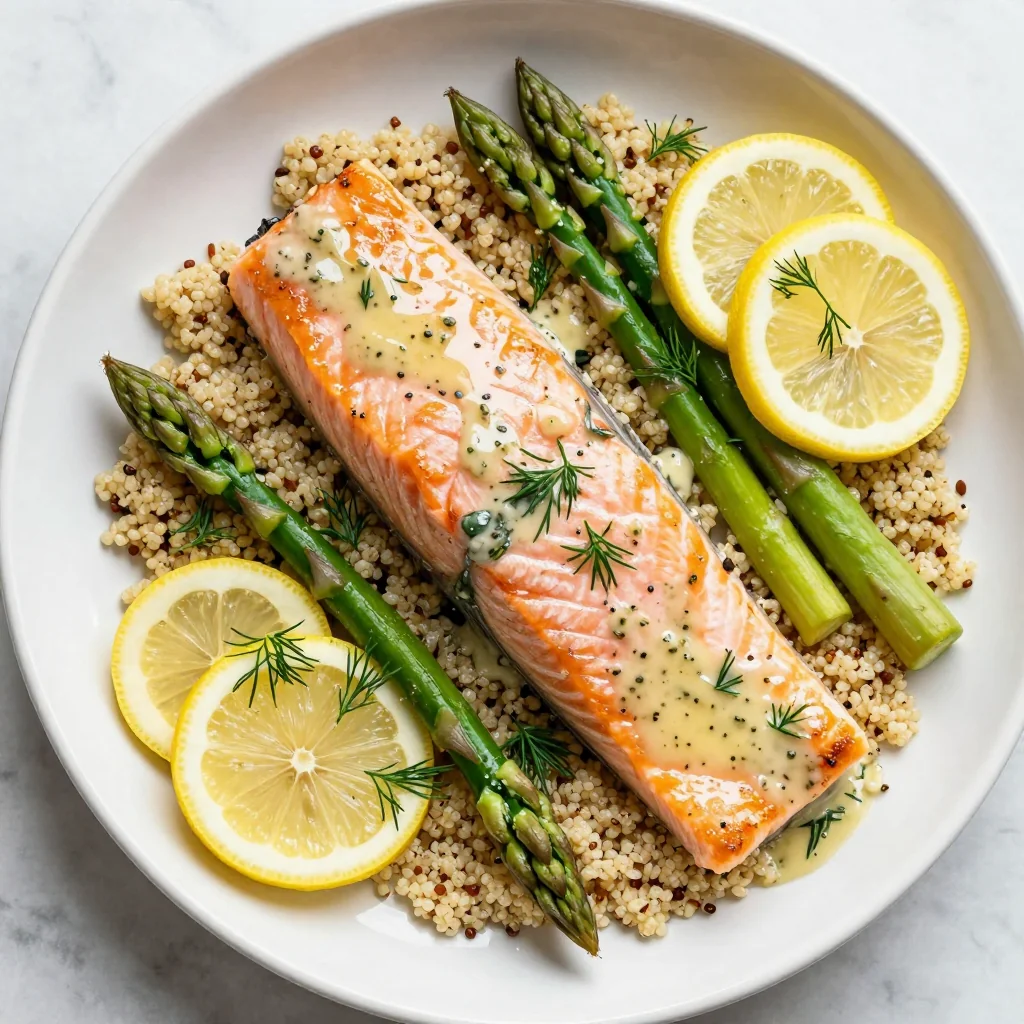
There are evenings when I walk through the door at 6:15 p.m., the golden hour light still streaming through the kitchen window, and I can practically hear my family’s stomachs rumbling in stereo. On those nights, I reach for this lemon-dill salmon the way other people reach for cereal: it’s fast, reliable, and—unlike cereal—feels like I’ve actually got my life together. The first time I made it, my then-eight-year-old announced, “Mom, this tastes like a restaurant on the coast!” and my heart did the full back-flip. Since then it has become our Wednesday-night staple, the recipe I text to fraried friends, and the dish I serve when I want something that looks elegant but requires fewer dishes than a peanut-butter sandwich. If you can zest a lemon and operate an oven, you’re twenty minutes away from a restaurant-quality dinner that just so happens to be packed with omega-3s and bright spring flavor.
Why This Recipe Works
- One-pan wonder: Everything roasts together on a single sheet pan, meaning dinner—and cleanup—are done in under 25 minutes.
- Flavor in a flash: A 3-minute herb paste infuses the fillets with restaurant-level brightness without an overnight marinade.
- Meal-prep friendly: Cook once, enjoy twice—flaked leftovers elevate salads, pastas, and grain bowls all week.
- Adaptable to any cut: Works equally well with individual portions, a large side of salmon, or even skin-off fillets from the freezer.
- Budget-smart: Fresh dill and lemons are inexpensive year-round, and you only need 3 tablespoons of olive oil for four servings.
- Kid-approved: The buttery, citrusy coating mellows the “fishy” flavor, making it an easy sell for picky eaters.
Ingredients You'll Need
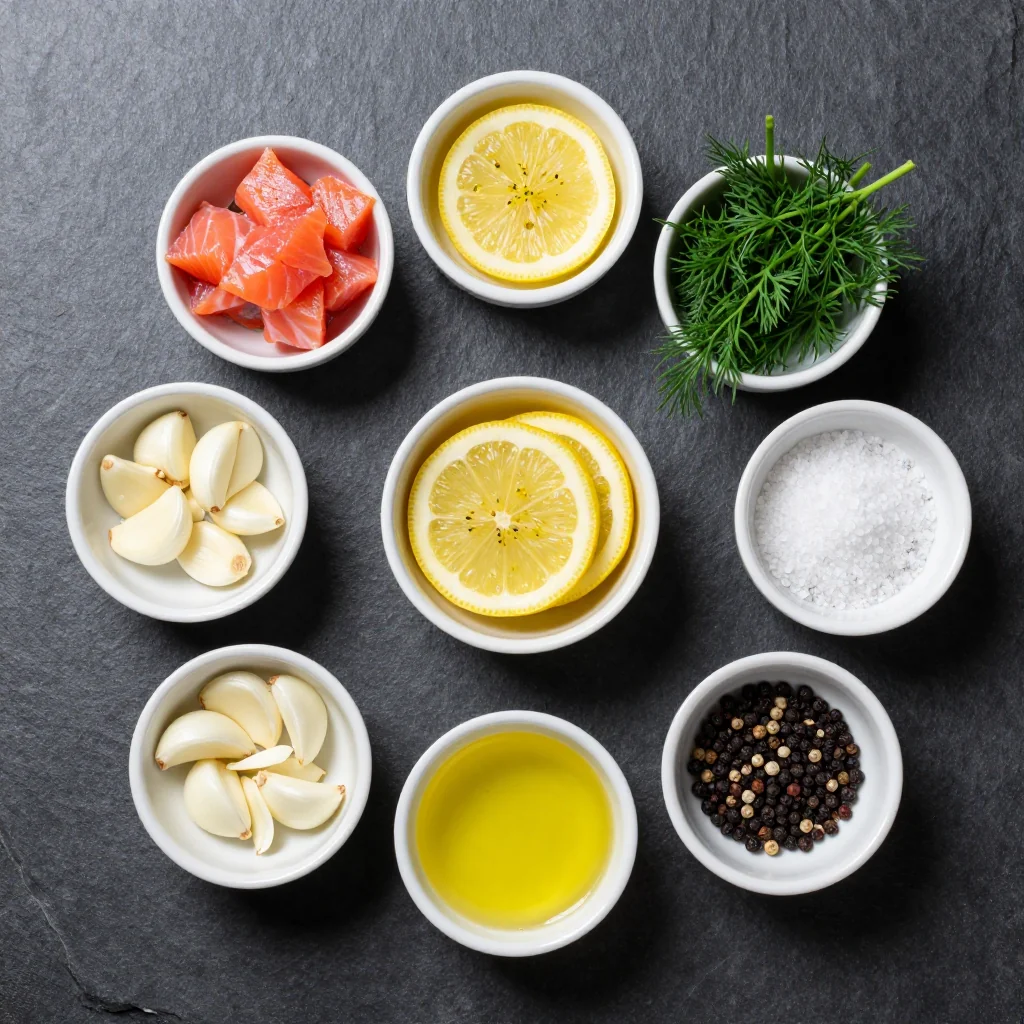
Great salmon starts at the seafood counter. Look for fillets that are moist, translucent, and smell like the ocean on a good day—never “fishy.” If you’re land-locked, ask for “previously frozen” fish that has been thawed overnight under refrigeration; flash-frozen at sea locks in peak freshness. For sustainability, I gravitate toward Atlantic salmon certified by the Aquaculture Stewardship Council or wild Alaskan Coho when it’s in season.
When it comes to lemons, buy two: one for zest and juice, the second for serving wedges. Organic lemons are worth the extra few cents since you’ll be using the peel. Dill should be feathery and vibrantly green—avoid bunches that are limp or black-tipped. If fresh dill is elusive, tarragon or parsley works in a pinch, but dill’s subtle anise note is what makes the dish sing.
Olive oil pulls the herb paste together and protects the fish’s surface from drying. A moderately priced extra-virgin oil labeled “cold-pressed” adds fruity depth without breaking the bank. Garlic should be firm; skip any cloves that have begun to sprout green shoots—they’ll taste bitter once baked.
Finally, salt matters. I keep a small crock of flaky sea salt beside the stove. Its larger crystals dissolve more slowly, giving you a delicate crust on the salmon. If all you have is table salt, dial the quantity back by 25 percent.
How to Make Quick Lemon Dill Salmon for Healthy Dinners
Heat the oven and prep the sheet.
Position a rack in the center of your oven and preheat to 425°F (220°C). Line a rimmed baking sheet with parchment paper; the paper prevents sticking and makes cleanup almost instantaneous. If you’ll be roasting vegetables alongside the fish (baby potatoes, asparagus, zucchini), spread them on first and toss with a teaspoon of oil, salt, and pepper.
Pat the salmon very dry.
Use paper towels to blot excess moisture from all sides of the fillets. Removing surface water encourages quick caramelization and prevents that unappetizing white albumin from leaching out. Place the salmon skin-side down on the parchment, leaving at least ½ inch between portions so hot air can circulate.
Zest, juice, and mince.
Finely grate one teaspoon of lemon zest into a small bowl. Halve the lemon and squeeze in one tablespoon of juice. Mince one small garlic clove and two tablespoons of fresh dill; add both to the bowl. The aromatics start to bloom instantly when they meet the citrus oils.
Whisk the herb paste.
Stir in three tablespoons of olive oil, ½ teaspoon kosher salt, and ¼ teaspoon freshly ground black pepper. The mixture should resemble a loose pesto; add another drizzle of oil if it looks dry. Taste and adjust—this is your moment to balance salt, acid, and herb intensity before it meets the fish.
Coat, but don’t drown.
Spoon the herb paste onto each fillet, then use the back of the spoon to spread it edge to edge. You want a thin, even layer; too thick and it will slide off during roasting. Any extra can be drizzled over vegetables you’re roasting on the same pan.
Roast to perfect flakiness.
Slide the sheet into the oven and bake for 9–12 minutes, depending on thickness. A 1-inch fillet is usually done in 10 minutes; the fish should flake easily but still look slightly translucent in the very center—it will finish cooking from residual heat. If you have an instant-read thermometer, aim for 125°F (52°C) for medium-rare or 135°F (57°C) if you like it opaque throughout.
Rest, then brighten.
Remove from the oven and let rest 3 minutes. During this brief pause, proteins relax and juices redistribute, giving you moist, glossy flakes. Finish with a squeeze of fresh lemon and a flurry of chopped dill. Serve straight from the sheet pan or transfer to warmed plates.
Expert Tips
Uniform thickness
Fold the thin tail underneath itself to create an even slab; this prevents overcooking the tapered end.
Carry-over heat
Salmon rises 5°F after removal; pulling it at 125°F yields silky, just-cooked results every time.
Flash-freeze for later
Spread herb-coated fillets on a tray, freeze until solid, then vacuum-seal; bake from frozen at 375°F for 18 min.
Avoid albumin
Brining fillets in 2 cups cold water + 1 tsp salt for 15 minutes prevents the white protein from seeping out.
Reheat gently
Warm leftover salmon at 275°F for 8–10 minutes, or flake cold over salads to avoid drying it out in the microwave.
Crisp skin option
If you love crispy skin, heat the empty sheet pan in the oven for 5 minutes, then lay salmon skin-side down; sizzle guaranteed.
Variations to Try
- Mediterranean: Swap dill for oregano and basil, add halved cherry tomatoes and olives to the pan.
- Spicy Cajun: Replace herbs with 1 tsp smoked paprika, ½ tsp cayenne, and a squeeze of lime.
- Asian twist: Use lime zest, cilantro, and a glaze of 1 Tbsp soy sauce + 1 tsp sesame oil.
- Maple-garlic: Combine 1 Tbsp pure maple syrup, 1 tsp Dijon, and ½ tsp garlic powder for a sweet-savory crust.
- Coconut lime: Replace olive oil with 2 Tbsp canned coconut milk and add lime zest + fresh mint.
Storage Tips
Leftover salmon keeps up to 3 days in the refrigerator when stored in a shallow airtight container. To maintain moisture, place a piece of parchment directly on the surface before sealing the lid. For longer storage, wrap each fillet tightly in plastic wrap, then slip into a freezer bag; freeze up to 2 months. Thaw overnight in the fridge and reheat using the gentle oven method described above.
Flaked cold salmon is a powerhouse salad topping; I fold it into Greek yogurt with capers for an instant salmon salad sandwich or scatter it over mixed greens with diced avocado and a lemon vinaigrette. If you’re meal-prepping, divide cooked salmon into four containers along with quinoa and roasted vegetables for grab-and-go lunches that keep you energized all afternoon.
Frequently Asked Questions
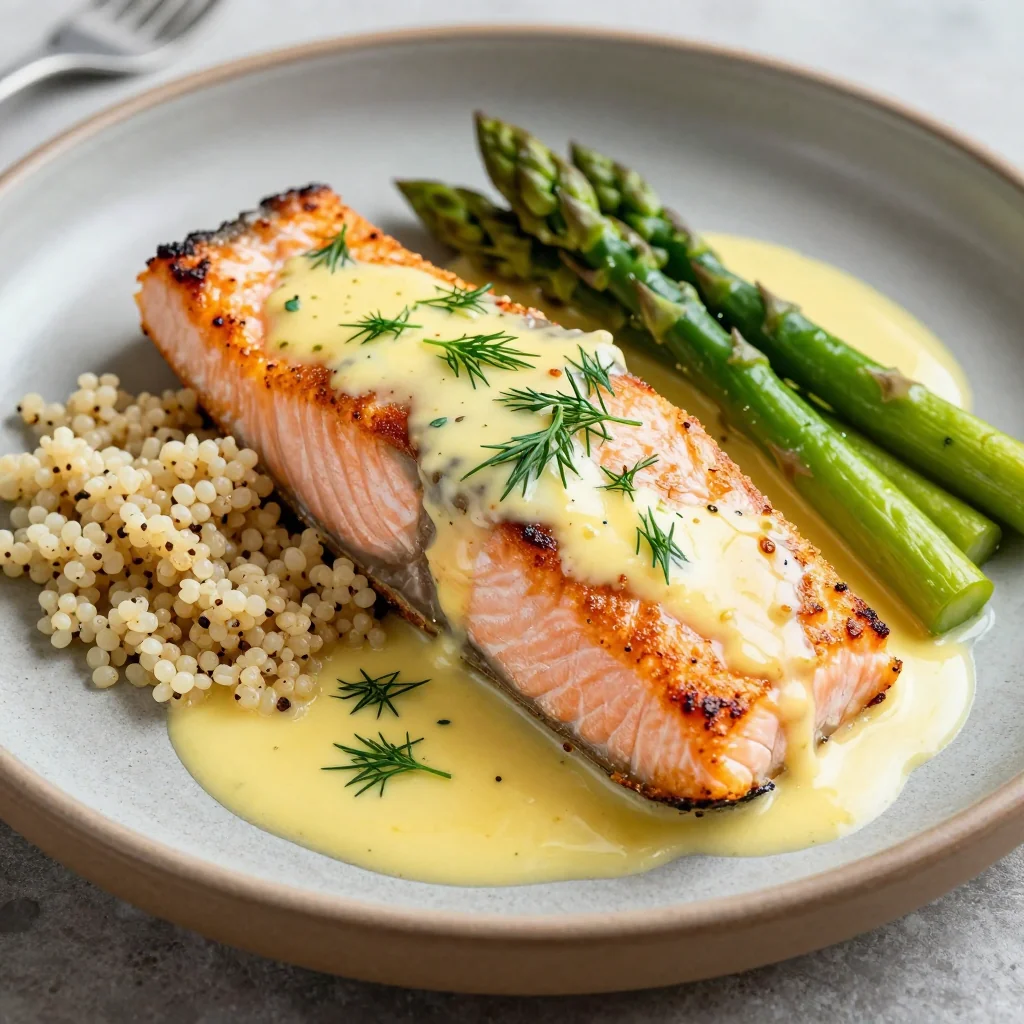
Quick Lemon Dill Salmon for Healthy Dinners
Ingredients
Instructions
- Preheat: Heat oven to 425°F. Line a rimmed baking sheet with parchment.
- Make herb paste: Zest lemon to yield 1 tsp; juice to yield 1 Tbsp. Combine zest, juice, dill, garlic, olive oil, salt, and pepper in a small bowl.
- Prep salmon: Pat fillets dry, set skin-side down on the sheet. Spread paste evenly over top.
- Roast: Bake 9–12 min until just opaque and center registers 125–135°F.
- Rest & serve: Let rest 3 min, garnish with extra dill and lemon wedges.
Recipe Notes
For crisp skin, preheat the empty sheet pan 5 minutes before adding fish. Store leftovers refrigerated up to 3 days or freeze up to 2 months.