
Love this? Pin it for later! 📌
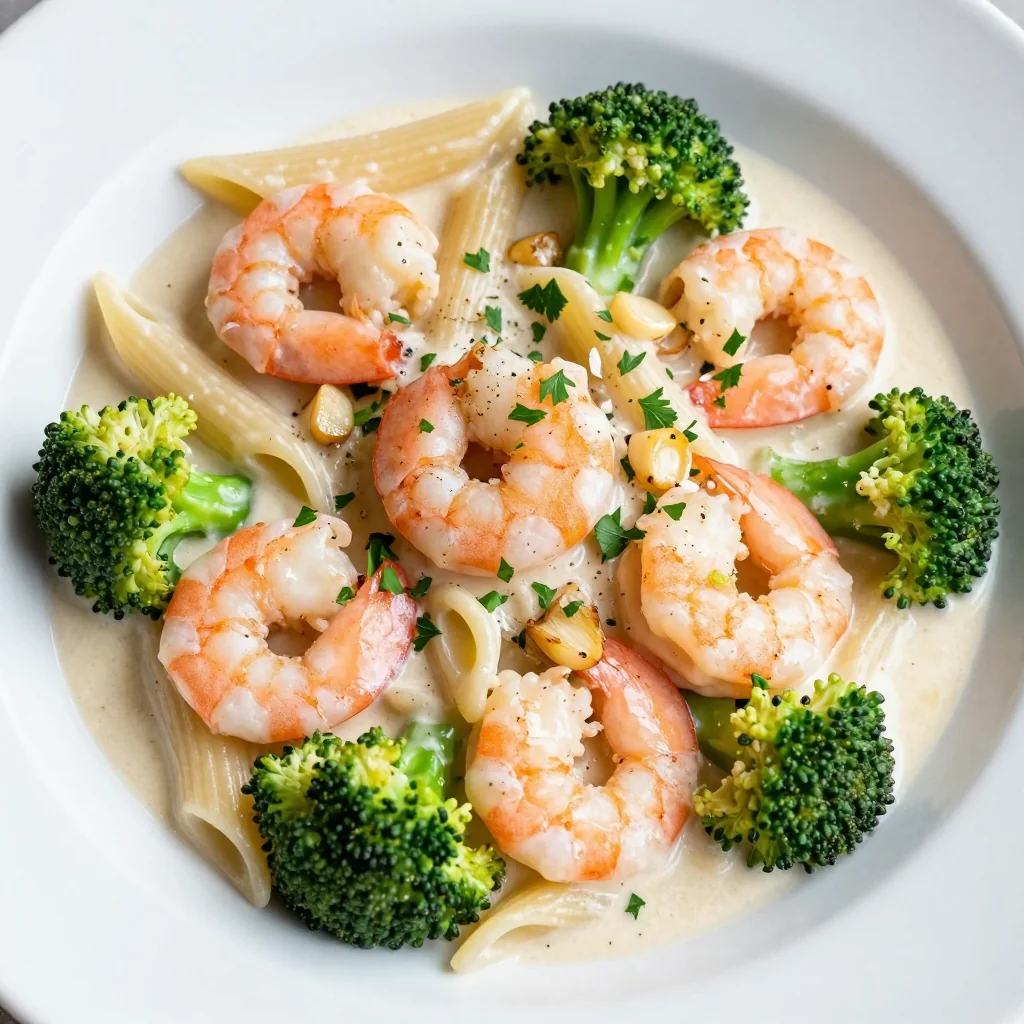
I still remember the first time I made this creamy shrimp and broccoli pasta for my in-laws. It was one of those chaotic weeknights where everyone was arriving at different times, the dog was barking at absolutely nothing, and I had exactly 30 minutes to get dinner on the table before hangry sets in. Sound familiar? That night, this one-pot wonder saved me. As my mother-in-law took her first bite, she literally stopped mid-conversation to ask for the recipe—high praise from a woman who's been cooking for fifty years!
What makes this recipe so special isn't just its incredible flavor (though the garlicky cream sauce will have you licking the spoon), but how it transforms simple ingredients into restaurant-quality comfort food with minimal effort. The pasta cooks right in the sauce, releasing its starch to create the most luxurious texture, while the shrimp stay perfectly tender and the broccoli maintains just the right amount of bite. It's become my go-to for everything from casual date nights to feeding a crowd of hungry teenagers.
Why This Recipe Works
- One Pot Wonder: Everything cooks in a single large pot, meaning fewer dishes and more flavor since the pasta starch thickens the sauce naturally
- Quick Weeknight Hero: From fridge to table in just 25 minutes, making it perfect for those busy evenings when takeout feels tempting
- Protein-Packed: Succulent shrimp provides lean protein while broccoli adds fiber and nutrients for a complete meal
- Creamy Without Heavy Cream: The combination of pasta water and parmesan creates a rich, velvety sauce that's lighter than traditional cream-based recipes
- Beginner-Friendly: No complicated techniques required—if you can boil water and stir, you can master this dish
- Customizable: Easy to adapt with different proteins, vegetables, or spice levels based on your family's preferences
Ingredients You'll Need
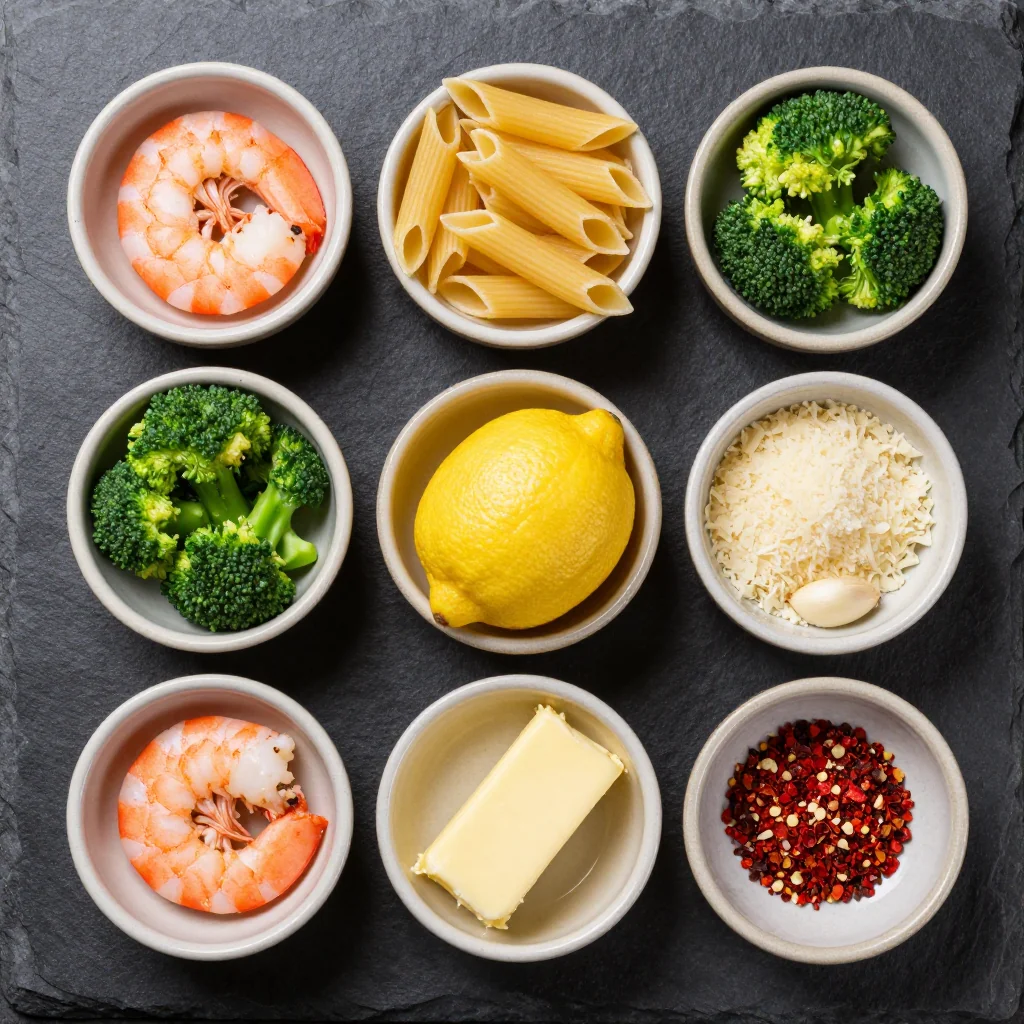
Let's break down each ingredient so you understand why they work together so beautifully. The magic of this recipe lies in the quality of your ingredients—this isn't the time to reach for the bargain bin shrimp or pre-grated parmesan that's been sitting in your fridge for months.
Pasta: I prefer medium pasta shapes like penne or rotini because they catch the sauce perfectly, but farfalle or even spaghetti work wonderfully. The key is choosing a shape that will cook evenly in the one-pot method. Avoid tiny shapes like orzo or giant shells that might cook unevenly.
Shrimp: Fresh, wild-caught shrimp will give you the best flavor, but quality frozen shrimp (thawed properly) works beautifully too. Look for medium shrimp (31-35 count per pound) as they cook quickly without becoming rubbery. Always remove the tails before cooking—your dinner guests will thank you!
Broccoli: Fresh broccoli florets hold their texture better than frozen, but in a pinch, frozen works. Cut them into bite-sized pieces, about 1-inch chunks, so they cook evenly with the pasta. The broccoli should be bright green and slightly tender but still have some bite.
Garlic: Fresh garlic is non-negotiable here. Those pre-minced jars simply can't compete with the aromatic punch of freshly minced garlic sautéed in butter. Use 3-4 large cloves, minced finely so they distribute throughout the dish.
Chicken Broth: Low-sodium broth lets you control the salt level. Vegetable broth works too, but chicken adds more depth. Keep it warm on the side—it helps maintain the cooking temperature when added to the pot.
Heavy Cream: Just a splash transforms the sauce into pure silk. You can substitute half-and-half for a lighter version, but the sauce won't be quite as luxurious. Room temperature cream blends more smoothly into the hot liquid.
Parmesan Cheese: Please, please buy a block and grate it yourself. Pre-grated cheese contains cellulose that prevents smooth melting and can make your sauce grainy. Fresh parm creates that restaurant-quality creaminess we're after.
How to Make Easy One Pot Creamy Shrimp and Broccoli Pasta
Prep and Season
Pat your shrimp completely dry with paper towels—this is crucial for proper searing. Season generously with ½ teaspoon salt, ¼ teaspoon black pepper, and ¼ teaspoon paprika. Let them sit while you prep other ingredients. Cold shrimp hitting a hot pan is a recipe for disaster, so let them come closer to room temperature. Meanwhile, mince your garlic, cut broccoli into 1-inch florets, and measure out all liquids. This mise en place approach prevents the frantic scrambling that leads to burnt garlic or overcooked shrimp.
Sear the Shrimp
Heat 2 tablespoons of olive oil in your largest, heaviest pot or Dutch oven over medium-high heat. When the oil shimmers and just begins to smoke, carefully add shrimp in a single layer. Don't crowd them—work in batches if necessary. Let them cook undisturbed for 90 seconds; resist the urge to move them around. When they turn pink and opaque halfway up, flip and cook another 60-90 seconds. They should be just cooked through with a slight curl. Remove to a plate immediately—they'll finish cooking later in the sauce.
Build the Flavor Base
Reduce heat to medium and add 2 tablespoons of butter to the same pot. Scrape up any browned bits (fond) from the shrimp—this is liquid gold for flavor. Once the butter foams, add minced garlic and sauté for just 30-45 seconds until fragrant but not browned. Burnt garlic turns bitter and will ruin your entire dish. The aroma should fill your kitchen with garlicky goodness. This step creates the aromatic foundation that makes restaurant pasta taste so much better than homemade versions.
Toast the Pasta
Add your dry pasta directly to the pot with the garlic and butter. Stir constantly for 2 minutes until the pasta is coated and slightly toasted. This step might seem odd, but toasting pasta in fat before adding liquid prevents it from becoming mushy and adds a nutty flavor. The pasta will absorb some of the garlic butter, ensuring every bite is flavorful. Use a wooden spoon to keep everything moving so nothing burns.
Add Liquid and Simmer
Pour in 3 cups of warm chicken broth and bring to a boil. The liquid should just cover the pasta—add more broth if needed. Reduce heat to maintain a gentle simmer and cook for 8 minutes, stirring every 2 minutes to prevent sticking. The pasta will release starch, naturally thickening the liquid. Don't walk away during this step; pasta can stick and burn quickly. The goal is al dente pasta with a silky, sauce-like consistency.
Introduce the Broccoli
After 8 minutes, when the pasta is just shy of al dente, add the broccoli florets and ½ cup of the reserved broth. Continue simmering for 3-4 minutes until the broccoli is tender-crisp and bright green. The broccoli should retain some bite—nobody wants mushy grey broccoli. If needed, add more broth to maintain the sauce consistency. The pasta should be nearly cooked through at this point.
Create the Creamy Sauce
Reduce heat to low and stir in ½ cup of heavy cream. Let it simmer gently for 2 minutes—the sauce will thicken slightly. Now comes the magic: remove from heat and immediately stir in 1 cup of freshly grated parmesan cheese. Stir vigorously until melted and creamy. The residual heat will melt the cheese without causing it to separate. If the sauce seems thick, add a splash of warm broth. Season with salt and pepper to taste, remembering that the cheese adds saltiness.
Final Assembly
Return the seared shrimp to the pot along with any accumulated juices. Gently fold everything together, being careful not to break the pasta. The shrimp will warm through in 1-2 minutes. Add a handful of chopped fresh parsley and a squeeze of lemon juice for brightness. Taste and adjust seasoning—this is crucial! A dish that's perfectly seasoned will taste like it came from a restaurant. Serve immediately in warm bowls with extra parmesan on the side.
Expert Tips
Shrimp Size Matters
Medium shrimp (31-35 count) are ideal—they cook quickly without becoming rubbery. Larger shrimp take longer and can overcook the pasta while smaller ones disappear into the dish.
Temperature Control
Keep your broth warm in a separate pot. Adding cold liquid lowers the cooking temperature and results in unevenly cooked pasta. A simple kettle or microwave works perfectly.
Don't Overcook the Garlic
Garlic burns in seconds and turns bitter. Have your pasta ready to add immediately after the garlic becomes fragrant. If it starts to brown, you've gone too far.
Reserve That Pasta Water
The starchy cooking liquid is liquid gold for adjusting sauce consistency. Keep ½ cup aside before draining—the starch helps bind the sauce and creates restaurant-quality silkiness.
Fresh vs. Pre-Grated Cheese
Pre-grated cheese contains anti-caking agents that prevent smooth melting. Grate your own parmesan for the creamiest sauce. A microplane or fine grater works best.
Brighten at the End
A squeeze of fresh lemon juice and chopped parsley added at the end brightens the entire dish. The acid balances the richness and makes all the flavors pop.
Variations to Try
Spicy Cajun Version
Add 1 teaspoon Cajun seasoning to the shrimp and a diced bell pepper with the broccoli. Finish with a dash of hot sauce for extra kick.
Lemon Herb Chicken
Replace shrimp with bite-sized chicken pieces. Add 2 tablespoons lemon zest and fresh thyme with the garlic for a bright, herby version.
Vegetarian Mediterranean
Skip the shrimp and add sun-dried tomatoes, artichoke hearts, and kalamata olives. Use vegetable broth and add white beans for protein.
Low-Carb Zoodle Version
Replace pasta with zucchini noodles added in the last 2 minutes. Reduce broth to 1½ cups and watch carefully to prevent overcooking.
Storage Tips
This pasta is best enjoyed fresh, but leftovers can be stored in an airtight container in the refrigerator for up to 3 days. The sauce will thicken considerably as it cools. To reheat, add a splash of broth or milk and warm gently over medium-low heat, stirring frequently. Avoid microwaving as it can make the shrimp rubbery and cause the sauce to separate.
For meal prep, I recommend storing components separately: cook the pasta and broccoli together, store the shrimp separately, and make the sauce fresh when reheating. This method preserves the best texture for up to 4 days.
This dish does not freeze well—the cream sauce tends to separate and become grainy upon thawing, and the shrimp can develop an unpleasant texture. If you must freeze, undercook the shrimp slightly and freeze without the cream, adding it fresh when reheating.
Frequently Asked Questions
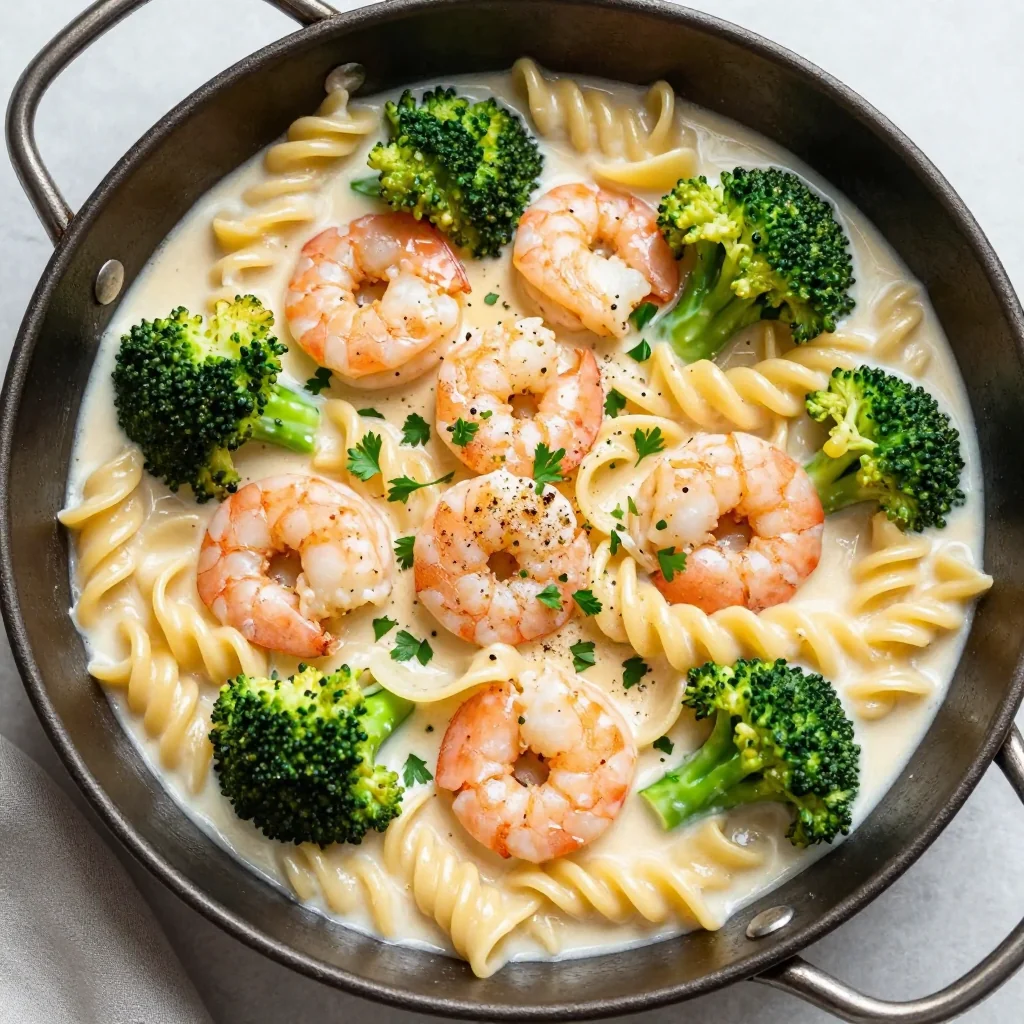
Easy One Pot Creamy Shrimp and Broccoli Pasta
Ingredients
Instructions
- Prep: Pat shrimp dry and season with salt, pepper, and paprika. Let stand while prepping other ingredients.
- Sear Shrimp: Heat olive oil in a large pot over medium-high heat. Sear shrimp 90 seconds per side until just cooked. Remove to a plate.
- Build Flavor: In the same pot, melt butter and sauté garlic for 30-45 seconds until fragrant but not browned.
- Toast Pasta: Add dry pasta and stir for 2 minutes until coated and lightly toasted.
- Simmer: Add warm broth and bring to a boil. Reduce to simmer and cook 8 minutes, stirring every 2 minutes.
- Add Vegetables: Stir in broccoli and cook 3-4 minutes until tender-crisp.
- Make It Creamy: Reduce heat to low, stir in cream, then remove from heat and add parmesan, stirring until melted and smooth.
- Finish: Return shrimp to pot with parsley and lemon juice. Toss gently to combine and serve immediately.
Recipe Notes
For best results, have all ingredients prepped and measured before starting. The key to perfect texture is not overcooking the shrimp initially—they'll finish cooking when returned to the hot pasta. If the sauce becomes too thick, thin with a splash of warm broth or milk.