
Norwegian Salmon Stew
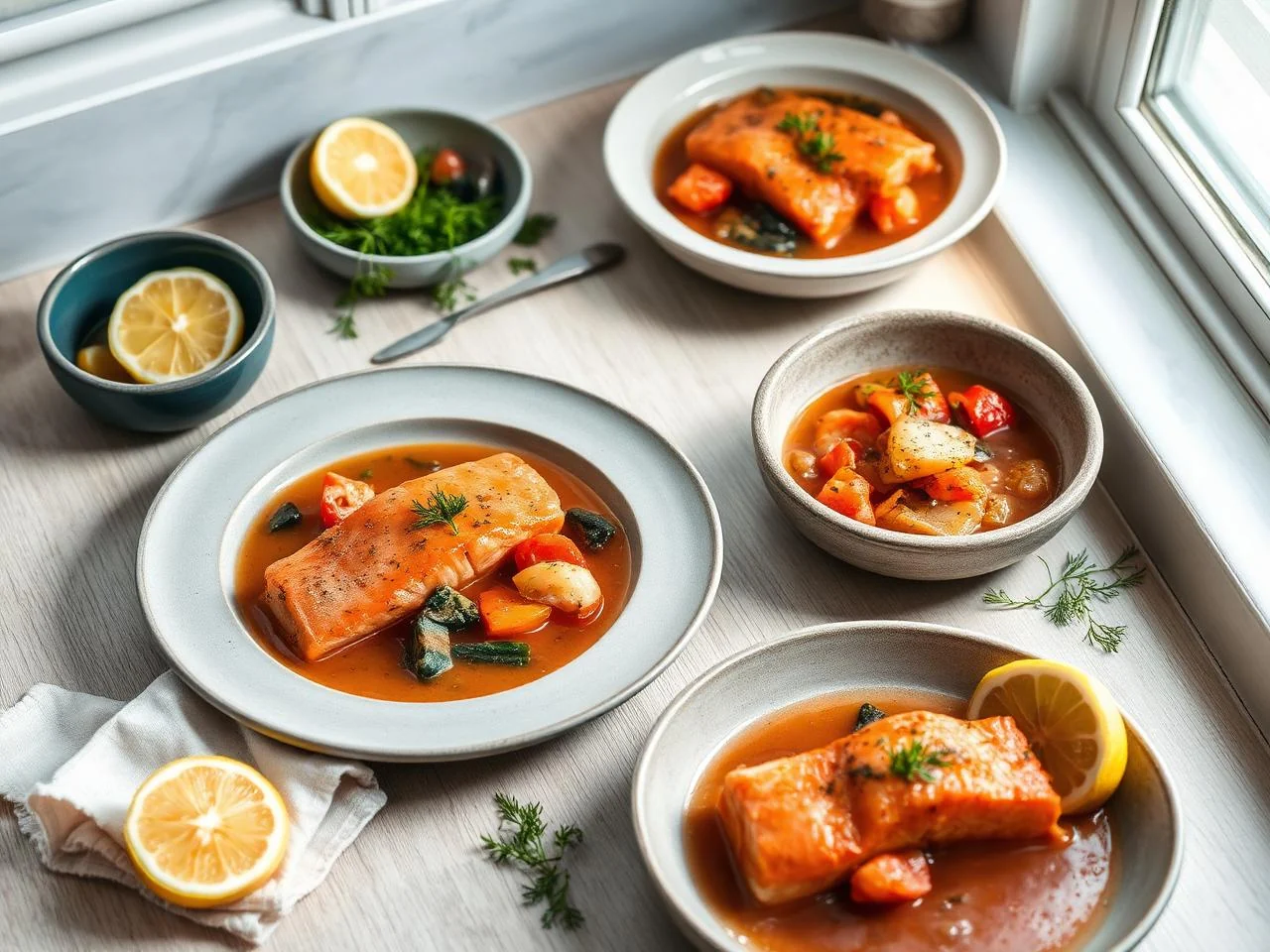
As a coastal home cook, I've always been drawn to the simplicity and flavor of seafood stews. My Norwegian Salmon Stew recipe is a staple in my household, and I'm excited to share it with you. This hearty and comforting dish is perfect for a chilly evening, and the best part is that it's incredibly easy to make.
I remember my first experience with salmon stew like it was yesterday. I was at a friend's house, and she had made this incredible Norwegian-inspired stew that was both flavorful and comforting. I was hooked from the first bite and knew I had to recreate it in my own kitchen.
After experimenting with different ingredients and techniques, I finally landed on a recipe that I'm proud to call my own. This Norwegian Salmon Stew is a masterclass in balance and flavor, with the perfect combination of tender salmon, sweet carrots, and creamy potatoes.
This recipe is special because it's approachable and accessible, even for those who are new to cooking seafood. The steps are simple, and the ingredients are readily available at most grocery stores. Whether you're a seasoned cook or just starting out, this recipe is sure to become a favorite.
I love making this stew on a weeknight, as it's quick and easy to prepare. The total cooking time is under an hour, and the result is a delicious and satisfying meal that's perfect for a busy evening.
Why You’ll Love This Recipe
- This recipe is easy to make and requires minimal ingredients.
- The stew is comforting and flavorful, perfect for a chilly evening.
- The salmon is cooked to perfection, with a moist and flaky texture.
- The recipe is approachable and accessible, even for those who are new to cooking seafood.
- The stew can be made ahead of time and refrigerated or frozen for later use.
- The recipe is versatile and can be customized with your favorite ingredients and spices.
Why This Recipe Works
The key to a great Norwegian Salmon Stew is in the layering of flavors and textures. By sautéing the onions and garlic before adding the salmon, we create a depth of flavor that's hard to achieve with other methods. The addition of white wine and fish stock adds a richness and complexity to the stew, while the potatoes and carrots provide a comforting and filling base.
The cooking technique is also important, as we want to cook the salmon until it reaches an internal temperature of 145 F (63 C). This ensures that the fish is cooked through and flaky, while still retaining its moisture and flavor.
Another important aspect of this recipe is the use of aromatics and spices. The thyme and dill add a bright and refreshing flavor to the stew, while the bay leaves provide a subtle depth and complexity. By using these aromatics and spices, we create a stew that's both comforting and exciting.
Finally, the resting time is crucial in allowing the flavors to meld together and the salmon to retain its moisture. By letting the stew rest for a few minutes before serving, we ensure that the flavors are balanced and the fish is cooked to perfection.
Ingredients You’ll Need
To make this delicious Norwegian Salmon Stew, you'll need a few simple ingredients. The key players are the salmon, potatoes, carrots, and onions, which provide a hearty and comforting base for the stew. You'll also need some aromatics and spices, such as thyme and dill, to add depth and flavor to the dish.
When shopping for the ingredients, be sure to choose fresh and sustainable options whenever possible. The salmon should be wild-caught and of high quality, while the potatoes and carrots should be firm and free of blemishes. The onions and garlic should be fresh and pungent, and the thyme and dill should be fragrant and flavorful.
- 1 lb (450g) salmon fillets, skin removedLook for wild-caught salmon that's fresh and of high quality. You can also use other types of fish, such as cod or halibut, but salmon is traditional in Norwegian cuisine.
- 2 medium potatoes, peeled and dicedChoose firm and waxy potatoes, such as Yukon Gold or Russet, for the best results.
- 3 medium carrots, peeled and slicedLook for carrots that are firm and free of blemishes. You can also use other types of root vegetables, such as parsnips or turnips, for added flavor and texture.
- 1 large onion, choppedUse a sweet and flavorful onion, such as Vidalia or Maui, for the best results.
- 3 cloves garlic, mincedLook for fresh and pungent garlic for the best flavor. You can also use other types of aromatics, such as shallots or leeks, for added depth and complexity.
- 2 tbsp olive oilUse a high-quality olive oil that's rich and flavorful. You can also use other types of oil, such as avocado or grapeseed, for a different flavor profile.
- 1 tsp dried thymeLook for fresh and fragrant thyme for the best results. You can also use other types of herbs, such as parsley or dill, for a different flavor profile.
- 1 tsp dried dillUse fresh and fragrant dill for the best results. You can also use other types of herbs, such as parsley or basil, for a different flavor profile.
- 1/2 tsp saltUse a high-quality salt that's rich and flavorful. You can also use other types of seasonings, such as pepper or paprika, for added flavor and depth.
- 1/4 tsp black pepperLook for fresh and pungent pepper for the best results. You can also use other types of seasonings, such as cayenne or red pepper flakes, for added heat and flavor.
- 1/2 cup white wineUse a dry and crisp white wine, such as Chardonnay or Sauvignon Blanc, for the best results. You can also use other types of wine, such as red or sparkling, for a different flavor profile.
- 1 cup fish stockLook for a high-quality fish stock that's rich and flavorful. You can also use other types of stock, such as chicken or vegetable, for a different flavor profile.
Equipment You’ll Need
How to Make Norwegian Salmon Stew
- 1Heat the olive oil in the large pot or Dutch oven over medium-high heat.
- 2Add the chopped onion and cook until it's translucent and starting to caramelize, about 5-7 minutes.
- 3Add the minced garlic and cook for an additional 1-2 minutes, until fragrant.
- 4Add the sliced carrots and cook for 5 minutes, until they start to soften.
- 5Add the diced potatoes and cook for an additional 5 minutes, until they start to soften.
- 6Add the white wine and fish stock, and bring the mixture to a boil.
- 7Reduce the heat to medium-low and simmer the stew for 10-15 minutes, until the potatoes and carrots are tender.
- 8Add the salmon fillets to the pot and cook until they reach an internal temperature of 145 F (63 C), about 8-12 minutes.
- 9Use an instant-read thermometer to check the internal temperature of the salmon, and remove it from the heat when it reaches 145 F (63 C).
- 10Stir in the dried thyme and dill, and season the stew with salt and pepper to taste.
- 11Let the stew rest for a few minutes before serving, to allow the flavors to meld together and the salmon to retain its moisture.
- 12Serve the stew hot, garnished with fresh herbs and a side of crusty bread or over mashed potatoes.
Expert Tips
- Use fresh and sustainable ingredients whenever possible, for the best flavor and texture.
- Don't overcook the salmon, as it can become dry and tough. Use an instant-read thermometer to ensure it reaches a safe internal temperature.
- Let the stew rest for a few minutes before serving, to allow the flavors to meld together and the salmon to retain its moisture.
- Experiment with different ingredients and spices to make the recipe your own.
- Consider serving the stew with a side of crusty bread or over mashed potatoes, for a filling and satisfying meal.
- You can also make the stew ahead of time and refrigerate or freeze it for later use.
- Use a high-quality fish stock that's rich and flavorful, for the best results.
- Don't be afraid to add other ingredients, such as diced bell peppers or sliced mushrooms, to make the stew more flavorful and nutritious.
Common Mistakes to Avoid
- Overcooking the salmon, which can make it dry and tough.
- Not using an instant-read thermometer to check the internal temperature of the salmon.
- Not letting the stew rest for a few minutes before serving, which can affect the flavor and texture.
- Using low-quality ingredients, which can affect the flavor and texture of the stew.
- Not seasoning the stew with salt and pepper to taste, which can make it bland and uninspiring.
- Not experimenting with different ingredients and spices, which can make the recipe boring and uninteresting.
Variations and Substitutions
- Add diced bell peppers or sliced mushrooms to the stew for added flavor and nutrition.
- Use different types of fish, such as cod or halibut, for a different flavor profile.
- Add a splash of lemon juice or vinegar to the stew for a bright and tangy flavor.
- Use other types of aromatics, such as shallots or leeks, for added depth and complexity.
- Experiment with different spices, such as paprika or cumin, for a smoky and exotic flavor.
- Serve the stew over mashed potatoes or with a side of crusty bread, for a filling and satisfying meal.
- Make the stew ahead of time and refrigerate or freeze it for later use.
What to Serve With Norwegian Salmon Stew
This Norwegian Salmon Stew is a hearty and comforting dish that's perfect for a chilly evening. Serve it hot, garnished with fresh herbs and a side of crusty bread or over mashed potatoes. You can also experiment with different sides, such as a green salad or roasted vegetables, for a more balanced and nutritious meal.
Consider serving the stew at a dinner party or special occasion, as it's sure to impress your guests with its rich and flavorful broth and tender salmon. You can also make it ahead of time and refrigerate or freeze it for later use, making it a convenient and practical option for busy weeknights.
Make-Ahead, Storage, Freezing and Reheating
This Norwegian Salmon Stew can be made ahead of time and refrigerated or frozen for later use. To refrigerate, let the stew cool to room temperature, then cover it with plastic wrap or aluminum foil and store it in the refrigerator for up to 3 days.
To freeze, let the stew cool to room temperature, then transfer it to an airtight container or freezer bag and store it in the freezer for up to 3 months. When you're ready to serve, simply thaw the stew overnight in the refrigerator, then reheat it over low heat until it's hot and steaming.
When reheating the stew, be careful not to overcook the salmon, as it can become dry and tough. Use an instant-read thermometer to ensure it reaches a safe internal temperature, and serve it hot, garnished with fresh herbs and a side of crusty bread or over mashed potatoes.
It's also important to note that the stew will thicken as it cools, so you may need to add a little more fish stock or water when reheating it to achieve the desired consistency. Experiment with different ratios of stock to stew to find the perfect balance of flavor and texture.
Frequently Asked Questions
What type of fish is best for this recipe?
Salmon is traditional in Norwegian cuisine, but you can also use other types of fish, such as cod or halibut, for a different flavor profile.
Can I make this recipe ahead of time?
Yes, you can make the stew ahead of time and refrigerate or freeze it for later use. Simply let it cool to room temperature, then cover it with plastic wrap or aluminum foil and store it in the refrigerator for up to 3 days or freeze it for up to 3 months.
How do I know when the salmon is cooked?
Use an instant-read thermometer to check the internal temperature of the salmon. It should reach an internal temperature of 145 F (63 C) for food safety.
Can I add other ingredients to the stew?
Yes, you can experiment with different ingredients, such as diced bell peppers or sliced mushrooms, to make the recipe more flavorful and nutritious.
What type of potatoes are best for this recipe?
Look for firm and waxy potatoes, such as Yukon Gold or Russet, for the best results.
Can I serve the stew with a side of rice or noodles?
Yes, you can serve the stew with a side of rice or noodles, but it's also delicious over mashed potatoes or with a side of crusty bread.
How do I reheat the stew without drying out the salmon?
Reheat the stew over low heat, and use an instant-read thermometer to ensure the salmon reaches a safe internal temperature. You can also add a little more fish stock or water to achieve the desired consistency.
Can I make this recipe in a slow cooker?
Yes, you can make this recipe in a slow cooker. Simply brown the onion and garlic, then add the remaining ingredients to the slow cooker and cook on low for 2-3 hours or high for 1-2 hours.
Ingredients
- 1 lb (450g) salmon fillets, skin removed
- 2 medium potatoes, peeled and diced
- 3 medium carrots, peeled and sliced
- 1 large onion, chopped
- 3 cloves garlic, minced
- 2 tbsp olive oil
- 1 tsp dried thyme
- 1 tsp dried dill
- 1/2 tsp salt
- 1/4 tsp black pepper
- 1/2 cup white wine
- 1 cup fish stock
Instructions
- Heat the olive oil in the large pot or Dutch oven over medium-high heat.
- Add the chopped onion and cook until it's translucent and starting to caramelize, about 5-7 minutes.
- Add the minced garlic and cook for an additional 1-2 minutes, until fragrant.
- Add the sliced carrots and cook for 5 minutes, until they start to soften.
- Add the diced potatoes and cook for an additional 5 minutes, until they start to soften.
- Add the white wine and fish stock, and bring the mixture to a boil.
- Reduce the heat to medium-low and simmer the stew for 10-15 minutes, until the potatoes and carrots are tender.
- Add the salmon fillets to the pot and cook until they reach an internal temperature of 145 F (63 C), about 8-12 minutes.
- Use an instant-read thermometer to check the internal temperature of the salmon, and remove it from the heat when it reaches 145 F (63 C).
- Stir in the dried thyme and dill, and season the stew with salt and pepper to taste.
- Let the stew rest for a few minutes before serving, to allow the flavors to meld together and the salmon to retain its moisture.
- Serve the stew hot, garnished with fresh herbs and a side of crusty bread or over mashed potatoes.