
New Hampshire Fish Chowder
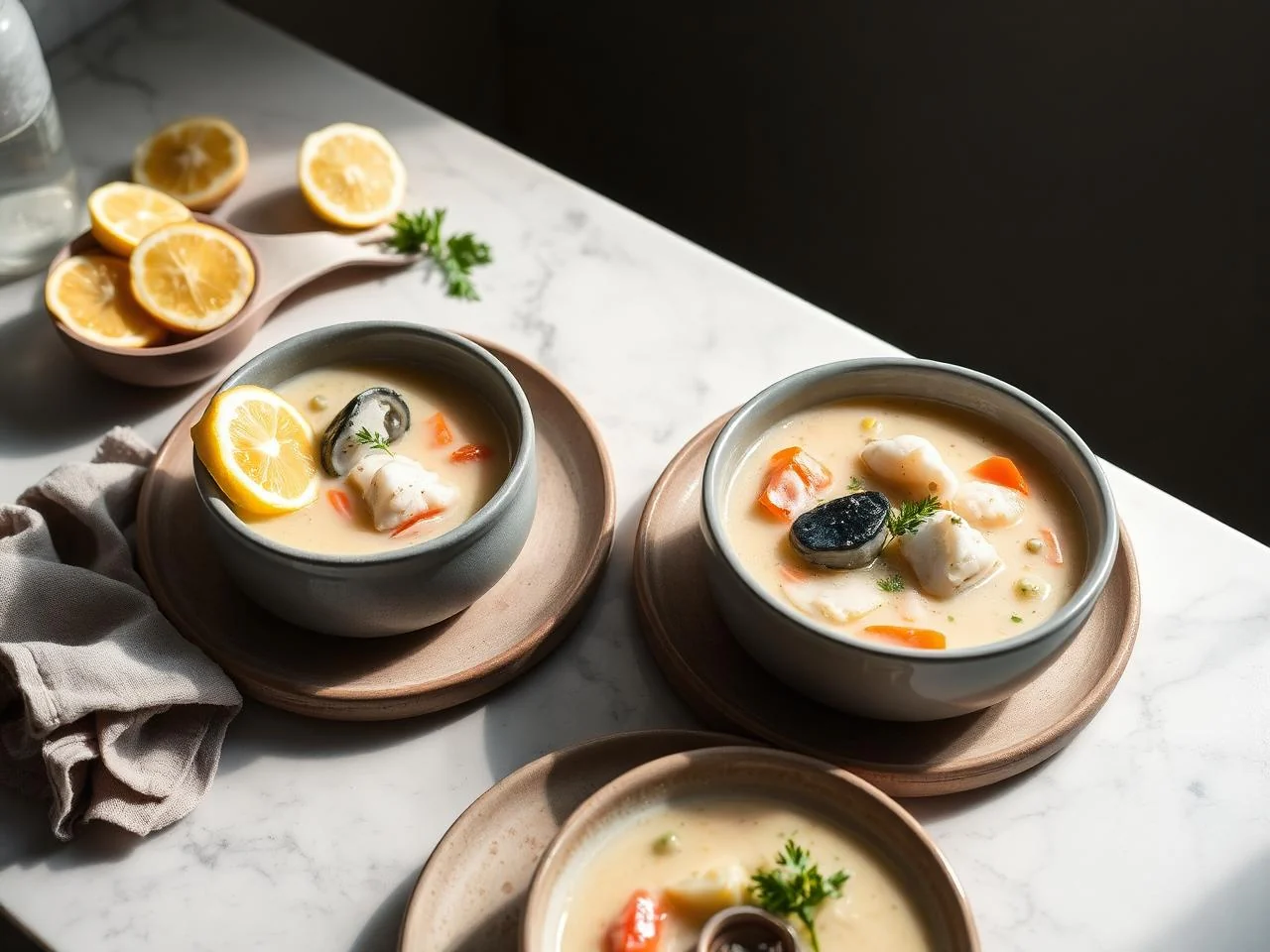
I still remember the first time I tasted a traditional New Hampshire Fish Chowder. It was a chilly autumn evening, and my family had just returned from a day of exploring the coast. My mother, an avid cook, had prepared a big pot of this comforting, flavorful stew, filled with tender chunks of fish, potatoes, and onions. The aroma wafting from the kitchen was irresistible, and we all gathered around the table, eager to taste the fruits of her labor.
As we sat down to eat, I was struck by the simplicity and elegance of this dish. The combination of fresh seafood, creamy milk, and subtle spices created a rich, satisfying flavor profile that was both soothing and invigorating. From that moment on, I was hooked on New Hampshire Fish Chowder, and I've spent years perfecting my own recipe to share with friends and family.
This recipe is perfect for anyone looking to create a delicious, comforting meal without a lot of fuss. The ingredients are readily available, and the steps are easy to follow, making it an ideal choice for a weeknight dinner or special occasion. Whether you're a seasoned cook or just starting out, you'll love the simplicity and flavor of this traditional New Hampshire Fish Chowder.
One of the things that sets this recipe apart is the use of fresh, sustainable seafood. I recommend using cod, haddock, or halibut for the best flavor and texture. You can also add other types of fish or seafood, such as shrimp or scallops, to create a unique and delicious variation.
Another key element of this recipe is the use of aromatics, such as onions and garlic, to add depth and complexity to the flavor. These ingredients are sautéed in butter to create a rich, savory base that enhances the overall flavor of the dish.
Why You’ll Love This Recipe
- This recipe is easy to make and requires minimal preparation time, making it perfect for a weeknight dinner.
- The dish is highly customizable, allowing you to add your favorite types of fish or seafood to create a unique flavor profile.
- The combination of tender fish, creamy milk, and crunchy potatoes creates a satisfying and filling meal that's perfect for any occasion.
- The recipe is budget-friendly and can be made with readily available ingredients, making it an excellent choice for families or large groups.
- The dish can be made ahead of time and refrigerated or frozen for later use, making it a great option for meal planning and prep.
- The recipe is perfect for special occasions, such as holidays or parties, and can be served with a variety of sides and garnishes to add a touch of elegance.
Why This Recipe Works
The key to a great New Hampshire Fish Chowder is the balance of flavors and textures. The combination of tender fish, creamy milk, and crunchy potatoes creates a satisfying and filling meal that's perfect for any occasion. The use of aromatics, such as onions and garlic, adds a depth and complexity to the flavor that elevates the dish to a whole new level.
Another important aspect of this recipe is the cooking technique. The fish is cooked in a gentle, simmering broth that helps to preserve its delicate flavor and texture. The potatoes and onions are cooked until they're tender, but still crisp, adding a nice contrast in texture to the dish.
The seasoning in this recipe is also carefully balanced to enhance the natural flavors of the ingredients. A pinch of salt, a grind of pepper, and a sprinkle of paprika add a subtle depth and warmth to the flavor without overpowering the other ingredients.
Finally, the resting time is crucial in allowing the flavors to meld together and the fish to absorb the flavorful broth. This step may seem simple, but it's essential in creating a dish that's truly greater than the sum of its parts.
Ingredients You’ll Need
When it comes to making a great New Hampshire Fish Chowder, the ingredients are just as important as the technique. You'll want to use fresh, sustainable seafood, such as cod, haddock, or halibut, and combine it with aromatics like onions and garlic to create a rich, savory base.
Other key ingredients include potatoes, milk, and butter, which add creaminess and depth to the dish. You'll also want to have some salt, pepper, and paprika on hand to season the chowder to taste.
- 1 lb (450g) cod, cut into 1-inch piecesCod is a firm, flaky fish that holds up well to cooking and adds a nice texture to the chowder. You can also use haddock or halibut as a substitute.
- 2 medium onions, dicedOnions add a sweet, caramelized flavor to the chowder and help to balance out the savory flavors of the fish and potatoes.
- 3 cloves garlic, mincedGarlic adds a pungent, aromatic flavor to the chowder and helps to enhance the overall flavor profile.
- 2 medium potatoes, peeled and dicedPotatoes add a nice contrast in texture to the chowder and help to thicken the broth. You can use Russet or Yukon Gold potatoes for this recipe.
- 1 cup (250ml) milkMilk adds a creamy, rich texture to the chowder and helps to balance out the flavors. You can use whole, low-fat, or non-fat milk, depending on your preference.
- 2 tbsp (30g) butterButter adds a rich, savory flavor to the chowder and helps to enhance the overall flavor profile. You can also use margarine or a non-dairy substitute if you prefer.
- 1 tsp (5g) saltSalt helps to bring out the flavors of the ingredients and adds a touch of savory flavor to the chowder. You can use kosher or sea salt for this recipe.
- 1/2 tsp (2g) black pepperPepper adds a subtle, warming flavor to the chowder and helps to balance out the flavors. You can use freshly ground pepper for the best flavor.
- 1/4 tsp (1g) paprikaPaprika adds a smoky, slightly sweet flavor to the chowder and helps to enhance the overall flavor profile. You can use sweet or smoked paprika, depending on your preference.
- 2 tbsp (30g) chopped fresh parsleyParsley adds a fresh, bright flavor to the chowder and helps to balance out the rich, savory flavors. You can use curly or flat-leaf parsley for this recipe.
Equipment You’ll Need
How to Make New Hampshire Fish Chowder
- 1Rinse the cod pieces under cold water, pat them dry with paper towels, and set them aside on a plate.
- 2In a large heavy pot or Dutch oven, melt 1 tablespoon of butter over medium heat. Add the diced onions and cook, stirring occasionally, until they're softened and caramelized, about 8-10 minutes.
- 3Add the minced garlic to the pot and cook, stirring constantly, for 1-2 minutes, until fragrant.
- 4Add the diced potatoes to the pot and cook, stirring occasionally, for 5-7 minutes, until they're slightly tender.
- 5Pour in the milk and add the cod pieces to the pot. Season with salt, pepper, and paprika, and stir gently to combine.
- 6Bring the mixture to a simmer and cook, stirring occasionally, until the fish is cooked through and flakes easily with a fork, about 8-10 minutes, or until it reaches an internal temperature of 145 F (63 C). Check the temperature with an instant-read thermometer in the thickest part of the fish.
- 7Remove the pot from the heat and let it rest for 5-10 minutes, allowing the flavors to meld together and the fish to absorb the flavorful broth.
- 8Stir in the remaining 1 tablespoon of butter until it's melted and the chowder is creamy and smooth.
- 9Taste and adjust the seasoning as needed, adding more salt, pepper, or paprika to taste.
- 10Serve the chowder hot, garnished with chopped fresh parsley and crusty bread on the side, if desired.
- 11Let the chowder rest for a few minutes before serving to allow the flavors to settle and the fish to retain its moisture.
Expert Tips
- Use fresh, sustainable seafood for the best flavor and texture.
- Don't overcook the fish, as it can become tough and dry.
- Add aromatics like onions and garlic to create a rich, savory base.
- Use a variety of potatoes, such as Russet or Yukon Gold, for a nice contrast in texture.
- Don't be afraid to experiment with different seasonings and spices to create a unique flavor profile.
- Let the chowder rest for a few minutes before serving to allow the flavors to settle and the fish to retain its moisture.
- Serve the chowder with a variety of sides, such as crusty bread or a green salad, to add a touch of elegance.
Common Mistakes to Avoid
- Overcooking the fish, which can make it tough and dry.
- Not using enough aromatics, such as onions and garlic, which can result in a bland flavor.
- Not seasoning the chowder enough, which can make it taste flat and uninteresting.
- Not letting the chowder rest before serving, which can cause the fish to become dry and the flavors to become unbalanced.
- Using low-quality ingredients, such as frozen or canned fish, which can affect the flavor and texture of the dish.
Variations and Substitutions
- Adding other types of fish or seafood, such as shrimp or scallops, to create a unique flavor profile.
- Using different types of potatoes, such as sweet potatoes or Yukon Gold, to add a contrast in texture.
- Adding other aromatics, such as leeks or carrots, to create a rich, savory base.
- Using different seasonings, such as paprika or cayenne pepper, to add a smoky or spicy flavor.
- Serving the chowder with a variety of sides, such as crusty bread or a green salad, to add a touch of elegance.
- Using a non-dairy milk, such as almond or soy milk, to create a creamy and rich texture.
What to Serve With New Hampshire Fish Chowder
Serve the New Hampshire Fish Chowder hot, garnished with chopped fresh parsley and crusty bread on the side, if desired. You can also serve it with a variety of sides, such as a green salad or roasted vegetables, to add a touch of elegance.
Some other serving suggestions include:
Make-Ahead, Storage, Freezing and Reheating
The New Hampshire Fish Chowder can be refrigerated for up to 3 days or frozen for up to 2 months. To refrigerate, let the chowder cool to room temperature, then cover it with plastic wrap or aluminum foil and store it in the refrigerator.
To freeze, let the chowder cool to room temperature, then transfer it to an airtight container or freezer bag and store it in the freezer. When you're ready to serve, simply thaw the chowder overnight in the refrigerator, then reheat it over low heat, stirring occasionally, until it's hot and creamy.
Some tips for reheating the chowder include:
Frequently Asked Questions
What type of fish is best to use for this recipe?
The best type of fish to use for this recipe is a firm, flaky fish such as cod, haddock, or halibut. You can also use other types of fish, such as salmon or tilapia, but they may have a slightly different flavor and texture.
Can I use frozen fish for this recipe?
While frozen fish can be used for this recipe, it's best to use fresh fish for the best flavor and texture. If you do use frozen fish, make sure to thaw it first and pat it dry with paper towels before using it in the recipe.
How long can I store the chowder in the refrigerator?
The chowder can be stored in the refrigerator for up to 3 days. Make sure to let it cool to room temperature before covering it with plastic wrap or aluminum foil and storing it in the refrigerator.
Can I freeze the chowder?
Yes, you can freeze the chowder for up to 2 months. Let it cool to room temperature, then transfer it to an airtight container or freezer bag and store it in the freezer. When you're ready to serve, simply thaw the chowder overnight in the refrigerator, then reheat it over low heat, stirring occasionally, until it's hot and creamy.
What are some good sides to serve with the chowder?
Some good sides to serve with the chowder include crusty bread, a green salad, or roasted vegetables. You can also serve it with a variety of other sides, such as crackers or oyster crackers, to add a touch of elegance.
Can I make the chowder ahead of time?
Yes, you can make the chowder ahead of time and refrigerate or freeze it until you're ready to serve. Simply let it cool to room temperature, then cover it with plastic wrap or aluminum foil and store it in the refrigerator or freezer.
How do I reheat the chowder?
To reheat the chowder, simply place it over low heat, stirring occasionally, until it's hot and creamy. You can also reheat it in the microwave, but be careful not to overheat it, as this can cause the fish to become tough and dry.
Can I use a non-dairy milk for this recipe?
Yes, you can use a non-dairy milk, such as almond or soy milk, for this recipe. Simply substitute the non-dairy milk for the regular milk and proceed with the recipe as instructed.
Ingredients
- 1 lb (450g) cod, cut into 1-inch pieces
- 2 medium onions, diced
- 3 cloves garlic, minced
- 2 medium potatoes, peeled and diced
- 1 cup (250ml) milk
- 2 tbsp (30g) butter
- 1 tsp (5g) salt
- 1/2 tsp (2g) black pepper
- 1/4 tsp (1g) paprika
- 2 tbsp (30g) chopped fresh parsley
Instructions
- Rinse the cod pieces under cold water, pat them dry with paper towels, and set them aside on a plate.
- In a large heavy pot or Dutch oven, melt 1 tablespoon of butter over medium heat. Add the diced onions and cook, stirring occasionally, until they're softened and caramelized, about 8-10 minutes.
- Add the minced garlic to the pot and cook, stirring constantly, for 1-2 minutes, until fragrant.
- Add the diced potatoes to the pot and cook, stirring occasionally, for 5-7 minutes, until they're slightly tender.
- Pour in the milk and add the cod pieces to the pot. Season with salt, pepper, and paprika, and stir gently to combine.
- Bring the mixture to a simmer and cook, stirring occasionally, until the fish is cooked through and flakes easily with a fork, about 8-10 minutes, or until it reaches an internal temperature of 145 F (63 C). Check the temperature with an instant-read thermometer in the thickest part of the fish.
- Remove the pot from the heat and let it rest for 5-10 minutes, allowing the flavors to meld together and the fish to absorb the flavorful broth.
- Stir in the remaining 1 tablespoon of butter until it's melted and the chowder is creamy and smooth.
- Taste and adjust the seasoning as needed, adding more salt, pepper, or paprika to taste.
- Serve the chowder hot, garnished with chopped fresh parsley and crusty bread on the side, if desired.
- Let the chowder rest for a few minutes before serving to allow the flavors to settle and the fish to retain its moisture.