
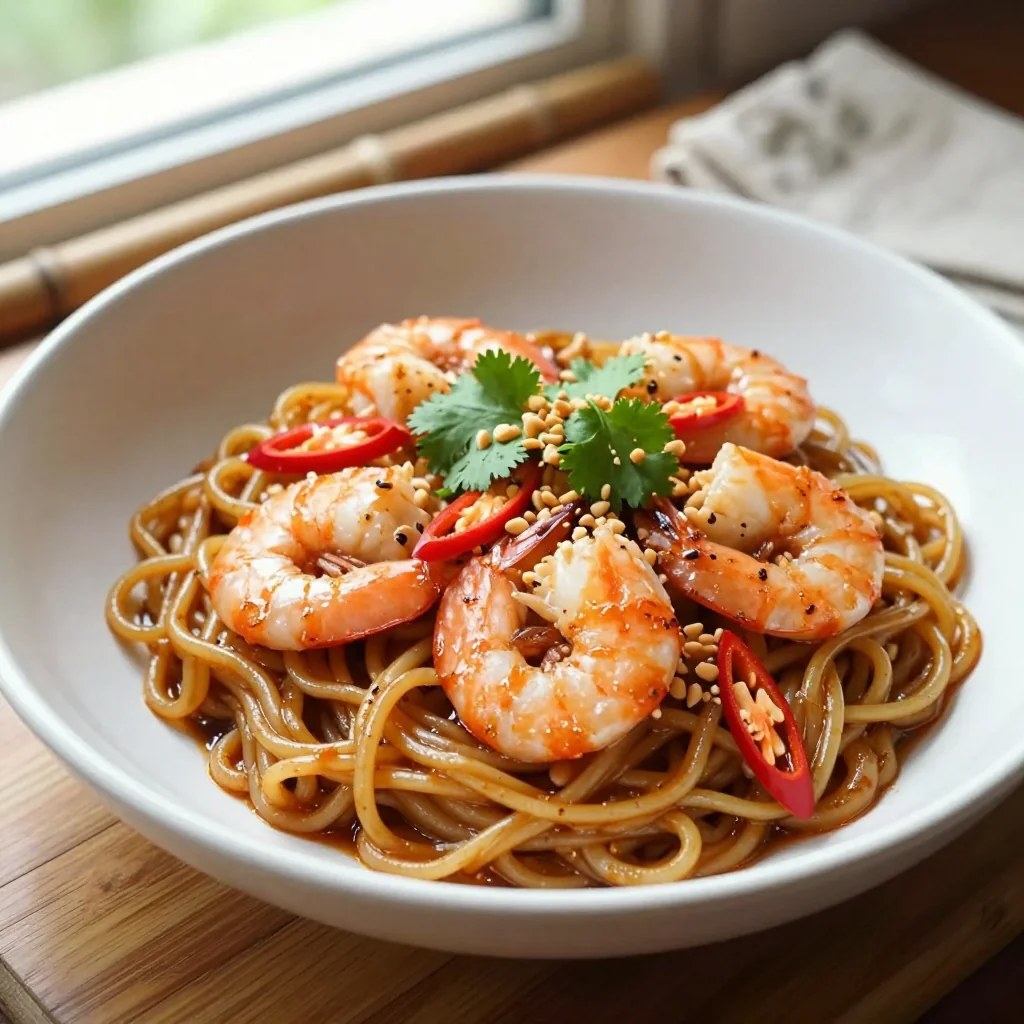
A vibrant, creamy bowl that brings together the smoky sweetness of grilled shrimp with the nutty depth of Thai peanut sauce.
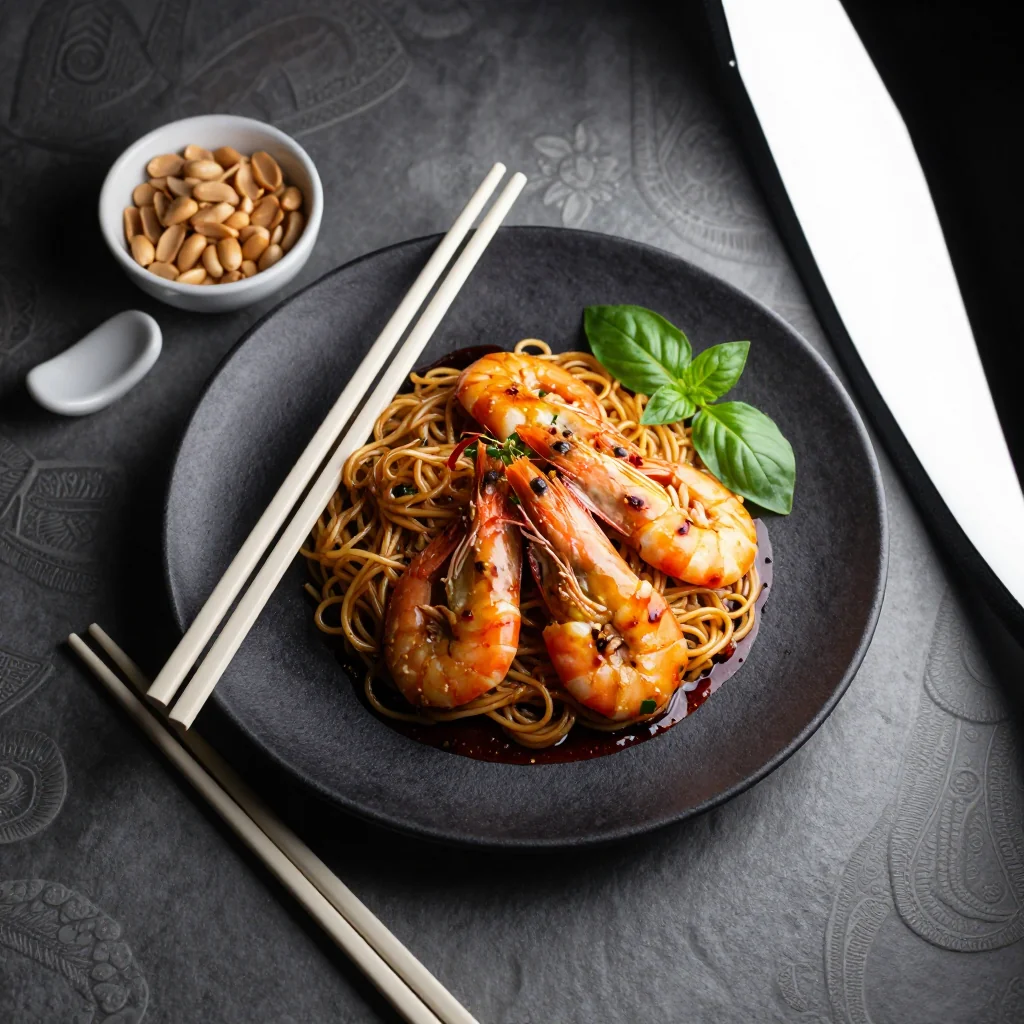
The first time I tasted a bowl of Thai peanut noodles, I was transported back to a bustling night market in Bangkok, where the air was thick with the aroma of sizzling seafood and fragrant herbs. I remember watching a street vendor expertly grill shrimp over a charcoal flame, the sizzle echoing like a promise of flavor. The moment those plump, pink shrimp met the silky, nutty sauce, I knew I had to recreate that magic in my own kitchen.
This dish is a celebration of balance: the richness of peanut butter, the bright acidity of lime, the gentle heat of sriracha, and the fresh crunch of vegetables. It draws inspiration from traditional Thai flavors while embracing the convenience of pantry staples, making it perfect for any season.
In this guide, I’ll walk you through every step—from marinating the shrimp to mastering the perfect noodle texture—so you can serve a restaurant‑quality meal at home without any guesswork. You’ll learn why each ingredient matters, how to adjust the spice level, and tips for plating that will impress even the most discerning guests.
Grab your wok, fire up the grill, and let’s dive into a culinary adventure that’s as colorful as it is delicious.
🌟 Why This Recipe Will Captivate You
From the first bite to the lingering finish, this dish delivers layers of texture and flavor that keep you coming back for more.
- ✨ Perfect Harmony of Sweet, Salty, and Spicy: The peanut sauce balances honey’s sweetness with soy’s umami and sriracha’s gentle heat, creating a flavor profile that excites the palate without overwhelming it.
- ✨ Quick, Weeknight Friendly: With a total cook time under 40 minutes, you can have a gourmet‑style dinner on the table even after a busy day.
- ✨ Nutrient‑Rich and Satisfying: Shrimp provides lean protein, while fresh carrots and cucumber add crunch, vitamins, and fiber, making the meal both hearty and health‑conscious.
- ✨ Customizable Spice Level: Adjust the amount of sriracha or add fresh chili slices for a bold kick, or tone it down for a milder version that still delivers depth.
- ✨ Visually Stunning: The vibrant colors of the sauce, vegetables, and garnishes turn any dinner table into a feast for the eyes.
- ✨ Crowd‑Pleaser for All Ages: The creamy sauce appeals to kids, while the nuanced Thai flavors keep adults intrigued, making it an ideal family or entertaining dish.
🥗 Ingredients
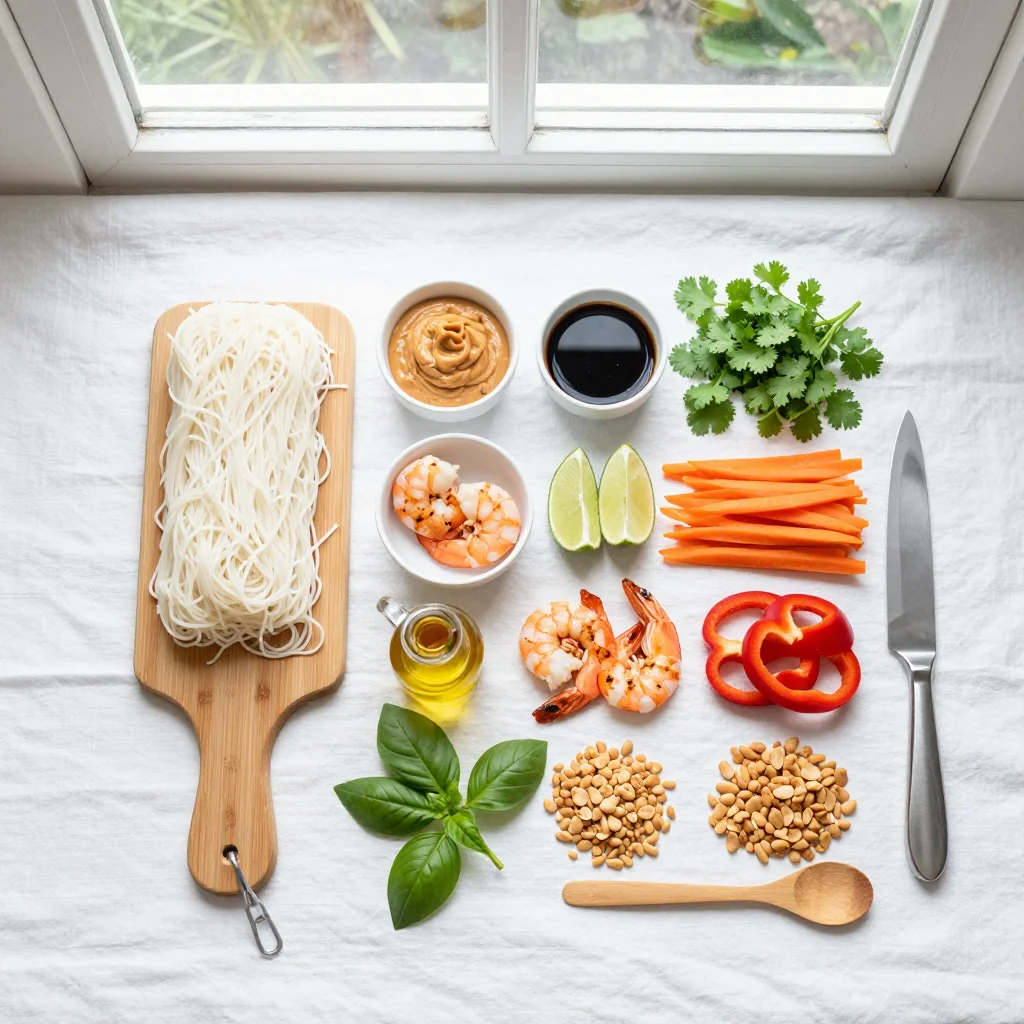
📝 Complete Ingredient List
For the Noodles:
- 225 g rice noodles
- 2 tbsp vegetable oil (for boiling noodles)
For the Shrimp:
- 340 g large shrimp, peeled and deveined
- 5 ml sesame oil
- ½ tsp salt (to taste)
- ¼ tsp black pepper
For the Peanut Sauce:
- 30 g smooth peanut butter
- 30 ml soy sauce (low‑sodium)
- 15 ml fresh lime juice
- 21 g honey
- 5 ml sriracha (adjust for heat)
- 2 cloves garlic, minced
- 5 g fresh ginger, grated
- ¼ cup warm water (to thin sauce)
For the Garnish:
- 100 g shredded carrots
- 100 g cucumber, thinly sliced
- 30 g chopped peanuts
- 2 stalks green onions, sliced
- 15 g fresh cilantro, chopped
- 4 wedges lime (optional)
🔍 Focus on Key Ingredients
Rice Noodles
Rice noodles are the backbone of this dish, providing a light, slightly chewy texture that absorbs the sauce beautifully. Choose a medium‑width noodle (often labeled “flat rice noodles”) for optimal bite. Rinse them in cold water after boiling to stop the cooking process and keep them from sticking together.
Shrimp
Shrimp brings a sweet, briny flavor and a firm yet tender bite when grilled correctly. Look for shrimp that are firm to the touch and have a translucent pink hue before cooking. Pat them dry before seasoning; excess moisture can cause steaming instead of grilling, which would reduce that desirable char.
Peanut Butter
Using a natural, unsweetened peanut butter ensures the sauce remains rich without unwanted added sugars. The smooth texture creates a velvety coating that clings to each noodle strand. If you prefer a slightly chunkier texture, stir in a spoonful of crushed peanuts at the end.
🔄 Quick Substitutions
| If you don’t have... | Use instead... |
|---|---|
| Rice noodles | Gluten‑free linguine or soba noodles |
| Shrimp | Chicken breast strips or tofu cubes |
| Peanut butter | Almond butter or cashew butter |
👨🍳 Step‑by‑Step Instructions
Follow these detailed steps to achieve perfectly grilled shrimp, silky noodles, and a balanced sauce that brings everything together in harmony.
📋 Phase 1: Preparation & Mise en Place
Gather, measure, and prep all components before you start cooking.
Prepare the Noodles
Bring a large pot of water to a rolling boil, add a pinch of salt, and stir in the rice noodles. Cook according to package instructions—usually 5–7 minutes—until they are al dente. Drain, rinse under cold running water, and toss with a drizzle of vegetable oil to prevent sticking. Set aside in a wide bowl.
Marinate the Shrimp
In a shallow dish, combine the shrimp with sesame oil, a pinch of salt, and black pepper. Toss gently to coat, then let sit for 10 minutes while you finish the sauce. This brief marination infuses the shrimp with subtle nuttiness and ensures even seasoning.
🔥 Phase 2: Grilling & Sauce Assembly
Cook the shrimp to perfection and blend a silky sauce.
Grill the Shrimp
Preheat a grill pan or outdoor grill to medium‑high heat. Place the shrimp in a single layer and grill for 2–3 minutes per side, until they turn pink and develop a light char. Remove from heat and set aside on a plate; keep warm.
Make the Peanut Sauce
In a medium saucepan, whisk together peanut butter, soy sauce, lime juice, honey, sriracha, minced garlic, and grated ginger. Add warm water a tablespoon at a time, stirring until the sauce reaches a pourable consistency—smooth, glossy, and slightly thick. Taste and adjust salt or sweetness as needed.
Combine Noodles and Sauce
Transfer the cooled noodles back into the large bowl, pour the warm peanut sauce over them, and toss gently until every strand is evenly coated. The sauce should cling without pooling; if it looks too thick, add a splash more warm water.
✨ Phase 3: Finishing Touches & Plating
Add fresh vegetables, garnish, and serve.
Mix in Fresh Vegetables
Gently fold in shredded carrots, sliced cucumber, and half of the chopped peanuts. The vegetables add crunch and a burst of freshness that balances the richness of the sauce.
Plate the Dish
Divide the noodle mixture among four shallow bowls. Arrange three grilled shrimp on top of each serving. Sprinkle with the remaining peanuts, sliced green onions, and cilantro. Add a lime wedge on the side for an extra zing if desired.
Serve Immediately
Serve the noodles warm, encouraging diners to squeeze fresh lime over the top. Pair with a chilled Thai iced tea or a crisp Sauvignon Blanc for a complete experience.
💡 Expert Tips & Tricks
🛒 Choosing the Best Ingredients
Opt for wild‑caught shrimp whenever possible; they tend to have a firmer texture and richer flavor compared to farmed varieties. When selecting rice noodles, check the expiration date and prefer those without added preservatives. For the peanut butter, a natural brand without added sugars or hydrogenated oils will give you a cleaner, more authentic taste. Fresh herbs are non‑negotiable—look for bright green cilantro with no yellowing, and choose limes that feel heavy for their size, indicating juiciness.
🔪 Preparation Techniques
Mince garlic and grate ginger just before you start cooking; their volatile oils lose potency if left too long. Use a micro‑plane for ginger to achieve a fine texture that integrates seamlessly into the sauce. When washing the vegetables, pat them dry thoroughly; excess water can dilute the sauce during the final toss. Finally, keep all your tools (tongs, whisk, spatula) within arm’s reach to maintain a smooth workflow.
🌡️ Mastering the Cooking Process
Pre‑heat your grill pan until a drop of water sizzles and evaporates instantly—this ensures a quick sear on the shrimp, locking in juices. While simmering the sauce, maintain a gentle heat; boiling can cause the peanut butter to separate, resulting in a grainy texture. If the sauce begins to thicken too quickly, whisk in a teaspoon of warm water at a time until it reaches the desired consistency.
🍽️ Presentation & Service
Use wide, shallow bowls to showcase the glossy noodles and colorful garnishes. Arrange the shrimp in a fan shape for visual appeal, and drizzle a thin line of extra sauce around the rim for a restaurant‑style finish. Finish each plate with a light dusting of crushed peanuts and a sprig of cilantro for a pop of green that ties the dish together.
🏆 Pro Tips
Elevate this dish from home‑cooked comfort to a polished culinary showcase with these professional insights.
- 🎯 Balance the Sweet‑Sour Ratio: The key to a harmonious Thai peanut sauce lies in the 3:2:1 ratio of peanut butter, lime juice, and honey. This proportion creates a sweet‑sour equilibrium that highlights the umami of soy sauce without overwhelming the palate.
- 🎯 Control Heat with Layered Spice: Instead of dumping a lot of sriracha at once, start with half the amount, taste, then add more gradually. This method lets you fine‑tune the heat while preserving the sauce’s silky texture.
- 🎯 Use a Hot Wok for Quick Tossing: A well‑heated wok creates a slight sear on the noodles, adding a subtle smoky note that mimics street‑food stalls. Toss the noodles for no more than 30 seconds to avoid over‑cooking.
- 🎯 Finish with a Splash of Aromatic Oil: Drizzle a teaspoon of toasted sesame oil just before plating. The oil adds depth and a lingering nutty aroma that elevates every bite.
- 🎯 Garnish with Textural Contrast: Combine crunchy peanuts with soft cilantro. The contrast of textures makes each forkful more interesting and prevents monotony.
- 🎯 Serve Immediately for Optimal Texture: The noodles will continue to absorb sauce if left to sit, becoming soggy. Serve within five minutes of plating for the best mouthfeel.
"The secret to great Thai food is balance—sweet, salty, sour, and spicy must dance together." — Chef Thanaporn Srisuk, Michelin‑starred Thai Restaurant
🔄 Variations & Adaptations
The core of this recipe is versatile, allowing you to tailor it to dietary preferences, flavor cravings, or seasonal produce.
🥬 Vegetarian / Vegan Version
Replace the shrimp with firm tofu cubes or tempeh strips. Marinate tofu in the same sesame oil, salt, and pepper mixture, then grill or pan‑sear until golden. For a fully vegan sauce, swap honey for maple syrup or agave nectar, and ensure the peanut butter contains no added dairy.
- Tofu substitution: 350 g firm tofu, pressed and cubed
- Vegan sweetener: 21 g maple syrup instead of honey
🌶️ Flavor Variations
Play with additional aromatics or regional twists to keep the dish fresh and exciting.
Spicy Version
Increase sriracha to 2 tsp, add 1 tsp of Thai bird’s eye chilies, and finish with a drizzle of chili oil for an extra punch.
Mediterranean Version
Substitute soy sauce with a splash of white wine vinegar, add sun‑dried tomatoes, and garnish with toasted pine nuts instead of peanuts for a Mediterranean flair.
Asian Fusion Version
Incorporate a tablespoon of hoisin sauce, a pinch of five‑spice powder, and garnish with fried shallots for a deeper umami profile.
⚠️ Dietary Adjustments
Gluten‑Free
Use certified gluten‑free soy sauce and ensure the peanut butter contains no added wheat starch. Rice noodles are naturally gluten‑free.
Lactose‑Free
This recipe is already lactose‑free; just double‑check that any processed peanut butter doesn’t contain hidden dairy.
Low‑Calorie
Reduce the amount of honey to 1 tsp, replace peanuts with a sprinkle of toasted sesame seeds, and use spiralized zucchini noodles for half the portion to cut calories without sacrificing volume.
👶 Family / Kid‑Friendly Version
Kids often prefer milder flavors. Cut the sriracha in half, add a splash of orange juice for a sweet citrus note, and serve the noodles with a side of sliced fruit. Encourage little hands to help sprinkle the peanuts—making them part of the cooking process increases their enthusiasm for the meal.
📦 Storage & Reheating
🧊 Conservation
Refrigerator:
- Duration: 3 days
- Recommended container: Airtight glass or BPA‑free plastic container
- Tip: Store sauce separately if possible to prevent noodles from becoming soggy.
Freezer:
- Duration: 1 month
- Method: Portion noodles and sauce in freezer‑safe bags; keep shrimp in a separate bag.
- Defrosting: Transfer to refrigerator overnight, then reheat gently on the stove.
💡 For best texture, reheat the noodles and sauce together, and add fresh vegetables after reheating.
♨️ Reheating
🔥 Oven (Recommended):
- Preheat to 180°C (350°F).
- Cover the dish with foil to retain moisture.
- Heat for 10‑12 minutes, stirring halfway.
- Remove foil, add a splash of water, and heat an additional 2‑3 minutes to loosen the sauce.
⚡ Microwave (Quick):
- Place portion in a microwave‑safe bowl, cover loosely.
- Heat on medium power for 1 minute, stir.
- Continue in 30‑second intervals until hot.
🍳 Stovetop:
Add a tablespoon of broth or water to a skillet, toss the noodles and shrimp over medium heat, stirring constantly until warmed through. This method restores the sauce’s silkiness.
🍷 Perfect Pairings
🥗 Side Dishes
- Thai Cucumber Salad: Lightly pickled cucumber with rice vinegar, sugar, and a hint of chili offers a crisp contrast.
- Steamed Edamame with Sea Salt: Provides protein and a satisfying bite without competing flavors.
- Fresh Mango Salsa: Sweet mango, red onion, and lime add tropical brightness that complements the nutty sauce.
🍷 Wine & Beverage Matches
- Riesling (off‑dry): Its subtle sweetness balances the heat from sriracha and highlights the lime’s acidity.
- Sauvignon Blanc: Crisp acidity cuts through the richness of the peanut butter.
- Non‑Alcoholic: Thai iced tea or a sparkling lemongrass agua fresca refreshes the palate.
🍰 To Complete the Meal
Start with a light miso soup or a clear vegetable broth, then enjoy a dessert of coconut‑lime panna cotta topped with toasted coconut flakes. The light, fragrant finish mirrors the tropical notes of the main course while providing a gentle sweet end.
❓ Frequently Asked Questions
Q: Can I use other types of noodles?
Absolutely. While rice noodles give the authentic texture, you can substitute them with gluten‑free linguine, soba (buckwheat) noodles, or even spiralized zucchini for a lower‑carb version. Just adjust the cooking time according to the noodle type to avoid over‑cooking.
Q: How do I make the sauce less spicy?
Reduce or omit the sriracha, and add a bit more honey or a splash of coconut milk to mellow the heat. You can also incorporate a teaspoon of peanut butter extra, which naturally tones down spiciness while enhancing creaminess.
Q: What’s the best way to store the sauce?
Store the sauce in an airtight jar in the refrigerator for up to five days. Give it a good stir before using, as the oil may separate. If it thickens too much, whisk in a little warm water or broth to restore the original consistency.
Q: My noodles turned mushy—what went wrong?
Over‑cooking is the most common culprit. Cook the noodles just until al dente, then rinse them under cold water to stop the cooking process. Toss them with a bit of oil to keep them separate before adding the sauce.
Q: Can I prepare this recipe ahead of time?
Yes. Prepare the sauce and grill the shrimp up to 2 hours in advance. Keep them refrigerated separately, then combine with freshly cooked noodles right before serving. This approach preserves the shrimp’s texture and the noodles’ bite.
Q: How can I make the dish gluten‑free?
Use gluten‑free soy sauce or tamari, and verify that the peanut butter contains no added wheat starch. All other ingredients are naturally gluten‑free, making the conversion straightforward.
🎉 Let’s Get Cooking!
Thai Peanut Noodles with Grilled Shrimp bring together the bold flavors of Thailand with the comforting familiarity of pasta. The creamy, nutty sauce, the smoky shrimp, and the crisp vegetables create a symphony of textures that will delight every guest at your table. Whether you’re cooking for a quick weekday dinner or impressing friends at a weekend gathering, this recipe delivers restaurant‑quality results with minimal fuss.
I hope you enjoy the process as much as the final dish. Feel free to experiment with the variations, share your personal twists, and let the flavors inspire new culinary adventures. Happy cooking!
Have you tried this recipe?
Leave a comment and rating below! Share your photos on Instagram with #ThaiPeanutNoodles for a chance to be featured.
Thai Peanut Noodles with Grilled Shrimp
A vibrant, creamy bowl that blends smoky shrimp with a rich Thai peanut sauce.