Picture this: it’s a cold Tuesday evening, the kind where the wind whistles through the cracks of your windows and you’re stuck scrolling through endless recipe blogs, trying to find something that actually feels like a hug in a bowl. I was halfway through a marathon of “quick weeknight dinners” when my roommate dared me to make something that would make even the most stubborn food critic weep with joy. I laughed, I accepted, and I set out on a culinary adventure that ended with a pot of liquid gold, a tray of caramelized cauliflower crumbles, and a kitchen that smelled like an autumn market on steroids. That moment of triumph? It was the birth of what I now call the ultimate Sweet Potato Soup with Roasted cauliflower crumbles.
The first spoonful hit me like a warm blanket on a frosty night—silky sweet potato puree, a whisper of coconut cream, and that smoky, nutty crunch from the roasted cauliflower that made every bite feel like a textural symphony. I could practically hear the soup singing, “I’m the comfort you didn’t know you needed.” Most recipes I’ve tried either drown the sweet potato in too much spice or forget the crucial contrast of a crunchy topping. This version, however, balances the mellow earthiness of the tuber with a bold, caramelized finish that makes the palate dance. I’m daring you to taste this and not go back for seconds—trust me, you’ll be begging for more.
What truly sets this soup apart is a secret technique I stumbled upon while watching a late‑night cooking show: roasting the cauliflower at a high temperature until it turns into tiny, crispy crumbles that behave like edible confetti. Most people would simply sauté the cauliflower or skip it entirely, but the high‑heat roast creates a flavor depth that’s impossible to achieve otherwise. And while we’re talking secrets, I’m also throwing in a dash of fresh thyme right at the end, just to give the broth a whisper of herbaceous brightness that cuts through the richness. The result? A bowl that feels both indulgent and surprisingly light, like a cloud that’s been lightly dusted with caramel.
Now, I’ll be honest — I ate half the batch before anyone else got a chance to try it. That’s the kind of soup that disappears faster than a pop‑up sale on a Saturday night. But that’s okay, because I’m here to walk you through every single step — by the end, you’ll wonder how you ever made it any other way. Ready for the game‑changer? Let’s dive in, and remember: stay with me here — this is worth it.
What Makes This Version Stand Out
- Depth of Flavor: The combination of sweet potatoes, coconut milk, and smoked paprika creates a layered taste that evolves with each spoonful, moving from sweet to smoky to creamy without ever feeling one‑dimensional.
- Texture Contrast: The roasted cauliflower crumbles add a crunchy surprise that shatters like thin ice, providing a delightful counterpoint to the velvety soup base.
- Simplicity Meets Sophistication: With just a handful of pantry staples and a few fresh herbs, you can achieve a restaurant‑level dish without spending hours in the kitchen.
- Ingredient Quality: Using fresh, organic sweet potatoes and a high‑heat roast for the cauliflower ensures natural sweetness and a caramelized edge that bottled flavorings can’t mimic.
- Crowd‑Pleaser: Whether you’re feeding vegans, vegetarians, or meat‑eaters, this soup’s balanced profile wins over every palate, making it the perfect starter or main.
- Make‑Ahead Potential: The soup stores beautifully, and the crumbles stay crisp if re‑roasted, meaning you can prep ahead and still serve a fresh‑tasting bowl.
- Seasonal Flexibility: While sweet potatoes scream autumn, the bright notes of ginger and thyme keep this dish relevant all year long.
- Health Boost: Packed with beta‑carotene, fiber, and healthy fats from coconut milk, it’s a nourishing powerhouse that feels like a treat.
Inside the Ingredient List
The Flavor Base
Sweet potatoes are the heart of this soup, providing natural sweetness and a buttery texture when pureed. Choose firm, orange‑fleshed spuds with smooth skins; they’ll roast evenly and release more sugars. If you skip them for a different root veg, expect a loss of that signature amber hue and a thinner mouthfeel. Swap tip: butternut squash works in a pinch, though the flavor will shift toward a nuttier profile.
Onions and garlic form the aromatic backbone. Dice the onion finely so it melts into the broth, and crush the garlic to release its pungent oils. Skipping these will leave the soup flat, like a song without a bass line. Pro tip: sauté them in olive oil until they turn translucent and start to caramelize—this adds a subtle sweetness that complements the sweet potatoes.
The Texture Crew
Roasted cauliflower crumbles are the secret weapon. Cut the cauliflower into bite‑size florets, toss with a drizzle of olive oil, salt, and a pinch of smoked paprika, then roast at 425°F (220°C) until golden and crisp. The high heat creates Maillard‑induced sugars that give each crumble a caramelized bite. If you over‑roast, they’ll turn bitter; under‑roast, and they’ll be soggy—watch the edges pull away from the tray for the perfect cue.
Coconut milk adds silk and a tropical whisper, balancing the earthiness of the potatoes. Opt for full‑fat cans for richness; light versions will make the soup feel watery. If you’re dairy‑free but avoid coconut, try oat cream for a similar mouthfeel without the coconut flavor.
The Unexpected Star
Ground ginger and cumin introduce a warm, slightly peppery undertone that lifts the soup from ordinary to extraordinary. Fresh ginger can be grated for a zingier punch, but the ground version integrates more evenly. A dash too much, however, can overwhelm the delicate sweet potato—measure carefully.
Fresh thyme leaves are added at the very end to preserve their bright, piney aroma. If you substitute dried thyme, use only a third of the amount, as dried herbs are more concentrated. Skipping thyme will make the broth feel one‑dimensional, missing that herbal lift.
The Final Flourish
Salt and freshly cracked black pepper are the final seasoning layers. Salt enhances every flavor, while pepper adds a gentle heat that lingers on the tongue. Taste as you go—remember, the roasted cauliflower will bring its own saltiness, so adjust accordingly.
Optional garnish: chopped cilantro or parsley adds a fresh, herbaceous finish that brightens the bowl. If you’re not a fan of cilantro, a sprinkle of toasted pumpkin seeds provides crunch without altering the flavor profile.
Everything’s prepped? Good. Let’s get into the real action…

The Method — Step by Step
Preheat your oven to 425°F (220°C). While the oven warms, line a baking sheet with parchment paper and spread the cauliflower florets in a single layer. Drizzle with 1 tablespoon of olive oil, sprinkle with smoked paprika, salt, and a pinch of black pepper. Toss to coat, then slide the tray into the oven. Roast for 20‑25 minutes, shaking the pan halfway through; you’ll hear that satisfying sizzle when the edges start to caramelize. Watch Out: If the cauliflower starts to brown too quickly, lower the temperature to 400°F to avoid bitterness.
While the cauliflower roasts, peel and cube the sweet potatoes into 1‑inch pieces. In a large pot, heat the remaining 1 tablespoon of olive oil over medium heat. Add the diced onion and sauté for 5‑6 minutes, stirring occasionally, until it becomes translucent and starts to turn golden at the edges. This is the moment where the aroma should fill your kitchen like a promise of comfort.
Stir in the minced garlic, ground cumin, ground ginger, and an extra pinch of smoked paprika. Cook for another 1‑2 minutes, letting the spices become fragrant—watch for the garlic to turn a light golden, not brown, to prevent bitterness. This is the flavor foundation that will later mingle with the sweet potatoes.
Add the cubed sweet potatoes to the pot, stirring to coat them in the aromatic oil and spices. Pour in the vegetable broth, ensuring the potatoes are fully submerged. Bring the mixture to a gentle boil, then reduce the heat to a simmer. Cover and let it cook for 15‑20 minutes, or until the sweet potatoes are fork‑tender. You’ll know they’re ready when a fork slides in with barely any resistance.
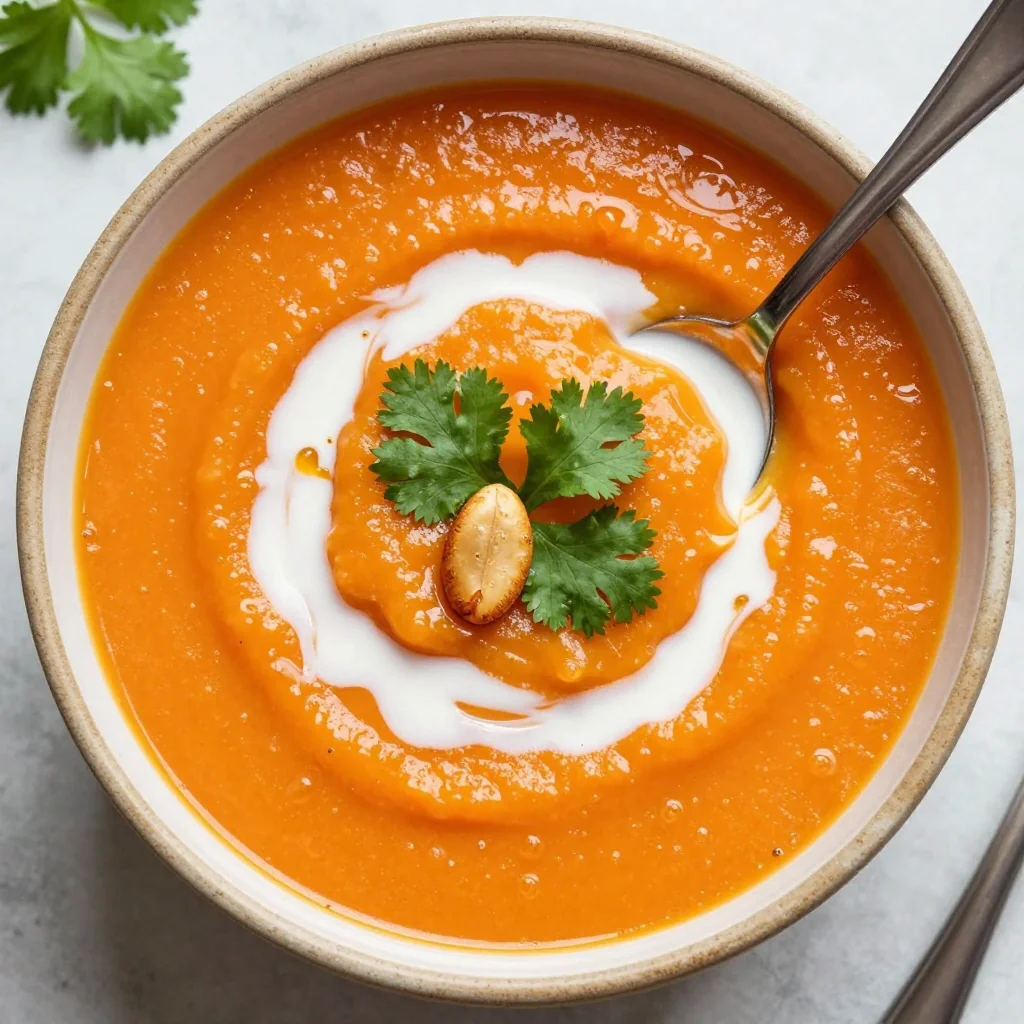
Once the potatoes are soft, remove the pot from heat. Using an immersion blender, blend the soup until silky smooth; if you prefer a chunkier texture, blend only half. For an extra‑creamy finish, stir in the coconut milk, allowing the broth to turn a luscious, pale orange hue. Taste and adjust seasoning with salt and pepper as needed.
While the soup rests for a few minutes, retrieve the roasted cauliflower from the oven. Let it cool slightly, then use your hands or a food processor to break the florets into bite‑size crumbles. The crumbles should be crunchy on the outside and tender inside—if they’re still soft, pop them back in the oven for another 5 minutes.
Return the pot to a low simmer. Stir in the fresh thyme leaves and let the soup warm for another 2‑3 minutes. This short, final simmer allows the herb to release its fragrance without becoming bitter. At this point, the soup should be a harmonious blend of sweet, smoky, and herbaceous notes.
To serve, ladle the soup into bowls, then generously top each with the roasted cauliflower crumbles. Finish with a drizzle of coconut milk, a sprinkle of chopped cilantro, and an optional pinch of smoked paprika for extra color. Picture yourself pulling this out of the oven, the whole kitchen smelling incredible—your guests will be blown away.
That’s it — you did it. But hold on, I’ve got a few more tricks that’ll take this to another level, from a secret finishing oil to a quick garnish that adds a pop of acidity. Stay tuned, because the next section is pure magic.
Insider Tricks for Flawless Results
The Temperature Rule Nobody Follows
Never start the soup on high heat; a gentle medium‑low simmer extracts flavors without scorching the sugars in the sweet potatoes. I once cranked the burner to high, and the broth turned a burnt amber, ruining the delicate balance. Keep the heat steady, and you’ll preserve that silky mouthfeel.
Why Your Nose Knows Best
The moment the onions turn translucent and the garlic releases its perfume is your cue to add the spices. If you wait too long, the spices can lose their potency; too early, and they’ll taste raw. Trust that aromatic signal—your nose is the ultimate timer.
The 5‑Minute Rest That Changes Everything
After blending, let the soup rest off the heat for five minutes. This pause allows the flavors to meld, much like letting a good wine breathe. Skipping this step leaves the soup tasting disjointed, as if the ingredients are still arguing.
Crunch Preservation Technique
To keep the cauliflower crumbles crunchy even after they sit in the soup for a few minutes, sprinkle them on just before serving and give them a quick flash under a broiler for 30 seconds. The extra heat re‑crystallizes the surface, ensuring every bite remains crisp.
Finishing Oil for a Luxurious Finish
Drizzle a spoonful of toasted sesame oil or a few drops of truffle oil right before serving. The oil adds a glossy sheen and a subtle umami depth that elevates the entire bowl. Use sparingly—a little goes a long way.
Creative Twists and Variations
This recipe is a playground. Here are some of my favorite ways to switch things up:
Spicy Sriracha Swirl
Add a teaspoon of sriracha to the broth before blending for a gentle heat that pairs beautifully with the sweet potato’s natural sweetness. Top with a drizzle of extra sriracha and a few sliced jalapeños for those who love a kick.
Apple‑Cinnamon Autumn
Stir in a grated Granny Smith apple and a pinch of ground cinnamon during the simmer. The apple adds a tangy brightness, while cinnamon brings a warm, festive note—perfect for holiday gatherings.
Thai‑Inspired Coconut Lime
Replace half of the vegetable broth with coconut water, and finish the soup with a splash of lime juice and a handful of fresh basil. The lime cuts through the richness, delivering a bright, tropical twist.
Smoky Bacon Crumble
For a non‑vegetarian version, crisp up diced bacon, crumble it, and use it instead of cauliflower. The smoky, salty crunch mirrors the cauliflower’s texture while adding a savory depth.
Root Vegetable Medley
Swap half of the sweet potatoes for roasted carrots or parsnips. The added earthiness creates a more complex flavor profile and a richer, amber‑colored broth.
Storing and Bringing It Back to Life
Fridge Storage
Transfer the soup to an airtight container and refrigerate for up to 4 days. Keep the cauliflower crumbles separate in a small zip‑lock bag to maintain crunch. When reheating, add a splash of water or broth to revive the silky texture.
Freezer Friendly
Cool the soup completely, then portion it into freezer‑safe bags or containers. It freezes beautifully for up to 3 months. Thaw overnight in the fridge, then reheat gently on the stovetop, stirring in a dash of coconut milk to restore creaminess.
Best Reheating Method
Reheat the soup over low heat, stirring frequently to prevent a skin from forming. Add a tablespoon of water or broth for every cup of soup you’re reheating; this steams the mixture back to its original velvety consistency. Toss the cauliflower crumbles back in just before serving to regain that satisfying crunch.