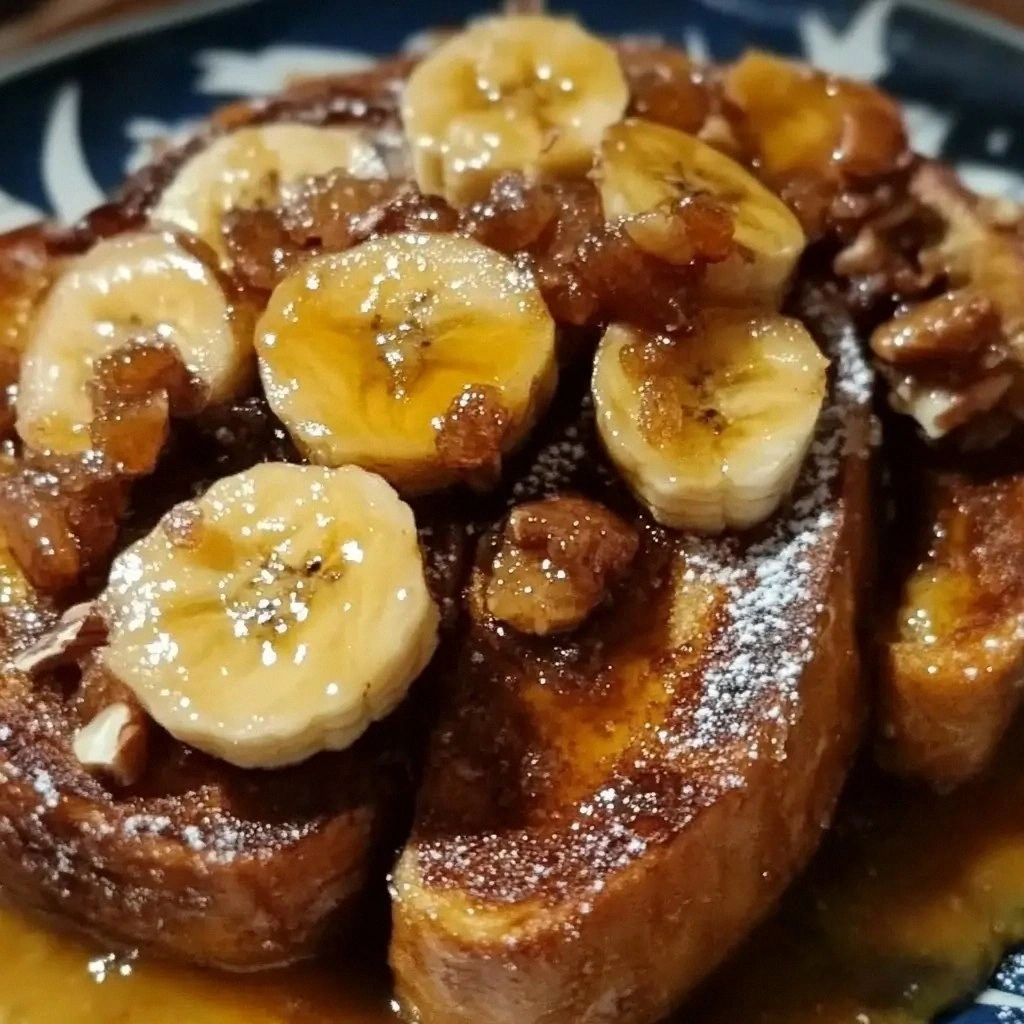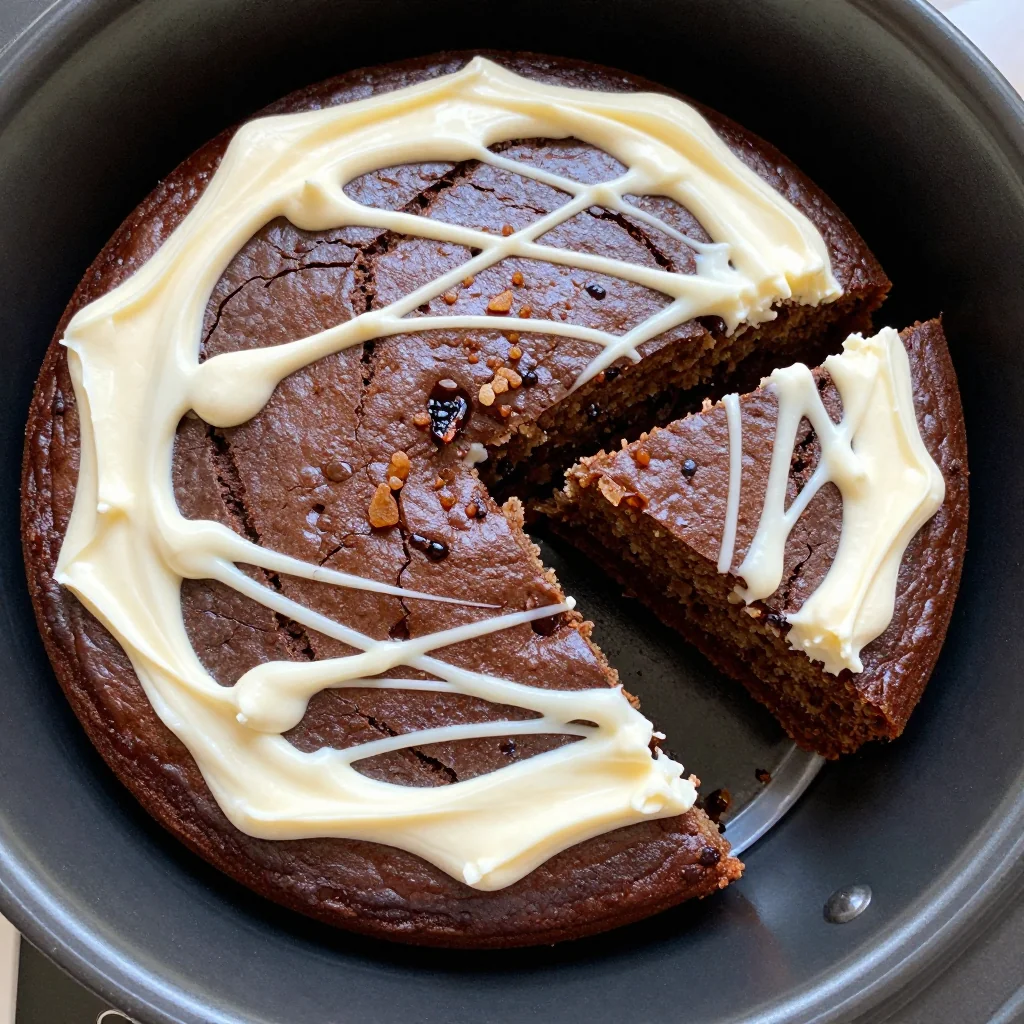

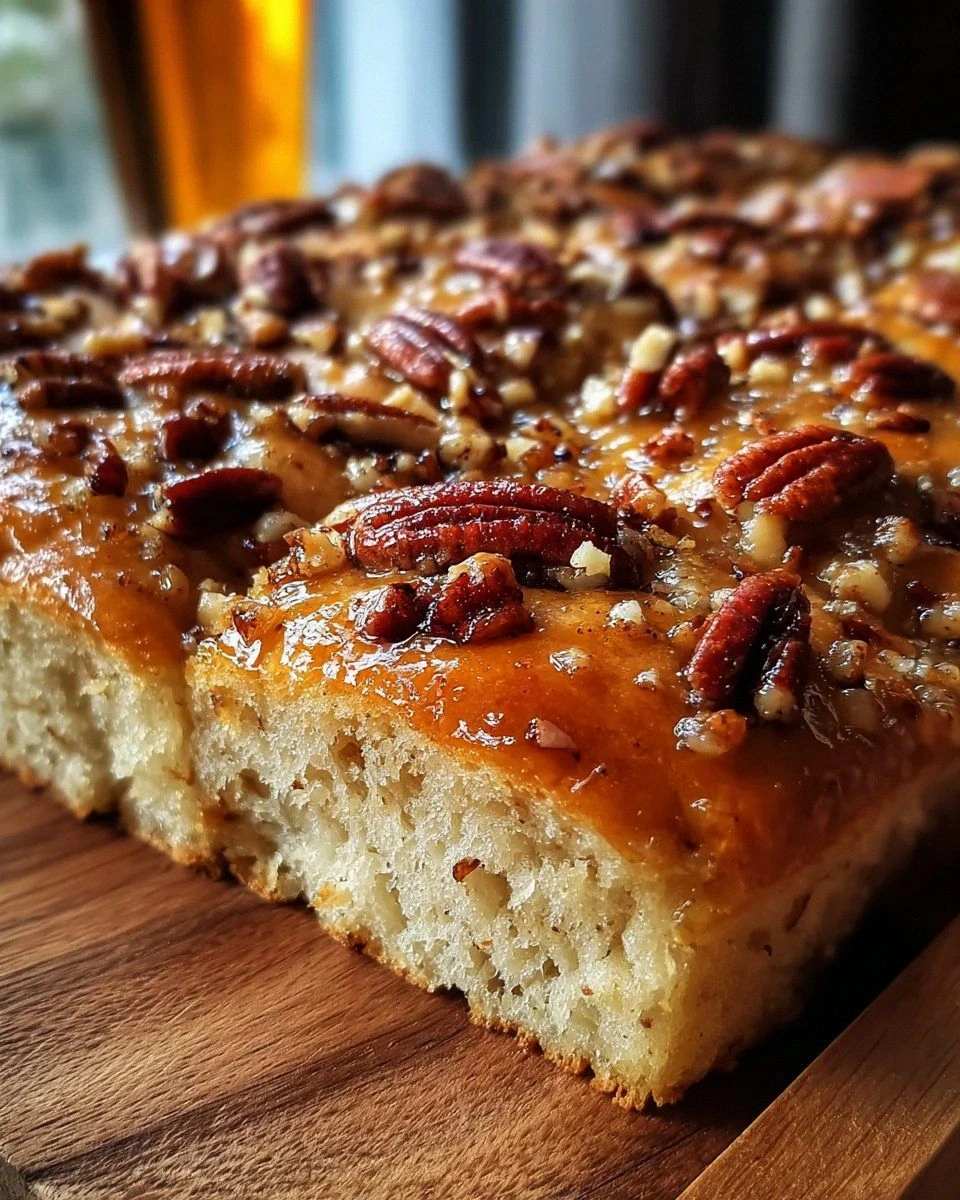
I’ll be honest — I ate half the batch before anyone else got a chance to try it, and that’s because this sticky pecan focaccia is nothing short of a culinary love‑affair. The moment I first pulled it out of the oven, the kitchen was flooded with a caramel‑nut perfume that made my cat stare at me like I’d just conjured magic. Imagine a golden‑brown canvas, speckled with glossy, caramelized pecans that cling to the crust like tiny jewels, each bite offering a buttery crunch followed by a soft, airy interior that practically melts in your mouth. That’s the kind of sensory overload that makes you pause, stare, and whisper, “I dare you to taste this and not go back for seconds.”
The backstory? A rainy Thursday, a busted dessert plan, and a desperate need to impress a friend who swore she’d never been “focaccia‑fancy.” I tossed together a basic dough, slapped on a quick pecan topping, and prayed to the culinary gods. When the timer dinged, the result was a glorious hybrid of Italian bread and Southern pecan pie, a mash‑up that most recipes completely miss. Most focaccias forget the sweet side, while most pecan desserts ignore the airy, chewy texture of bread — this one nails both, delivering the best of both worlds in a single pan.
What truly sets this version apart is a secret weapon: a buttery, brown‑sugar glaze that you pour over the dough just before the final bake, allowing the pecans to soak up a sticky, caramel‑rich coating while the crust crisps to perfection. The dough itself is a simple, no‑knead wonder, relying on the magic of active dry yeast and a splash of olive oil to create a pillow‑soft crumb. And the topping? Toasted pecans tossed in melted butter, brown sugar, and a whisper of vanilla that turns the whole thing into a glossy, addictive masterpiece.
Okay, ready for the game‑changer? I’m about to walk you through every single step — from activating the yeast to achieving that perfect glossy finish. By the end, you’ll wonder how you ever made any focaccia without this sticky pecan twist. Picture yourself pulling this out of the oven, the whole kitchen smelling incredible, the crust crackling under your fingertips, and the sweet‑nutty aroma wrapping around you like a warm blanket. Let’s dive in and make some bliss.
What Makes This Version Stand Out
- Flavor Fusion: The sweet caramel of brown sugar meets the earthy crunch of pecans, while the dough stays subtly savory, creating a balanced taste that dances on the palate.
- Texture Harmony: You get a crisp, golden crust, a soft, airy interior, and a sticky, buttery topping that clings just enough to be indulgent without being soggy.
- Simplicity Meets Sophistication: No fancy equipment, just a handful of pantry staples and a single sheet pan, yet the result feels like a bakery‑level treat.
- Unique Topping Technique: By baking the pecans with butter and brown sugar, the glaze caramelizes in‑situ, giving you that glossy, “sticky” finish that most recipes miss.
- Crowd‑Pleaser Factor: Whether it’s a brunch, a snack, or a dessert, people can’t help but go back for more; I’ve seen it disappear in minutes at gatherings.
- Ingredient Quality Matters: Using fresh, unsalted butter and high‑quality pecans makes the flavor pop, turning ordinary nuts into star performers.
- One‑Pan Wonder: Minimal cleanup, maximum wow‑factor — perfect for busy weeknights or lazy weekends.
- Make‑Ahead Potential: The dough can be refrigerated overnight, and the topping can be pre‑made, so you can assemble and bake whenever the craving hits.
Inside the Ingredient List
The Flavor Base
All‑purpose flour is the backbone of our bread, providing structure and a chewy texture. It’s versatile and perfect for baking, absorbing the water and oil to create a pliable dough. If you swap it for whole‑wheat, you’ll get a denser crumb and a nuttier flavor, but you’ll also lose some of that airy lightness that makes focaccia so addictive. For the best results, sift the flour before measuring to avoid compacted pockets that could make the dough heavy.
Active dry yeast: Vital for that fluffy rise, yeast transforms our dough from dense to heavenly. Just a hint of sugar helps wake it up, feeding the microorganisms so they can produce carbon dioxide. If you ever wonder why your dough didn’t rise, it’s probably because the water was too hot or too cold; aim for a soothing 105°F (40°C) to keep the yeast happy.
Warm water: The cozy embrace of warm water activates the yeast. Just ensure it’s not too hot; we don’t want to scorch our little helpers! If you’re using tap water and it’s heavily chlorinated, let it sit for a few minutes or switch to filtered water to avoid inhibiting the yeast.
The Moisture Crew
Olive oil: This adds moisture and richness to the dough. Plus, it helps achieve that glorious golden crust. Use a good‑quality extra‑virgin olive oil for a subtle fruitiness; a cheap oil will taste flat and can affect the crumb’s tenderness.
Sugar: Just a touch to balance the savory and enhance the yeast’s magic. It differs from the sweet topping we’ll add, acting mainly as a yeast booster. If you’re cutting sugar for a lower‑calorie version, increase the yeast slightly to compensate.
Salt: A crucial ingredient for flavor; it enhances the taste of the bread. It also strengthens the dough, ensuring a great texture. Skipping salt will result in a bland, flat loaf that feels more like a plain cracker than a focaccia.
The Unexpected Star
Pecans: The stars of our topping! Their nutty crunch paired with caramelized sweetness creates a fabulous finish. Choose raw, unsalted pecans for the purest flavor; toasted ones can be used but will lose some of that fresh crunch.
Brown sugar: Rich and molasses‑like, it brings depth to our topping, melting beautifully into the pecans. It’s the secret behind that sticky glaze that clings to each nut. If you prefer a lighter caramel, you can substitute half with coconut sugar, though the color will be a tad paler.
Butter: This adds a luscious layer of flavor to the topping, creating that sticky goodness we crave. Use unsalted butter so you can control the salt level in the dough. Melt it gently; overheating will separate the milk solids and ruin the glossy finish.
Vanilla extract: A dash of vanilla elevates the sweetness, adding a lovely aroma that will fill your kitchen with warmth. It’s the subtle whisper that ties the caramel and nutty notes together. If you’re out of vanilla, a splash of almond extract works but be careful—it’s stronger.
Everything's prepped? Good. Let’s get into the real action…
The Method — Step by Step
First, gather your warm water in a medium bowl and sprinkle the active dry yeast over the surface. Give it a gentle stir, then add the sugar and let the mixture sit for about 8‑10 minutes. You’ll see it start to foam, turning a milky white as if tiny bubbles are dancing on a pond. This is the moment where the yeast awakens, and if you don’t see foam, your water was probably too hot or too cold—adjust and try again.
Kitchen Hack: Use a kitchen thermometer to get water precisely at 105°F (40°C); this guarantees optimal yeast activation.In a large mixing bowl, whisk together the all‑purpose flour and salt. Make a well in the center, then pour in the foamy yeast mixture and the olive oil. Stir with a wooden spoon until the dough comes together into a shaggy mass. At this stage, the dough should feel slightly sticky but manageable; if it’s too dry, splash in a tablespoon of water, and if it’s overly wet, dust the surface with a bit more flour.
Turn the dough onto a lightly floured surface and give it a quick knead—just 2‑3 minutes to develop a bit of gluten. You’re not aiming for a bread‑machine‑level knead; a gentle fold will do. The dough should become smoother and more elastic, like a soft pillow that springs back when pressed.
Place the dough in a clean, lightly oiled bowl, turning it once to coat all sides. Cover the bowl with plastic wrap or a damp kitchen towel and let it rise in a warm spot for 45‑60 minutes, or until it has doubled in size. The kitchen should smell faintly yeasty, and the dough will feel puffy, like a cloud ready to burst.
Watch Out: If the dough doesn’t rise, check the yeast’s expiration date and make sure the environment isn’t too cold; a drafty kitchen can stall fermentation.While the dough is rising, prepare the sticky pecan topping. In a small saucepan over medium heat, melt the butter until it foams, then stir in the brown sugar until it dissolves into a glossy syrup. Add the vanilla extract and give it a quick swirl. Finally, toss in the pecans, coating each nut thoroughly. Let the mixture simmer for another 2‑3 minutes, allowing the nuts to soak up the buttery caramel.
Preheat your oven to 425°F (220°C). Lightly oil a rimmed baking sheet (or line it with parchment for easier cleanup). Once the dough has doubled, punch it down gently to release excess air, then spread it onto the prepared sheet, using your fingertips to dimple the surface—those dimples are where the olive oil and topping will settle, creating pockets of flavor.
Drizzle a generous glug of olive oil over the dough, letting it pool into the dimples. Then, evenly distribute the caramelized pecan mixture across the top, using a spatula to press the nuts gently into the dough. The butter‑brown‑sugar glaze will begin to melt into the surface, creating that signature sticky sheen.
Kitchen Hack: For an extra‑crisp crust, sprinkle a pinch of sea salt over the top just before baking; it accentuates the caramel flavor.Slide the sheet into the preheated oven and bake for 20‑25 minutes, or until the edges turn a deep golden‑brown and the pecans are glossy and slightly caramelized. You’ll hear a faint sizzle as the butter bubbles against the hot dough—listen for that, it means the glaze is doing its job.
When the focaccia is done, remove it from the oven and let it rest for 5‑10 minutes. This short cooling period allows the caramel to set just enough that it won’t slide off when you cut it, yet remains delightfully sticky. Slice into generous squares, serve warm, and watch as the sticky pecan topping stretches like honeyed silk.
That’s it — you did it. But hold on, I’ve got a few more tricks that’ll take this to another level…
Insider Tricks for Flawless Results
The Temperature Rule Nobody Follows
Never bake focaccia straight from a cold fridge; the dough needs to be at room temperature to rise properly in the oven. Pull the pan out of the fridge 20 minutes before baking, letting the dough warm up slightly. This ensures the crust crisps evenly while the interior stays fluffy. I once tried baking a chilled dough and ended up with a gummy middle — lesson learned.
Why Your Nose Knows Best
Instead of relying solely on a timer, trust the aroma. When the buttery caramel starts to perfume the kitchen, you’re within a minute or two of perfection. If the smell becomes overly nutty or burnt, pull the focaccia out early. Your nose is a more accurate gauge than any digital timer.
The 5‑Minute Rest That Changes Everything
After the initial rise, let the dough rest uncovered for 5 minutes before shaping. This short pause relaxes the gluten, making it easier to press the dimples without tearing. I once skipped this step and the dough snapped, leaving me with uneven pockets. The rest is a tiny time investment for a huge texture payoff.
Butter‑Brown Sugar Ratio Mastery
For the perfect sticky glaze, use a 2:1 ratio of butter to brown sugar by weight. Too much sugar will harden into a brittle crust; too much butter will make the topping slide off. I experimented with 1:1 and ended up with a soggy mess — the 2:1 balance is the sweet spot.
The Final Flip
Just before the last two minutes of baking, turn the oven rack upside down for a quick 30‑second blast of heat. This gives the top a caramelized crunch that mimics a professional bakery’s broiler. Be careful not to overdo it, or the pecans will scorch. I’ve seen a few scorched edges, but a quick glance tells you when to stop.
Creative Twists and Variations
This recipe is a playground. Here are some of my favorite ways to switch things up:
Maple‑Pecan Dream
Swap half the brown sugar for pure maple syrup and add a drizzle of extra syrup after baking. The result is a deeper, wood‑syrupped sweetness that pairs beautifully with the nutty crunch.
Spiced Autumn
Add a teaspoon of ground cinnamon and a pinch of nutmeg to the butter‑sugar mixture. This gives the focaccia a warm, cozy vibe perfect for chilly evenings.
Chocolate‑Covered Delight
Stir in ¼ cup of dark chocolate chips into the pecan topping right before baking. The chocolate melts into pockets of gooey richness, turning the focaccia into a dessert‑style treat.
Savory Herb Fusion
Mix fresh rosemary, thyme, and a sprinkle of flaky sea salt into the dough before the first rise. The herb‑infused crumb balances the sweet topping, creating a sweet‑savory masterpiece.
Gluten‑Free Version
Replace the all‑purpose flour with a 1‑to‑1 gluten‑free flour blend, and add a tablespoon of xanthan gum to mimic gluten’s elasticity. The texture will be slightly different but still delightfully tender.
Storing and Bringing It Back to Life
Fridge Storage
Allow the focaccia to cool completely, then wrap it tightly in plastic wrap or store in an airtight container. It will stay fresh for up to 3 days. When you’re ready to eat, reheat in a 350°F oven for 5‑7 minutes; the crust will regain its crispness.
Freezer Friendly
Slice the focaccia into portions, wrap each piece in foil, then place them in a freezer‑safe bag. It freezes beautifully for up to 2 months. To revive, let a piece thaw at room temperature for 15 minutes, then bake at 375°F for 8‑10 minutes, adding a tiny splash of water to the foil packet to create steam.
Best Reheating Method
For ultimate crunch, use a cast‑iron skillet over medium heat. Add a drizzle of olive oil, place a slice of focaccia cut‑side down, and cover for 2‑3 minutes. The steam created inside the pan restores the interior softness while the bottom crisps up like a fresh‑baked pizza crust.