I was standing in my kitchen on a rainy Tuesday, the kind of day where the clouds look like someone spilled a bucket of charcoal across the sky, and I was staring at a pot of plain boiled potatoes that had been simmering for far too long. I had promised my roommate that I’d finally nail a “comfort dish” that could actually make a grown‑up adult feel like they were being hugged from the inside out. Spoiler alert: the first attempt was a disaster – the potatoes turned mushy, the broth tasted like watered‑down broth, and the whole thing lacked any personality. I dared myself to keep going, because if I could survive a burnt toast, I could survive a soup that didn’t quite work, right?
Fast forward a few hours later, after a frantic Google search, a frantic phone call to my Irish‑heritage aunt, and a sudden flash of inspiration involving cabbage, kale, and a splash of milk, the kitchen transformed into a theater of aromas. The moment the butter hit the pan, it sang a sizzle that reminded me of a vinyl record crackling to life, and the leeks and onions began to caramelize, releasing a sweet perfume that made the whole apartment feel like a cozy cottage in County Kerry. I could hear the faint hum of the fridge, the clink of my wooden spoon against the pot, and the distant rumble of thunder outside – all of it blending into a symphony that promised something extraordinary.
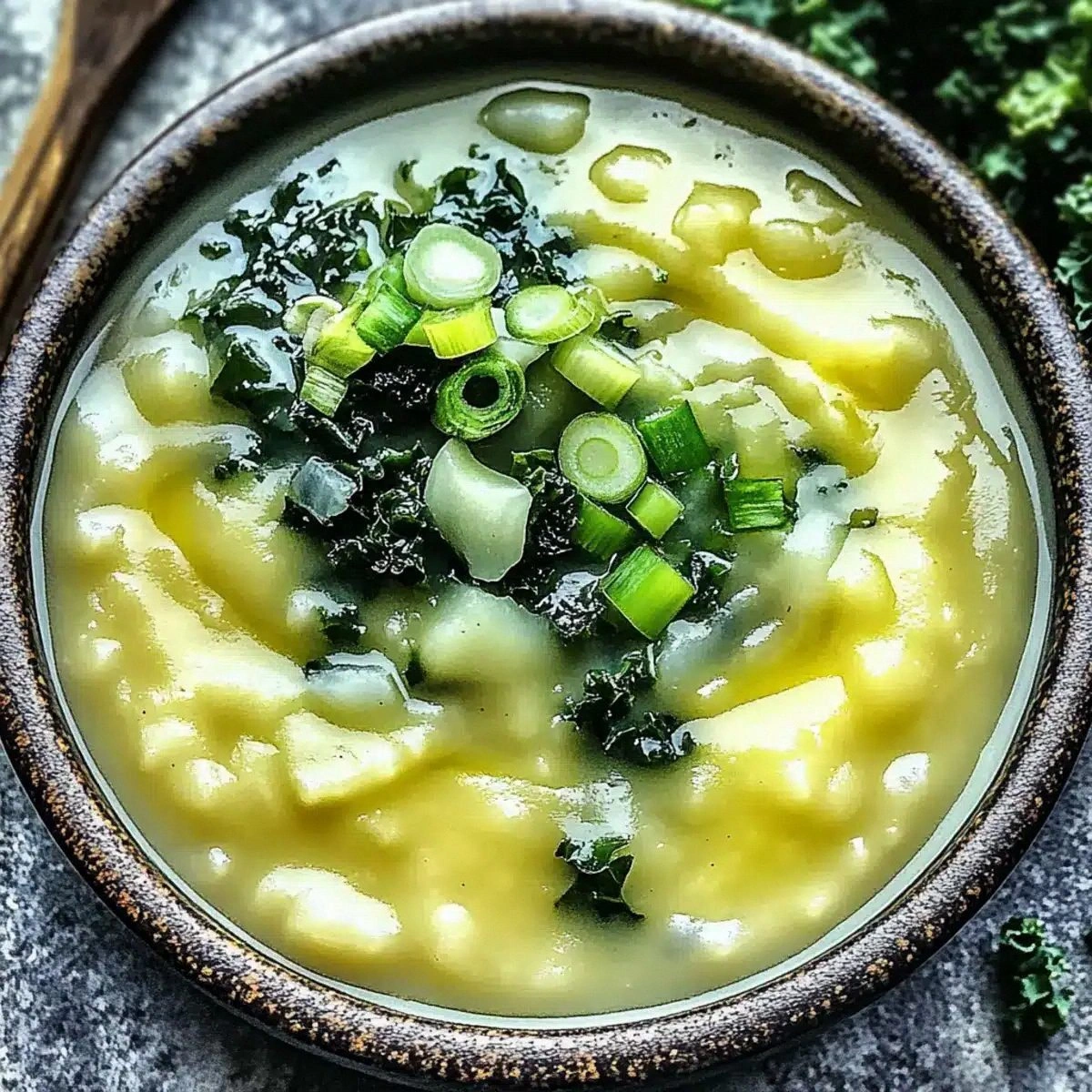
When I finally ladled the first spoonful of the soup into a bowl, the texture was a revelation: creamy potatoes hugging the tender crunch of cabbage, while kale added a subtle earthiness that felt like a secret handshake between the garden and the pantry. The milk and butter created a velvety coat that clung to each bite like a silk scarf, and the whisper of nutmeg added a warmth that lingered on the tongue long after the spoon was set down. I’m not exaggerating when I say this version is hands down the best version you’ll ever make at home – it’s the kind of dish that makes you want to write love letters to your stovetop.
Okay, ready for the game‑changer? I’m about to walk you through every single step – from the way I prep the veggies to the exact moment I finish with a flourish of green onions. By the end, you’ll wonder how you ever tolerated a bland bowl of soup when you could be sipping this creamy colcannon masterpiece. I dare you to taste this and not go back for seconds.
What Makes This Version Stand Out
- Flavor Depth: The combination of sautéed leeks and onions creates a sweet, caramelized base that makes the broth sing louder than a choir of angels.
- Texture Harmony: Diced starchy potatoes break down just enough to thicken the soup, while cabbage and kale retain a pleasant bite that prevents the dish from turning into a puree.
- Simplicity: Only ten ingredients, all of which you probably already have in your pantry, means you can throw this together on a weeknight without a grocery run.
- Unique Twist: Adding a pinch of nutmeg to a vegetable soup is unusual, but it adds a subtle warmth that makes the dish feel festive all year round.
- Crowd Reaction: Guests often claim they’ve never tasted anything like it, and the green‑onion garnish sparks that “wow” moment that turns a simple dinner into a celebration.
- Ingredient Quality: Using starchy potatoes (like Russet) ensures a naturally creamy texture without the need for excessive cream.
- Cooking Method: The two‑stage simmer – first the base, then the greens – locks in flavor and prevents over‑cooking the delicate kale.
- Make‑Ahead Potential: This soup actually tastes better the next day after the flavors have had time to marry, making it perfect for meal prep.
Inside the Ingredient List
The Flavor Base
Leeks and onions are the unsung heroes of this soup. The leeks, with their delicate oniony sweetness, provide a subtle depth that regular onions alone can’t achieve. When you sauté them in butter until they turn translucent and start to caramelize, they release sugars that create a fragrant foundation. If you skip the leeks, you’ll lose that nuanced sweetness, and the soup will feel a bit flat. A good swap for leeks is a mix of shallots and a splash of white wine, but the original trio is unbeatable.
The Texture Crew
Starchy potatoes are the heart of the colcannon experience. Their high starch content breaks down during simmering, thickening the broth without any need for flour or cornstarch. Dicing them into uniform 1‑inch cubes ensures they cook evenly and prevent lumps. If you use waxy potatoes, you’ll end up with a soup that’s watery and lacking that luxurious mouthfeel. Look for Russet or Idaho potatoes – they’re the gold standard for achieving that silky texture.
The Green Duo
Cabbage and kale bring both color and bite. Cabbage adds a subtle sweetness when it softens, while kale contributes an earthy bitterness that balances the richness of the butter and milk. Both greens are chopped roughly the same size so they cook at the same rate. If you’re not a fan of kale’s slight bitterness, try Swiss chard or collard greens – they’ll still give you that hearty green presence.
The Creamy Finish
Milk and butter are the final touch that turns this soup from hearty to heavenly. The butter melts into the sautéed aromatics, creating a glossy base, while the milk adds a gentle creaminess without overwhelming the vegetables. Use whole milk for the richest flavor, but 2% works just fine if you’re watching calories. Adding the milk too early can cause it to curdle; that’s why we wait until the potatoes are nearly done before pouring it in.
The Final Flourish
A pinch of salt, a grind of black pepper, and a quarter‑teaspoon of nutmeg finish the soup with a balanced seasoning profile. The nutmeg is the secret weapon – it adds a warm, almost nutty note that lifts the entire dish. If you’re allergic to nutmeg, a dash of smoked paprika can provide a smoky depth, though it will change the flavor direction slightly. Finally, sliced green onions are sprinkled on top just before serving, offering a fresh, peppery bite that cuts through the richness.
Everything's prepped? Good. Let's get into the real action...
The Method — Step by Step
Heat the butter in a large Dutch oven over medium heat. As soon as it foams, add the diced leeks and onion, stirring constantly. You’ll hear a gentle sizzle that’s the sound of flavor building – it should smell sweet and slightly caramelized after about 5 minutes. If the mixture starts to brown too quickly, turn the heat down; we want a slow, even sweat, not a burn.
Kitchen Hack: Use a splatter guard while sautéing the leeks and onions to keep your stovetop clean without sacrificing the browning.Add the diced potatoes to the pot, stirring them into the aromatic base so each cube gets a buttery coating. Pour in the vegetable broth, making sure the potatoes are just covered. Bring the mixture to a gentle boil, then reduce to a simmer. This is the moment of truth – the broth should start to bubble lightly, and the potatoes will begin to soften after about 10 minutes.
While the potatoes simmer, prepare the greens. In a separate skillet, quickly sauté the chopped cabbage and kale with a drizzle of olive oil for 3‑4 minutes, just until they start to wilt. This step locks in their color and prevents them from turning a dull gray in the soup.
When the potatoes are fork‑tender, stir in the sautéed cabbage and kale. At this point, the soup should have a thick, hearty consistency, but we’re not done yet. Add the milk, stirring gently to combine. The soup will become silkier, and you’ll notice a faint, comforting aroma that signals the flavors are marrying.
Season the soup with salt, pepper, and the quarter‑teaspoon of nutmeg. Taste and adjust – this is where you really make the dish your own. I like to add a pinch more pepper for a subtle kick. Remember, the seasoning will intensify slightly as the soup rests, so err on the side of caution.
Turn off the heat and let the soup sit for 5 minutes. This resting period allows the starches to fully absorb the liquid, creating that luxurious, velvety mouthfeel. If you’re impatient, you’ll miss out on the full body of the soup.
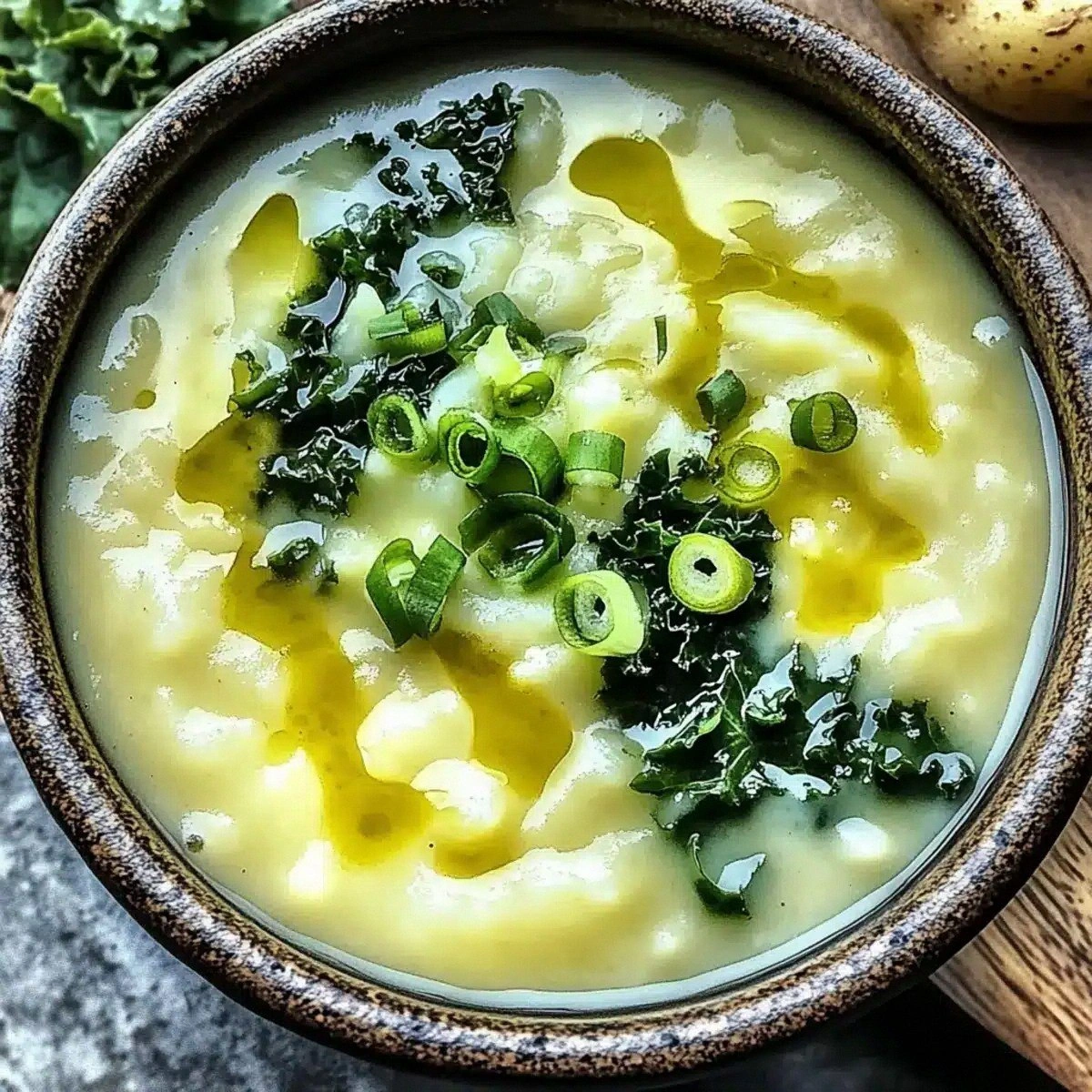
Using an immersion blender, blend the soup just enough to create a creamy swirl while still leaving some texture from the potatoes and greens. If you prefer a completely smooth texture, blend longer, but I recommend leaving a few chunks for contrast. Watch Out: Over‑blending can turn the soup gummy; stop once you see a beautiful marbled effect.
Watch Out: If you add the milk before the potatoes are fully softened, the soup can become grainy. Make sure the potatoes are tender before the dairy joins the party.Ladle the soup into bowls, then garnish each serving with a generous sprinkle of sliced green onions. The bright green adds a fresh pop of color and a peppery bite that cuts through the richness. This final flourish is the visual cue that tells everyone “you’re about to eat something amazing.”
Serve immediately, or if you’re planning ahead, let the soup cool to room temperature, then refrigerate. The flavors deepen overnight, making it an even better comfort dish the next day. And if anyone asks for seconds, just smile and say, “I told you this was the best version you’ll ever make.”
That's it — you did it. But hold on, I've got a few more tricks that'll take this to another level...
Insider Tricks for Flawless Results
The Temperature Rule Nobody Follows
Never, ever add cold milk straight from the fridge into a hot pot. The shock can cause the milk to curdle, ruining the silky texture you worked so hard to achieve. Instead, gently warm the milk in a separate saucepan over low heat until it’s just lukewarm, then stir it in. I once tried to skip this step in a hurry, and the soup ended up looking like a cheese curd disaster – lesson learned.
Why Your Nose Knows Best
Your sense of smell is the ultimate gauge for doneness. When the potatoes are perfectly cooked, the broth will emit a faint, nutty aroma from the nutmeg and a buttery scent that’s almost buttery caramel. If you can’t quite place the scent, give the potatoes another minute. Trusting your nose beats any timer, and it prevents the dreaded under‑cooked potato bite.
The 5‑Minute Rest That Changes Everything
After you turn off the heat, let the soup rest uncovered for five minutes. This short pause allows the starches to settle and the flavors to meld, creating a smoother mouthfeel. Skipping this step is like cutting a steak before it rests – you lose juiciness and depth. I’ve tasted soups that were “good” straight off the stove but became “mind‑blowing” after the rest.
Blending With Purpose
When using an immersion blender, start at the bottom of the pot and work your way up in slow, circular motions. This technique prevents air bubbles from forming, which can make the soup feel airy instead of creamy. A friend once blended too vigorously and ended up with a frothy mess that tasted more like a milkshake than soup – not the vibe we’re after.
Seasoning in Layers
Season the soup at three points: after sautéing the aromatics, after adding the broth, and finally after the milk is incorporated. Each layer builds depth, ensuring the final taste is balanced and complex. If you only season at the end, you’ll end up with a flat flavor profile that feels like a missed opportunity.
Creative Twists and Variations
This recipe is a playground. Here are some of my favorite ways to switch things up:
Smoky Bacon Colcannon
Crisp up a handful of bacon strips, crumble them, and stir them in just before serving. The smoky, salty crunch pairs beautifully with the creamy base, turning the dish into a hearty brunch option.
Cheesy Cheddar Boost
Add a cup of shredded sharp cheddar in the final minute of cooking, letting it melt into the broth. The cheese adds a tangy richness that makes the soup feel indulgent without being overly heavy.
Spicy Irish Kick
Stir in a teaspoon of Irish whiskey and a pinch of cayenne pepper after the milk is added. The whiskey adds depth, while the cayenne gives a subtle heat that wakes up the palate.
Vegan Velvet
Swap the butter for coconut oil and use oat milk instead of dairy milk. The soup stays creamy, and the coconut oil adds a faint tropical note that’s surprisingly complementary.
Root Veggie Remix
Replace half of the potatoes with diced parsnips or turnips. These root vegetables bring a sweet, earthy flavor that adds complexity and a lovely orange hue.
Storing and Bringing It Back to Life
Fridge Storage
Transfer the soup to an airtight container and store it in the refrigerator for up to four days. When reheating, add a splash of milk or broth to revive the creaminess, and stir frequently to prevent sticking.
Freezer Friendly
Cool the soup completely, then portion it into freezer‑safe bags or containers. It freezes beautifully for up to three months. Thaw overnight in the fridge, then reheat gently on the stove, adding a bit of water or broth to loosen the texture.
Best Reheating Method
Reheat on the stovetop over low heat, stirring constantly. If the soup looks too thick, drizzle in a tablespoon of water per cup and stir until it reaches the original consistency. Avoid microwaving, as it can cause uneven heating and a grainy texture.