
There was a moment last winter when my kitchen turned into a battlefield of burnt sauces and half‑cooked chicken. I stared at the scorched pan, feeling the sting of disappointment like a slap across the face. That night, a friend texted me a link to a sheet pan teriyaki chicken recipe that promised “the easiest, most flavorful dinner you’ll ever make.” I laughed, then felt that familiar craving for sweet, savory, and juicy chicken that could turn any bland meal into a celebration.
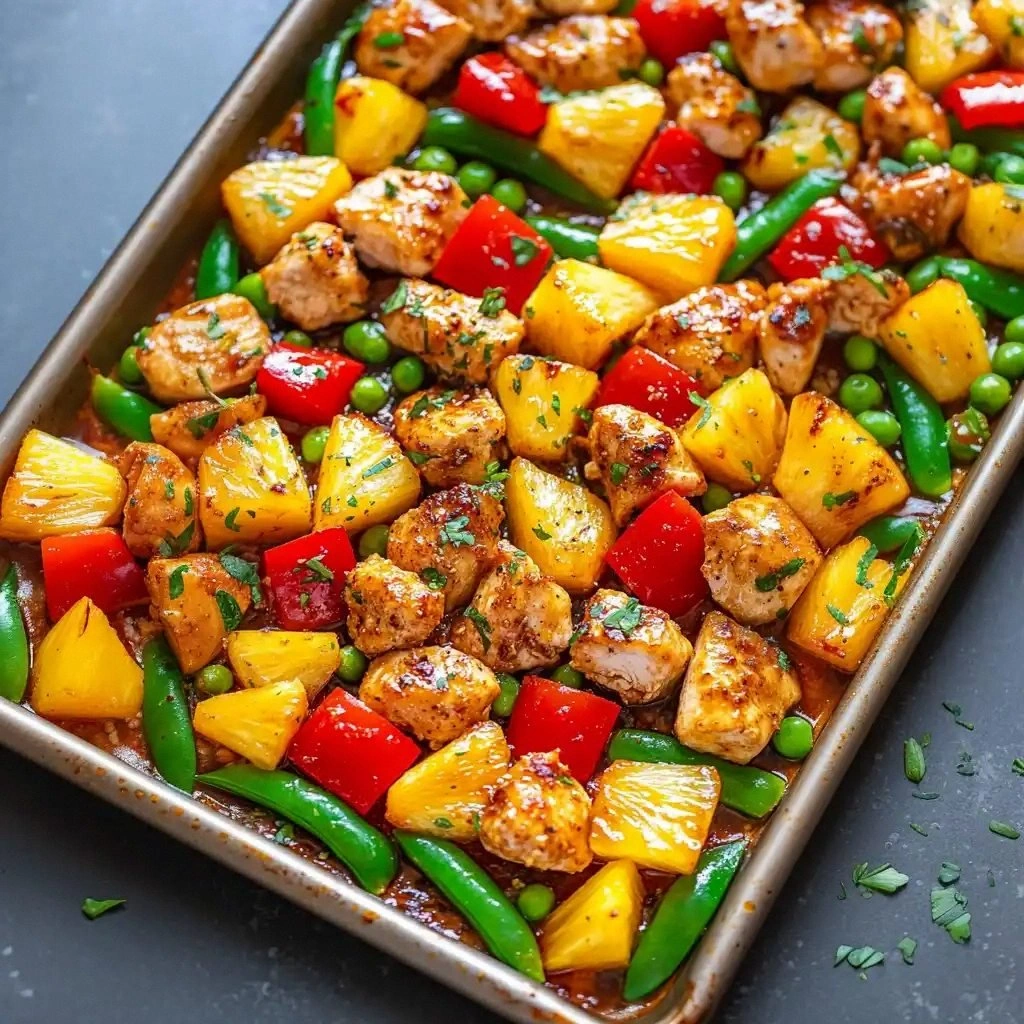
Picture this: a sheet pan lined with bright chunks of pineapple, bell peppers, and snap peas, all glistening in a glossy teriyaki glaze. The scent that rises when the sauce starts to bubble is like a warm hug, a promise of comfort and adventure in one bite. The sound of the chicken sizzling against the veggies is a soundtrack that tells you the kitchen is alive. The texture—crispy edges that crackle like thin ice, tender meat that melts in your mouth, and caramelized fruit that adds a sweet counterpoint—creates a sensory orchestra that’s impossible to ignore.
This isn’t just another recipe; it’s a revelation. I’ve tried countless teriyaki dishes that either left the chicken dry or the sauce too thick, but this version balances everything with surgical precision. The technique of coating the chicken with a thin layer of sauce before baking locks in moisture, while the addition of sesame seeds gives a subtle crunch that elevates the dish. I dare you to taste this and not go back for seconds, because the flavors are so clean, so vibrant, they’ll leave your taste buds dancing.
By the end of this post, you’ll see why most recipes get this completely wrong. I’ll walk you through every single step—how to prep the pineapple so it caramelizes just right, how to season the chicken without overpowering the teriyaki, and how to get that perfect golden finish. Picture yourself pulling this out of the oven, the whole kitchen smelling incredible, and everyone begging for a plate. And now, let’s dive in and discover the magic of this sheet pan teriyaki chicken.
What Makes This Version Stand Out
- Flavor: The teriyaki sauce is not just a glaze; it’s a caramelized, umami-packed elixir that coats the chicken like velvet. The pineapple’s natural sugars cut through the saltiness, creating a sweet‑savory balance that lingers on the palate.
- Texture: The sheet pan technique gives the chicken a caramelized crust while keeping the interior juicy. The veggies develop a crisp‑tender bite that contrasts beautifully with the tender meat.
- Convenience: One pan, one pot, one cleanup. You can prep everything in under 15 minutes and bake in 30, making it the perfect weeknight dinner.
- Visual Appeal: The vibrant colors of the pineapple, peppers, and snap peas create a dish that looks as good as it tastes. The glossy glaze catches the light, making every bite Instagram‑ready.
- Adaptability: Swap out the veggies for zucchini or broccoli, use thighs instead of breasts, or add a splash of sriracha for heat. This recipe is a playground that welcomes experimentation.
- Make‑Ahead Friendly: The sauce can be pre‑made and the chicken marinated in advance, saving you time on busy nights. The dish also reheats beautifully, so leftovers are a breeze.
- Nutrition: With lean protein, fresh fruit, and vegetables, this meal hits a sweet spot of protein, carbs, and healthy fats without excess calories.
Alright, let’s break down exactly what goes into this masterpiece…
Inside the Ingredient List
The Flavor Base
The teriyaki sauce is the heart of this dish. It’s a marriage of soy sauce, mirin, brown sugar, and garlic that creates a deep umami core. The sauce’s acidity cuts through the sweetness of the pineapple, preventing the dish from becoming cloying. If you skip it, you lose that glossy, caramelized coating that makes every bite pop. A quick swap is using a low‑sodium soy sauce to control the saltiness without sacrificing flavor.
The Protein Power
Choosing between chicken breasts or thighs changes the texture dramatically. Breasts stay lean and tender when cooked properly, while thighs bring a richer, meatier flavor and are less likely to dry out. Regardless of your choice, slice the chicken into bite‑sized pieces for even cooking. If you’re in a hurry, you can use pre‑cut chicken strips, but be sure they’re not pre‑seasoned to avoid excess salt.
The Unexpected Star
The pineapple isn’t just a garnish; it’s a flavor bomb. The fruit’s natural enzymes help tenderize the chicken, and its caramelizing sugars create a sweet glaze that complements the savory sauce. If you’re a fan of tropical flair, consider adding a handful of diced mango for an extra layer of sweetness. The key is to cut the pineapple into uniform pieces so they cook evenly.
The Final Flourish
Sesame seeds and chopped green onions add a finishing touch of texture and brightness. The seeds offer a subtle nutty crunch that contrasts with the soft chicken, while the green onions bring a fresh, sharp note that lifts the entire dish. If you’re vegan, omit the sesame seeds and use a sprinkle of nutritional yeast for a cheesy, savory finish. Remember, the final garnish is what turns a good meal into a memorable one.
Everything’s prepped? Good. Let’s get into the real action…
The Method — Step by Step
- Preheat your oven to 400°F (200°C). While the oven warms, line a large sheet pan with parchment paper to prevent sticking. The high heat caramelizes the pineapple and edges of the chicken, creating a glossy glaze. Make sure the pan is spacious so the pieces don’t crowd each other, which helps them brown evenly.
- Cut the pineapple into bite‑sized chunks, removing the core. If you prefer a sweeter bite, leave a small amount of the core for extra texture. Toss the pineapple pieces in a bowl with a pinch of salt and a splash of olive oil; this helps them caramelize without sticking to the pan. Place the pineapple on one side of the sheet pan, leaving room for the chicken and veggies.
- Season the chicken pieces with salt, pepper, and garlic powder. For a subtle kick, add a pinch of red pepper flakes. Toss the chicken in a separate bowl with the teriyaki sauce until each piece is coated. This step is crucial—an even coating ensures every bite is flavorful and the sauce doesn’t pool.
- Arrange the seasoned chicken on the other side of the sheet pan, ensuring a single layer. This spacing allows the chicken to sear and develop a golden crust. If you notice the chicken sticking, sprinkle a light dusting of flour or cornstarch to create a barrier.
- Add the bell peppers and snap peas around the chicken, tossing them with a little olive oil and a pinch of salt. The vegetables should be evenly distributed so they cook at the same rate. If you’re using onions, slice them into rings to match the bite‑size of the other veggies.
- Bake for 20 minutes, then flip the chicken and vegetables to ensure even cooking. At this point, the sauce should have thickened into a glaze that coats the meat and fruit. The aroma will become more intense, signaling that the caramelization is happening.
- Continue baking for another 10–12 minutes until the chicken reaches an internal temperature of 165°F (74°C) and the edges of the pineapple are slightly blistered. Use a meat thermometer for precision; don’t rely on color alone, as the glaze can mask doneness.
- Remove the pan from the oven and let the dish rest for 5 minutes. This allows the juices to redistribute, keeping the chicken moist. While resting, sprinkle sesame seeds over the top and toss gently to distribute them evenly.
- Finish by garnishing with chopped green onions. The fresh, sharp flavor of the onions cuts through the sweetness, creating a balanced bite. Serve immediately over steamed rice or quinoa for a complete meal.
That’s it — you did it. But hold on, I’ve got a few more tricks that’ll take this to another level. The next section will reveal insider tips that will elevate your dish from great to unforgettable.
Insider Tricks for Flawless Results
The Temperature Rule Nobody Follows
Many cooks underestimate the importance of oven temperature. Baking at 400°F gives the chicken a crisp exterior while keeping the interior tender. If your oven runs hot, lower the temperature by 25°F to avoid burning the glaze. A consistent temperature ensures even caramelization and prevents the pineapple from turning into mush.
Why Your Nose Knows Best
When the sauce starts to bubble and the edges of the pineapple blister, you’re at the perfect moment to flip. The aroma is your best indicator of doneness. If the scent is too sweet, give the dish a couple more minutes; if it’s too sharp, it may be overcooked.
The 5‑Minute Rest That Changes Everything
Letting the dish rest after baking allows the juices to redistribute, preventing a dry bite. It also gives the glaze time to set, creating a glossy finish that’s hard to resist. Skipping this step results in a watery, less cohesive dish.
Swap the Veggies for a Seasonal Twist
In the fall, replace snap peas with roasted butternut squash for a sweet, earthy note. In spring, add fresh peas and a handful of mint for a bright, fresh finish. The key is to keep the veggies in uniform sizes so they cook evenly.
Make It Keto‑Friendly
Replace the teriyaki sauce with a low‑carb alternative like a homemade mix of soy sauce, rice vinegar, and a sugar substitute. Pair the dish with cauliflower rice instead of regular rice to keep the carb count low. This version is just as satisfying and will impress your keto‑conscious guests.
Creative Twists and Variations
This recipe is a playground. Here are some of my favorite ways to switch things up:
Spicy Sriracha Kick
Stir a tablespoon of sriracha into the teriyaki sauce for a fiery punch. The heat balances the sweetness of the pineapple and adds depth to the glaze. This version is perfect for those who love a bit of heat in their dishes.
Sweet and Smoky
Add a teaspoon of smoked paprika to the sauce. The smoky flavor pairs beautifully with the caramelized pineapple, creating a complex, layered taste profile. Serve over a bed of smoky quinoa for an extra twist.
Herb‑Infused Delight
Mix fresh thyme or rosemary into the chicken seasoning. The herbs bring an aromatic quality that elevates the dish. Pair with roasted potatoes for a hearty meal.
Asian Fusion Bowl
Serve the sheet pan creation over steamed rice, drizzle with extra teriyaki sauce, and top with a soft boiled egg. The combination of textures and flavors turns the dish into a complete Asian fusion bowl.
Vegetarian Version
Swap the chicken for tofu or tempeh. Marinate the protein in the teriyaki sauce for at least 30 minutes to absorb the flavor. The tofu will soak up the glaze, offering a protein‑rich, plant‑based alternative.
Low‑Calorie Lightness
Use skinless chicken breasts, reduce the amount of olive oil, and increase the vegetable ratio. Serve over cauliflower rice to keep the dish light yet satisfying. This version is ideal for calorie‑conscious diners.
Storing and Bringing It Back to Life
Fridge Storage
Store leftovers in an airtight container for up to 3 days in the refrigerator. The glaze will thicken slightly, so reheat gently to restore its glossy sheen. A quick stir in a skillet will bring back the caramelized finish.
Freezer Friendly
Pack the dish in a freezer‑safe container and freeze for up to 2 months. Thaw overnight in the refrigerator before reheating. This method preserves the flavor and texture, making it a convenient meal prep option.
Best Reheating Method
Reheat in a skillet over medium heat, adding a splash of water or broth to steam the dish back to juiciness. This technique prevents the chicken from drying out and keeps the glaze from becoming overly thick.