Love this? Pin it for later! 📌
That conversation birthed our family's beloved New Year's Day ritual: transforming yesterday's scattered ingredients into tomorrow's nourishment. This isn't just minestrone—it's a fresh start in a bowl, a delicious declaration that abundance isn't about having everything, but about creatively using what we already possess. As the aroma of simmering vegetables and herbs fills your kitchen, you're not just making soup; you're writing the first chapter of your new year with intention, sustainability, and love.
Why This Recipe Works
- Zero-Waste Philosophy: Transform pantry odds and ends into a restaurant-worthy meal that would make any Italian nonna proud
- Meal Prep Magic: Make a massive batch on New Year's Day and enjoy healthy lunches all week long
- Completely Customizable: No two pots are ever the same—use what you have and love what you create
- Nutrition Powerhouse: Packed with fiber, plant protein, and vitamins to fuel your wellness resolutions
- Budget-Friendly Brilliance: Turns humble canned goods and wilting vegetables into pure gold
- Family Tradition Potential: Start your own New Year's ritual that kids will treasure for decades
- Make-Ahead Marvel: Tastes even better the next day when flavors meld together beautifully
Ingredients You'll Need

This recipe celebrates the beauty of imperfection. Don't worry if your ingredients don't match exactly—this is about using what you have. Think of this list as a gentle suggestion, not a strict requirement. The magic happens when you trust your instincts and work with what's already in your kitchen.
The Aromatics Foundation: Start with 2 tablespoons of that good olive oil you've been saving. For the holy trinity of Italian cooking, you'll need 1 large onion (yellow, white, or even red—whatever needs using), 3-4 carrots that might be getting a bit soft, and 3 celery stalks with their leaves if they're still attached. Don't you dare throw away those leaves—they're packed with flavor! 4-5 garlic cloves, because we measure garlic with our hearts, not spoons.
The Vegetable Medley: This is where your crisper drawer cleanup happens. That zucchini that's starting to look sad? Perfect. Half a cabbage from last week's coleslaw? Chop it up. Green beans getting a bit spotted? Trim and toss them in. I always add 1 cup of frozen mixed vegetables—because everyone has that bag that's been in the freezer since 2019. One 28-ounce can of whole tomatoes, crushed by hand (or two 14-ounce cans of whatever tomato products need using: diced, crushed, or even tomato sauce).
The Legume Love: Here's where we get creative. One 15-ounce can each of kidney beans and cannellini beans, drained and rinsed. But if you have chickpeas, black beans, or even lentils, they all work beautifully. The key is using what you have. Those dried beans you've been meaning to cook? Soak 1½ cups overnight and they'll be perfect.
The Pasta Possibilities: That half-bag of small pasta shapes hiding in your pantry? This is its moment to shine. Ditalini, small shells, orzo, broken spaghetti—anything goes. I once used alphabet pasta and my kids declared it the best soup ever. You'll need about 1 cup uncooked.
The Liquid Gold: 6 cups of vegetable broth, chicken broth, or even water with a bouillon cube works. I save parmesan rinds in my freezer for this exact purpose—add 2-3 rinds for incredible depth. A bay leaf if you have it, 1 teaspoon dried oregano, and ½ teaspoon dried thyme (or 1 tablespoon fresh if that's what you have).
The Finishing Touch: Fresh is best but work with what you've got. A handful of fresh parsley or basil, ½ cup grated parmesan (or that container in your fridge door), and don't forget the crusty bread for serving. A drizzle of good olive oil and cracked black pepper finish this masterpiece.
How to Make New Year's Day Pantry Clean Out Minestrone Stew for Fresh Start
Prep Your Pantry Parade
Start by pulling everything out of your pantry and refrigerator that needs using. This isn't just cooking—it's kitchen therapy! Chop your onions, carrots, and celery into ½-inch pieces (this is called a mirepoix if you want to sound fancy). Mince your garlic, but don't stress about perfection. Roughly chop any other vegetables you're using into bite-sized pieces. The beauty of this soup is its rustic charm. While you're prepping, put on your favorite playlist—this is about joy, not perfection.
Build Your Flavor Foundation
Heat your olive oil in a large, heavy-bottomed pot or Dutch oven over medium heat. When it shimmers like a Mediterranean sunset, add your mirepoix (onion, carrots, celery). Season with 1 teaspoon salt and ½ teaspoon black pepper. Cook for 8-10 minutes, stirring occasionally, until the vegetables soften and the edges turn golden. Your kitchen should smell like an Italian grandmother's hug. Add the garlic and cook for another minute—don't let it burn!
Create Your Tomato Base
Pour in your tomatoes with their juice, crushing whole tomatoes with your hands as they go in (this is therapeutic—embrace the mess!). Add your dried herbs and bay leaf. Use your wooden spoon to scrape up any browned bits from the bottom of the pot—that's pure flavor gold. Let this simmer for 5 minutes to marry the flavors. If you're using parmesan rinds, nestle them in now like little umami bombs.
Add Your Heartier Vegetables
Now's the time for vegetables that need longer cooking. Potatoes, sweet potatoes, or winter squash go in first. Add your harder vegetables like green beans or cauliflower. Pour in your broth and bring everything to a gentle boil. Once bubbling, reduce to a simmer and let it cook for 15 minutes. This is when your soup starts looking like soup, and your house starts smelling like heaven.
Bean There, Done That
Time to add your beans! Drain and rinse them if canned (nobody wants bean gloop in their soup). If using dried beans that you've soaked overnight, they should be tender but not mushy. Add them now and simmer for 10 more minutes. This is also when you can add any quick-cooking vegetables like zucchini, spinach, or kale. Taste and adjust seasoning—you might need more salt depending on your broth.
Pasta Party Time
Here's where things get exciting. Add your pasta and cook according to package directions minus 2 minutes (it will continue cooking). Stir occasionally to prevent sticking. If the soup gets too thick, add more broth or water. You want it stew-like but still soupy. Pro tip: if you're planning leftovers, cook the pasta separately and add to individual bowls to prevent it from absorbing all the broth overnight.
The Grand Finale
Remove your bay leaf and any parmesan rinds (though I usually leave them in for the lucky person who finds them). Stir in your fresh herbs if using, saving some for garnish. The soup should be thick enough to stand your spoon up in, but still have plenty of broth. If it's too thick, add more liquid. Too thin? Let it simmer uncovered for a few more minutes.
Serve with Love
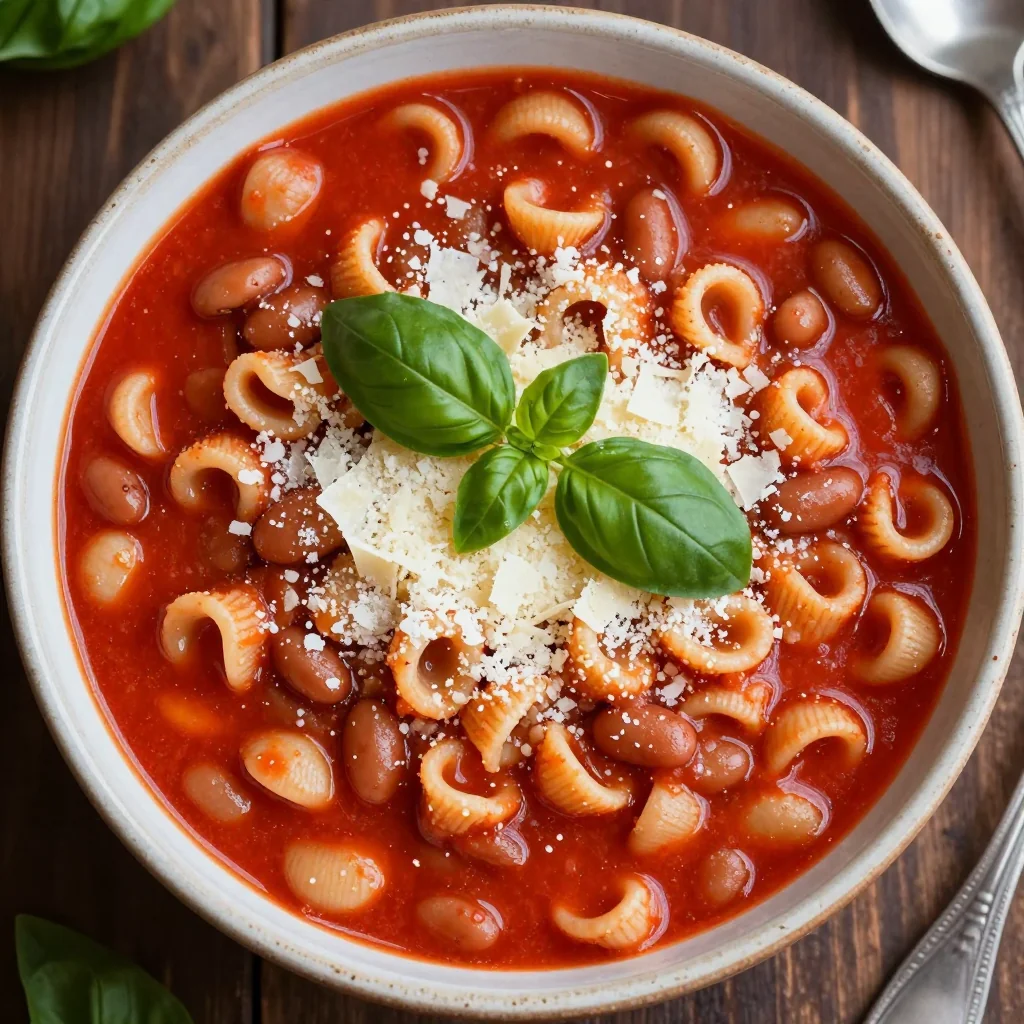
Ladle into warm bowls (I always warm mine with hot water—game changer!). Drizzle with your best olive oil, sprinkle with parmesan, and add fresh herbs. Serve with crusty bread that's perfect for sopping up every last drop. As you sit down to eat, take a moment to appreciate how yesterday's forgotten ingredients became today's nourishment. This is more than soup—it's a fresh start.
Expert Tips
The Parmesan Rind Secret
Never throw away parmesan rinds! Store them in a zip-top bag in your freezer. They add incredible umami depth to soups, making them taste like they've been simmering for hours. Fish them out before serving (or leave them as a treasure for someone to find).
Pasta Separation Strategy
Cook pasta separately if you're making this for leftovers. Store cooked pasta in a separate container and add to individual bowls when serving. This prevents the pasta from absorbing all your beautiful broth overnight.
Vegetable Timing is Everything
Add vegetables in order of cooking time: root vegetables first, then medium-hard vegetables, quick-cooking vegetables last. This ensures everything is perfectly tender without any mushy casualties.
Broth Boosting Magic
If using water instead of broth, add a parmesan rind, dried mushrooms, or a splash of soy sauce for depth. A teaspoon of tomato paste sautéed with the vegetables also adds incredible richness.
Season at Every Stage
Season lightly at each step rather than all at the end. Vegetables release water as they cook, so what tastes perfectly seasoned initially might need adjustment later. Always taste before serving!
Make It Your Own
This soup is endlessly adaptable. Add a rind of prosciutto or bacon for richness, a splash of white wine for brightness, or a can of coconut milk for creaminess. The only rule is using what you love.
Variations to Try
Summertime Garden Version
Swap canned tomatoes for fresh summer tomatoes, add zucchini blossoms, fresh corn kernels, and basil. Use vegetable broth and add a splash of white wine for brightness. Perfect for using up garden overflow!
Cozy Winter White Version
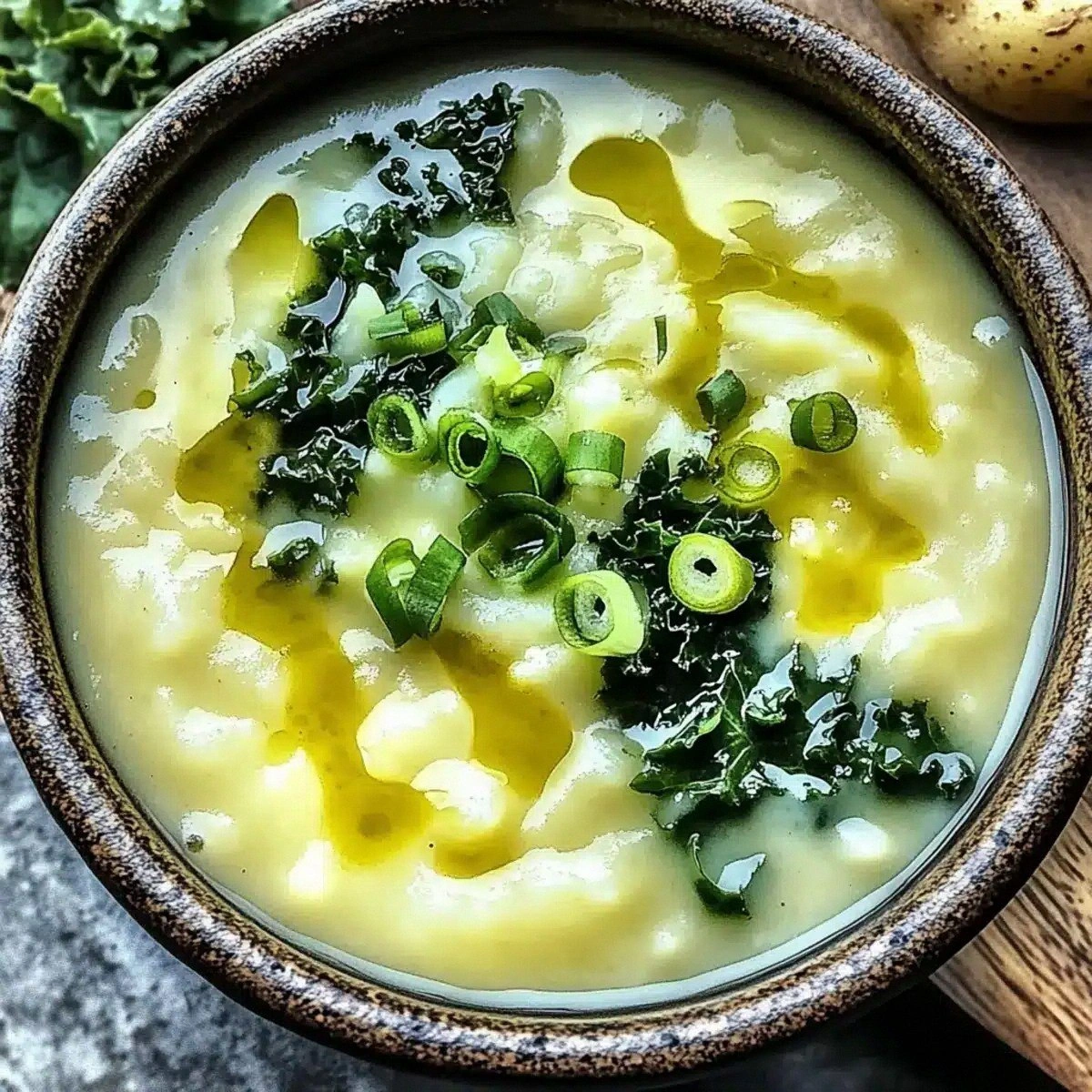
Use white beans, parsnips, turnips, and kale. Replace tomatoes with a splash of cream and extra parmesan. Add rosemary and thyme for a cozy, creamy winter comfort soup that feels like a warm blanket.
Spicy Southwest Twist
Add black beans, corn, diced green chiles, and cumin. Replace Italian herbs with cilantro and a squeeze of lime. Top with avocado, tortilla strips, and a dollop of sour cream for a Mexican-inspired version.
Mediterranean Seafood Version
Add shrimp, scallops, or white fish during the last 5 minutes of cooking. Include fennel, olives, and a splash of ouzo or white wine. Finish with fresh dill and lemon zest for a coastal Italian vibe.
Storage Tips
Refrigerator Storage
Store completely cooled soup in airtight containers in the refrigerator for up to 5 days. The flavors actually improve after the first day! If you've added pasta, it will continue to absorb liquid, so you may need to thin with broth or water when reheating. Always store pasta separately if possible for optimal texture.
Freezer Instructions
This soup freezes beautifully for up to 3 months, but here's the key: freeze without pasta! Portion cooled soup (minus pasta) into freezer-safe containers or bags, leaving 1 inch of space for expansion. Label with contents and date. When ready to enjoy, thaw overnight in the refrigerator, then reheat and cook fresh pasta separately to add when serving.
Reheating Perfection
Reheat gently over medium-low heat, stirring occasionally. Add broth or water to achieve desired consistency as the soup will thicken when stored. Microwave individual portions for 2-3 minutes, stirring halfway through. For stovetop reheating, bring to a gentle simmer—don't boil vigorously or the vegetables will become mushy. Always taste and adjust seasoning after reheating.
Frequently Asked Questions
Absolutely! For slow cooker: Add everything except pasta and quick-cooking vegetables. Cook on low 6-8 hours or high 3-4 hours. Add pasta and quick vegetables during the last 30 minutes. For Instant Pot: Sauté aromatics first, then add everything except pasta. Cook on high pressure for 8 minutes, quick release, then add pasta and use sauté function until pasta is cooked.
The secret is layering seasoning and using salt strategically! Start by seasoning your aromatics, then add a bit more when adding vegetables, and finally taste and adjust before serving. Don't forget acid—a splash of vinegar or lemon juice at the end brightens everything. Also, those parmesan rinds are game-changers for depth!
Yes! Use gluten-free pasta or substitute with cooked quinoa, rice, or even diced potatoes. If you're sensitive to cross-contamination, make sure your broth and canned beans are certified gluten-free. The soup is naturally gluten-free without the pasta, so you can also serve it over cooked gluten-free grains instead.
Think about cooking time: Root vegetables (potatoes, carrots, parsnips) need 20-30 minutes. Medium vegetables (green beans, zucchini, cabbage) need 10-15 minutes. Quick-cooking vegetables (spinach, kale, peas) need just 3-5 minutes. When in doubt, add harder vegetables earlier and taste-test for doneness!
Definitely! Soak 1½ cups dried beans overnight, then simmer until tender (usually 45-60 minutes depending on the bean). You can cook them separately and add, or add them after soaking and increase the soup's simmering time. They're more economical and have better texture than canned!
Any crusty bread is perfect—ciabatta, baguette, or a rustic Italian loaf. Day-old bread works great: brush with olive oil, rub with garlic, and toast for homemade crostini. For a fun twist, make parmesan crisps by baking small mounds of grated parmesan until golden and crisp!

New Year's Day Pantry Clean Out Minestrone Stew for Fresh Start
Ingredients
Instructions
- Build the base: Heat olive oil in a large pot over medium heat. Add onion, carrots, and celery with 1 teaspoon salt. Cook 8-10 minutes until softened.
- Add aromatics: Stir in garlic and cook 1 minute. Add tomatoes, herbs, bay leaf, and parmesan rinds if using. Cook 5 minutes.
- Add vegetables: Add harder vegetables first (potatoes, etc.) with broth. Bring to boil, then simmer 15 minutes.
- Bean time: Add beans and medium vegetables. Simmer 10 more minutes.
- Pasta party: Add pasta and quick-cooking vegetables. Cook until pasta is al dente.
- Finish and serve: Remove bay leaf and parmesan rinds. Stir in fresh herbs. Serve hot with parmesan and crusty bread.
Recipe Notes
Cook pasta separately if planning leftovers to prevent it from absorbing all the broth. This soup tastes even better the next day! Freeze portions (without pasta) for up to 3 months.