
I remember the night my kitchen felt more like a battlefield than a sanctuary. A neighbor’s sourdough starter had gone wild, and I had to salvage a loaf before it turned into a science experiment gone rogue. I grabbed every ingredient I could find, tossed in a handful of blueberries, and added a splash of lemon juice for a daring twist. The result? A loaf that sang with citrus brightness, crackling crust, and a soft, airy crumb that made me laugh and cry all at once.
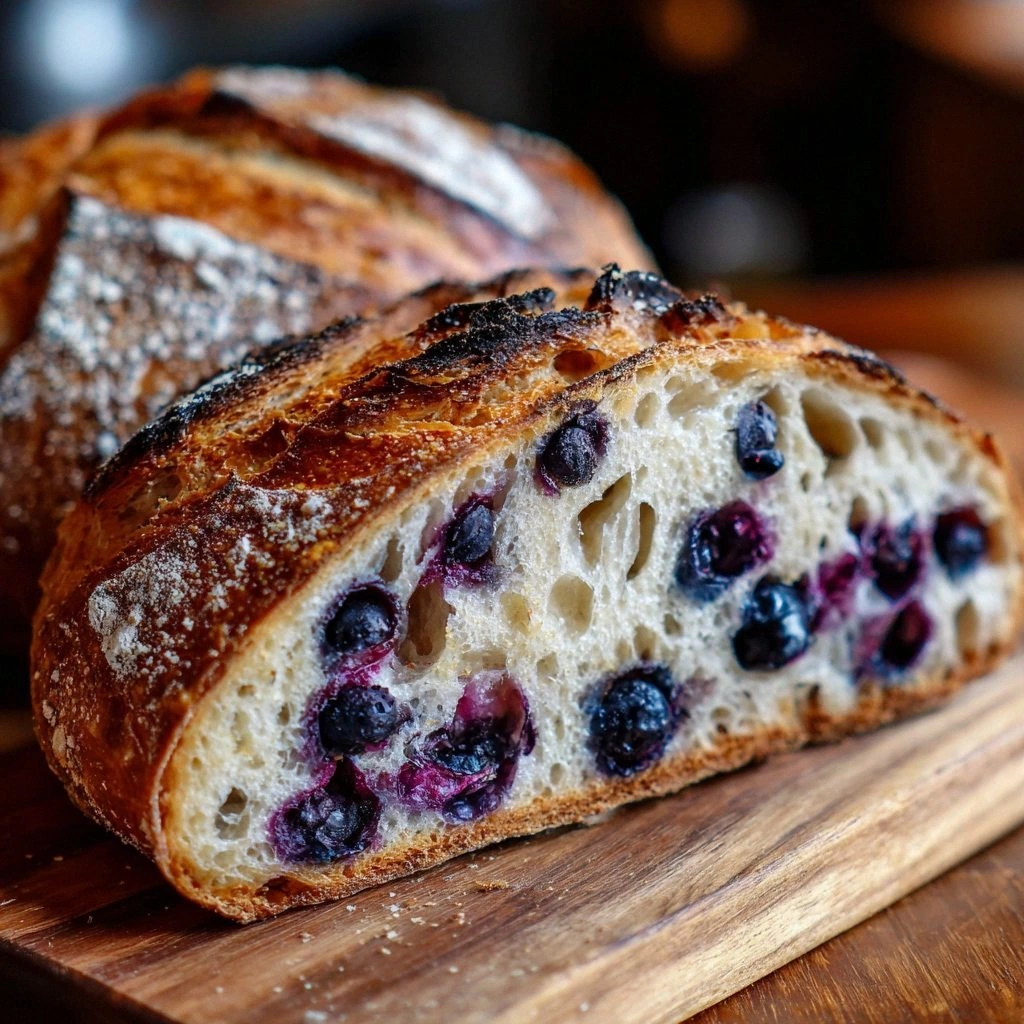
Picture this: the kitchen fills with the sharp, clean scent of lemon zest, the sweet pop of blueberries as they burst, and the earthy aroma of fermented dough rising in a warm, cozy oven. The sound of the dough kneading, the gentle hum of the fridge, the click of the timer—every sensory cue is a note in a symphony of flavor. My taste buds were already dancing when the first slice cracked open, revealing a golden interior that promised a burst of juicy blueberries and a subtle citrus zing. I could almost hear the crowd gasp when I served it to my friends, their mouths watering before the first bite even touched their tongues.
What makes this version stand out from the countless other lemon blueberry breads out there? First, it’s the balanced use of sourdough starter, which gives the loaf a complex, tangy depth that sweet lemon and blueberries alone could never achieve. Second, the fresh blueberries are folded in at the very last moment, preserving their natural juiciness and preventing them from turning to mush during baking. Third, the lemon zest isn’t just a garnish; it’s a flavor carrier that permeates every crumb, creating a bright, refreshing aftertaste that lingers long after the last bite. Fourth, the addition of honey (or a splash of sugar) provides a subtle sweetness that balances the acidity of the lemon and the natural tartness of the blueberries. Finally, the loaf’s crust is intentionally cracked and slightly caramelized, giving it that satisfying crunch that shatters like thin ice when you bite into it.
I dare you to taste this and not go back for seconds. That’s the power of a well-crafted sourdough loaf: once you’ve experienced the perfect interplay of tang, citrus, and fruit, you’ll find yourself craving it again and again. And if you’re skeptical, let me reassure you—this is hands down the best version you’ll ever make at home. Most recipes get this completely wrong by overmixing, underbaking, or ignoring the delicate timing of the sourdough starter. Here’s what actually works. Picture yourself pulling this out of the oven, the whole kitchen smelling incredible, and the loaf cooling on a rack, its crust crackling like a crisp, golden sunrise. Okay, ready for the game‑changer? Let me walk you through every single step—by the end, you’ll wonder how you ever made it any other way.
What Makes This Version Stand Out
- Taste: The combination of tangy sourdough, bright lemon zest, and sweet blueberries creates a flavor profile that is both complex and refreshing. The lemon zest permeates the crumb, giving each bite a bright, citrusy finish that lingers pleasantly on the palate.
- Texture: The dough’s hydration level is carefully balanced to produce a chewy, airy crumb with a slightly caramelized, crackling crust. The blueberries remain plump and juicy, offering a delightful burst of fruit with every bite.
- Simplicity: Despite its sophisticated flavor, the recipe requires only a handful of ingredients and a few straightforward steps. Even a novice baker can master this loaf with minimal fuss.
- Uniqueness: The use of both lemon zest and lemon juice, combined with a honey glaze, sets this loaf apart from ordinary blueberry breads. The glaze adds a subtle sheen and a hint of caramel that enhances the overall experience.
- Crowd Reaction: Friends and family rave about the loaf’s aroma and the surprising burst of blueberries. It’s a show‑stopping centerpiece for brunches, potlucks, and casual get‑togethers.
- Ingredient Quality: Fresh, high‑quality blueberries and a well‑maintained sourdough starter are essential. Using organic or locally sourced ingredients elevates the flavor and supports sustainable baking practices.
- Cooking Method: The recipe incorporates a two‑stage proofing process, ensuring the dough develops maximum flavor and structure without overproofing.
- Make‑Ahead Potential: The dough can be prepared a day ahead, chilled, and baked fresh, making it an ideal option for busy mornings or last‑minute brunches.
Alright, let's break down exactly what goes into this masterpiece... But first, a quick kitchen hack:
Inside the Ingredient List
The Flour Foundation
The dough’s backbone is a blend of all‑purpose and whole‑wheat flour, giving it both structure and a subtle nutty flavor. The all‑purpose flour provides a light, tender crumb, while the whole‑wheat flour adds depth, a slightly chewy texture, and a hint of earthiness. If you’re a gluten‑free enthusiast, you can swap the whole‑wheat flour with a high‑protein gluten‑free blend, but keep the ratio the same to maintain the right consistency.
The Liquid Lift
Water and the sourdough starter are the life force of this loaf. The water hydrates the flour, activates the enzymes, and helps the dough develop its chewy, airy structure. The starter, on the other hand, supplies natural leavening and a complex, tangy flavor that can’t be replicated with commercial yeast. If you’re short on time, a quick‑rise starter can be used, but the flavor profile will differ slightly.
The Citrus Spark
Fresh lemon zest and juice are the bright, zesty highlights that elevate the entire loaf. The zest contains essential oils that provide a sharp, aromatic punch, while the juice adds moisture and a subtle acidity that balances the sweetness of the blueberries and honey. If you prefer a milder citrus note, reduce the zest by half; for a more intense flavor, double the zest and add an extra tablespoon of juice.
The Sweet, Juicy Star
Blueberries are the star of the show. Their natural sweetness and vibrant color contrast beautifully with the tang of the dough. To keep the blueberries from releasing all their juice during baking, fold them in gently at the last moment, after the dough has begun to rise. If you can’t find fresh blueberries, frozen ones work just as well—just thaw them and pat them dry before folding in.
The Sweetener and the Oil
Honey (or a splash of sugar) adds a subtle sweetness that balances the acidity of the lemon and the natural tartness of the blueberries. It also contributes to a golden, caramelized crust. Olive oil, added during the final knead, creates a tender crumb and helps the crust develop a slight sheen. If you’re vegan, a neutral oil like grapeseed or canola works just fine.
The Final Touches
Salt is the flavor enhancer that brings all the ingredients together. A pinch of salt to taste is sufficient, but for consistency, we use a precise 1 teaspoon. This ensures the dough’s flavor is well balanced without being overpowering. If you’re watching sodium intake, you can reduce the salt to ½ teaspoon, but be prepared for a slightly less robust flavor.
Everything’s prepped? Good. Let’s get into the real action...
The Method — Step by Step
- Combine Dry Ingredients: In a large mixing bowl, whisk together 2 cups all‑purpose flour, 1 cup whole‑wheat flour, and 1 teaspoon salt. The flour blend creates a balanced crumb that is both airy and sturdy. Make sure the salt is evenly distributed to avoid pockets of intense flavor.
- Activate the Starter: In a separate bowl, mix 1 cup active sourdough starter with 1 cup lukewarm water until the mixture is smooth and slightly bubbly. The hydration level of the starter is crucial—too dry, and the dough will be dense; too wet, and it will be overly sticky.
- First Knead: Pour the starter mixture into the dry flour mixture. Stir with a wooden spoon until a shaggy dough forms. Then transfer the dough onto a lightly floured surface and knead for about 8–10 minutes, until it becomes elastic and smooth. At this point, add 2 tablespoons of olive oil and knead for an additional 2 minutes to incorporate.
- First Rise (Bulk Fermentation): Place the dough in a lightly oiled bowl, cover with a damp cloth, and let it rise at room temperature (around 75°F) for 1.5–2 hours, or until it has roughly doubled in size. During the first 30 minutes, perform a series of stretch‑and‑folds every 30 minutes to strengthen the gluten network.
- Shape the Loaf: Gently deflate the dough and turn it onto a parchment‑lined baking sheet. Shape it into a round loaf by pulling the edges towards the center and tucking them underneath, creating a tight seam. This step is crucial for a well‑formed loaf with a crisp crust.
- Second Rise (Proofing): Cover the shaped loaf with a clean kitchen towel and let it proof for 45–60 minutes, until it puffs up noticeably but hasn’t quite doubled. The dough should feel light and airy, with a slight give when pressed.
- Preheat the Oven: While the dough proofs, preheat the oven to 425°F (220°C). Place a baking stone or steel on the middle rack to ensure even heat distribution. A hot surface is essential for a crisp, caramelized crust.
- Fold in Blueberries: Once the dough has proofed, gently fold in 1 cup of fresh blueberries. Use a light touch to preserve their juiciness; overmixing will cause them to burst and release moisture, which can make the loaf soggy.
- Add Lemon Zest and Honey Glaze: Sprinkle 2 tablespoons of lemon zest over the dough and drizzle 2 tablespoons of honey evenly across the surface. The honey will caramelize during baking, adding a subtle sheen and sweet flavor. If you prefer a darker crust, brush a thin layer of melted butter over the honey before baking.
- Bake: Slide the loaf onto the preheated baking stone. Bake for 25–30 minutes, or until the crust is golden brown and a toothpick inserted into the center comes out clean. The internal temperature should reach 205°F (96°C) for optimal texture.
- Cool: Remove the loaf from the oven and let it cool on a wire rack for at least 30 minutes before slicing. Cooling allows the crumb to set, preventing it from becoming gummy.
That's it — you did it. But hold on, I've got a few more tricks that'll take this to another level. These insider tips will help you master the loaf and adapt it to your personal preferences.
Insider Tricks for Flawless Results
The Temperature Rule Nobody Follows
Many bakers overlook the importance of dough temperature. Keep your dough at 75°F (24°C) during the bulk fermentation. A cooler dough will ferment slowly, developing deeper flavor, while a warmer dough will rise quickly but may lose complexity. Use a kitchen thermometer to monitor the temperature and adjust by moving the dough to a cooler or warmer spot as needed.
Why Your Nose Knows Best
Trust your nose when the dough starts to smell like warm, sweet bread. This aromatic cue signals that the yeast activity is peaking. If you wait too long, the dough may overproof, resulting in a dense loaf. The smell is a natural, reliable indicator that you’re ready to shape and bake.
The 5‑Minute Rest That Changes Everything
After the final rise, let the loaf rest for 5 minutes before baking. This short rest allows the gluten to relax, preventing the loaf from shrinking in the oven. It also gives the blueberries a chance to settle, ensuring even distribution of fruit throughout the crumb.
Using a Baking Stone vs. Steel
A baking stone provides steady, even heat, which is ideal for a uniform crust. A baking steel, on the other hand, heats up faster and can produce a crisper crust with a darker color. If you have both, start with the stone for the first 10 minutes and then move to the steel for the last 5 minutes to finish with a perfect crust.
The Honey Glaze Trick
If you want a glossy, caramelized finish, brush the honey glaze with a thin layer of melted butter before baking. The butter adds depth of flavor and helps the honey caramelize more evenly, creating a beautiful golden sheen that’s irresistible to the eye.
Creative Twists and Variations
This recipe is a playground. Here are some of my favorite ways to switch things up:
Maple‑Lemon Sourdough
Replace honey with maple syrup for a richer, deeper sweetness. Add a pinch of ground cinnamon to the dough for a warm, aromatic twist that pairs beautifully with the lemon.
Raspberry‑Blueberry Fusion
Swap half the blueberries for fresh raspberries. The tartness of the raspberries complements the lemon zest, creating a vibrant, dual‑berry loaf that’s perfect for summer brunches.
Almond‑Lemon Crust
Sprinkle toasted almond slivers over the top before baking. The nuts add crunch and a nutty flavor that contrasts nicely with the bright lemon and sweet blueberries.
Gluten‑Free Adaptation
Use a high‑protein gluten‑free blend (such as a mix of rice, potato, and tapioca flour) in place of the whole‑wheat flour. Maintain the same hydration level and add a tablespoon of xanthan gum to help the dough rise properly.
Savory Lemon‑Blueberry Sourdough
Omit the honey and add 1 tablespoon of grated Parmesan cheese to the dough. The cheese brings a savory depth that balances the lemon’s brightness, making this loaf a great accompaniment to soups or salads.
Storing and Bringing It Back to Life
Fridge Storage
Wrap the cooled loaf tightly in plastic wrap or place it in an airtight container. It will keep fresh for up to 5 days in the refrigerator. When ready to eat, let it sit at room temperature for 30 minutes before slicing.
Freezer Friendly
Slice the loaf before freezing for convenience. Place the slices in a freezer‑proof bag or container and freeze for up to 3 months. To thaw, leave the slices at room temperature for 2–3 hours or microwave on a low setting for 30 seconds.
Best Reheating Method
Reheat slices in a preheated oven at 350°F (175°C) for 8–10 minutes, or until warm and crusty again. For a quick snack, toast the slices in a toaster or under a broiler for 2–3 minutes. Add a tiny splash of water before reheating to create steam, which helps restore moisture and keeps the crumb from drying out.