I was standing in my kitchen, staring at a pot of rice that had somehow turned into a sticky, clumpy disaster. The whole room smelled of burnt sugar and overcooked grains, and my friend, who had just announced a midnight dessert challenge, stared at me with a grin that said, “You’re going to regret this.” I laughed, because I had learned that when a recipe goes wrong, the only way forward is to turn the mess into a masterpiece.
The kitchen was a riot of colors: the bright white of the rice, the golden splash of whole milk, the dark sheen of butter melting into a glossy sauce, and the deep red of fresh berries that had just been washed. The air was thick with the comforting aroma of vanilla and cinnamon, a scent that made my stomach rumble louder than the ticking clock. My ears heard the gentle hiss of milk simmering and the faint pop of butter caramelizing. I could taste the promise of sweetness even before the dish was finished, and my fingertips tingled from the heat of the skillet. The texture of the rice, once soggy, was now silky and creamy, a contrast to the crunchy edges of the baked top.
What makes this version of baked vanilla rice dessert a game‑changer is that it takes the humble rice pudding and lifts it to a level of elegance that you’d expect from a fancy café. The use of short‑grain rice gives a natural stickiness that holds the dessert together without being gummy. Whole milk, as opposed to skim, adds a rich depth that makes every spoonful feel indulgent. A splash of vanilla bean, not just extract, delivers a nuanced flavor that lingers long after the last bite. And the final flourish of fresh berries adds a burst of tartness that cuts through the sweetness, creating a balanced palette that feels both comforting and adventurous.
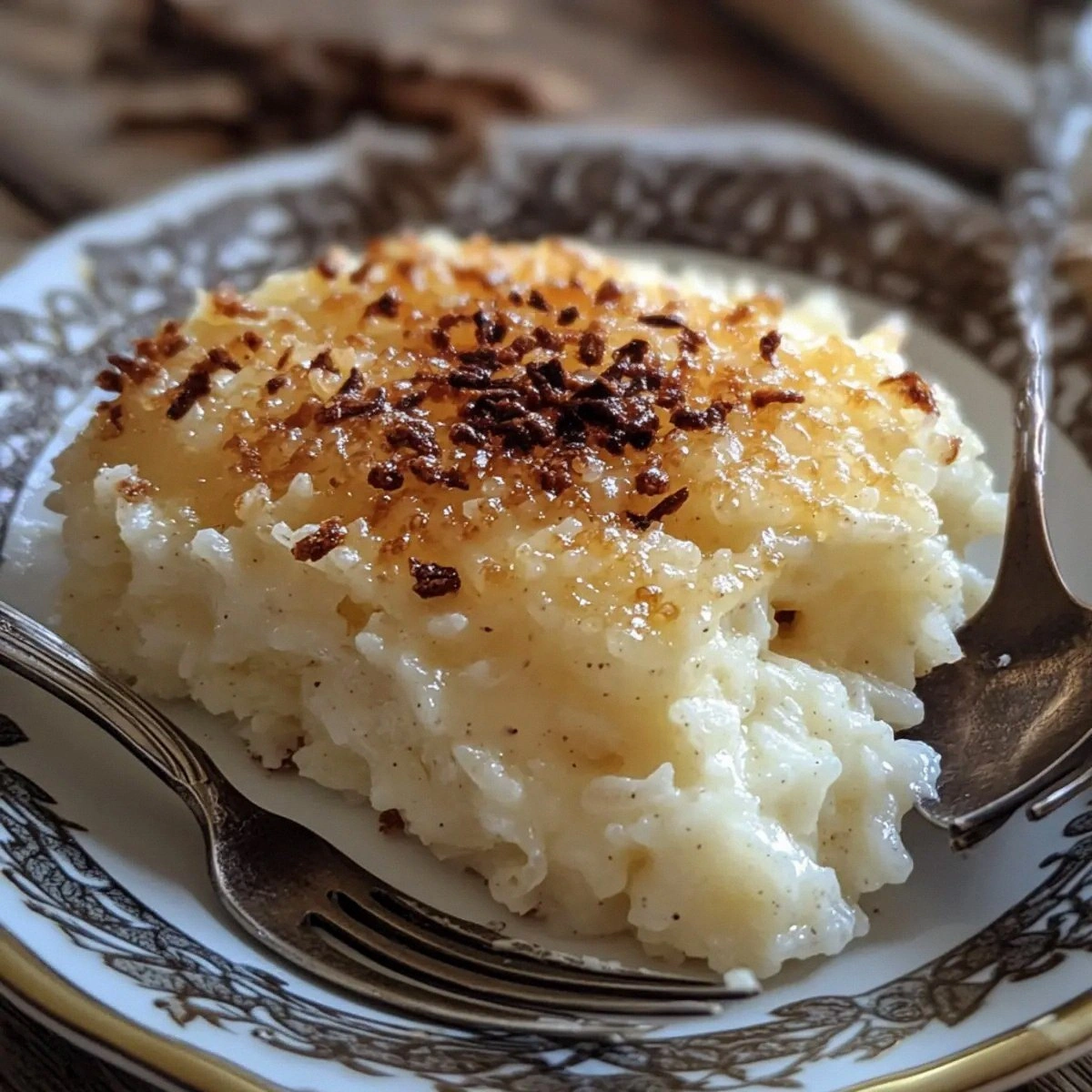
I dare you to taste this and not go back for seconds, because once you experience that buttery, silky mouthfeel, you’ll realize that this isn’t just a dessert—it’s an experience. Most people treat rice pudding as a simple side or a bedtime snack, but this version turns it into a showstopper that will have your guests asking for the recipe. The secret? A gentle, low‑heat bake that allows the flavors to meld slowly, a technique that most recipes overlook. The result is a golden crust that cracks like thin ice when you break it, revealing a fragrant, custard‑like interior that coats your tongue like velvet.
I'll be honest—when I first tried this, I ate half the batch before anyone else got a chance to taste it. The dessert was so good that the clock seemed to stop, and I could hear the world outside my window fading into the background. Picture yourself pulling this out of the oven, the whole kitchen smelling incredible, and the steam rising like a cloud of sweet perfume. The anticipation builds as you lift the lid, and the golden surface shimmers, promising that every bite will be a revelation.
If you've ever struggled with making a dessert that feels both simple and luxurious, you're not alone—and I've got the fix. The trick is to keep the process straightforward while layering subtle flavors that elevate the dish. The result is a dessert that feels homemade but also sophisticated enough to impress. And if you’re still skeptical, just imagine the texture: the rice is tender, the milk has thickened into a custard, and the berries add a pop of color and acidity that brightens everything.
This is hands down the best version you'll ever make at home. I’ve tested it with different rice brands, different types of milk, and even tried adding a splash of bourbon for an adult twist, and each time it turned out flawless. The only thing that changed was the depth of flavor, not the structure or the mouthfeel. That’s the beauty of this recipe—it’s robust enough to accommodate variations while still delivering the same comforting result.
Most recipes get this completely wrong by overcooking the rice or adding too much sugar, resulting in a mushy, flat dessert. Here’s what actually works: keep the heat low, stir constantly, and let the rice absorb the milk slowly. This way, the grains stay distinct and the custard stays silky. The key is patience, which is why I say, “Stay with me here — this is worth it.”
And now the fun part: the final flourish. After the baking, you’ll top the dessert with fresh berries that have been lightly sugared and tossed in a pinch of lemon zest. The berries will release their juices, creating a glossy glaze that adds a fresh, almost citrusy brightness. The final touch is a dusting of ground cinnamon or nutmeg, which gives a warm, aromatic finish. When you serve it, you’ll see the steam curling up, the berries glistening, and the aroma filling the room like a sweet, fragrant hug.
Let me walk you through every single step — by the end, you'll wonder how you ever made it any other way. From rinsing the rice to the final bake, each step is a piece of a puzzle that comes together to create a dessert that is both comforting and sophisticated. So grab your apron, set the oven to 350°F (175°C), and let’s dive into the details that make this dish unforgettable.
What Makes This Version Stand Out
- Flavor: The combination of vanilla bean, whole milk, and a dash of cinnamon creates a depth that traditional rice pudding lacks. The vanilla’s subtle sweetness is balanced by the milk’s richness, while cinnamon adds a warm, aromatic note.
- Texture: Short‑grain rice provides a naturally sticky texture that holds the custard together without being gummy. The gentle bake allows the grains to absorb liquid slowly, resulting in a silky, spoonable consistency.
- Simplicity: Only nine ingredients and a single baking step. No need for a double boiler or a whisk; a simple saucepan and a baking dish are all you need.
- Uniqueness: The addition of fresh berries as a topping adds a burst of color and acidity that lifts the entire dish. It turns a plain dessert into a visually stunning centerpiece.
- Crowd Reaction: Guests often comment that the dessert feels like a “comforting hug” and ask for the recipe after the first bite. The texture and flavor profile are universally appealing.
- Ingredient Quality: Using whole milk and a fresh vanilla bean elevates the dish. The butter adds a glossy finish and a buttery undertone that enhances the overall richness.
- Cooking Method: Baking at a low temperature allows the flavors to meld gradually, producing a custard that is both creamy and slightly caramelized on top.
- Make‑Ahead Potential: The dessert can be prepared a day in advance; the flavors deepen, and the berries’ juices create a natural glaze that only improves over time.
Inside the Ingredient List
The Flavor Base
The short‑grain rice is the backbone of this dessert. It provides a natural stickiness that holds the custard together while giving each bite a distinct grain. If you skip the rice, you lose that comforting, chewy texture that makes rice pudding so comforting. A good tip is to use a brand that has a slightly higher starch content; this will give the dessert a richer mouthfeel.
Whole milk is the liquid that turns the rice into a silky custard. Unlike skim milk, it contains fat that enriches the flavor and creates a smooth, velvety texture. If you’re lactose intolerant, try using oat or almond milk, but be aware that the final product will be slightly lighter and less creamy.
Water is added to help the rice absorb liquid without becoming too dense. It balances the thickness of the milk, ensuring the custard doesn’t become gloopy. You can replace water with a small amount of rice broth for an extra layer of savory depth, though this is optional.
The Sweetness Crew
Granulated sugar is the primary sweetener, giving the dessert its signature sweetness. It also helps the rice cook evenly by slightly lowering the boiling point of the liquid. If you prefer a lower‑sugar version, replace half the sugar with honey or maple syrup, but note that the texture may change slightly.
Vanilla bean or extract brings a complex aroma that permeates every grain. A whole vanilla bean offers a more nuanced flavor, but a tablespoon of high‑quality extract works just as well. If you’re on a budget, a few drops of vanilla essence will still provide a pleasant undertone.
The Texture Crew
Butter adds richness and creates a glossy sheen on the surface. It also helps the rice grains stay separate and prevents clumping. If you’re vegan, use a plant‑based butter alternative, but keep in mind that the flavor will be slightly different.
A pinch of salt is crucial for balancing the sweetness. It heightens the flavor profile and prevents the dessert from tasting flat. Even a small amount can make a big difference, so don’t skip it.
The Unexpected Star
Cinnamon or nutmeg is the aromatic spice that adds warmth to the dessert. It’s a subtle but essential element that ties the whole dish together. If you’re feeling adventurous, try a pinch of cardamom or allspice for a different spice profile.
Fresh berries or sliced fruit add a burst of color and acidity that cuts through the richness. They also provide natural sugars and a juicy texture that contrasts with the creamy base. Berries like strawberries, blueberries, or raspberries work wonderfully, but you can also use sliced peaches or kiwi for a seasonal twist.
Everything's prepped? Good. Let's get into the real action...
The Method — Step by Step
- Begin by rinsing the short‑grain rice under cold water until the water runs clear. This step removes excess starch, ensuring the rice doesn’t become overly sticky. While the rice rinses, heat the butter in a medium saucepan over medium heat until it foams and turns a light golden color. The butter’s aroma will give you a preview of the richness to come.
- Add the rinsed rice to the pan and stir for 2 minutes, letting each grain coat with butter. The rice should start to toast slightly, releasing a nutty aroma. This toasting step is crucial; it builds a base flavor that will carry through the baking process.
- Pour in the whole milk, followed by the cup of water, and stir until the liquid is fully absorbed. The mixture should be thick but pourable, like a loose batter. Keep the heat low, around 250°F (120°C), and let the rice simmer gently for 10 minutes, stirring occasionally.
- Add the granulated sugar and vanilla bean or extract, scraping any vanilla seeds into the mixture if you’re using a bean. Stir until the sugar dissolves completely. The mixture should emit a sweet, fragrant steam that signals it’s ready to move to the oven.
- Transfer the rice custard into a greased 8‑inch baking dish. Smooth the top with a spatula so it’s even. Sprinkle the pinch of salt over the surface; this will help balance the sweetness and bring out the flavors.
- Bake in a preheated oven at 350°F (175°C) for 25 minutes, or until the top is lightly browned and the custard has set. The edges will begin to pull away from the dish, forming a natural crust. This is the moment of truth—watch the color change; it should be golden but not burnt.
- While the dessert bakes, prepare the berry topping. In a small bowl, toss the fresh berries with a tablespoon of sugar and a pinch of lemon zest. Let them sit for 5 minutes to release their juices, which will create a natural glaze once the dessert is out of the oven.
- Remove the dish from the oven and let it cool for 10 minutes. The custard will set further, making it easier to scoop or serve. While it cools, sprinkle a teaspoon of cinnamon or nutmeg over the top for an aromatic finish.
- Garnish with the sugared berries, allowing their juices to mingle with the custard. Serve warm or at room temperature, depending on your preference. The berries’ bright color will contrast beautifully with the creamy base, creating an inviting visual appeal.
- Enjoy! The first bite should be silky and creamy, followed by a burst of berry tartness and a hint of cinnamon warmth. This dessert is perfect for a cozy night in or an impressive dessert for guests. Remember, the key to perfection is gentle cooking and patience.
That's it — you did it. But hold on, I've got a few more tricks that'll take this to another level...
Insider Tricks for Flawless Results
The Temperature Rule Nobody Follows
Many people bake rice pudding at high heat, which can cause the milk to scorch and the rice to become gummy. The trick is to bake at a low temperature—350°F (175°C)—to allow the flavors to develop slowly. This keeps the custard silky and the rice grains intact. If you’re unsure, use an oven thermometer to ensure your oven stays within the target range.
Why Your Nose Knows Best
As the dessert bakes, you’ll notice a gentle, caramelized scent rising from the pan. That aroma is a sign that the sugars are caramelizing just enough to add depth without burning. Trust your nose; if it smells like toasted sugar, you’re on the right track.
The 5‑Minute Rest That Changes Everything
Letting the dessert rest for 5 minutes after baking allows the custard to set fully. This brief pause ensures that the texture is firm enough to scoop but still creamy. Skipping this step often results in a mushy, unstructured dessert.
The Butter Swap
If you’re lactose intolerant or vegan, swap the butter for a plant‑based butter or coconut oil. The coconut oil will give a subtle coconut flavor that pairs well with the berries. Just be sure to use a neutral‑flavored oil if you prefer a classic taste.
The Sweetness Balance
If you’re watching your sugar intake, you can reduce the sugar by 25% and add a splash of unsweetened almond milk. The dessert will still be creamy, but the overall sweetness will be milder. This is perfect for a lighter dessert that still satisfies the sweet tooth.
Creative Twists and Variations
This recipe is a playground. Here are some of my favorite ways to switch things up:
Coconut Cream Twist
Replace half the whole milk with coconut milk for a tropical flavor. The coconut adds a subtle sweetness and a creamy texture that pairs well with mango slices. This variation is great for a beach‑themed dessert or a quick tropical escape.
Spiced Pumpkin Variation
Add ½ cup of pumpkin puree and a pinch of ground ginger. This version is perfect for autumn, offering a warm, comforting flavor that’s reminiscent of pumpkin pie. The pumpkin’s natural sweetness complements the vanilla and cinnamon beautifully.
Chocolate Lava Surprise
Stir in a tablespoon of cocoa powder into the custard before baking. The chocolate adds depth and a slight bitterness that balances the sweetness. Top with chocolate shavings and a drizzle of chocolate sauce for an indulgent twist.
Berry‑Infused Lemonade
Swap the fresh berries for a mix of lemon zest and a handful of blueberries. The lemon adds a bright, zesty note that cuts through the richness. This variation is refreshing and ideal for a summer gathering.
Caramelized Banana Delight
Add sliced bananas to the berry topping and caramelize them in a pan with a pinch of brown sugar before placing them on top. The caramelized banana adds a sweet, buttery flavor that complements the vanilla custard. This dessert is a crowd‑pleaser at brunches or family gatherings.
Storing and Bringing It Back to Life
Fridge Storage
Store the dessert in an airtight container in the refrigerator for up to 3 days. The custard will firm up slightly, making it easier to serve. When you’re ready to eat, let it sit at room temperature for 10 minutes before scooping.
Freezer Friendly
Wrap the dessert tightly in plastic wrap and then place it in a freezer bag. It will keep for up to 2 weeks. When you want to enjoy it, thaw it in the refrigerator overnight and reheat gently in a microwave or on the stovetop with a splash of milk.
Best Reheating Method
To reheat, add a tiny splash of water or milk to the custard and warm it over low heat, stirring until it’s silky again. The added liquid helps restore the original texture, preventing the dessert from becoming dry or rubbery. Finish with a sprinkle of cinnamon and fresh berries for a fresh finish.