Picture this: I’m standing in my tiny kitchen, the smoke alarm flirting with the ceiling while I’m trying to rescue a pan of chicken that’s decided it wants to be flambéed without my permission. The whole scene smelled like a blend of burnt ambition and sweet wine, and I swear the only thing louder than the alarm was my own internal monologue daring me to keep going. That chaotic night birthed the most intoxicating version of chicken marsala you’ll ever taste, and yes, I call it “Drunken Chicken Marsala with T” because the tomatoes are the secret love‑child that turns this classic into a show‑stopper.
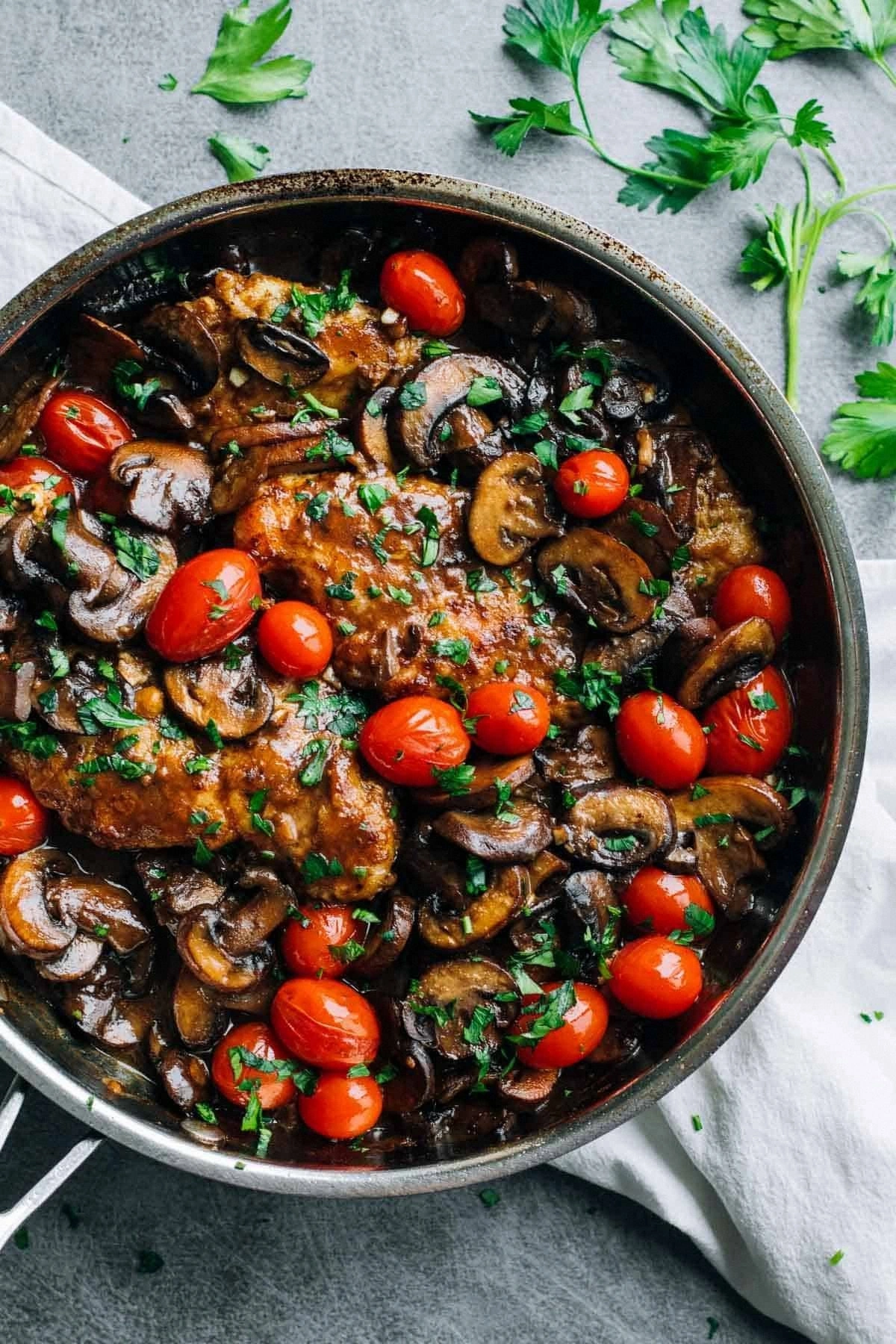
From the first bite, you’ll notice the sauce hugging the chicken like a silk scarf—smooth, glossy, with a hint of caramelized mushroom depth that whispers of Sunday dinner at a rustic Italian villa. The tomatoes add a bright, acidic pop that cuts through the richness, making each mouthful feel like a perfectly balanced tango between sweet wine and savory earth. The chicken itself is seared to a golden crust that shatters like thin ice under a spoon, then finishes bathed in the marsala‑tomato reduction, staying juicy enough to make you question every other chicken recipe you’ve ever tried.
What truly separates this version from the sea of “quick marsala” posts out there is the deliberate “drunken” step: I deglaze the pan with a generous splash of Marsala, let it simmer until it’s reduced to a syrupy glaze, then invite a handful of diced tomatoes to the party. Most recipes either skip the reduction entirely or drown the dish in a watery broth, resulting in a limp sauce that clings to the plate like an afterthought. Here, the wine does the heavy lifting, concentrating flavors, while the tomatoes bring a fresh burst that keeps the palate from getting stuck in a sweet‑wine rut.
I’m also throwing a curveball with a splash of heavy cream at the end—just enough to round out the edges without turning the sauce into a heavy gravy. This little addition makes the sauce coat the chicken like velvet, giving it that luxurious mouthfeel that will have you whispering “more, please” to anyone within earshot. I dare you to taste this and not go back for seconds; the combination is that addictive.
Let me walk you through every single step — by the end, you’ll wonder how you ever made it any other way.
What Makes This Version Stand Out
- Flavor Explosion: The marsala reduction paired with fresh tomatoes creates a sweet‑tart harmony that sings louder than any single‑ingredient sauce could.
- Texture Contrast: Crispy, golden‑brown chicken edges give way to buttery, melt‑in‑your‑mouth meat, while the sauce offers a silky, slightly chunky feel from the mushrooms.
- Simplicity Meets Sophistication: Only a handful of pantry staples are needed, yet the technique feels restaurant‑grade, making you look like a culinary wizard.
- Unexpected Ingredient: The “T” in the title stands for tomatoes, which many marsala recipes ignore, resulting in a brighter, more balanced dish.
- Crowd‑Pleaser Factor: Even the pickiest eaters can’t resist the aroma, and the wine‑infused sauce gets rave reviews at dinner parties.
- Ingredient Quality: Using a good quality Marsala and fresh, ripe tomatoes elevates the entire experience, turning a humble weeknight dinner into a celebration.
- One‑Pan Efficiency: After searing the chicken, everything finishes in the same pan, reducing cleanup and concentrating flavors.
- Make‑Ahead Potential: The sauce improves after a few hours in the fridge, so you can prep ahead and reheat for a flawless dinner.
Inside the Ingredient List
The Flavor Base
Chicken Breasts (4 pieces): These are the canvas for the whole masterpiece. Opt for bone‑in, skinless pieces if you have the time; they stay juicier, but boneless works just as well. Skipping the chicken entirely would be a crime—no sauce, no soul.
All‑Purpose Flour (½ cup): Lightly coating the chicken creates that coveted crust that crackles like thin ice when you cut into it. If you’re gluten‑free, swap with rice flour; the texture will stay crisp, though the flavor will shift slightly.
Salt & Pepper (1 tsp & ½ tsp): Fundamental seasonings that bring out the natural flavors. Don’t be shy—proper seasoning at the beginning prevents a bland final dish.
The Texture Crew
Mushrooms (8 oz, sliced): Cremini mushrooms add earthiness and a meaty bite that complements the chicken. If you love a deeper umami, try shiitake or portobello, but keep the slice thin for even cooking.
Garlic (3 cloves, minced) & Shallot (1, finely diced): These aromatics form the aromatic backbone of the sauce. Their scent when they hit the hot pan is the “sizzle when it hits the pan? Absolute perfection.”
Olive Oil (2 Tbsp) & Butter (2 Tbsp): The oil raises the smoking point for searing, while butter finishes the sauce with a glossy sheen. If you’re dairy‑free, replace butter with a knob of ghee.
The Unexpected Star
Fresh Tomatoes (1 cup, diced, canned or ripe fresh): The “T” in our title. They introduce acidity that balances the sweet marsala, preventing the sauce from becoming cloying. If you can’t find good tomatoes, use a high‑quality canned San Marzano—still a win.
Marsala Wine (¾ cup): This fortified wine is the heart‑beat of the dish. Choose a dry Marsala for a more savory profile; sweet Marsala makes the sauce syrupy and can overwhelm the tomatoes.
Chicken Broth (1 cup): Adds depth without diluting the wine’s intensity. Homemade broth is ideal, but a low‑sodium store‑bought version works in a pinch.
The Final Flourish
Fresh Thyme (1 tsp leaves): A pinch of thyme adds a fragrant, piney note that lifts the sauce. If you’re out of thyme, rosemary works but use half the amount.
Parsley (2 Tbsp, chopped): Sprinkled at the end for color and a fresh herbaceous finish. It’s the garnish that says “I care about presentation.”
Heavy Cream (¼ cup, optional): A splash at the very end creates a velvety texture, rounding out the acidity. Omit for a lighter sauce, but don’t blame me if you miss the silkiness.
Everything's prepped? Good. Let’s get into the real action…
The Method — Step by Step
Start by patting the chicken breasts dry with paper towels; moisture is the enemy of a good sear. Lightly season each side with the salt and pepper, then dust them with the flour, shaking off any excess. In a large, heavy‑bottomed skillet, heat the olive oil over medium‑high heat until it shimmers—this is your cue to add the chicken. Place the breasts skin‑side down (or the side that will be the crust) and let them sizzle undisturbed for about 4‑5 minutes; you’ll hear that satisfying “frrr” that tells you a golden crust is forming.
Kitchen Hack: If the chicken sticks, give it another minute—once the crust fully forms, it will release naturally.Flip the chicken and add the butter to the pan, allowing it to melt and mingle with the oil. Toss in the sliced mushrooms, minced garlic, and diced shallot. Stir constantly for about 3 minutes; the mushrooms should release their juices and start to brown, while the garlic turns a light golden hue, filling the kitchen with an aroma that’s practically a hug for your nostrils.
Now comes the “drunken” moment: pour in the Marsala wine, listening for the lively sizzle as it hits the hot pan. Let it boil gently, scraping the fond (those caramelized bits) with a wooden spoon. The wine should reduce by half, thickening into a glossy syrup that smells like a winemaker’s dream. This reduction is the secret weapon that prevents a watery sauce and builds a deep, caramel‑sweet backbone.
Once the marsala has reduced, stir in the chicken broth and the diced tomatoes. The mixture will bubble up, and you’ll see the sauce transform from a thin wine glaze to a robust, ruby‑red concoction. Bring the sauce to a gentle simmer, then nestle the chicken breasts back into the pan, skin side up. The sauce should now coat the chicken like a lacquer, and the chicken will finish cooking in this flavorful bath.
Watch Out: Keep the heat on medium‑low after adding the broth; too high a flame will cause the sauce to evaporate too quickly, leaving the chicken dry.Cover the pan loosely with foil or a lid and let everything simmer for 12‑15 minutes. The chicken should reach an internal temperature of 165 °F (74 °C). During this time, the sauce will thicken further, and the flavors will meld together, creating that “taste‑bud fireworks” effect. If you prefer a thicker sauce, remove the lid for the last 5 minutes to let excess liquid evaporate.
When the chicken is perfectly cooked, remove the pieces to a warm plate and keep them covered. Turn the heat up to medium‑high and let the sauce reduce for an additional 2‑3 minutes, achieving a glossy, slightly clingy consistency. Stir in the fresh thyme leaves and, if you’re feeling indulgent, the heavy cream. The cream will melt into the sauce, giving it a velvety finish that coats the chicken like a silk scarf.
Return the chicken to the pan, spooning the sauce over each piece to ensure every bite is drenched in that luscious marsala‑tomato glaze. Finish with a generous sprinkle of chopped parsley for a burst of color and a hint of fresh herbaceous brightness. This final garnish is not just for looks; it adds a subtle peppery note that balances the richness.
Serve the chicken over a bed of buttery mashed potatoes, buttery noodles, or simply with crusty artisan bread to mop up every last drop of sauce. As you bring the plate to the table, take a moment to inhale the aroma—think of a rustic Italian trattoria on a rainy night. Picture yourself pulling this out of the oven, the whole kitchen smelling incredible, and you’ll understand why this dish earns its “hands down the best version you’ll ever make at home” badge.
That's it — you did it. But hold on, I've got a few more tricks that'll take this to another level…
Insider Tricks for Flawless Results
The Temperature Rule Nobody Follows
Most home cooks crank the heat up high to speed things along, but the secret is to keep the pan at a steady medium. This allows the chicken to develop a crust without burning, and the sauce reduces evenly. I once tried a high‑heat finish and ended up with a burnt edge and a thin, bitter sauce. Trust the gentle simmer; it’s the difference between a restaurant‑grade glaze and a kitchen mishap.
Why Your Nose Knows Best
When the Marsala is reducing, you’ll notice a shift in aroma—from sharp wine to sweet caramel. If you’re not sure when it’s ready, trust your nose. The moment the scent becomes nutty and the liquid looks syrupy, you’re golden. Don’t rely solely on visual cues; the olfactory signal is the ultimate indicator of flavor development.
The 5‑Minute Rest That Changes Everything
After the chicken finishes cooking, let it rest for exactly five minutes before slicing. This short pause allows the juices to redistribute, preventing a dry bite. I’ve seen people cut straight away and watch the juices run like a mini waterfall, ruining the texture. Set a timer—five minutes is all it takes for a juicy, tender result.
Seasoning Layers, Not One Shot
Season the flour, the chicken, and the sauce separately. A single sprinkle of salt at the beginning will never reach the depth you need. By adding a pinch of salt to the sauce during the reduction and a final dash after the cream is incorporated, you achieve a balanced seasoning that sings from start to finish.
Deglazing With a Twist
If you’re out of Marsala, a dry sherry or a splash of white wine mixed with a teaspoon of balsamic vinegar can mimic the sweet‑acidic profile. The key is to maintain that balance of sweetness and acidity; otherwise, the sauce could taste flat. I tried plain white wine once—ended up with a sauce that tasted like a bland broth. The twist saves you when the pantry is low, but the original Marsala is unbeatable.
Final Finish: Butter‑Glaze Boost
Right before serving, whisk in an extra tablespoon of cold butter. This technique, known as “monter au beurre,” adds a glossy sheen and a buttery richness that makes the sauce cling to the chicken like a lover’s embrace. It’s a tiny step that turns good into unforgettable.
Creative Twists and Variations
This recipe is a playground. Here are some of my favorite ways to switch things up:
Spicy Heatwave
Add a pinch of red‑pepper flakes to the mushroom‑garlic mixture. The heat will cut through the sweetness of the Marsala, giving the dish a lively kick that pairs well with a crisp white wine. Ideal for those who love a little fire.
Herb Garden Medley
Swap thyme for rosemary and add a handful of fresh basil at the end. The rosemary adds piney depth, while basil contributes a sweet, aromatic lift that feels like a summer garden in your mouth.
Smoky Bacon Boost
Render 4 slices of bacon until crisp, set aside, and use the rendered fat for searing the chicken. Stir the crumbled bacon into the finished sauce for a smoky, salty crunch that elevates the dish to comfort‑food heaven.
Vegan Swap
Replace chicken with firm tofu or tempeh, and use vegetable broth instead of chicken broth. The marsala‑tomato reduction still works its magic, and the tofu absorbs the sauce beautifully, making a satisfying plant‑based version.
Cheesy Finish
Stir in ¼ cup of grated Parmesan or Pecorino Romano at the very end. The cheese adds umami depth and a creamy texture that makes the sauce cling even tighter to the protein.
Storing and Bringing It Back to Life
Fridge Storage
Allow the dish to cool to room temperature, then transfer it to an airtight container. It will keep for up to 3 days. When reheating, add a splash of chicken broth or water to revive the sauce’s silkiness.
Freezer Friendly
Separate the chicken from the sauce before freezing. Place the sauce in a freezer‑safe bag, and the chicken pieces on a tray, then freeze. This way, you can reheat the sauce on the stove while warming the chicken in the oven for a crisp edge.
Best Reheating Method
Reheat gently on the stovetop over low heat, stirring occasionally. Add a tiny splash of water or broth—just enough to create steam—so the sauce regains its glossy sheen without turning grainy. Avoid microwave reheating; it can make the chicken rubbery.