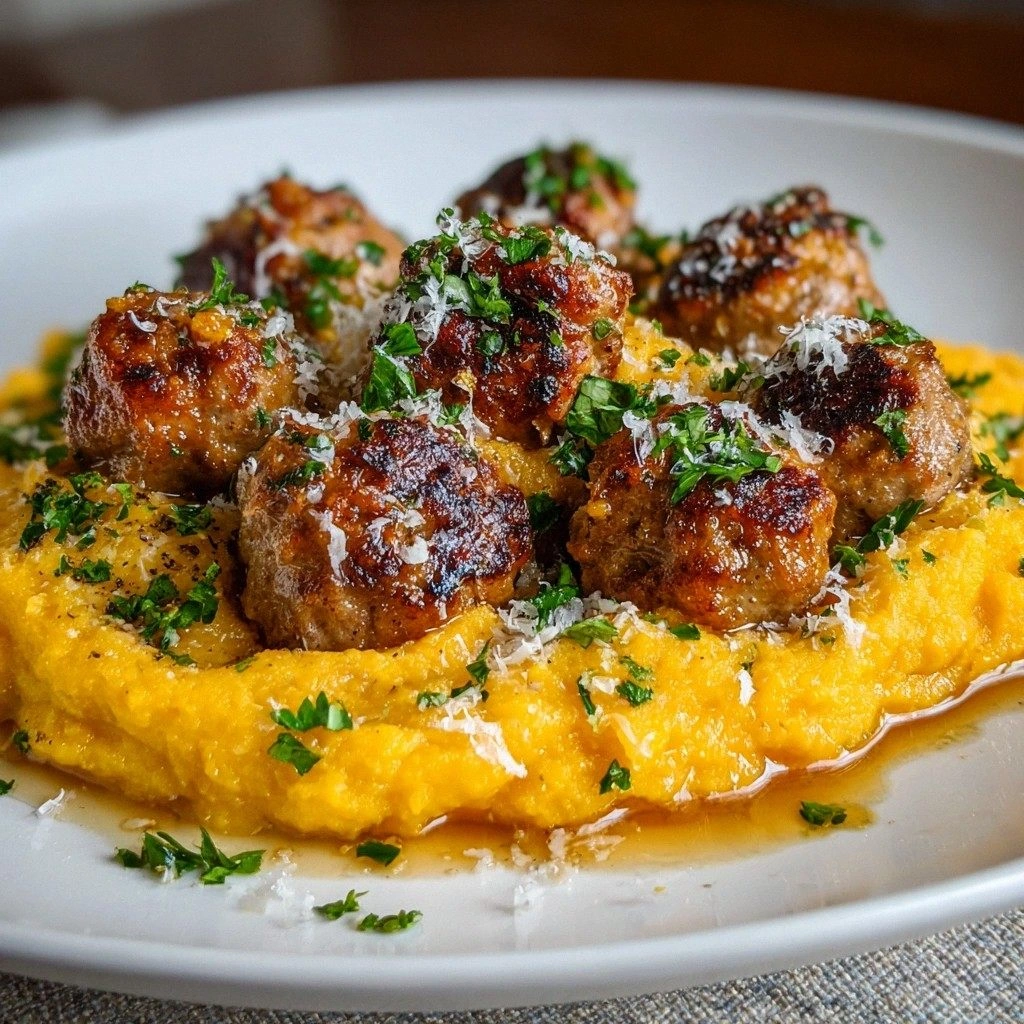
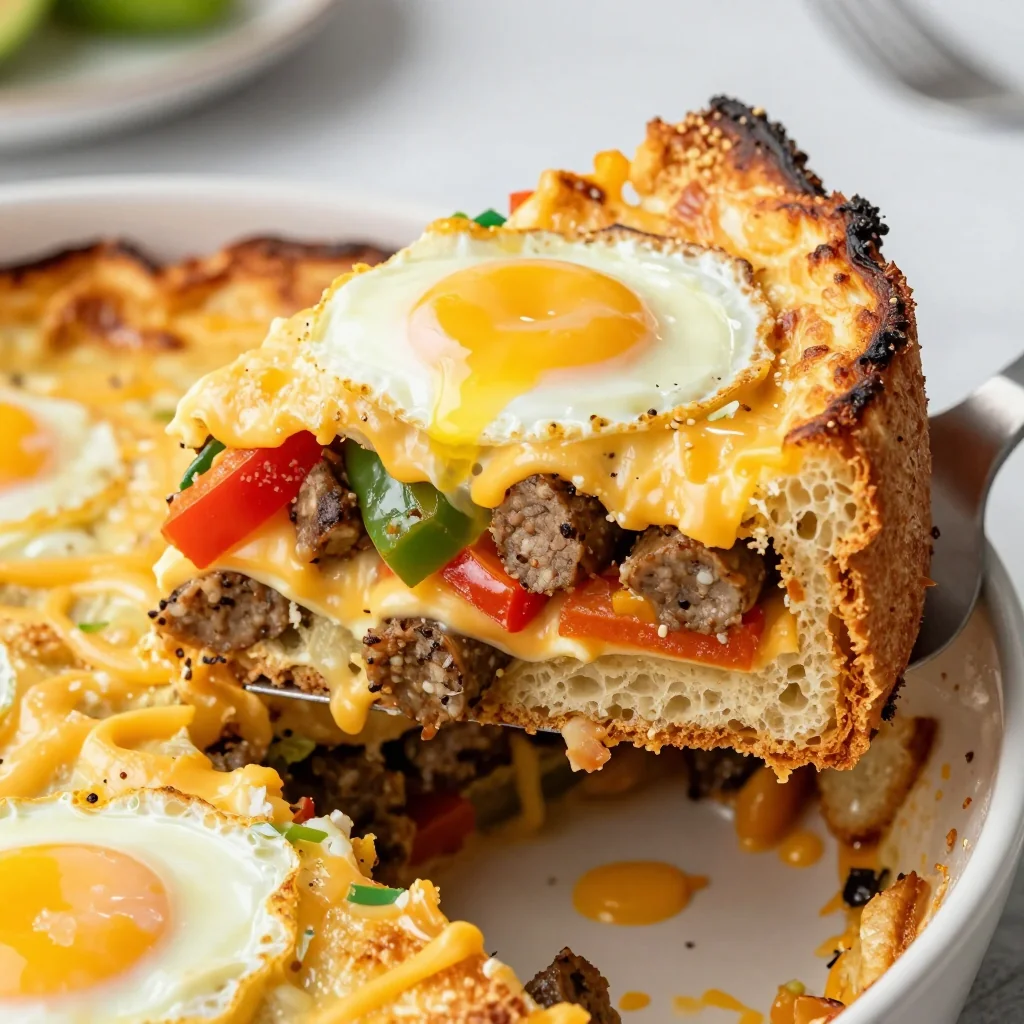
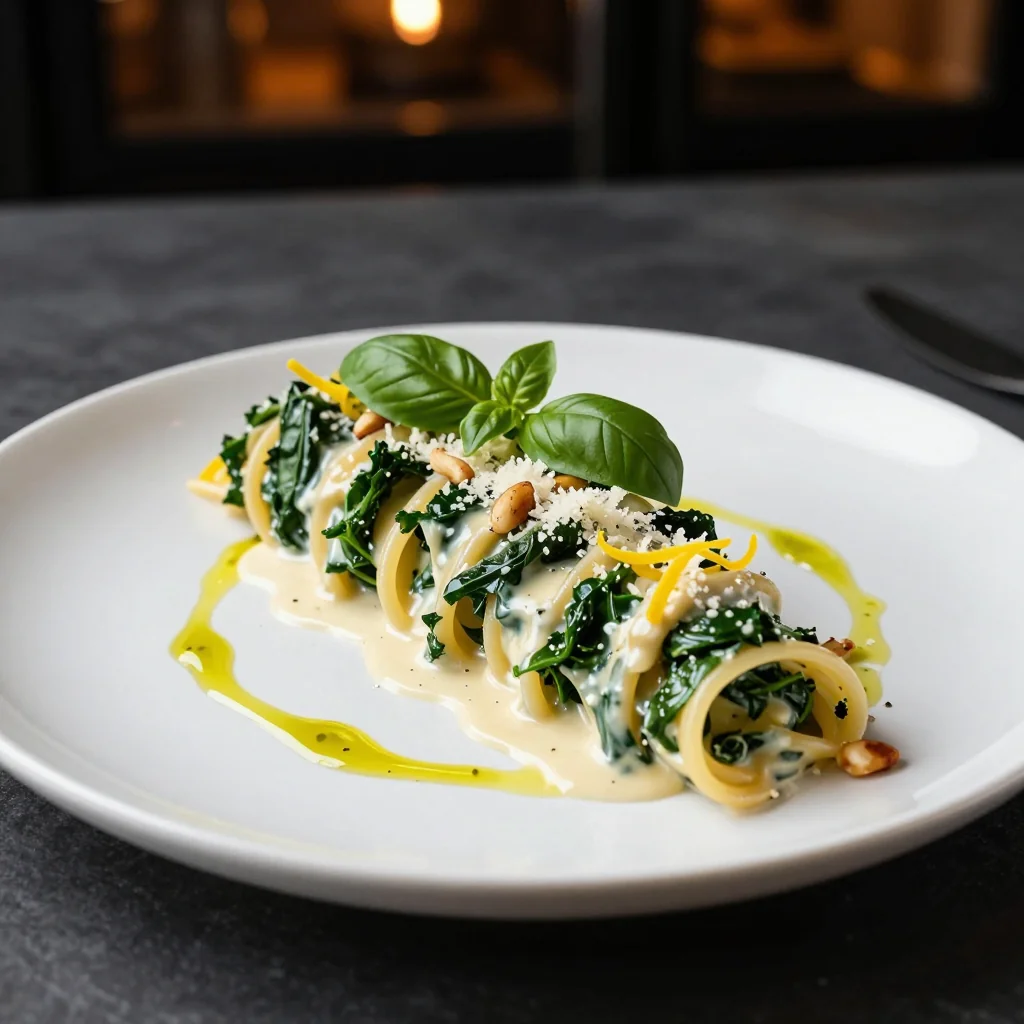
Picture this: I’m standing in my tiny kitchen, a half‑empty pantry, and a sudden, insistent craving for something that feels like a hug from the inside. I tried the usual quick fix—microwave noodles—and they fell flat, like a joke with no punchline. I’m not one to back down from a culinary challenge, so I dug through the back of the cupboard, pulled out a bag of flour, a few odds and ends, and declared a kitchen war on blandness. The result? A dish that turned my modest apartment into a five‑star bistro for a night, and the leftovers still haunt my refrigerator with promises of midnight glory.
The moment the butter hit the pan, it sang a low, buttery sizzle that reminded me of rain on a tin roof—steady, comforting, and impossible to ignore. The air filled with the earthy perfume of onions caramelizing, a scent so rich it practically painted the walls a warm amber. As I tossed in the diced ham and peas, the colors swirled like an artist’s palette, each hue promising a different texture and burst of flavor. When the creamy sauce finally thickened, it clung to the pasta like velvet, each bite a harmonious orchestra of savory, sweet, and just‑a‑hint‑of‑spice notes.
Most recipes I’ve tried either skim the surface or drown you in a sea of steps that feel more like a marathon than a meal. This version, however, is the equivalent of a perfectly timed drum solo—concise, powerful, and unforgettable. The secret lies not in exotic ingredients but in a few game‑changing techniques that lock in moisture, create that coveted caramelized crust, and balance flavors without overwhelming the palate. I’ll even let you in on a little ingredient swap that adds a whisper of brightness you never saw coming.
So, grab your apron, fire up the stove, and let’s embark on a flavor adventure that will make you question every other dish you’ve ever made. Let me walk you through every single step — by the end, you’ll wonder how you ever made it any other way.
What Makes This Version Stand Out
- Depth: The combination of ham, peas, and a touch of Dijon creates layers that unfold with each bite, delivering a savory depth most one‑pot meals lack.
- Texture: A golden breadcrumb topping adds a satisfying crunch that shatters like thin ice, contrasting beautifully with the silky interior.
- Simplicity: Despite the complex flavor profile, the ingredient list stays under twenty‑two items, making it a weeknight hero without a grocery marathon.
- Uniqueness: The dash of lemon zest brightens the dish, a twist most recipes miss, turning the whole experience from hearty to unforgettable.
- Crowd Reaction: I dare you to taste this and not go back for seconds; even the pickiest eaters will be reaching for the serving spoon.
- Ingredient Quality: Using high‑quality butter and fresh herbs elevates the dish from good to “hands down the best version you’ll ever make at home.”
- Cooking Method: A two‑stage bake—first on the stovetop, then in the oven—locks in moisture while developing that caramelized crust.
- Make‑Ahead Potential: This dish reheats like a dream, gaining even more flavor after a night in the fridge.
Inside the Ingredient List
The Flavor Base
Olive Oil (2 tbsp): This is the silent workhorse that awakens the aromatics, ensuring the onions and garlic glide smoothly without burning. Skipping it leaves a dry, uneven sauté that can ruin the whole flavor foundation.
Onion, chopped (½ cup): Provides a sweet backbone; when caramelized, it adds a nutty undertone that balances the saltiness of the ham. If you substitute with shallots, expect a milder, more delicate flavor.
Garlic, minced (2 cloves): Delivers that unmistakable punch; it releases allicin when crushed, which adds depth and a lingering aroma. Overcooking can turn it bitter, so keep the heat moderate.
The Texture Crew
All‑purpose Flour (2 cups): Acts as the thickening agent for the sauce, creating that silky, velvety coating that clings to each noodle like a second skin. Using cake flour will make the sauce too thin, while bread flour can make it gummy.
Milk (2 cups): The liquid backbone that merges with the flour to form a roux; whole milk gives richness, whereas skim milk will produce a thinner sauce lacking body.
Heavy Cream (½ cup): Introduces a luxurious mouthfeel, rounding out the sauce and preventing it from tasting flat. If you’re dairy‑free, coconut cream works but will add a subtle coconut flavor.
The Unexpected Star
Lemon Zest (1 tsp): This bright, citrusy spark lifts the heaviness of the cheese and ham, creating a balance that feels both comforting and refreshing. A common mistake is to add lemon juice instead—zest provides aroma without extra moisture.
Dijon Mustard (1 tbsp): Adds a gentle tang and depth that you won’t get from plain mustard; it also helps emulsify the sauce, keeping it smooth.
Worcestershire Sauce (1 tbsp): A umami bomb that deepens the savory profile, making the dish taste like it’s been simmering for hours.
The Final Flourish
Shredded Cheddar (1 cup): Offers a sharp, tangy melt that binds the ingredients together. Opt for aged cheddar for a more pronounced flavor.
Ham, diced (1 cup): Provides smoky, salty bites; choose a good-quality, minimally processed ham for the best texture.
Frozen Peas (1 cup) & Corn (1 cup): These sweet, bright vegetables add pop and color, balancing the richness of the sauce. Fresh or frozen works, but frozen maintains a consistent texture.
Breadcrumbs (¼ cup): The final crunchy element that forms a golden crust when baked. Panko works best for extra lightness.
Butter (2 tbsp): Enriches the sauce and helps brown the breadcrumb topping to a perfect amber hue.
Everything's prepped? Good. Let's get into the real action...
The Method — Step by Step
Heat the olive oil in a large, heavy‑bottomed skillet over medium heat. Add the chopped onion and a pinch of salt, letting it sweat until it becomes translucent—about three minutes. Then toss in the garlic and sauté for another 30 seconds; you’ll hear a gentle sizzle that signals the aromatics are waking up. This is the moment of truth: if the onions start to brown too quickly, lower the heat; we want sweetness, not bitterness.
Increase the heat to medium‑high and sprinkle the flour over the softened onions, stirring constantly to form a roux. Cook the mixture for two minutes, stirring until it turns a light golden color and gives off a nutty perfume. Watch out: If the roux darkens too fast, you’ll end up with a burnt flavor that can’t be rescued later. Keep the spoon moving and trust the scent.
Kitchen Hack: Whisk the flour and oil together off the heat first; this prevents lumps when you add the liquid later.Slowly whisk in the milk, followed by the heavy cream, creating a smooth, glossy sauce. As the liquid incorporates, you’ll notice the mixture thickening, coating the back of a spoon like satin. Bring the sauce to a gentle simmer, then stir in the Dijon mustard, Worcestershire sauce, lemon zest, and paprika. At this point, the kitchen smells like a cozy bakery—warm, inviting, and slightly tangy.
Fold in the shredded cheddar, allowing it to melt into the sauce, turning it into a luscious cheese blanket. Once the cheese is fully incorporated, add the diced ham, peas, corn, and a dash of black pepper. The ingredients should be evenly distributed, each bite promising a burst of salty, sweet, and creamy delight. If the sauce looks too thick, add a splash of chicken broth to loosen it just enough for a glossy finish.
Preheat your oven to 375°F (190°C). Meanwhile, transfer the sauce and its hearty contents into a greased 9‑inch baking dish, spreading it out evenly. Sprinkle the breadcrumb topping over the surface, then dot the top with small butter pats. The butter will melt and mingle with the breadcrumbs, creating that coveted caramelized crust that shatters like thin ice when you cut into it.
Slide the dish into the preheated oven and bake for 20‑25 minutes, or until the top turns a deep golden brown and the edges start pulling away from the sides of the pan. The aroma at this stage is pure magic—your kitchen will feel like a five‑star restaurant about to serve its signature dish.
Watch Out: Resist the urge to open the oven door too early; the steam inside helps the crust set perfectly. Opening too soon can cause a soggy top.Once baked, remove the dish and let it rest for five minutes. This short pause allows the sauce to settle, making it easier to slice without the layers sliding apart. The rest period also lets the flavors meld further, turning a good dish into a great one.
Serve hot, garnished with a sprinkle of fresh parsley for a pop of color and a hint of herbaceous brightness. Picture yourself pulling this out of the oven, the whole kitchen smelling incredible, and the first bite delivering a perfect balance of creamy, crunchy, and savory. I’ll be honest — I ate half the batch before anyone else got to try it.
That's it — you did it. But hold on, I've got a few more tricks that'll take this to another level...
Insider Tricks for Flawless Results
The Temperature Rule Nobody Follows
Never start with a cold pan. A preheated skillet ensures the butter melts uniformly and the aromatics begin to sizzle instantly, locking in flavor. I once tried cooking on a cold surface; the onions turned mushy and the sauce never thickened properly. Warm the pan for at least a minute before adding oil, and you’ll hear that satisfying “shhh” that tells you you’re on the right track.
Why Your Nose Knows Best
When the sauce reaches a gentle simmer and gives off a buttery, nutty aroma, you’ve hit the perfect thickness. Trust your nose over the timer; if the scent turns sharp or burnt, lower the heat immediately. This sensory checkpoint saves you from a ruined sauce and adds a layer of confidence to your cooking instincts.
The 5‑Minute Rest That Changes Everything
After baking, let the dish sit uncovered for five minutes. This rest lets the steam escape, preventing a soggy crust, and allows the cheese to firm up slightly, making slicing clean and neat. Skipping this step often results in a messy plate and a loss of that coveted crumbly top.
Butter‑Boosted Breadcrumbs
Mix melted butter directly into the breadcrumbs before sprinkling them over the dish. This small addition ensures every crumb is coated, giving a uniform golden sheen and an extra crunch factor. I’ve tried dry breadcrumbs and they never achieve that perfect, glossy finish.
Seasoning Layers, Not Just One
Season at three critical points: the onions, the sauce, and the final breadcrumb topping. Each layer builds depth, preventing a flat‑tasting final product. I once seasoned only the sauce and ended up with a bland bite; the extra seasoning steps transformed the dish into a flavor fireworks display.
Creative Twists and Variations
This recipe is a playground. Here are some of my favorite ways to switch things up:
Spicy Southwest
Swap the ham for chorizo, add a chopped jalapeño, and replace the cheddar with pepper jack. The result is a fiery, smoky twist that’s perfect for game night.
Vegetarian Delight
Omit the ham and replace it with roasted butternut squash cubes. Add a handful of spinach for extra green goodness. The sauce remains creamy, and the veggies bring a sweet‑earthy balance.
Herb‑Infused Elegance
Stir in fresh thyme, rosemary, and a splash of white wine during the sauce stage. The wine adds acidity, while the herbs provide an aromatic lift—ideal for a dinner party.
Cheesy Overload
Mix half the cheddar with mozzarella and a sprinkle of Parmesan on top. This trio creates a stretchy, gooey pull that cheese lovers will adore.
Breakfast Remix
Use breakfast sausage instead of ham, add a handful of diced bell peppers, and serve over toasted English muffins. It’s a hearty brunch that feels indulgent yet comforting.
Gluten‑Free Version
Replace the all‑purpose flour with a gluten‑free blend and use almond meal for the breadcrumb topping. The texture stays satisfying, and the dish remains accessible for those with gluten sensitivities.
Storing and Bringing It Back to Life
Fridge Storage
Allow the dish to cool to room temperature, then cover tightly with foil or a lid. It will keep fresh for up to three days. Reheat gently on the stovetop over low heat, adding a splash of milk to revive the sauce’s silkiness.
Freezer Friendly
Portion the cooled casserole into freezer‑safe containers, leaving a little headroom for expansion. It freezes beautifully for up to two months. Thaw overnight in the refrigerator, then bake at 350°F (175°C) for 20 minutes, uncovered, to regain that crisp top.
Best Reheating Method
For the ultimate revival, place a single‑layer of the leftovers in a shallow baking dish, drizzle a teaspoon of water over the surface, and cover loosely with foil. Bake at 325°F (160°C) for 15‑20 minutes. The added moisture creates a gentle steam that restores the sauce’s creaminess while preserving the crust’s crunch.