I remember the night I tried to impress my friends with a fancy pasta salad and ended up with a bowl of soggy, flavorless orzo that looked like it had been left in a bathtub for a week. The kitchen was a mess, the orzo was overcooked, and the dressing was a bland, watery soup that tasted like it had been whisked in a hurry. I stared at the disaster, swore I would never again serve a lackluster dish, and then I discovered the secret to a zesty, vibrant salad that makes every bite a celebration. That moment was a turning point in my cooking journey, and I’ve been sharing this recipe ever since.
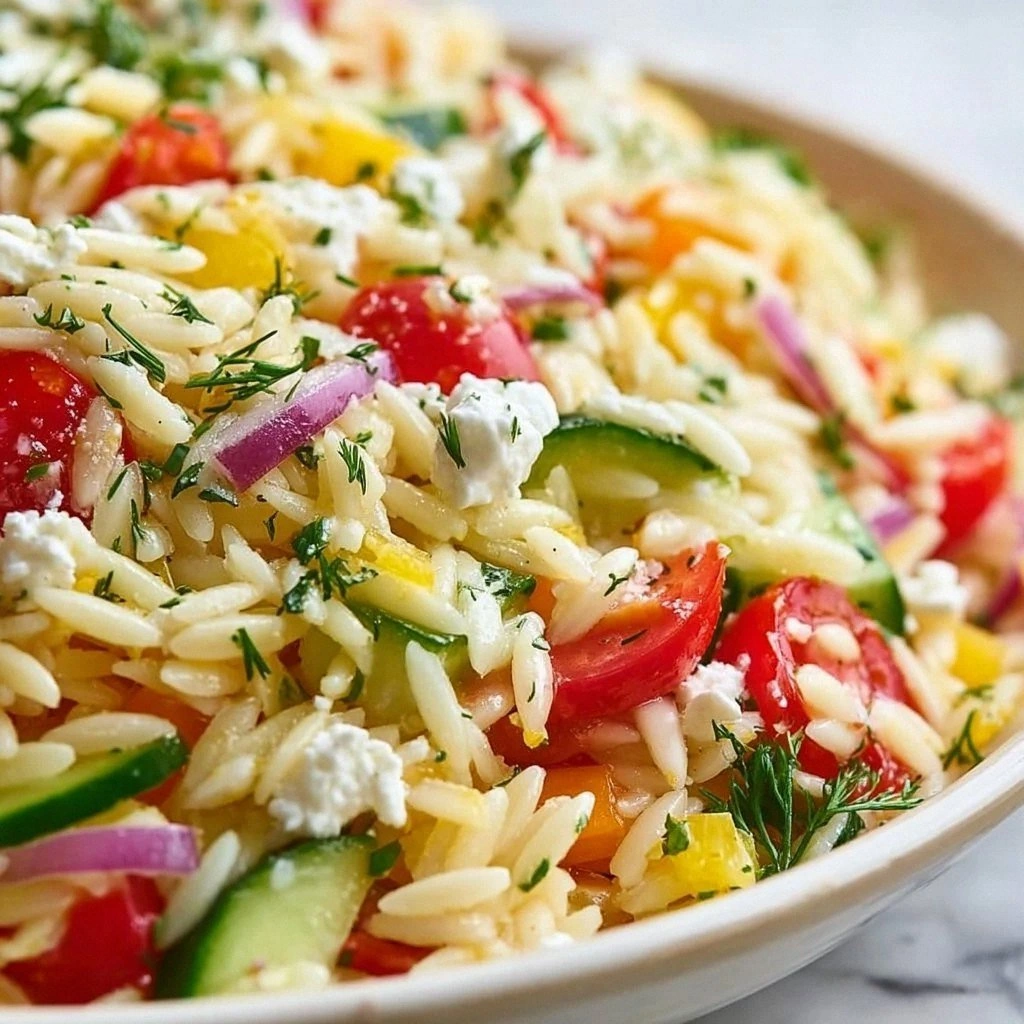
Picture this: a plate of orzo that’s light as a cloud, each grain coated with a citrusy, herbaceous sauce that tingles on the tongue. The aroma is a bright citrus burst, mingled with the faint, sweet perfume of fresh parsley and the sharp, salty sting of olives. When you take a bite, the pasta snaps with a satisfying crunch before the creamy feta and juicy tomatoes burst, releasing a burst of juices that dance across your palate. The texture is a delightful contrast between the smooth, silky dressing and the crunchy, fresh veggies. The finish is a lingering, tangy zing that makes you reach for another spoon.
What sets this version apart is that it’s not just a salad; it’s a flavor explosion that balances brightness, creaminess, and savory depth. It’s the kind of dish that turns an ordinary gathering into a memorable event. The key lies in a few simple, high‑impact tweaks: a generous amount of fresh lemon zest, a splash of good olive oil, and a handful of capers that add a briny punch. The orzo is cooked to al dente perfection, then chilled to lock in the crispness that holds the dressing in place. And the finish? A sprinkle of toasted pine nuts that adds a subtle nutty crunch that elevates the entire experience.
I dare you to taste this and not go back for seconds. I’ve spent countless hours tweaking the proportions, experimenting with different herbs, and testing the timing until every element harmonized like a well‑orchestrated symphony. By the end of this guide, you’ll wonder how you ever made it any other way. Let me walk you through every single step — by the end, you’ll wonder how you ever made it any other way.
What Makes This Version Stand Out
- Flavor: The citrus‑infused dressing coats each grain like velvet, creating a bright, tangy base that’s impossible to ignore.
- Texture: The al dente orzo delivers a satisfying bite, while the fresh vegetables add crunch and the feta brings creamy richness.
- Freshness: Every ingredient is added raw, preserving its natural flavors and giving the salad a lively, garden‑fresh vibe.
- Simplicity: With less than a dozen ingredients, you can assemble this masterpiece in under 45 minutes.
- Versatility: It’s a perfect side for any summer barbecue, a light lunch, or a crowd‑pleasing appetizer at parties.
- Make‑ahead: The salad keeps its flavors and textures for up to 48 hours, making it ideal for meal prep.
- Nutrition: Packed with protein from feta and healthy fats from olive oil, it’s a balanced dish that satisfies without the guilt.
Inside the Ingredient List
The Flavor Base
Fresh lemon zest is the star that gives this salad its signature brightness. It releases essential oils that carry the citrus flavor deep into the pasta, creating a zesty backdrop that’s both refreshing and aromatic. Skipping the zest will make the dish feel flat and lifeless, so don’t underestimate its power. If you’re a fan of a slightly sweeter citrus note, add a pinch of honey to the dressing for a subtle contrast.
The olive oil isn’t just a filler; it’s the medium that binds the flavors together. A high‑quality extra‑virgin olive oil with a peppery finish adds depth and a silky mouthfeel. Use about a third cup for four servings, and be sure to taste as you go—too much oil can overwhelm the delicate lemon notes. If you’re looking for a lighter version, swap half the oil for a splash of white wine or sparkling water.
A clove of garlic, minced finely, adds a punch of savory aroma that cuts through the citrus brightness. The garlic should be minced just before adding the dressing to avoid a raw, sharp bite. If you’re not a garlic fan, reduce it to one clove or omit it entirely; the dish will still shine, but you’ll miss the subtle depth it provides.
The Texture Crew
Al dente orzo provides a firm bite that balances the creaminess of feta and the juiciness of tomatoes. Cook the pasta one minute less than the package instructions, then rinse under cold water to halt the cooking process and lock in the texture. If you prefer a softer bite, cook it a minute longer, but be careful not to overcook, or it will become mushy.
Crisp, diced cucumber adds a cool, refreshing crunch that contrasts beautifully with the warm, tangy dressing. Slice the cucumber into small cubes and rinse with a splash of vinegar to keep it crisp. For a subtle twist, replace cucumber with finely diced bell pepper for a sweeter, colorful bite.
Crumbled feta cheese brings creamy richness that balances the acidity of the lemon. Use a mid‑fat feta for a smoother melt; a low‑fat version can be a bit crumbly and less flavorful. If you’re vegan or lactose‑intolerant, replace feta with a plant‑based cheese that has a similar tang.
The Unexpected Star
Capers are the secret weapon that adds a briny, sharp punch that cuts through the citrus and balances the sweetness of the tomatoes. Rinse them well to remove excess salt before adding. If you can’t find capers, a tablespoon of finely chopped pickled green olives will give a comparable briny note.
Kalamata olives bring a deep, fruity flavor that pairs wonderfully with lemon. Slice them thinly and scatter them throughout the salad. Their slightly bitter undertone enhances the overall complexity of the dish. If you prefer a milder olive, use a green or black olive; just adjust the salt accordingly.
The Final Flourish
Fresh parsley is the finishing touch that adds a green, herbaceous note and a pop of color. Chop it finely and fold it in at the very end to preserve its bright flavor. Parsley also adds a subtle peppery undertone that complements the lemon.
Toasted pine nuts or chopped walnuts provide a nutty crunch that elevates the dish to gourmet status. Toast the nuts in a dry skillet until golden, then let them cool before adding. If nuts are a no‑no for you, sprinkle a handful of sunflower seeds for a crunchy, nut‑free alternative.
Everything's prepped? Good. Let's get into the real action...
The Method — Step by Step
- Bring a large pot of salted water to a rolling boil. Add the orzo and cook for 8 minutes, or until just shy of al dente. Drain and rinse under cold water to stop the cooking process. Pat the pasta dry with a clean towel. This step is crucial; a slightly under‑cooked grain will hold the dressing better and keep the salad from becoming mushy.
- While the pasta is still warm, transfer it to a large mixing bowl. Toss with 2 tablespoons of lemon zest, the minced garlic, and the olive oil. The heat from the pasta will help release the citrus oils, creating an aromatic base that coats every grain. This is the moment of truth—watch the aroma rise.
- Add the lemon juice, salt, and pepper to the bowl. Stir until the dressing is fully incorporated. Taste and adjust seasoning; the lemon should be bright but not overpowering. This step ensures the flavors meld together before the veggies are added.
- Fold in the cherry tomatoes, cucumber, red onion, olives, capers, and feta. Toss gently to combine. The goal is to coat each component with the dressing without breaking the orzo apart. The fresh vegetables should remain crisp and vibrant.
- Sprinkle the chopped parsley and toasted pine nuts over the salad. Toss lightly. The parsley adds a burst of green, while the nuts provide a satisfying crunch that contrasts with the creamy feta.
- Cover the bowl with plastic wrap and refrigerate for at least 30 minutes to allow the flavors to marry. The salad will continue to develop as it chills.
- Just before serving, give the salad a final toss. Add a splash of extra olive oil or a squeeze of lemon if you want an extra bright finish. Plate into bowls or on a platter, and serve chilled.
That's it — you did it. But hold on, I've got a few more tricks that'll take this to another level. These insider tips will help you avoid common pitfalls and elevate the dish to professional‑grade quality.
Insider Tricks for Flawless Results
The Temperature Rule Nobody Follows
Many cooks over‑cook the orzo, resulting in a mushy salad that can’t hold its dressing. The trick is to cook it a minute less than the package says, then rinse under cold water. This stops the cooking process immediately, preserving the al dente bite that’s essential for texture. If you’re using a rice cooker or instant pot, set it to “manual” for 6 minutes and then perform an instant vent.
Why Your Nose Knows Best
When you stir the dressing, pay attention to the aroma. A bright, citrusy scent that’s not too sharp indicates that the lemon zest and oil have blended perfectly. If the smell is flat or overly acidic, add a splash of olive oil or a pinch of sugar to balance. Trust your nose; it’s a reliable guide to flavor harmony.
The 5‑Minute Rest That Changes Everything
After adding the vegetables, let the salad sit for five minutes before plating. This short rest allows the dressing to seep into the pasta and veggies, ensuring each bite is evenly seasoned. It also gives the feta time to soften slightly, creating a silky mouthfeel. A friend once skipped this step, and the salad tasted like a dry, unseasoned bowl.
Use Fresh Herbs, Not Dried
Fresh parsley or dill brings a bright, green flavor that dried herbs can’t match. The essential oils in fresh herbs evaporate quickly, so add them last to preserve their aroma. If you’re in a pinch, dried herbs can be used, but add them sparingly to avoid bitterness.
Add a Splash of Vinegar for Balance
A teaspoon of white wine vinegar or apple cider vinegar brightens the dressing and cuts through the richness of the feta and olive oil. It also helps to keep the cucumber crisp. Be careful not to add too much, or the salad will become acidic. A quick taste test after adding will keep you on track.
Creative Twists and Variations
This recipe is a playground. Here are some of my favorite ways to switch things up:
Mediterranean Marinara Twist
Swap the lemon dressing for a tomato‑based marinara sauce and add roasted red peppers. The result is a warm, comforting pasta salad that’s perfect for cooler evenings. Pair it with a side of crusty bread for a complete meal.
Asian Fusion Flavor
Replace the feta with diced tofu and toss with a splash of soy sauce, sesame oil, and a hint of sriracha. Add shredded carrots and sliced green onions for crunch. The umami and heat give the dish an entirely new dimension.
Summer Berry Boost
Add a cup of fresh strawberries or blueberries to the salad. The natural sweetness balances the lemon’s acidity, creating a fruity, refreshing twist. This version is especially popular at backyard barbecues.
Spicy Cajun Kick
Stir in a teaspoon of Cajun seasoning and a handful of diced jalapeños. The smoky heat pairs wonderfully with the bright citrus, making this salad a bold, flavorful side. It’s a hit at tailgates and cookouts.
Vegan Power Salad
Omit the feta and replace it with crumbled vegan cheese or a drizzle of tahini. Add chickpeas for protein and a sprinkle of nutritional yeast for a cheesy flavor. This version is both hearty and plant‑based.
Pesto‑Infused Delight
Fold in a couple of tablespoons of basil pesto instead of the lemon dressing. The herbal, nutty flavor pairs beautifully with the orzo and feta. Add toasted pine nuts for extra crunch and a burst of aroma.
Storing and Bringing It Back to Life
Fridge Storage
Store the salad in an airtight container for up to 48 hours. Keep it refrigerated at or below 40°F (4°C). The dressing will thicken slightly, so give it a quick stir before serving. Adding a splash of water or lemon juice before reheating helps restore its original texture.
Freezer Friendly
For longer storage, separate the orzo from the dressing and freeze them in separate containers. When you’re ready to serve, thaw the pasta in the fridge overnight, then mix with the thawed dressing and fresh veggies. This method preserves the texture and flavor better than freezing the entire salad.
Best Reheating Method
If you need to warm the salad, place it in a shallow dish and microwave on low for 30 seconds, stirring halfway through. Avoid overheating, as the feta can become rubbery. A quick splash of olive oil or a squeeze of fresh lemon will brighten it back up.