Love this? Pin it for later! 📌
Warm Lemon-Garlic Roasted Carrots & Parsnips for January Comfort
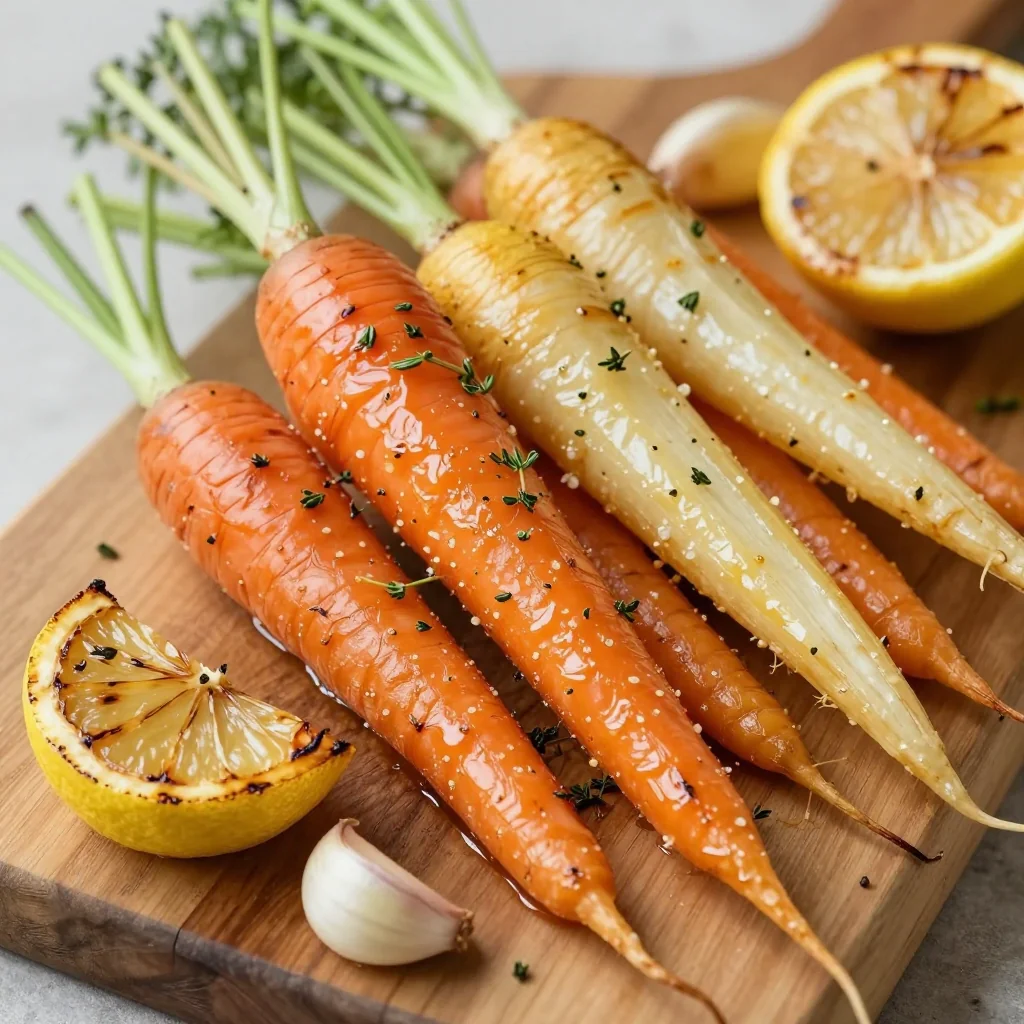
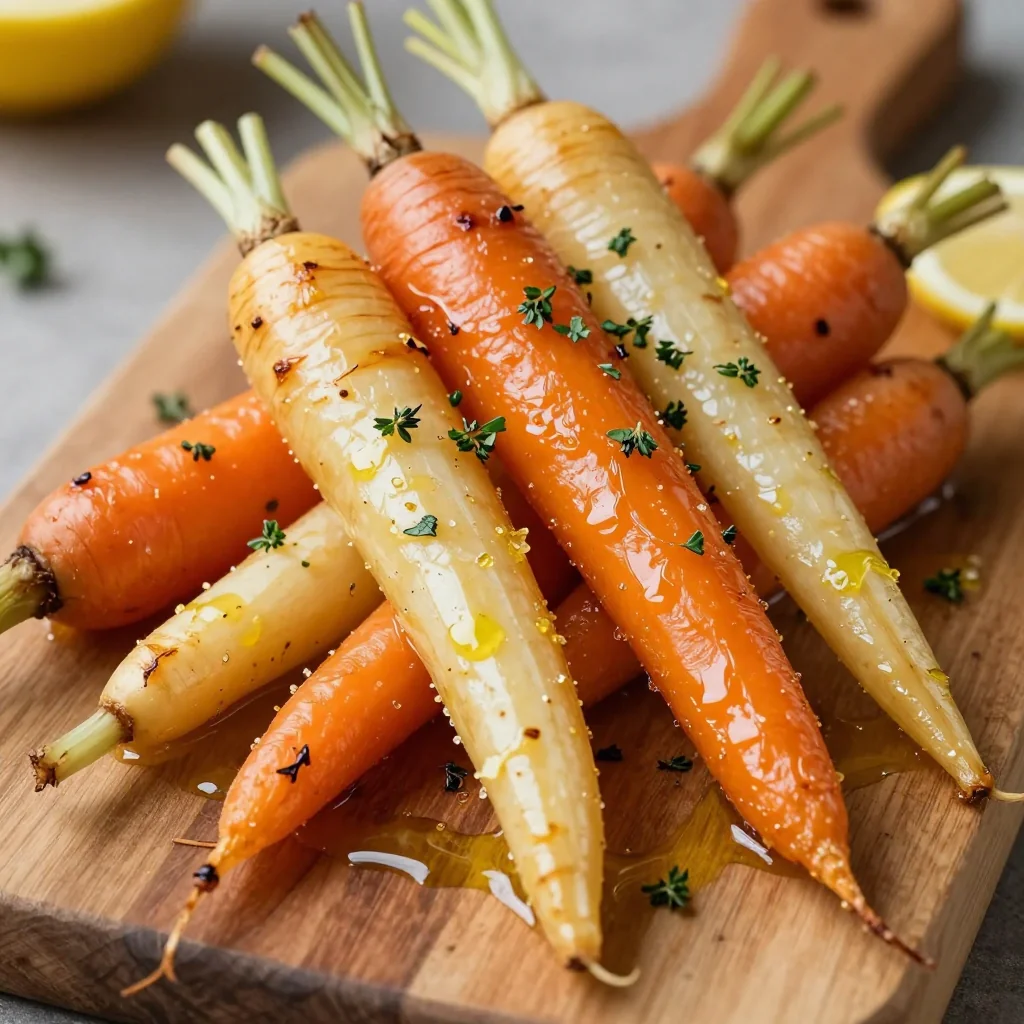
When January’s slate-gray skies feel endless and the thermometer refuses to budge, my kitchen turns into a sanctuary of heat and scent. This sheet-pan masterpiece—burnished carrots and parsnips slicked with lemon, garlic, and the faintest whisper of maple—has become the edible equivalent of a thick wool blanket. I first threw it together on a Sunday when the snow was falling in clumps and the only thing left in the crisper were those forgotten roots that had survived the holidays. One hour later, the windows had fogged, my hands had warmed, and the entire house smelled like a French country cottage. We ate it straight off the pan, standing at the counter, forks clinking against the hot metal. Since then, it’s graduated from side dish to the star of our winter table: tossed with lentils and goat cheese for a meat-free Monday, or crowned with a jammy egg for a restorative brunch. If you, too, are craving brightness in the bleak mid-winter, pull out your biggest baking sheet. This is comfort food that refuses to hibernate.
Why This Recipe Works
- Two-Temperature Roast: A hot 425 °F blast caramelizes the exterior, then a gentle 350 °F finish cooks the centers to velvet without scorching the maple glaze.
- Pre-Steam Trick: A 3-minute microwave steam jump-starts dense parsnips so everything finishes at the same moment—no more charred carrots and woody cores.
- Triple Lemon Hit: Zest before roasting, juice halfway through, and a final veil of raw zest for pop—layers of citrus keep the dish from tasting one-note.
- Garlic Paste, Not Slivers: Micro-planed garlic melts into the oil, seasoning every cranny without bitter burnt bits.
- Maple-Tamari Balance: Sweet-salty depth accentuates the vegetables’ natural sugars and encourages lacquered edges.
- One-Pan Cleanup: Parchment means zero scrubbing—crucial when the sun sets at 4:47 p.m. and no one wants to spend evening hours at the sink.
Ingredients You'll Need
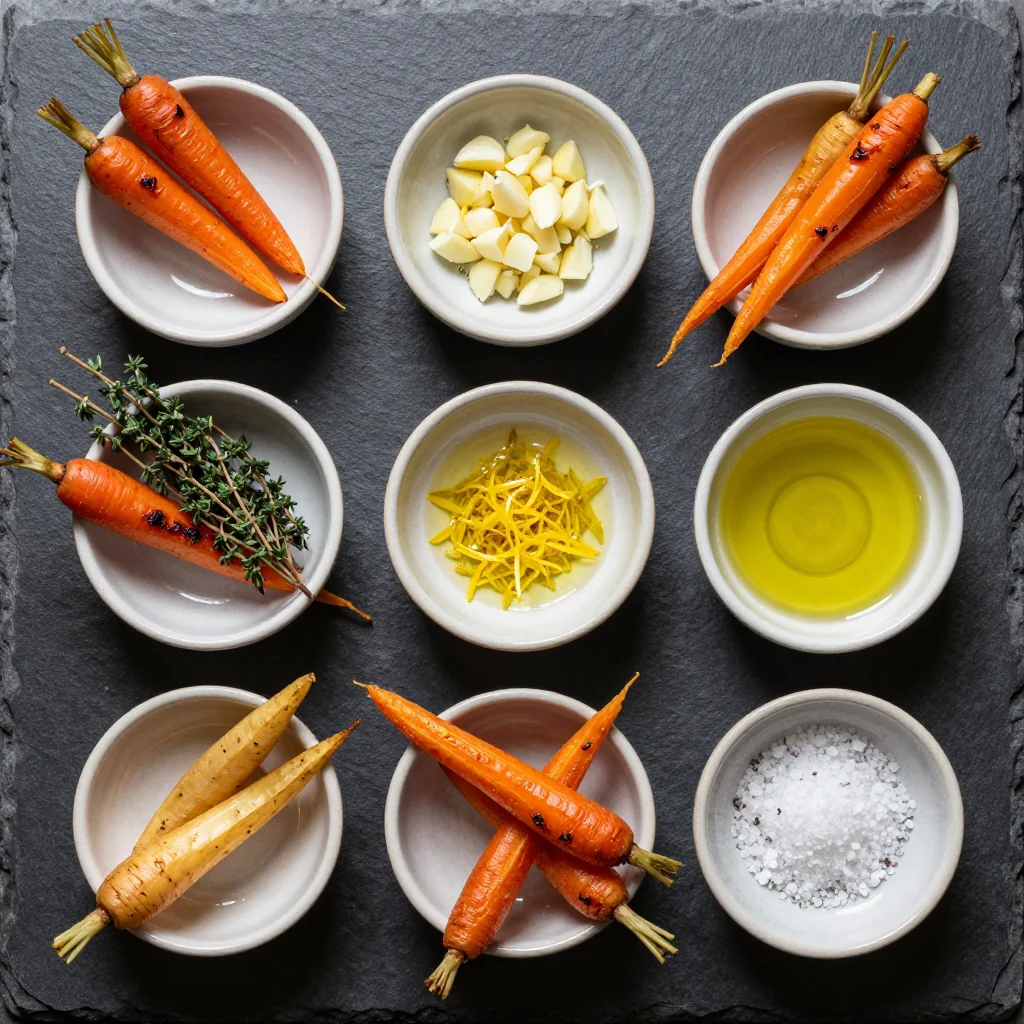
Before we talk technique, let’s talk produce. January roots are storage crops—picked at peak maturity and kept cold so their starches have time to convert to sugars. Look for carrots that still feel brittle; if they bend like a yoga instructor, they’ve lost moisture and will roast up shriveled. Parsnips should smell faintly of nutmeg and feel dense as a paperweight. If the cores look woody when you cut off the tops, quarter the thicker ends and slice out the fibrous center—five seconds of knife work that saves you from stringy bites.
Carrots
I reach for rainbow bunches when the market still has them—purple, yellow, and orange make the platter look sun-kissed even in the dead of winter. If you only have the standard orange bag from the supermarket, no worries; just try to buy them on the slimmer side so they roast through in the same time as their parsnip partners.
Parsnips
These ivory cousins of carrots bring an almost honeyed perfume once roasted. Buy them no thicker than your thumb at the crown; larger specimens tend toward woody hearts. Peeled, they’ll oxidize quickly, so keep them submerged in cold water if you’re prepping ahead.
Extra-Virgin Olive Oil
A fruity, peppery oil stands up to the high heat. If you’re feeling flush, substitute half with cold-pressed walnut oil; it adds a gentle tannic note that plays beautifully with maple.
Garlic
Fresh is non-negotiable. Jarred minced garlic tastes tinny after 30 minutes in a 425 °F oven. Micro-plane or finely grate so it dissolves into the oil rather than burning into acrid chips.
Lemon
Choose heavy fruit with taut skin—those store the most essential oil in the zest. Organic is worth the splurge since we’re using the peel.
Maple Syrup
Grade A Dark Color (formerly Grade B) delivers robust flavor without tipping the dish into dessert territory. In a pinch, dark brown sugar dissolved in a tablespoon of hot water works.
Tamari or Soy Sauce
Tamari keeps the recipe gluten-free; coconut aminos make it soy-free. Either way, the salt amps the caramelization.
Fresh Thyme
Woody herbs survive the oven better than soft ones. Strip leaves from stems; save stems for stock. No thyme? Try rosemary needles minced very fine.
Cracked Black Pepper
Go heavier than you think—the sweet vegetables can handle the bite.
Flaky Sea Salt
A final dusting right out of the oven gives pockets of crunch and salinity that make you reach for “just one more bite.”
How to Make Warm Lemon-Garlic Roasted Carrots & Parsnips for January Comfort
Preheat & Prep Parchment
Position rack in lower-middle of oven and preheat to 425 °F (220 °C). Line a rimmed 13×18-inch sheet pan with parchment, pressing it into the corners so the maple syrup won’t weld itself to the metal. If you’re doubling the recipe, use two pans; crowding causes steam and you’ll miss the coveted blistered edges.
Steam the Parsnips
Peel parsnips and cut into 3-inch by ½-inch batons. Place in a microwave-safe bowl with 2 tablespoons water, cover with a plate, and microwave on high for 3 minutes. This head-start softens the dense core so it roasts in sync with the carrots. Drain and pat very dry; excess water will inhibit browning.
Make the Lemon-Garlic Oil
In a small jar, combine ¼ cup olive oil, the zest of 1 lemon, 2 tablespoons lemon juice, 2 grated garlic cloves, 1 tablespoon maple syrup, 1 teaspoon tamari, 1 teaspoon kosher salt, and ½ teaspoon cracked pepper. Shake until emulsified. Taste—it should be bright, savory, and slightly sweet. Adjust salt or lemon to your palate.
Toss & Marinate
Add carrots and parsnips to a large bowl; pour in three-quarters of the dressing and toss with clean hands, massaging the oil into every groove. Let sit 10 minutes while the oven finishes heating. This brief marinade allows the salt to begin seasoning the interior.
First Roast at High Heat
Spread vegetables in a single layer, cut-sides down for maximum caramel contact. Roast 20 minutes. Resist the urge to flip early; undisturbed contact creates the mahogany crust that gives you restaurant-level flavor.
Flip, Brush & Reduce Heat
Remove pan, flip vegetables with a thin metal spatula, and brush with remaining dressing. Reduce oven to 350 °F (175 °C) and slide pan back in for 10–15 minutes, until a cake tester slides through a parsnip with gentle resistance.
Finish with Fresh Lemon & Thyme
Transfer vegetables to a warm platter. Immediately squeeze over the juice of half a lemon, scatter the remaining zest, and shower with fresh thyme leaves and a pinch of flaky salt. The heat blooms the citrus oils and herbs, creating an aromatic cloud that will have neighbors knocking.
Serve & Savor
These shine hot, but they’re equally compelling at room temperature, their edges tacky from the maple. Serve as a vegetarian main over a bed of herby quinoa, or alongside roast chicken for the omnivores. Leftovers? Lucky you—see storage ideas below.
Expert Tips
Use a Dark Pan
Dark metal absorbs heat faster than light-colored aluminum, giving you deeper caramelization. If yours is light, add 2 extra minutes to the first roast.
Cut Uniformly
Spend an extra 60 seconds sizing your batons so they’re within ¼ inch of each other. Even pieces roast evenly; no more half-charred, half-raw casualties.
Don’t Skip the Steam
If you’re tempted to skip microwaving, know that parsnips can take 40 minutes to soften. The quick steam shaves time and preserves nutrients better than boiling.
Double the Glaze
Make a second batch of the lemon-garlic oil and keep it in the fridge. It’s stellar drizzled over roasted fish, wilted spinach, or even popcorn.
Add Heat Wisely
A pinch of Aleppo or Urfa biber adds subtle warmth without masking the citrus. Stir into the dressing, not onto the finished vegetables, so the heat disperses.
Reheat Like a Pro
Avoid the microwave; it turns roots to mush. Instead, warm in a dry cast-iron skillet over medium heat, tossing every minute until edges crisp.
Variations to Try
-
Middle Eastern
Swap maple for 2 tablespoons pomegranate molasses and finish with a shower of za’atar and silan (date syrup) drizzle.
-
Smoky Bacon
Toss in 3 slices of chopped turkey bacon or coconut bacon for the last 10 minutes of roasting. The salty crunch is addictive.
-
Asian-Inspired
Replace tamari with white miso paste and add 1 teaspoon toasted sesame oil. Garnish with black sesame and scallions.
-
Root-Mash Makeover
Roast as directed, then blitz half the vegetables with warm vegetable broth for a chunky purée that serves as a bed for the remaining rustic chunks.
-
Nutty Crunch
Add ⅓ cup raw pecan pieces during the last 7 minutes; they toast in the glaze and add textural contrast.
-
Vegan Protein Boost
Fold in 1 can of rinsed chickpeas before roasting. They crisp into maple-savory nuggets that turn the side into a filling main.
Storage Tips
Refrigerator: Cool completely, then pack into an airtight glass container. They’ll keep 4 days without turning grainy. Reheat in a skillet as noted above, or chop and toss into a warm grain salad.
Freezer: Spread roasted vegetables on a parchment-lined sheet and freeze until solid, then transfer to a zip-top bag. They’ll keep 2 months. Thaw overnight in the fridge and re-crisp in a 400 °F oven for 8 minutes.
Make-Ahead for Entertaining: Roast up to 24 hours ahead, store chilled, then reheat covered at 325 °F for 15 minutes with a splash of vegetable stock to rehydrate before serving.
Frequently Asked Questions
Warm Lemon-Garlic Roasted Carrots & Parsnips for January Comfort
Ingredients
Instructions
- Preheat oven: Line a rimmed sheet with parchment. Preheat to 425 °F.
- Steam parsnips: Microwave with 2 Tbsp water, covered, 3 min. Drain and pat dry.
- Make dressing: Shake oil, lemon zest & juice, garlic, maple, tamari, salt, and pepper in a jar.
- Toss: Combine vegetables with ¾ of dressing; marinate 10 min.
- First roast: Spread on pan, roast 20 min undisturbed.
- Flip & reduce: Turn vegetables, brush with remaining dressing, reduce oven to 350 °F, roast 10–15 min more.
- Finish: Transfer to platter, add final squeeze of lemon, zest, thyme, and flaky salt. Serve hot or warm.
Recipe Notes
For ultra-lacquered edges, broil on high for 1 minute at the very end—watch closely to prevent burning.