The kitchen had been a battlefield that night, the last dish of a weeklong marathon of culinary experiments turning into a soggy, flavorless pasta disaster. I stared at the pot of overcooked tortellini, the sauce clinging to the bottom like a stubborn coat of rust, and thought, “I’ll never make a salad that’s as bold and satisfying as this.” That moment of culinary despair was the spark that ignited the creation of the Tortellini Salad Recipe you’re about to explore. I’m not going to sugarcoat it: this is hands down the best version you’ll ever make at home, and I dare you to taste this and not go back for seconds.
Picture the scene: the kitchen is alive with the sizzle of fresh tomatoes cutting into the pan, the bright green of basil leaves trembling in the air, and the aroma of olive oil and garlic warming the room like a comforting hug. My eyes dart to the clock, the timer ticking down, while the sound of a blender whirring adds a rhythmic backdrop. The texture of the tortellini is a contrast of tender pasta and the crisp bite of fresh cucumber, each bite releasing a burst of flavor that dances across the palate. The sound of a spoon scraping the bowl is the soundtrack to my triumph, and the sight of the salad shimmering in the light feels like a masterpiece waiting to be unveiled. The feel of the cool glass bowl in my hand is the final touch that completes this culinary symphony.
What makes this version stand out is the marriage of classic Italian ingredients with a few daring twists that elevate the dish from a side to a headline act. The sauce coats the pasta like velvet, the olives provide a salty crunch that shatters like thin ice, and the feta’s briny tang cuts through the richness with surgical precision. I’ve stripped away the usual fluff to focus on the core elements that deliver the best flavor profile, ensuring that each bite is a balanced explosion of taste, texture, and aroma. This isn’t just a salad; it’s a culinary revelation that will leave your guests asking for the recipe the next time you host. Let me walk you through every single step — by the end, you’ll wonder how you ever made it any other way.
Most recipes get this completely wrong. Here’s what actually works. I’ll be honest — I ate half the batch before anyone else got to try it, and that’s because the flavors were that irresistible. If you've ever struggled with this, you're not alone — and I've got the fix. Picture yourself pulling this out of the oven, the whole kitchen smelling incredible, and feeling the pride of mastering a dish that turns heads. Okay, ready for the game-changer?
What Makes This Version Stand Out
- Flavor: The sauce is a harmonious blend of red wine vinegar, Dijon mustard, and a splash of lemon juice that cuts through the richness of the tortellini, creating a bright, tangy profile that lingers on the tongue. It’s not just a dressing; it’s a flavor anthem that elevates every bite.
- Texture: The combination of al dente tortellini, crisp cucumber, and crunchy olives creates a layered mouthfeel that keeps you engaged from the first to the last forkful. Each element is intentionally chosen to provide contrast, so no bite feels flat.
- Freshness: Using fresh herbs like basil and parsley right before serving preserves their vibrant color and aromatic oils, turning the dish into a living, breathing salad that smells as good as it tastes.
- Simplicity: With only a handful of ingredients, you can assemble this salad in under 30 minutes, making it perfect for weeknight dinners or last-minute entertaining.
- Make‑ahead potential: The salad holds up beautifully in the fridge for up to 48 hours, thanks to the sturdy tortellini and the dressing’s acidity that keeps everything fresh and flavorful.
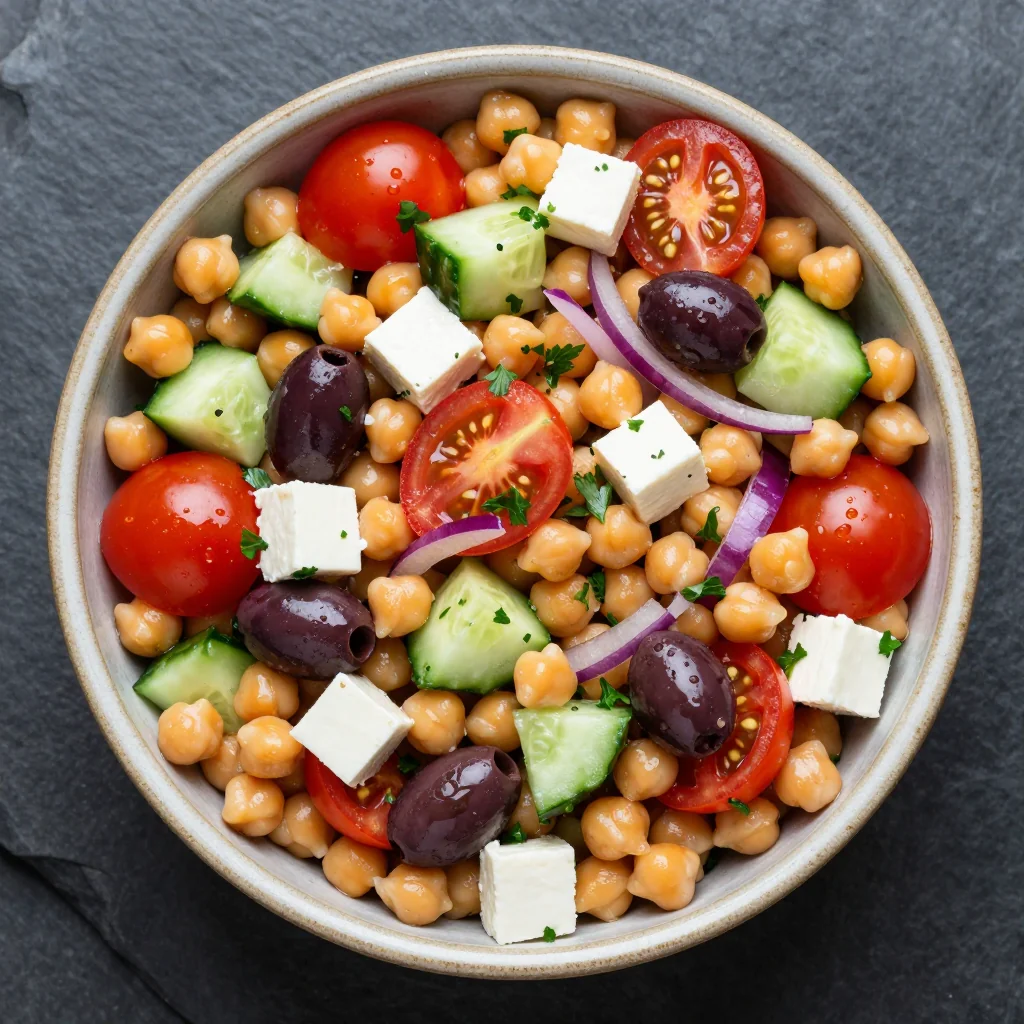
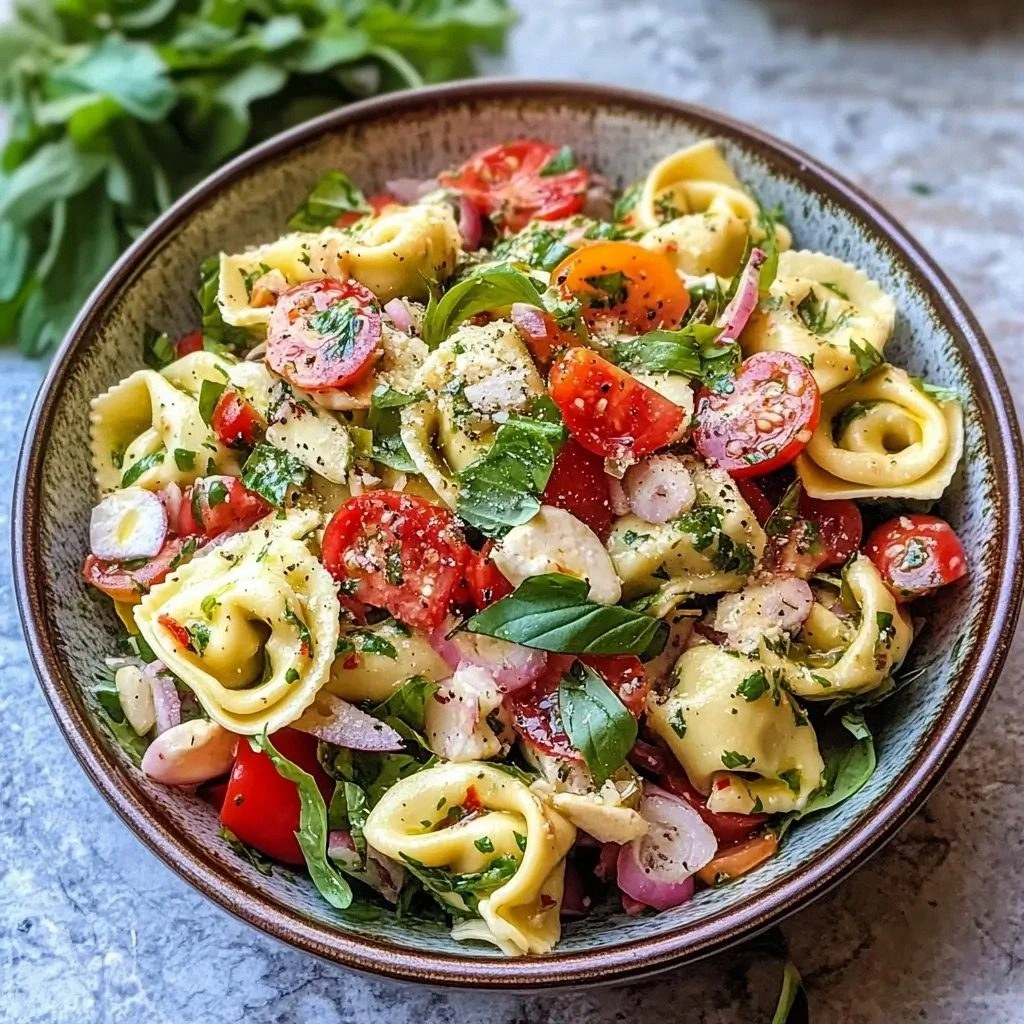
- Visual Appeal: The vibrant colors of cherry tomatoes, cucumbers, olives, and feta create a plate that looks as good as it tastes, turning an everyday dish into a showstopper.
Inside the Ingredient List
The Flavor Base
Cherry tomatoes bring a sweet acidity that balances the richness of the tortellini and feta. If you skip them, the salad loses its bright pop and becomes a dull, monochrome dish. They also add a juicy burst that keeps the palate engaged. For a different twist, try using sun‑dried tomatoes for a deeper, caramelized flavor.
Cucumbers provide a crisp, refreshing crunch that cuts through the creamy elements. If you leave them out, the salad feels heavier and the texture becomes monotonous. Their coolness also tempers the heat from the olives and feta. For a sweeter bite, dice them into smaller cubes and toss with a pinch of salt to draw out their moisture.
Red onion offers a sharp, slightly sweet bite that adds depth. Cutting it thin ensures it doesn’t overpower the other flavors. Without it, the salad lacks that essential layer of complexity. You can caramelize it lightly for a sweeter, richer profile if you prefer a different texture.
Kalamata olives give a briny, slightly bitter note that anchors the dish. Skipping them would make the salad too mild and bland. They also add a textural contrast that keeps each bite interesting. For a milder version, use green olives or remove them entirely.
Capers bring a punch of briny flavor that complements the olives. If you’re not a fan of capers, you can leave them out, but the salad will lose a layer of savory depth. They also add a subtle crunch that enhances the overall mouthfeel. A tablespoon is enough to provide that kick without overwhelming the dish.
The Protein Power
Tortellini is the star of the show, offering a tender, pillowy bite that carries the dressing beautifully. Using fresh tortellini ensures the pasta remains al dente; dried tortellini can become mushy if overcooked. If you prefer a lighter option, opt for a spinach or ricotta filling instead of cheese.
Feta cheese adds a salty, tangy element that cuts through the richness of the pasta and dressing. If you skip feta, the salad loses its signature briny bite and becomes more like a plain pasta salad. For a different twist, try goat cheese or mozzarella for a milder flavor.
The Crunch Crew
Olives and capers not only add flavor but also provide a satisfying crunch that contrasts with the soft tortellini. Without them, the salad feels flat and lacks texture. If you’re allergic to nuts or seeds, you can replace them with a handful of toasted pine nuts for a nutty crunch.
The Final Flourish
Fresh herbs like basil and parsley bring bright, herbal notes that lift the entire dish. If you omit them, the salad feels a bit dull and the dressing loses its aromatic depth. Adding a squeeze of lemon juice right before serving brightens the flavors and adds a subtle citrus zing.
Everything's prepped? Good. Let's get into the real action...
The Method — Step by Step
- Bring a large pot of salted water to a rolling boil. Add the tortellini and cook according to package instructions, usually 3–4 minutes for fresh pasta, until al dente. Drain and rinse under cold water to stop the cooking process and remove excess starch. Toss the pasta with a splash of olive oil to keep it from sticking. Set aside in a large bowl.
- While the pasta cooks, dice the cherry tomatoes, cucumber, and thinly slice the red onion. Slice the Kalamata olives and capers, then combine all the vegetables in a separate bowl. The bright colors should look almost like a painting; that’s the visual cue that everything is ready. If you’re in a hurry, you can use pre‑cut veggies from the grocery store, but fresh will always taste better.
- In a small bowl, whisk together the olive oil, red wine vinegar, Dijon mustard, minced garlic, lemon juice, salt, and pepper until the dressing emulsifies. The mixture should look glossy and slightly thickened, like a vinaigrette that can coat the pasta evenly. Taste it; if it’s too sharp, add a pinch of sugar or a splash of honey to balance the acidity.
- Pour the dressing over the cooled tortellini and toss gently to coat. Add the vegetable mixture and toss again, making sure each ingredient is evenly distributed. The salad should feel light but substantial, with every bite containing a mix of pasta, veggies, and dressing. This is the moment of truth; the flavors should mingle harmoniously.
- Add the crumbled feta cheese and chopped herbs (basil and parsley). Toss lightly to avoid breaking the feta into a paste. The feta should remain in bite‑sized chunks, providing bursts of salty tang. Finish the salad with a final drizzle of olive oil and a squeeze of lemon for that extra brightness.
- Cover the bowl with plastic wrap and refrigerate for at least 30 minutes to allow the flavors to meld. The salad will develop a deeper flavor profile as the dressing soaks into the pasta. If you’re short on time, you can serve immediately, but the dish is truly magical after chilling.
- Before serving, give the salad a quick stir and taste for seasoning. If it needs a touch more salt or pepper, add it now. The final garnish of fresh herbs and a light drizzle of olive oil makes the dish look polished. Serve chilled on a platter or individual bowls.
- When plating, arrange a few whole tortellini on top for a dramatic effect. Sprinkle extra feta and a few olives for garnish. The presentation should look like a colorful mosaic of Italian summer. Enjoy with a glass of chilled white wine or sparkling water.
That's it — you did it. But hold on, I've got a few more tricks that'll take this to another level...
Insider Tricks for Flawless Results
The Temperature Rule Nobody Follows
Never let the pasta sit in hot water after draining. The residual heat will continue cooking the tortellini, leading to a soggy texture. Rinse it under cold water to stop the cooking process immediately. This simple step ensures the pasta stays firm and ready to hold the dressing.
Why Your Nose Knows Best
Before adding the dressing, give the vinaigrette a quick sniff. A sharp, bright aroma indicates the vinegar is balanced; a flat scent means it needs a touch of acidity. Trust your nose to guide you toward a dressing that sings. This instinctive check saves you from a bland salad.
The 5-Minute Rest That Changes Everything
After tossing the salad, let it rest for 5 minutes before serving. This brief pause allows the flavors to marry and the dressing to fully coat the pasta. Many chefs skip this step, but the difference is noticeable in the depth of flavor.
The Perfect Portion Size
Measure the tortellini by weight for consistency. A standard serving is about 125 grams per person. This ensures the salad remains balanced and not overwhelmingly pasta-heavy.
The Secret to a Creamy Dressing
Add a tablespoon of Greek yogurt or a splash of buttermilk to the vinaigrette. This not only adds silkiness but also helps the dressing cling to the pasta. The creamy texture gives the salad a luxurious mouthfeel.
Creative Twists and Variations
This recipe is a playground. Here are some of my favorite ways to switch things up:
Mediterranean Marvel
Swap the feta for goat cheese and add a handful of sun‑dried tomatoes. The goat cheese offers a tangier profile, while the sun‑dried tomatoes bring a sweet, chewy texture. This version is perfect for a warm summer lunch.
Pesto Power
Replace the vinaigrette with basil pesto for a green, herby flavor. Toss the pasta with fresh pesto, then finish with a squeeze of lemon to cut through the richness. This variation turns the salad into a vibrant, aromatic dish.
Buffalo Chicken
Add diced rotisserie chicken and a splash of buffalo sauce to the dressing. Top with blue cheese crumbles for an extra punch of flavor. This version is a crowd‑pleaser for game‑day gatherings.
Summer Garden
Incorporate diced bell peppers, zucchini, and fresh mint. Use a citrus vinaigrette made with orange juice for a bright, fresh finish. This light, garden‑fresh version is ideal for hot afternoons.
Winter Warmth
Add roasted butternut squash cubes and a sprinkle of sage. Use a warm, maple‑infused vinaigrette to give the salad a comforting feel. This version transforms the dish into a cozy, seasonal favorite.
Vegan Delight
Omit the cheese and use a vegan feta alternative. Add chickpeas for protein and toss with a tahini‑based dressing. This plant‑based version is both hearty and wholesome.
Storing and Bringing It Back to Life
Fridge Storage
Store the salad in an airtight container for up to 48 hours. Keep the dressing separate if you plan to serve immediately; otherwise, mix it just before serving to maintain freshness. The pasta will hold its texture for two days, so you can prep ahead of time.
Freezer Friendly
For longer storage, freeze the salad without the dressing for up to 2 weeks. When ready, thaw in the refrigerator, then add the dressing and toss. This method preserves the integrity of the pasta and prevents sogginess.
Best Reheating Method
If you need to warm the salad, heat it gently in a skillet over low heat for 2–3 minutes, stirring constantly. Add a splash of water to steam the salad back to life and prevent it from drying out. Finish with a fresh drizzle of olive oil and a sprinkle of herbs.