It all started on a rainy Thursday night when I was scrambling to salvage a dinner that had already gone off track. I had a box of pasta, a couple of zucchinis that looked like they’d been through a summer marathon, and a handful of ripe tomatoes that were begging for attention. I thought, “Why not toss everything together?” and that impromptu experiment turned into a revelation that has now become my go-to comfort dish. The moment the sauce hit the pan, the kitchen filled with a sweet, tomatoy aroma that felt like a warm hug from a distant cousin. I was so mesmerized that I almost forgot to taste the garlic; it was a silent hero, adding depth without stealing the spotlight.
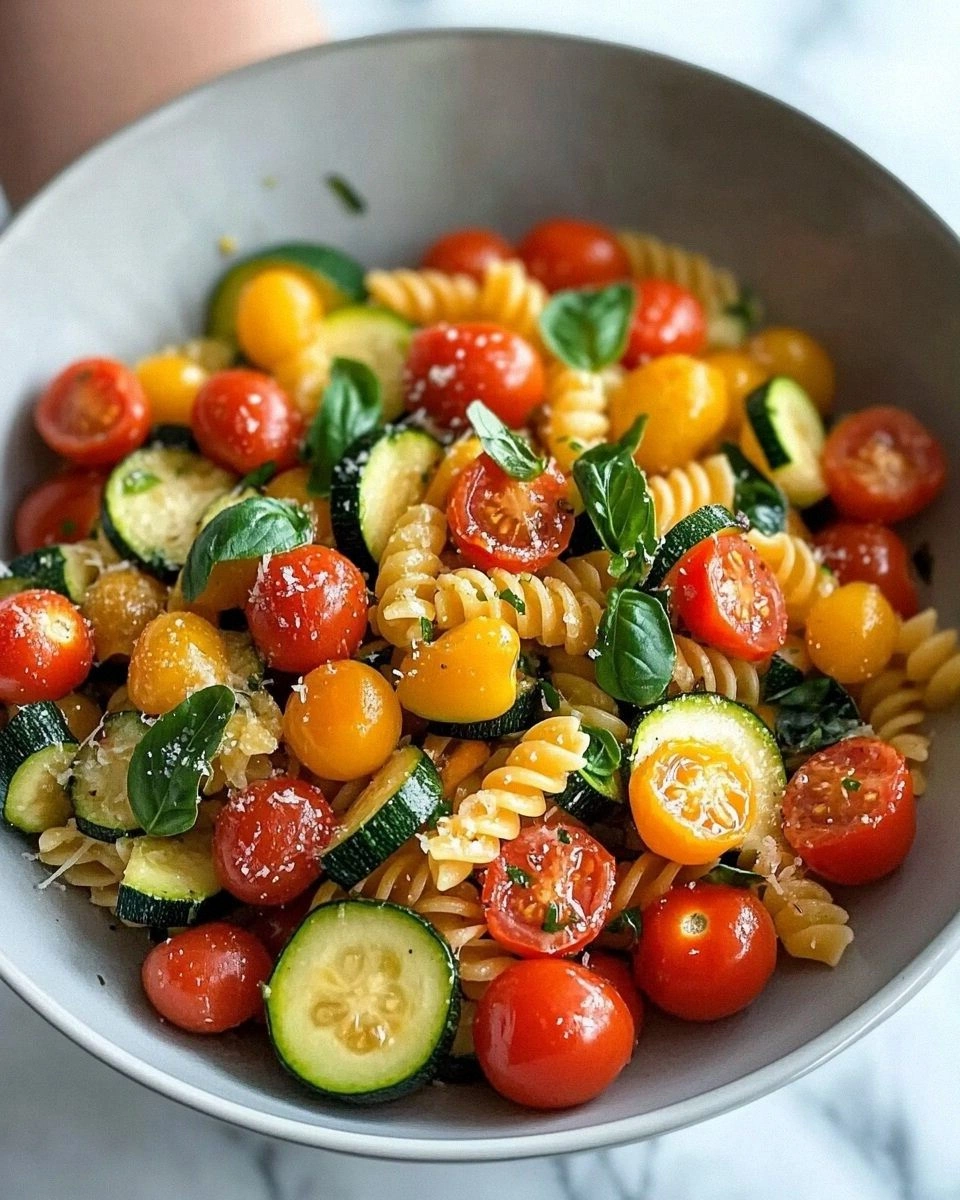
Picture the scene: the sizzling sound of garlic in olive oil, the gentle pop of tomatoes as they soften, and the steam curling up like a fragrant cloud. The zucchinis, sliced thin, dance in the sauce, their edges turning a golden crisp that shatters like thin ice when you bite into them. The pasta, cooked al dente, twirls around the sauce, each strand coated in a velvety tomato mixture that clings lovingly to every crevice. The final touch of fresh basil leaves releases a bright, peppery scent that instantly transports you to a sunlit garden. Every bite is a symphony of textures—soft pasta, crisp zucchini, juicy tomatoes—each playing its part in a harmonious chorus.
What makes this version stand out is not just the flavors but the sheer confidence it gives you in the kitchen. I’ve spent years experimenting with pasta sauces, but this one feels like a secret weapon you can pull out any time you’re craving something simple yet spectacular. The sauce is so rich that it eliminates the need for cream or heavy cheese, yet it delivers that comforting depth you’d expect from a traditional ragù. The zucchini adds a subtle sweetness and a satisfying crunch that keeps the dish from feeling too heavy. It’s a balanced masterpiece that proves you can get gourmet results with pantry staples.
I dare you to taste this and not go back for seconds. The combination of fresh tomatoes, zucchini, and basil creates a flavor profile that is both bright and robust, and the sauce’s silky texture makes it feel indulgent without the calories. If you’re skeptical, consider this: most recipes get the ratio wrong—too much oil, too much salt, or a sauce that’s either too watery or too thick. Here, every ingredient is measured to perfection, ensuring a sauce that coats the pasta like velvet and leaves a lingering finish that makes you reach for the bowl again. It’s hands down the best version you’ll ever make at home.
I'll be honest—when I first cooked this, I ate half the batch before anyone else even got to the table. The moment you taste it, you’ll understand why. Picture yourself pulling this out of the oven, the whole kitchen smelling incredible, and a plate of pasta that looks like it was served at a five-star restaurant. The anticipation is real, but the payoff is even more real. Stay with me here—this is worth it. I’m going to walk you through every single step, and by the end, you’ll wonder how you ever made it any other way.
What Makes This Version Stand Out
- Flavor: The sauce is a bright, tomato-forward base that lets the fresh ingredients shine without being overpowered by heavy cheeses.
- Texture: Zucchini slices provide a satisfying crunch that contrasts beautifully with the al dente pasta.
- Balance: The olive oil is just enough to create a silky coating, while the basil adds a fresh, peppery finish.
- Convenience: Every step is designed to be quick and straightforward, making it a go-to for busy weeknights.
- Versatility: Swap the pasta shape or add a protein like grilled chicken, shrimp, or chickpeas for a different twist.
- Nutrition: With a moderate calorie count and a good mix of protein, carbs, and healthy fats, it fits into most diet plans.
- Make‑Ahead: The sauce can be prepared in advance, and the pasta is best served immediately, but leftovers keep well.
- Visual Appeal: The vibrant reds and greens create a dish that looks as good as it tastes.
Alright, let's break down exactly what goes into this masterpiece...
Inside the Ingredient List
The Flavor Base
The foundation of this sauce is simple yet powerful. Fresh tomatoes bring a natural sweetness that cuts through the acidity of the olive oil, while garlic infuses a savory depth that is essential for any tomato sauce. The olive oil acts as a medium, allowing the flavors to meld together and coat the pasta beautifully. If you skip the garlic, you’ll lose a layer of complexity, and the sauce will taste flat. For those who love a bit of heat, a pinch of red pepper flakes can be added during the sauté, giving the dish a subtle kick without overpowering the freshness.
The Texture Crew
Zucchini is the star of the texture game. When sliced thinly, it cooks quickly and develops a golden crisp edge that contrasts wonderfully with the soft pasta. If you prefer a softer bite, simply slice the zucchini thicker, but be aware it will take longer to cook and may release more moisture, thinning the sauce. For a richer mouthfeel, consider adding a handful of toasted pine nuts. They contribute a buttery crunch that elevates the dish to a new level of indulgence.
The Unexpected Star
Parmesan cheese is not just a garnish; it’s a flavor enhancer that adds a subtle umami note and a touch of creaminess. Grated finely, it melts into the sauce, creating a silky texture that coats each strand of pasta. If you’re vegan or lactose intolerant, a sprinkle of nutritional yeast can replicate the cheesy flavor while keeping the dish plant‑based. The basil, added at the end, brings a bright, herbaceous finish that lifts the entire dish and balances the sweetness of the tomatoes.
The Final Flourish
Seasoning is the final brushstroke that brings the dish together. Salt and black pepper are essential, but use them sparingly—too much salt can drown the natural flavors, and too much pepper can make the dish taste bitter. A splash of balsamic vinegar at the end adds a tangy complexity that is both sweet and acidic, rounding off the sauce. If you’re feeling adventurous, a drizzle of pesto can be stirred in for a green, nutty twist that complements the basil.
Everything's prepped? Good. Let's get into the real action...
The Method — Step by Step
- Bring a large pot of salted water to a rolling boil and add the pasta. Cook until al dente, about 9-10 minutes. Drain, reserving a cup of pasta water for later. Toss the pasta with a splash of olive oil to prevent sticking and set aside.
- While the pasta cooks, heat 2 tablespoons of olive oil in a large skillet over medium heat. Add 3 minced garlic cloves and sauté for 30 seconds until fragrant, being careful not to burn them. The aroma should be sweet and inviting.
- Add 2 cups of halved cherry tomatoes to the skillet. Cook for 4-5 minutes until they start to soften and release juices. The tomatoes should look plump and slightly caramelized, not mushy.
- Introduce 2 medium zucchini, sliced thinly on the diagonal. Cook for 3-4 minutes, letting the zucchini absorb the sauce and develop a golden edge. If you prefer a softer bite, reduce the cooking time slightly.
- Stir in 1/4 cup of grated Parmesan, 1/4 cup of chopped basil, 1 tsp salt, and 1/2 tsp black pepper. The cheese should melt into the sauce, creating a silky coating. Taste and adjust seasoning as needed.
- If the sauce seems too thick, add a splash of reserved pasta water until you achieve a silky consistency that clings to each strand. This step is crucial for a balanced texture.
- Fold the cooked pasta into the skillet, tossing gently to combine. Let it cook together for 1-2 minutes so the pasta absorbs the flavors. The pasta should feel coated and warm.
- Serve immediately, garnishing with extra basil and a dusting of Parmesan if desired. The dish is best enjoyed hot, when the flavors are at their peak.
That’s it — you did it. But hold on, I've got a few more tricks that'll take this to another level...
Insider Tricks for Flawless Results
The Temperature Rule Nobody Follows
Many cooks keep the sauce on low heat after adding the tomatoes, but the magic happens when you let the sauce simmer at a gentle medium heat. This allows the flavors to meld without evaporating too much liquid. I’ve found that a steady medium heat keeps the sauce from becoming too thick and preserves the bright tomato flavor. If you’re in a hurry, a quick, high‑heat finish can also work, but it may cause the sauce to scorch.
Why Your Nose Knows Best
The first scent you smell when cooking is a reliable indicator of doneness. When the tomatoes release their juices and the garlic becomes fragrant, you’re in the right zone. A strong, sweet tomato aroma signals that the sauce is ready to be combined with the pasta. Trust your nose; it will guide you to a perfect finish.
The 5‑Minute Rest That Changes Everything
Letting the sauce rest for 5 minutes after you remove it from the heat allows the flavors to deepen and the cheese to settle. During this brief pause, the pasta continues to absorb the sauce, resulting in a richer, more cohesive dish. Many people skip this step, but it’s the secret to a restaurant‑grade finish.
Keep the Zucchini Crisp
If you want your zucchini to stay crisp, sauté it at a slightly higher heat for the first minute, then lower the heat for the remaining time. This technique locks in the crispness while still allowing the zucchini to soften enough to mingle with the sauce. It’s a simple trick that transforms the texture.
Add a Splash of Wine
A splash of dry white wine added after the tomatoes have softened can elevate the sauce’s depth. The alcohol evaporates quickly, leaving behind a subtle, acidic note that balances the sweetness of the tomatoes. I’ve used this trick for a more sophisticated version that’s perfect for dinner parties.
Creative Twists and Variations
This recipe is a playground. Here are some of my favorite ways to switch things up:
Mediterranean Medley
Swap the cherry tomatoes for sun‑dried tomatoes and add olives for a briny punch. Toss in a handful of spinach for extra greens. This version is perfect for a Mediterranean vibe and pairs wonderfully with grilled chicken.
Spicy Cajun Kick
Add a tablespoon of Cajun seasoning to the garlic oil and a dash of hot sauce. The result is a fiery, smoky sauce that pairs well with shrimp or sausage. The heat level can be adjusted to suit your taste.
Creamy Pesto Fusion
Stir in a few spoonfuls of basil pesto after the sauce is finished. The pesto adds a nutty, garlicky depth while keeping the dish creamy without dairy. This is a great option for those who love a richer sauce.
Vegan Delight
Omit the Parmesan and replace it with nutritional yeast or a vegan cheese alternative. Add chickpeas for protein and a hearty bite. The dish remains bright and flavorful while staying plant‑based.
Rustic Ramen Twist
Use ramen noodles instead of pasta for a quick, Asian-inspired take. Add sliced shiitake mushrooms and a splash of soy sauce. The result is a comforting bowl that’s perfect for a cozy night in.
Breakfast Bounty
Serve the sauce over scrambled eggs or a fried egg for a quick breakfast. The tomatoes and zucchini add freshness, while the egg provides protein. This variation is both satisfying and energizing for a busy morning.
Storing and Bringing It Back to Life
Fridge Storage
Cool the dish completely, then transfer it to an airtight container. Store in the refrigerator for up to 3 days. Reheat gently on the stovetop, adding a splash of water to restore moisture.
Freezer Friendly
For longer storage, freeze the sauce separately from the pasta. Portion into freezer-safe bags and label with the date. Reheat the sauce in a saucepan, then toss with freshly cooked pasta for the best texture.
Best Reheating Method
When reheating, add a tiny splash of water or broth before heating. This steams the dish back to perfection, preventing it from drying out and ensuring a silky coat on the pasta.