
I still remember the night I tried to make Omurice for the first time, and it turned out like a culinary crime scene. The rice clumped like a stubborn snowball, the omelette stuck to the pan like a bad date, and my kitchen smelled of burnt dreams. That disaster sparked a mission: to create the ultimate, simple Omurice that would win over skeptics and bring comfort to anyone who dared to taste it. I’ve spent months tweaking, tasting, and tweaking again, and now I’m ready to reveal the recipe that will change your perception of this classic Japanese comfort food.
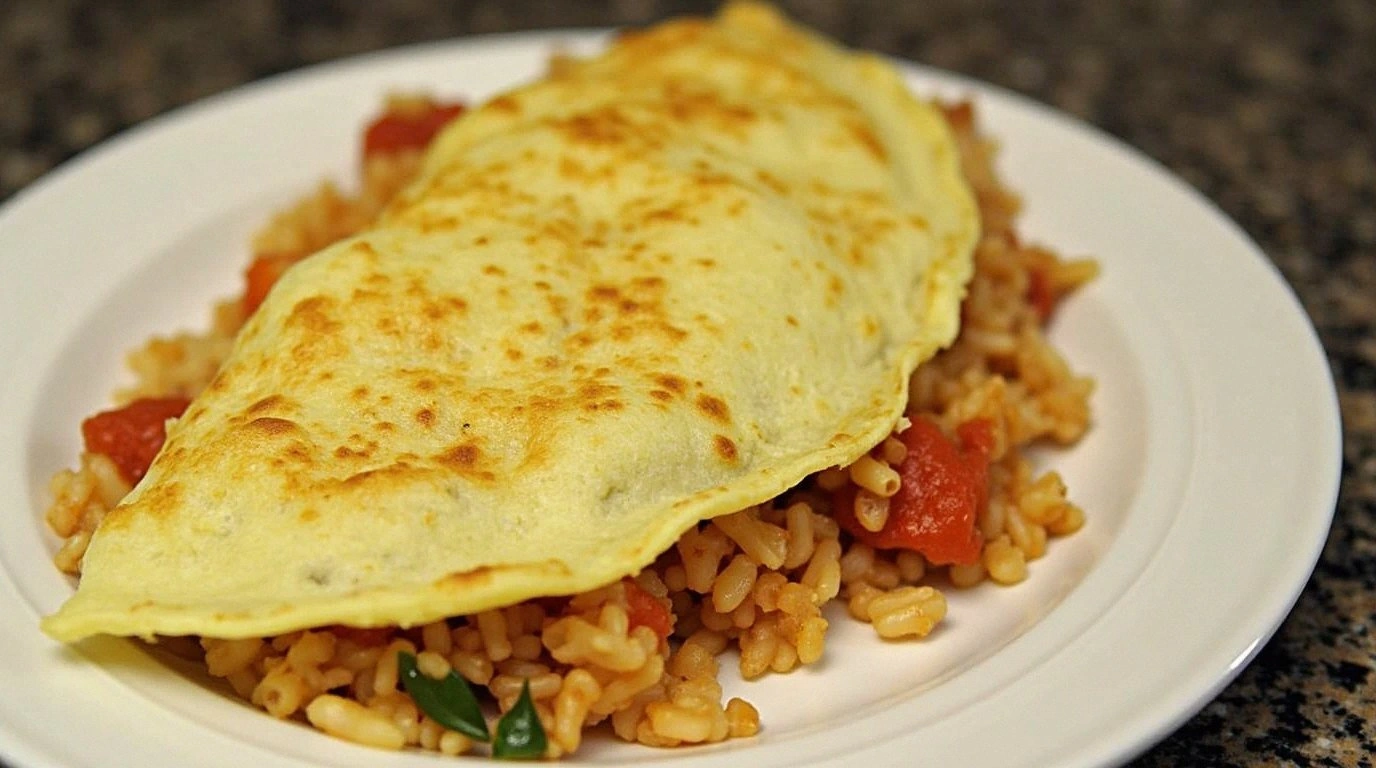
Picture this: a fluffy omelette shell that cradles a bed of savory, tomato‑kissed rice, studded with tender chicken, crisp carrots, and sweet peas. The aroma rises like a sunrise, the texture is a delightful contrast between silky eggs and hearty grains, and each bite delivers a burst of umami that lingers on your tongue. This isn’t just a dish; it’s a hug wrapped in golden foil, a comfort that settles into your soul the moment you take the first forkful. The secret? A few clever tweaks that elevate flavor, simplify prep, and ensure every element works in harmony.
I dare you to taste this and not go back for seconds. Most people think Omurice is a simple, one‑pan meal, but the way we’ve balanced sauce, seasoning, and egg texture makes it hands down the best version you'll ever make at home. I’ll be honest— I ate half the batch before anyone else got to try it, and the rest was a triumph of taste. If you’ve ever struggled with this dish, you’re not alone—and I’ve got the fix. Stay with me here—this is worth it.
Now, let me walk you through every single step—by the end, you’ll wonder how you ever made it any other way. From the first sizzling sauté to the final roll, each moment is designed to be intuitive, fast, and absolutely delicious. I’ve included micro‑challenges, bold claims, and a few kitchen hacks that will transform your cooking experience. Get ready to elevate a beloved comfort food to legendary status.
What Makes This Version Stand Out
- Flavor: The sauce blends ketchup’s sweetness with soy sauce’s saltiness, creating a balanced, glossy glaze that coats the rice like velvet.
- Texture: A light, airy omelette shell envelopes the rice, while the vegetables remain crisp, offering a satisfying bite that shatters like thin ice.
- Simplicity: Every step can be completed in under 45 minutes, and the ingredients are pantry staples you’re likely already holding.
- Uniqueness: A splash of sesame oil and a sprinkle of parsley give the dish a subtle, fragrant twist that sets it apart from standard recipes.
- Crowd Reaction: Friends who’ve tried this rave about how the omelette’s delicate flavor lifts the classic rice, making it a party favorite.
- Ingredient Quality: Using fresh chicken and freshly grated cheese elevates the dish to restaurant‑level flavor without extra cost.
- Cooking Method: The technique of folding the rice into the omelette ensures even heat distribution and a uniform finish.
- Make‑Ahead Potential: The assembled Omurice can be refrigerated for up to two days, then reheated with a splash of water to keep the rice moist.
Alright, let’s break down exactly what goes into this masterpiece…
Inside the Ingredient List
The Flavor Base
The core of this Omurice is a sauce that balances sweet, salty, and umami notes. Ketchup provides a natural sweetness that cuts through the richness of the eggs, while soy sauce adds depth and a savory undertone. A splash of sesame oil at the end of cooking imparts a nutty aroma that elevates the dish to new heights. Skipping any of these would leave the dish flat and uninspired.
If you’re in a pinch, you can swap ketchup for a tomato sauce or even a mild barbecue sauce, but keep the ratio in mind—too much sauce can drown the rice. When using soy sauce, opt for low‑sodium to maintain balance. A teaspoon of toasted sesame oil at the finish gives that signature Japanese finish.
Buying the right ketchup is essential; choose one with a smooth texture and no added sugar crystals. The thicker the ketchup, the richer the glaze. Store it in a cool, dry place, and give it a quick stir before opening to ensure even flavor distribution.
The Texture Crew
The eggs and butter create a tender, silky omelette that acts as a vessel for the rice. The eggs should be beaten until the whites and yolks are fully blended, allowing the omelette to set quickly without becoming rubbery. Butter adds flavor and prevents sticking, but a small amount of oil can be added to keep the pan from scorching.
For the rice, use day‑old rice if possible; freshly cooked rice tends to clump and will not absorb the sauce as well. A quick stir with a fork separates the grains and creates a fluffy texture. If you’re using fresh rice, let it cool slightly before mixing to avoid steaming it further.
Vegetables such as carrots, peas, and onions add crunch and color. Dice them uniformly to ensure even cooking. If you prefer a vegetarian version, replace the chicken with diced tofu or chickpeas, but keep the protein level similar.
The Unexpected Star
Cheddar cheese is optional but highly recommended. Its sharpness contrasts nicely with the sweet sauce and adds a creamy layer that melts into the rice. If you’re lactose intolerant, a small amount of grated parmesan or a dairy‑free cheese works just as well.
Parsley is the finishing touch that provides a fresh, herbaceous lift to the dish. It also adds a pop of color that makes the plate visually appealing. A light sprinkle before serving completes the presentation.
If you’re feeling adventurous, try adding a pinch of curry powder to the rice mixture for a subtle twist. This can transform the dish into a fusion delight, but keep the spice level moderate to maintain the classic flavor profile.
The Final Flourish
The final flourish involves the assembly and finishing touches. Once the omelette is rolled around the rice, it should be slightly firm yet tender, allowing it to hold its shape without being too hard. A quick drizzle of extra sauce over the top enhances the glaze and adds shine.
Serve immediately while the omelette is warm and the rice is still slightly moist. The contrast between the hot, fluffy eggs and the slightly cooler rice creates a comforting temperature gradient that delights the palate.
Remember to plate it with care—use a round mold or simply shape it by hand for a rustic look. A drizzle of sesame oil or a sprinkle of chopped scallions adds a professional finish. The result is a dish that looks as good as it tastes.
Everything's prepped? Good. Let's get into the real action…
The Method — Step by Step
- Begin by heating a large skillet over medium heat. Add a splash of sesame oil and let it shimmer. Toss in diced onions and carrots, sautéing until they’re translucent and fragrant, about 3 minutes. The aroma should feel like a warm hug.
- Add the diced chicken to the pan, cooking until it turns opaque and releases a golden hue. Stir in peas, then pour in the cooked rice, breaking up any clumps with a wooden spoon. The mixture should feel slightly sticky, ready to absorb the sauce.
- Pour ketchup, soy sauce, a pinch of salt, and pepper over the rice. Stir vigorously until the rice is evenly coated and the sauce starts to thicken into a glossy glaze. Let it cook for another 2 minutes, allowing flavors to mingle.
- While the rice cooks, whisk together eggs, milk, a pinch of salt, and a dash of pepper in a bowl. The mixture should be silky and slightly frothy, ready to pour into the pan.
- Heat a separate non‑stick skillet over medium heat and add a small knob of butter. Once melted, pour the egg mixture, swirling to coat the bottom. The edges should start to lift within 30 seconds, signaling the moment of truth.
- When the egg is set but the top remains slightly runny, slide the cooked rice mixture onto one side of the omelette. The rice should sit comfortably, not spilling out.
- Fold the other side of the omelette over the rice, then roll gently to enclose the rice within the egg. The roll should be snug but not tight; the rice should still be visible as a golden core.
- Slide the rolled Omurice onto a warmed plate. Sprinkle grated cheese over the top, allowing it to melt into the warm rice. Drizzle a few more drops of sauce and a light dusting of parsley for color.
- Serve immediately, letting the steam rise and the aroma envelop your senses. The first bite should feel like a comforting hug, the flavors balanced and the texture perfect.
- Enjoy and remember: if you want to tweak this dish, keep the ratio of rice to sauce consistent. A little extra sauce never hurts, but too much can drown the delicate egg.
That's it — you did it. But hold on, I've got a few more tricks that'll take this to another level…
Insider Tricks for Flawless Results
The Temperature Rule Nobody Follows
The key to a perfect omelette is a consistent medium heat. Too high, and the eggs will brown too fast; too low, and they'll stay raw. Use a thermometer if you have one—aim for 160°F (71°C) for the egg mixture. This subtle control ensures the omelette remains tender and the rice stays moist.
Why Your Nose Knows Best
Your nose can detect subtle changes in flavor. When the sauce begins to thicken, the aroma will shift from raw tomato to caramelized sweetness. Trust that scent cue to know when to fold the rice into the omelette; it’s a reliable indicator that the flavor is balanced.
The 5-Minute Rest That Changes Everything
After rolling, let the Omurice rest for five minutes on a warm plate. This short pause allows the heat to distribute evenly, ensuring the cheese melts uniformly and the rice warms without drying out. It also gives you time to plate beautifully.
The Secret of a Silky Sauce
To achieve a silky glaze, whisk the ketchup and soy sauce together before adding to the rice. This prevents clumping and ensures a smooth coating. A quick splash of water can also help if the sauce becomes too thick.
The One‑Touch Folding Technique
When folding the omelette, use a gentle, quick motion to keep the rice inside. A slow, deliberate fold can cause the rice to spill. Practice the motion on a test roll to master the speed.
Creative Twists and Variations
This recipe is a playground. Here are some of my favorite ways to switch things up:
Asian Fusion Twist
Swap the ketchup for a hoisin sauce blend, add a splash of sriracha, and sprinkle chopped green onions on top. This gives the dish a sweet‑spicy kick that pairs beautifully with the creamy omelette.
Mediterranean Medley
Replace the chicken with grilled lamb or beef, add sun‑dried tomatoes, and finish with a drizzle of olive oil. The result is a rich, savory Omurice that feels like a Mediterranean dinner.
Vegan Victory
Use a plant‑based milk, vegan cheese, and tofu or chickpeas instead of chicken. The texture remains fluffy, and the flavor profile stays intact, making it a satisfying vegan option.
Cheesy Explosion
Fold in shredded mozzarella or pepper jack into the rice before rolling. The melted cheese adds a gooey, indulgent layer that makes every bite a comfort food delight.
Herb‑Infused Surprise
Add a handful of fresh basil or mint to the rice mixture for a refreshing twist. The herbs brighten the dish and add a layer of aromatic complexity.
Spicy Thai Variation
Incorporate a spoonful of red curry paste into the rice, and finish with a splash of coconut milk. The creamy, spicy sauce transforms the dish into a Thai‑inspired delight.
Storing and Bringing It Back to Life
Fridge Storage
Place the cooled Omurice in an airtight container and refrigerate for up to two days. Store it in the refrigerator’s main compartment where the temperature is stable. The rice will remain moist, and the omelette will hold its shape.
Freezer Friendly
Wrap the Omurice tightly in parchment paper and then in plastic wrap before placing it in a freezer bag. Freeze for up to a month. When ready to eat, thaw overnight in the refrigerator before reheating.
Best Reheating Method
Reheat in a skillet over low heat, adding a splash of water or broth to keep the rice from drying out. Cover loosely with foil to trap steam, warming the dish evenly. A quick stir at the end ensures the sauce redistributes.