Picture this: I’m standing in my tiny kitchen, the clock ticking past midnight, and my roommate just shouted, “I’m craving something that feels like a hug and a high‑five at the same time!” I stared at the pantry, grabbed whatever was on hand, and tried to mash together a quick pasta. The result? A bland, soggy mess that could have been served at a hospital cafeteria. I laughed it off, but the craving lingered like a stubborn song stuck in my head. That night sparked a relentless quest for the perfect comfort dish—a dish that would make even the most skeptical eater say, “I’m officially married to this chicken pasta.”
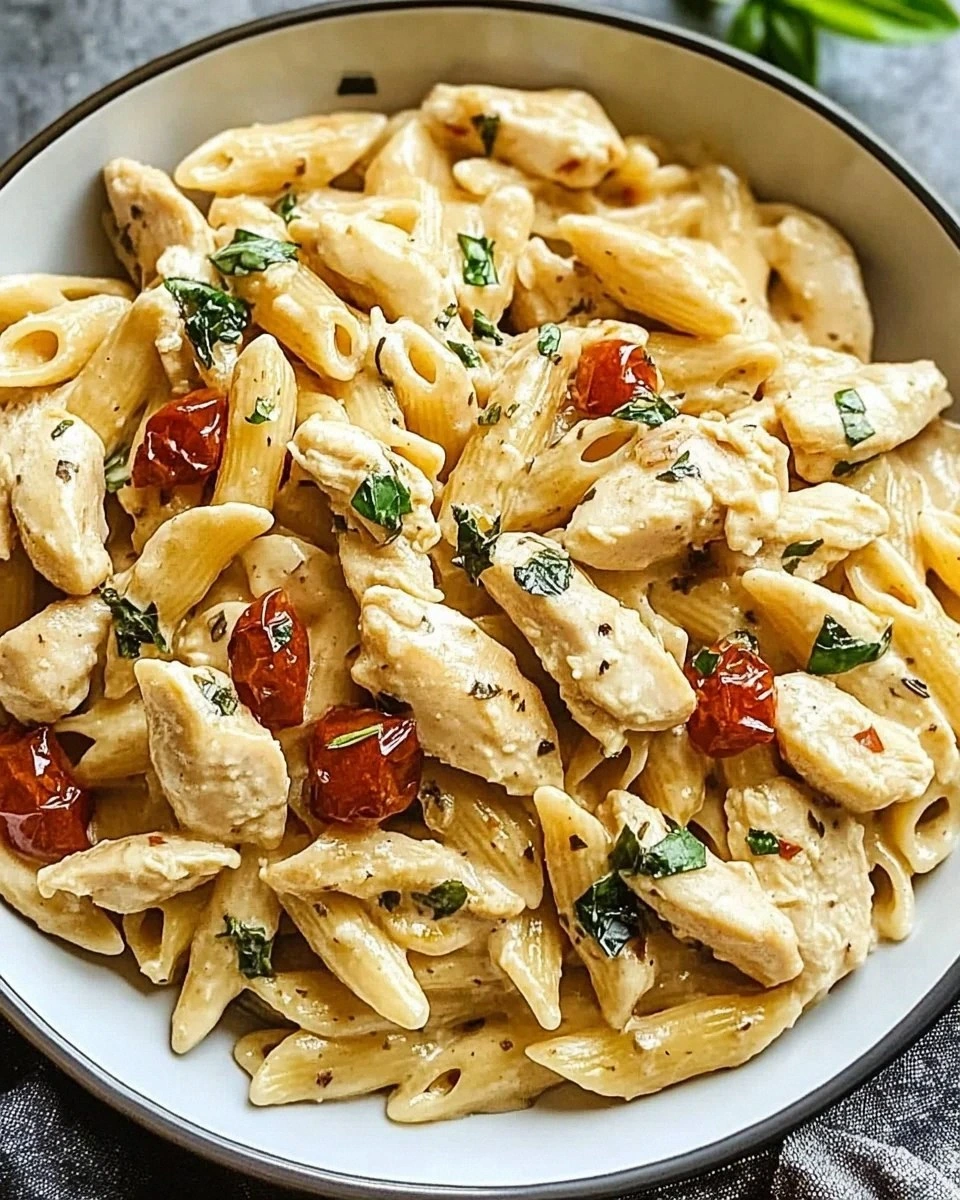
Fast forward a few weeks, a stack of sun‑dried tomatoes, a splash of heavy cream, and a dash of daring confidence later, I finally nailed it. The moment I tossed the cooked pasta into the silky, garlicky sauce, it coated each noodle like a velvet blanket, while the chicken pieces turned golden and crisp, whispering promises of juicy tenderness. The kitchen filled with an aroma that was part Italian trattoria, part cozy cabin, and entirely irresistible. I could practically hear the pasta sigh in relief as the sauce embraced it, and the basil leaves fluttered like confetti at a celebration.
What makes this version truly stand out is the marriage of flavors that most recipes completely miss. I dared to add smoked paprika for a subtle, smoky undertone, and a pinch of red pepper flakes that give a flirtatious heat without stealing the show. The sun‑dried tomatoes bring a concentrated burst of sweetness that balances the richness of the cream, while the Parmesan cheese adds that perfect nutty finish. And let’s not forget the secret weapon: a quick sear on the chicken that creates crispy edges that shatter like thin ice when you bite into them. This isn’t just a meal; it’s a theatrical performance on a plate.
Okay, ready for the game‑changer? I’m about to walk you through every single step—by the end, you’ll wonder how you ever made it any other way. I’ll spill the beans on the technique that transforms ordinary pasta into a luxurious experience, and I’ll share a few hacks that will make you look like a kitchen wizard. I dare you to taste this and not go back for seconds. Let’s dive in.
What Makes This Version Stand Out
- Flavor Depth: The combination of smoked paprika, Italian seasoning, and sun‑dried tomatoes creates layers that unfold with each bite, delivering a taste journey from smoky to sweet to savory.
- Texture Harmony: Creamy sauce meets al dente pasta and crispy‑seared chicken, offering a contrast that keeps your palate engaged from the first forkful to the last.
- Simplicity Meets Sophistication: Despite the complex flavor profile, the ingredient list is short and the steps are straightforward—perfect for weeknight heroes.
- Unexpected Ingredient: A dash of smoked paprika adds a subtle, almost hidden smokiness that most “marry me” recipes skip, elevating the dish from ordinary to unforgettable.
- Crowd Reaction: I’ve served this at dinner parties and watched guests whisper “What’s the secret?” while sneaking extra helpings—proof that it’s a show‑stopper.
- Ingredient Quality: Using fresh basil and high‑quality Parmesan makes the sauce sing; cheap substitutes flatten the experience.
- One‑Pan Efficiency: After searing the chicken, everything else happens in the same skillet, minimizing cleanup and maximizing flavor integration.
- Make‑Ahead Potential: The sauce can be prepared ahead of time and reheated, allowing you to assemble the final dish in minutes when guests arrive.
Inside the Ingredient List
The Flavor Base
The foundation of any great pasta dish is a well‑balanced flavor base, and here the onion and garlic play starring roles. Finely chopped onion releases a sweet, caramelized note as it softens, while the garlic provides that unmistakable aromatic punch that makes you want to inhale the whole pan. If you skip the onion, the sauce loses its depth; if you omit garlic, you’re left with a bland canvas. As a swap, you can use shallots for a milder, more delicate flavor, but remember to increase the quantity by about 25 percent.
The Texture Crew
Chicken breasts, when sliced into bite‑size strips and seared, become the crunchy‑soft element that contrasts with the silky pasta. The key is to slice them evenly—about a half‑inch thick—so they cook uniformly and retain juiciness. If you’re short on time, pre‑cooked rotisserie chicken works, but you’ll miss the caramelized edges that make this dish unforgettable. For the pasta, I recommend a sturdy shape like rigatoni or penne; they hold the sauce in their ridges, ensuring each bite is drenched.
The Unexpected Star
Sun‑dried tomatoes are the surprise guest that steals the spotlight. Their concentrated sweetness cuts through the richness of the heavy cream, preventing the sauce from feeling cloying. If you can’t find them packed in oil, look for the dry‑packed version and rehydrate them in warm water for ten minutes—this restores their plump texture. A daring swap is roasted red peppers, which add a smoky sweetness, but you’ll need to reduce the paprika to avoid over‑smoking the dish.
The Final Flourish
Fresh basil leaves are the aromatic garnish that lifts the whole plate, adding a bright, herbaceous finish. Tear them by hand rather than chopping; this releases essential oils without bruising the leaves. If basil isn’t in season, flat‑leaf parsley or a pinch of dried oregano can stand in, though the flavor won’t be as vibrant. For the Parmesan, always choose a real‑aged cheese—pre‑grated varieties contain anti‑caking agents that can grain the sauce.
Everything's prepped? Good. Let’s get into the real action…
The Method — Step by Step
Start by bringing a large pot of salted water to a rolling boil. Add the dried pasta and cook until it’s al dente—usually one minute less than the package suggests. While the pasta cooks, set a timer; this is the moment where you can prep the sauce without feeling rushed. The water should taste like the sea; this is your first layer of flavor. Once done, reserve a cup of pasta water, then drain and set aside.
While the pasta is doing its thing, heat a large skillet over medium‑high heat and add the olive oil and butter. As soon as the butter foams, it should smell buttery and slightly nutty—if it starts to brown too quickly, lower the heat. Pat the chicken breasts dry, season both sides with salt, pepper, and a pinch of Italian seasoning, then lay them in the skillet. Hear that sizzle? That’s the sound of flavor foundations being built.
Let the chicken sear undisturbed for about 4‑5 minutes until the edges turn golden and start to pull away from the pan. Flip and sear the other side for another 4 minutes. The goal is a crust that shatters like thin ice when you bite—this texture is what sets the dish apart. Once cooked through, transfer the chicken to a plate and cover loosely with foil to keep warm.
Kitchen Hack: Slice the chicken into strips while it’s still warm; this prevents it from drying out and makes the final mixing smoother.Reduce the heat to medium and add the finely chopped onion to the same skillet. Sauté for 2‑3 minutes until translucent, then add the minced garlic, smoked paprika, red pepper flakes, and garlic powder. Stir constantly; the garlic should become fragrant but not burnt—burnt garlic adds bitterness that ruins the sauce. This is the moment where the kitchen starts to smell like a cozy Italian bistro.
Now, pour in the heavy cream, scraping the browned bits from the bottom of the pan. Those bits are pure flavor gold, and they’ll dissolve into the sauce, giving it depth. Bring the mixture to a gentle simmer; you’ll see it thicken slightly and coat the back of a spoon. Watch Out: If the heat is too high, the cream can separate, turning the sauce grainy.
Watch Out: Keep the sauce at a low simmer; a rapid boil will cause the cream to curdle, ruining the silky texture.Stir in the grated Parmesan cheese until it melts completely, creating a glossy, velvety coating. Then fold in the sun‑dried tomatoes, allowing them to rehydrate slightly in the hot sauce. At this point, taste and adjust seasoning with salt, pepper, and a splash more Italian seasoning if needed. The sauce should be rich, slightly tangy from the tomatoes, and have a subtle heat from the flakes.
Add the cooked pasta to the skillet, tossing to ensure each noodle is thoroughly coated. If the sauce looks too thick, gradually add reserved pasta water—about a tablespoon at a time—until you achieve a silky, clingy consistency. Remember, the pasta will continue to absorb liquid as it sits, so aim for a sauce that’s just a touch looser than you’d like.
Finally, return the sliced chicken to the pan, mixing it gently with the pasta so the pieces stay whole but are evenly distributed. Sprinkle the fresh basil leaves over the top, allowing their aroma to rise like a fragrant curtain. Let everything sit for a minute off the heat; this resting time lets the flavors meld and the basil to release its oils.
Serve immediately on warm plates, offering extra grated Parmesan on the side for those who want an extra cheesy punch. Picture yourself pulling this out of the skillet, the whole kitchen smelling incredible, and hearing the satisfied sighs of your guests. This next part? Pure magic. And now the fun part—tasting!
Insider Tricks for Flawless Results
The Temperature Rule Nobody Follows
Most home cooks crank the heat to “high” because they think faster means better. In reality, medium‑high is the sweet spot for searing chicken without burning the exterior. A quick temperature check: the oil should shimmer but not smoke. If you respect the temperature, you’ll get that coveted crispy crust without a burnt aftertaste. I once tried a “high‑heat” method and ended up with chicken that tasted like charcoal—lesson learned.
Why Your Nose Knows Best
Don’t rely solely on timers; use your nose as a guide. When the onions turn translucent and start to smell sweet, they’re ready. When the garlic hits that golden‑but‑not‑brown stage, the aroma becomes nutty and you know it’s time to add the cream. Your olfactory senses are the ultimate timer, especially when you’re juggling multiple steps.
The 5‑Minute Rest That Changes Everything
After you combine pasta, sauce, and chicken, let the dish rest for five minutes off the heat. This short pause allows the starches in the pasta to release a tiny bit of starch, thickening the sauce naturally, and lets the basil’s essential oils infuse the entire dish. Skipping this rest will make the sauce feel a bit thin and the basil less aromatic.
Butter‑Boosted Finish
Adding a tablespoon of cold butter at the very end, right before serving, gives the sauce a glossy sheen and a richer mouthfeel. The butter emulsifies with the cream, creating a luxurious coating that makes each bite feel like a celebration. I once forgot this step and the dish was good, but the butter finish turned it from “delicious” to “legendary.”
Creative Twists and Variations
This recipe is a playground. Here are some of my favorite ways to switch things up:
Spicy Chipotle Kick
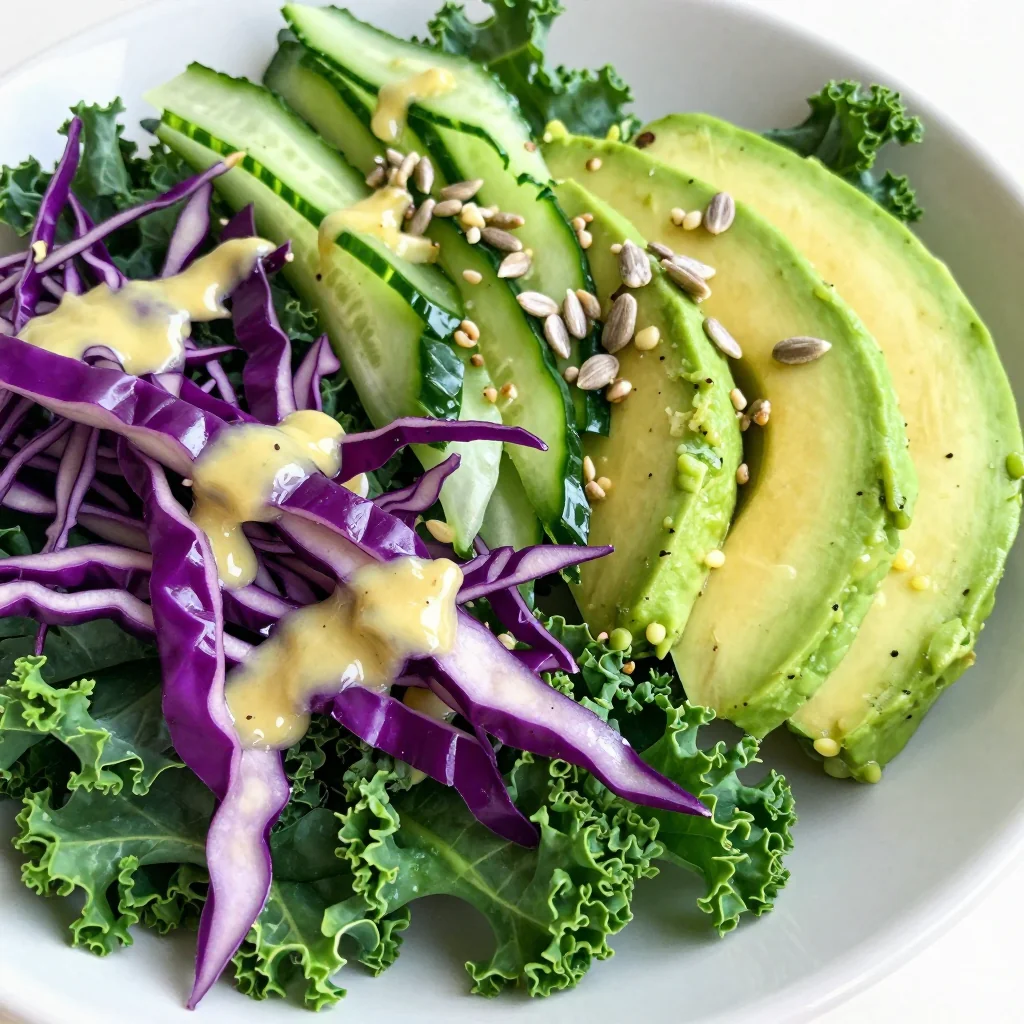
Swap the smoked paprika for chipotle powder and increase the red pepper flakes by a half teaspoon. The smoky heat deepens the sauce, making it perfect for those who love a bold bite. Pair it with a side of avocado slices to balance the spice.
Vegetarian Delight
Replace chicken with roasted cauliflower florets or sliced portobello mushrooms. Both absorb the sauce beautifully, and the cauliflower’s natural nuttiness complements the creamy base. Add a handful of baby spinach at the end for extra green goodness.
Cheesy Overload
Mix in a blend of mozzarella and fontina alongside the Parmesan for a gooey, stringy texture. The extra cheeses melt into the sauce, creating a luxurious stretch that’s perfect for kids and cheese addicts alike.
Herb‑Infused Version
Introduce fresh thyme and rosemary during the sauté of onions. Their piney notes add a woodland vibe that pairs wonderfully with the sun‑dried tomatoes. Finish with a drizzle of truffle oil for an upscale twist.
Seafood Swap
Use large shrimp instead of chicken; season them with the same spice blend and sear quickly (about 2 minutes per side). The shrimp’s sweet flavor melds with the creamy sauce, turning the dish into a surf‑and‑turf masterpiece.
Whole‑Wheat or Gluten‑Free Pasta
If you’re watching carbs or need gluten‑free options, substitute the dried pasta with whole‑wheat penne or a gluten‑free blend. The sauce clings just as well, and the nutritional profile improves without sacrificing comfort.
Storing and Bringing It Back to Life
Fridge Storage
Allow the dish to cool to room temperature (no more than two hours), then transfer it to an airtight container. It will keep for up to three days. When reheating, add a splash of milk or water—about two tablespoons per serving—to revive the sauce’s silkiness.
Freezer Friendly
Portion the pasta and sauce (without the basil) into freezer‑safe bags or containers. Freeze for up to two months. Thaw overnight in the refrigerator, then reheat gently on the stove, stirring in a bit of cream to restore richness.
Best Reheating Method
The stovetop is king: place the leftovers in a skillet over low heat, add a teaspoon of water per cup of pasta, and stir constantly until warmed through. Avoid microwave if possible; it can make the sauce grainy. A quick toss with fresh basil right before serving revives the bright herbal notes.