
I was halfway through a late‑night pizza binge, scrolling through recipes for a quick dinner, when the phone buzzed with a frantic text from my roommate: “I’m out of chicken, and the only thing left is that old stock in the back. Can you make something that feels like a hug?” That moment felt like a culinary dare, a call to transform a humble stock into a masterpiece. I stared at the glass of clear broth, the scent of dried herbs drifting from the pantry, and imagined a pot that would sing with flavor. The challenge was simple yet profound: take what I had and turn it into the ultimate cozy chicken noodle soup, the kind that makes you want to linger over the table and never rush to the next bite.
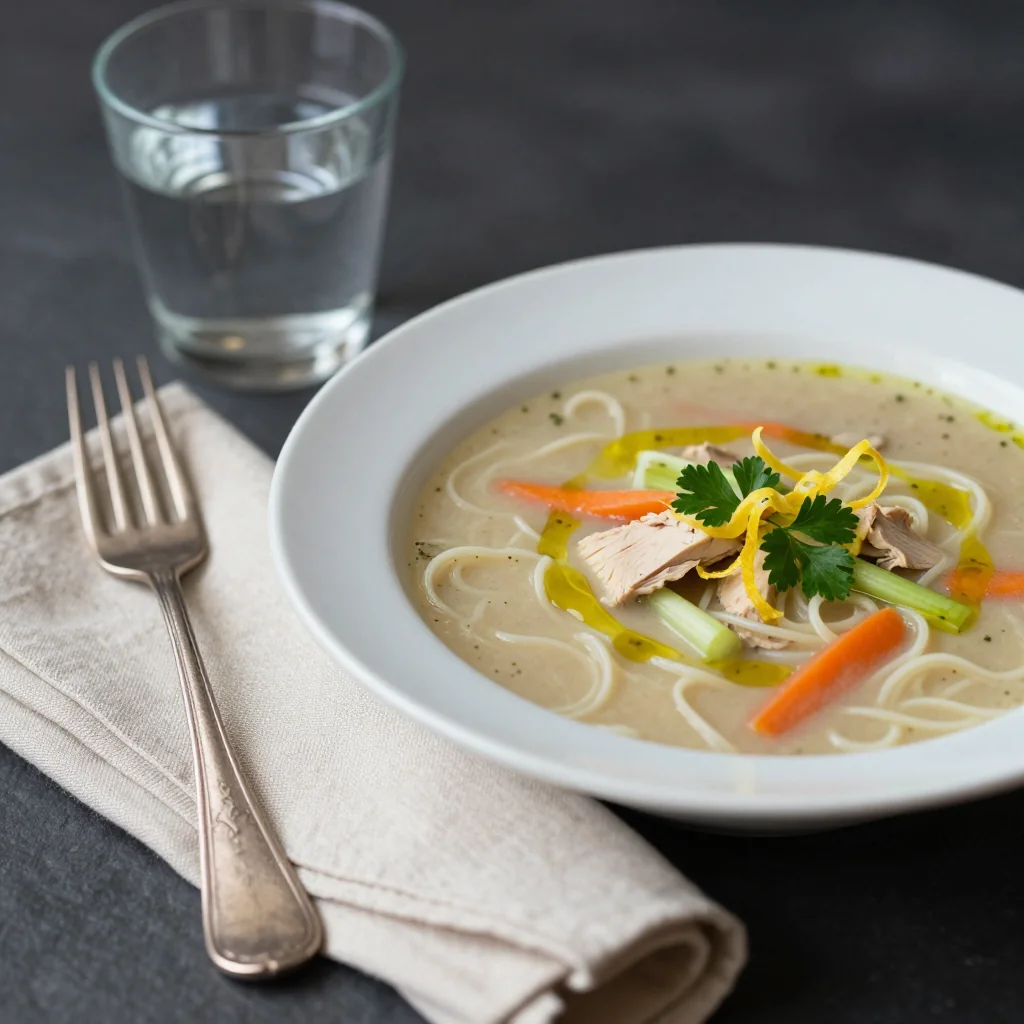
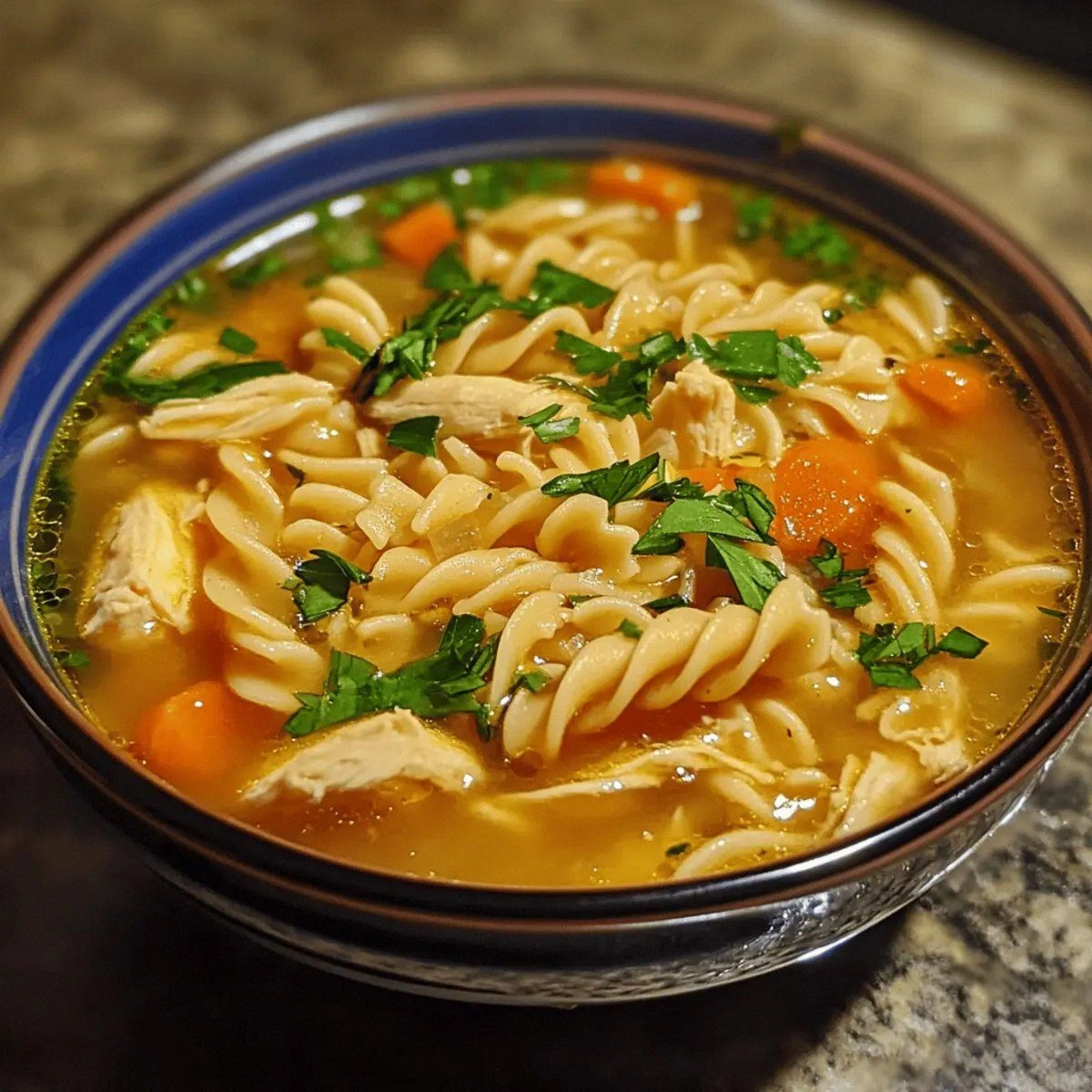
Picture this: a pot simmering on a gentle flame, the broth turning from clear to amber as onions and garlic release their golden perfume. The carrots slice into ribbons, their orange glow a promise of sweetness. The celery stalks crackle faintly, adding a subtle crunch to the broth’s silky texture. As the noodles begin to dance, they absorb the savory liquid, turning from stiff strands into tender ribbons that feel like a warm blanket for your tongue. The aroma rises, mingling with the faint whisper of thyme and bay leaves, and you can almost hear the kitchen sigh in relief.
What sets this version apart from every other chicken noodle soup you’ve tried is the meticulous layering of flavors and the attention to detail that turns a simple dish into an unforgettable experience. Instead of a rushed mix of ingredients, each component is introduced at the precise moment it can shine: onions first for depth, garlic later for sharpness, carrots and celery for sweetness and texture, and finally the noodles to soak up the broth’s heart. The broth itself is a base of pure chicken stock, not diluted with water, giving a robust, meaty backbone that makes every spoonful comforting. The final flourish of fresh parsley and a dash of thyme lifts the dish, adding a bright, herbal note that cuts through the richness without overpowering it.
And here’s the twist you didn’t see coming: I added a splash of lemon zest right before serving. The citrus brightens the soup, turning it from a cozy, heavy hug into a lively, uplifting bowl. I dare you to taste this and not go back for seconds, because the layers of flavor will keep you coming back for more. Let me walk you through every single step — by the end, you’ll wonder how you ever made it any other way.
What Makes This Version Stand Out
- Depth of Flavor: The broth is simmered for 30 minutes to extract every ounce of chicken goodness, creating a savory foundation that’s both rich and comforting.
- Texture Play: The noodles are added just before the finish, ensuring they’re al dente and hold their shape, while the vegetables remain crisp enough to provide contrast.
- Ingredient Quality: Fresh, seasonal produce gives the soup a bright, clean taste that feels like a breath of fresh air on a cold day.
- Simple Yet Elegant: No fancy gadgets or exotic spices—just pantry staples executed with precision.
- Make‑Ahead Friendly: The soup can be prepared in advance, allowing the flavors to meld overnight, making it a perfect weekday dinner.
- Crowd‑Pleaser: Friends and family rave about the comforting warmth, and it’s a guaranteed hit at potlucks and family gatherings.
- Versatility: The base can be tweaked for vegetarian or vegan versions, and it pairs wonderfully with crusty bread or a side salad.
Alright, let's break down exactly what goes into this masterpiece…
Inside the Ingredient List
The Flavor Base
The heart of this soup is the chicken broth—4 cups of it, simmered gently to coax out the savory notes of the bones and herbs. The broth is the canvas on which every other flavor is painted, so its quality is paramount. If you’re using a low‑sodium version, consider adding a pinch of sea salt to balance the flavors. Skipping this step will leave the soup feeling thin and underdeveloped.
The Texture Crew
Egg noodles are the star of the show, absorbing the broth while maintaining a firm bite. Cook them just until they’re al dente; over‑cooking will turn them mushy and ruin the comforting feel. Carrots and celery add crunch and natural sweetness, their fibers holding up well in the simmer. If you prefer a softer texture, dice the carrots and celery smaller, but be careful not to over‑cook them.
The Unexpected Star
Fresh parsley and thyme are the unsung heroes that elevate the dish from comforting to memorable. Parsley adds a bright, grassy note that cuts through the richness, while thyme brings a subtle earthiness. The bay leaves are the silent performers, releasing their aroma slowly throughout the simmer. Without these herbs, the soup would feel flat and uninspired.
The Final Flourish
A pinch of lemon zest, added at the end, gives the soup an uplifting brightness that lingers on the palate. Salt and pepper are added to taste, ensuring the soup’s flavors are balanced and not overpowering. If you’re watching sodium, a low‑sodium broth and a dash of sea salt can keep the dish healthy without compromising taste. The final touch is a drizzle of olive oil, which gives the broth a silky sheen.
Everything's prepped? Good. Let's get into the real action…
The Method — Step by Step
- Prepare the aromatics. Dice the onion finely and mince the garlic. Heat a large pot over medium heat, add a splash of olive oil, and let the onion soften until translucent, about 5 minutes. The onion should become a golden veil that smells like caramelized sugar. This step builds the base of flavor; skipping it will make the soup taste flat.
- Add the vegetables. Toss in the sliced carrots and diced celery, stirring to coat them in oil. Let them cook for 3 minutes, allowing their natural sugars to bloom. The vegetables should start to soften but still retain a slight crunch, like a gentle crunch in a sweet candy.
- Introduce the broth. Pour in the 4 cups of chicken broth and bring the mixture to a gentle boil. Reduce the heat to low and let it simmer for 10 minutes, allowing the flavors to mingle. The broth should take on a richer, amber hue, indicating the broth has absorbed the veggies’ essence.
- Season the soup. Add the bay leaves, thyme, salt to taste, and black pepper. Stir gently, ensuring the bay leaves are evenly distributed. The aroma should lift, hinting at the herbal undertones that will dominate the final dish.
- Stir in the chicken. Fold in the 2 cups of cooked chicken, shredded or diced. Let the mixture simmer for another 5 minutes so the chicken warms through and infuses the broth. This is the moment of truth; the chicken should feel tender and the broth should feel hearty.
- Cook the noodles. Add the 2 cups of egg noodles, stirring to prevent sticking. Simmer for 7-8 minutes until the noodles are al dente. The noodles should feel firm to the bite, like a gentle resistance that keeps the soup from becoming soupy.
- Finish with fresh herbs. Remove the pot from heat and stir in the fresh parsley and a pinch of lemon zest. The bright citrus will lift the soup, making it feel lively and fresh. Taste and adjust salt or pepper if needed.
- Serve hot. Ladle the soup into bowls, ensuring each bowl gets a generous portion of noodles, chicken, and vegetables. Garnish with a swirl of olive oil if desired. The soup should look like a steaming bowl of comfort, ready to be devoured.
That’s it — you did it. But hold on, I've got a few more tricks that'll take this to another level…
Insider Tricks for Flawless Results
The Temperature Rule Nobody Follows
Maintain a gentle simmer throughout the cooking process. A vigorous boil can break down the noodles too quickly, resulting in a mushy texture. Use a thermometer to keep the broth around 185°F; this ensures the flavors develop without overcooking the veggies.
Why Your Nose Knows Best
Smell the broth as it simmers. When it begins to perfume the kitchen with a warm, savory aroma, you’re at the peak of flavor. If the smell feels flat, give it a few more minutes on low heat.
The 5-Minute Rest That Changes Everything
After you remove the pot from heat, let the soup rest for 5 minutes before serving. This allows the flavors to settle and the noodles to absorb the broth fully, creating a harmonious bite.
The Right Salt
Start with a small pinch of sea salt, then taste after simmering. Adding salt too early can cause the broth to become cloudy; adding it later preserves clarity and enhances each ingredient’s natural taste.
The Fresh Herb Finale
Add fresh parsley and lemon zest right before serving. The herbs’ bright flavors will not only elevate the taste but also add a pop of color, making the soup visually appealing.
Creative Twists and Variations
This recipe is a playground. Here are some of my favorite ways to switch things up:
Spicy Kick
Add a diced jalapeño or a splash of hot sauce during the simmer. The heat will cut through the richness, giving the soup a lively edge that’s perfect for those who love a bit of spice.
Creamy Comfort
Stir in a splash of heavy cream or coconut milk at the end. The creamy layer will turn the soup into a velvety blanket, ideal for a winter night.
Vegetarian Delight
Replace the chicken with cooked lentils or chickpeas, and use vegetable broth instead. The result is a hearty, protein‑rich dish that satisfies even the most discerning vegetarians.
Asian Fusion
Swap the egg noodles for rice noodles and add soy sauce, sesame oil, and a sprinkle of toasted sesame seeds. The soup will take on a comforting, umami‑rich profile reminiscent of a bowl of pho.
Herb Garden
Double the amount of fresh parsley and add chopped basil or cilantro. The herb garden will create a fragrant, aromatic experience that elevates the dish to new heights.
Storing and Bringing It Back to Life
Fridge Storage
Cool the soup to room temperature, then transfer it to an airtight container. It will keep in the refrigerator for up to 4 days. The broth’s richness will deepen, making the soup even more comforting.
Freezer Friendly
Divide the soup into portioned containers and freeze for up to 3 months. Thaw overnight in the fridge or on the stovetop, stirring occasionally to re‑integrate the noodles.
Best Reheating Method
Reheat on low heat, adding a splash of water or broth to loosen the consistency. Stir until hot throughout; this prevents the noodles from drying out and keeps the broth silky.