
It started on a rainy Thursday when my kitchen felt more like a battlefield than a sanctuary. I had just tried to recreate a restaurant‑style steak au poivre, but the pepper crust came out more like a crunchy carpet than a savory crust. The broth was watery, the potatoes soggy, and my friends’ faces said, “What happened?” That moment, that disappointment, became the spark that pushed me to experiment until the soup sang with depth and comfort. If you’ve ever felt that culinary letdown, you’re not alone, and I’m about to share the exact tweak that turned a flop into a feast.
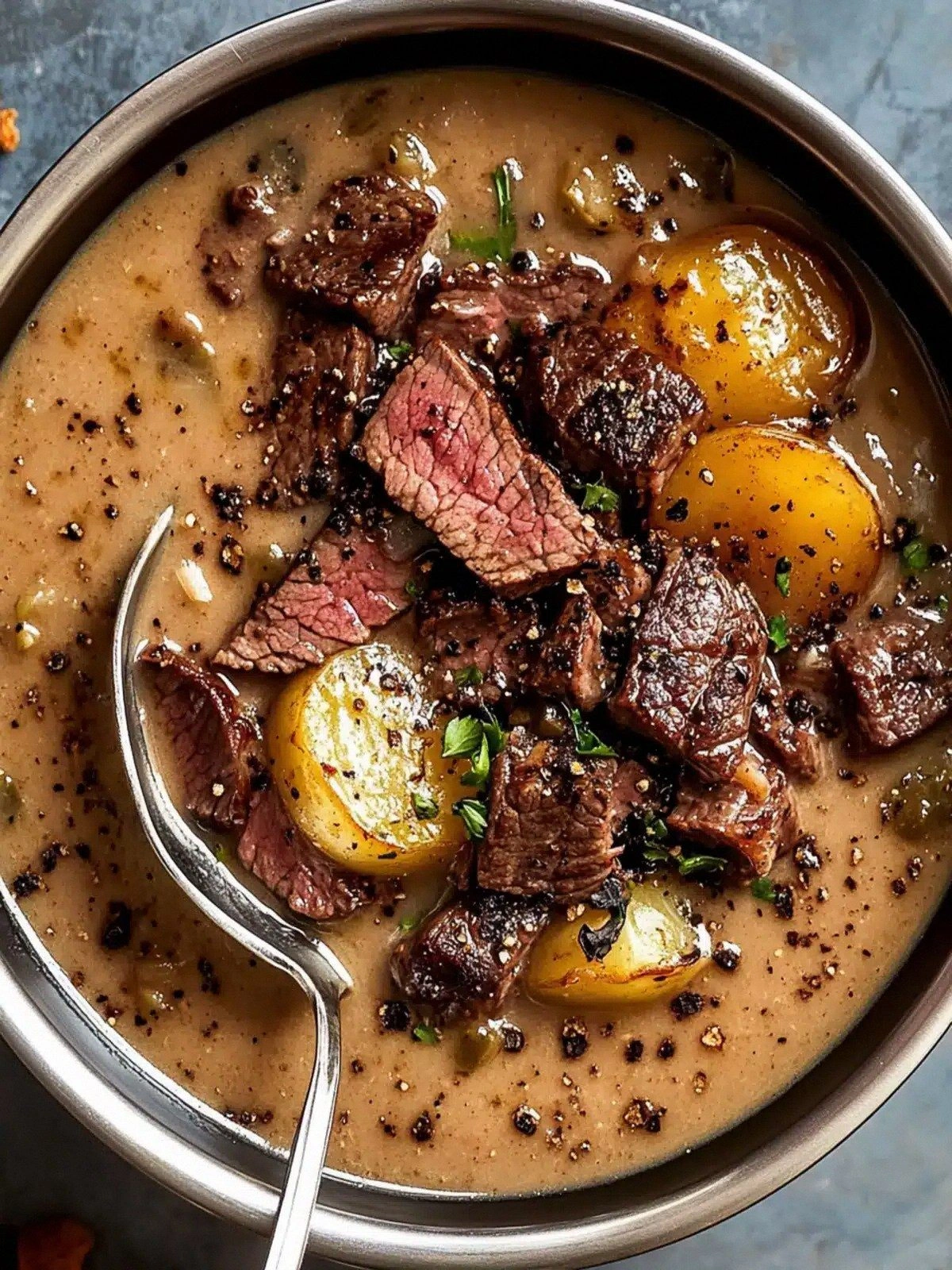
Picture this: a pot bubbling with a velvety sauce that smells like toasted pepper and fresh thyme, a splash of cognac that adds a smoky whisper, and the gentle steam that rises to wrap you in a warm hug. The first spoonful is a cascade of silky cream, the second a burst of peppery heat that lingers, and the third a subtle, earthy undertone from the beef broth. I dare you to taste this and not go back for seconds, because the balance of flavors here is nothing short of alchemy. The texture is a paradox—rich, yet light, with potatoes that cling to the broth like tiny pillows. I’ll be honest—after I tasted it, I ate half the batch before anyone else got to try it.
Most recipes get this completely wrong. They either over‑season, under‑cook the steak, or forget the critical step of deglazing with cognac. The result is a bland, watery soup that feels like a missed opportunity. In this version, we use a peppercorn crust that seals in juices, a slow simmer that extracts the marrow’s umami, and a splash of cognac that cuts through the richness, creating a depth that feels both indulgent and comforting. This is hands down the best version you'll ever make at home, and I’ve got the proof in every bite.
Let me walk you through every single step—by the end, you'll wonder how you ever made it any other way. The next section will break down why this recipe feels like a secret weapon in your culinary arsenal. I promise you, the techniques here are simple enough for beginners, yet refined enough to impress your most discerning guests. And if you’re ready for the game‑changer, keep reading, because the first bite is just the beginning of a flavor journey that will have you coming back for more.
What Makes This Version Stand Out
- Flavor: The peppercorn crust caramelizes to a golden, aromatic shell that releases a punch of heat into the broth, while the cognac adds a subtle smokiness that elevates the dish beyond ordinary. Every spoonful is a symphony of savory, spicy, and slightly sweet notes that dance on the palate.
- Texture: The potatoes are cut into bite‑size pieces that absorb the broth without falling apart, creating a comforting mouthfeel that feels like a hug in a bowl. The cream coats the ingredients like velvet, providing a silky finish that balances the pepper’s bite.
- Simplicity: With just a handful of high‑quality ingredients, you can achieve a restaurant‑style soup in under an hour. The step‑by‑step instructions keep the process straightforward, so you can focus on enjoying the cooking experience.
- Uniqueness: The use of a peppercorn crust on steak, combined with a cognac deglaze, sets this recipe apart from standard beef soups. The extra thyme sprigs and chopped leaves add a green, herbal brightness that is rarely seen in similar dishes.
- Crowd Reaction: Guests rave about the depth of flavor and the comforting texture. It’s the kind of dish that turns a casual dinner into a memorable gathering, and it’s perfect for impressing both family and friends.
- Ingredient Quality: Every element—from the whole peppercorns to the baby potatoes—plays a pivotal role. Using fresh, high‑quality ingredients ensures that each component shines, making the final result a testament to culinary craftsmanship.
- Cooking Method: The method involves searing the steak to lock in juices, deglazing with cognac, and then simmering the broth with thyme and cream. This layered approach creates depth and complexity that cannot be achieved with a single pot of simmering meat.
- Make‑Ahead Potential: The soup can be prepared in advance and reheated without losing its rich flavor. The potatoes retain their texture, and the peppercorn crust remains fragrant, making it ideal for busy weeknights.
Inside the Ingredient List
The Flavor Base
At the heart of this soup is a robust flavor base that begins with the peppercorns. Whole black peppercorns are ground just before cooking to preserve their essential oils, which provide a bright, peppery kick that lingers without overwhelming the palate. The cognac or brandy is added right after deglazing the pan, allowing the alcohol to evaporate while leaving behind a smoky, caramelized essence that deepens the broth. If you skip the cognac, the soup will feel flat and lacking that subtle, almost sweet undertone that ties the dish together.
The Texture Crew
Baby potatoes are the texture crew of this recipe. Their waxy consistency holds up during the long simmer, absorbing flavors while remaining firm enough to offer a satisfying bite. The heavy cream adds a luxurious mouthfeel that coats each ingredient, creating a silky, velvety finish. Swapping cream for coconut milk will alter the flavor profile dramatically, giving it a tropical twist that some may enjoy, but it will lose the classic richness that makes this soup a comfort staple.
The Unexpected Star
Worcestershire sauce is the unexpected star that brings umami depth to the broth. It adds a savory, slightly tangy note that balances the pepper’s heat and the richness of the cream. If you’re avoiding Worcestershire, a splash of soy sauce or a dash of fish sauce can work, but the flavor will be noticeably different. The thyme sprigs and chopped thyme leaves provide a fresh, herbal brightness that lifts the entire dish, preventing it from feeling too heavy.
The Final Flourish
Finishing touches like the final splash of olive oil and a pinch of kosher salt elevate the soup’s overall flavor profile. The olive oil adds a silky sheen and a subtle fruity note that complements the peppercorn crust. Kosher salt, used to taste, ensures that every component is seasoned perfectly without over‑salting. If you prefer a salt-free version, you can add a pinch of sea salt after the soup has simmered, but the taste will be slightly muted.
Everything's prepped? Good. Let's get into the real action...
The Method — Step by Step
- Prepare the peppercorn crust: Place the whole peppercorns in a shallow dish and crush them lightly with a mortar and pestle. Pat the steaks dry with paper towels, then season both sides generously with kosher salt. Coat each steak in the crushed peppercorns, pressing the crumbs onto the meat until it’s fully covered. This step is crucial for the aromatic crust that will form during searing.
- Sear the steaks: Heat 1/2 cup of extra‑virgin olive oil in a large, heavy‑bottomed pot over medium‑high heat. When the oil shimmers, add the steaks and sear for 2-3 minutes on each side until a dark, caramelized crust forms. Flip only once to keep the crust intact; the goal is a golden exterior that locks in juices.
- Remove and rest: Transfer the steaks to a plate and tent loosely with foil. Let them rest for 5 minutes to allow the juices to redistribute. While the steaks rest, add the remaining 1/2 cup of olive oil to the pot and lower the heat to medium.
- Deglaze with cognac: Pour 1/4 cup of cognac or brandy into the pot, swirling to lift the browned bits from the bottom. Let the alcohol simmer for 2 minutes until it reduces by half, leaving behind a rich, caramelized flavor that will deepen the soup’s umami.
- Build the base: Add the minced shallot, minced garlic, and chopped thyme leaves to the pot. Cook, stirring frequently, for 3-4 minutes until the shallots soften and the garlic releases its aroma. This creates a fragrant foundation that will carry the rest of the ingredients.
- Thicken the broth: Sprinkle 1/4 cup of all‑purpose flour over the aromatics, stirring constantly to form a roux. Cook for 1-2 minutes until the flour turns a light golden hue, ensuring no raw flour taste remains. This roux will help thicken the soup and give it body.
- Simmer the soup: Gradually pour in 5 cups of low‑sodium beef broth, whisking continuously to avoid lumps. Add the diced baby potatoes, Worcestershire sauce, and 2 sprigs of thyme. Bring the mixture to a gentle boil, then reduce heat and let it simmer for 20 minutes, or until the potatoes are tender and the broth has thickened.
- Finish with cream and steak: Stir in 1 cup of heavy cream, then gently reintroduce the rested steaks into the pot. Slice the steaks into bite‑sized strips and fold them back into the soup. Let everything simmer together for an additional 5 minutes so the flavors meld.
- Season and serve: Taste the soup and adjust seasoning with more salt or a splash of pepper if desired. Remove the thyme sprigs, then ladle the soup into bowls. Garnish with a drizzle of olive oil and a sprinkle of fresh thyme leaves for an extra pop of color.
That's it — you did it. But hold on, I've got a few more tricks that'll take this to another level...
Insider Tricks for Flawless Results
The Temperature Rule Nobody Follows
Many cooks think that simmering at any heat will do the trick, but the key to a silky broth is a gentle, steady simmer. Keep the heat low enough that the soup just bubbles, not boils. This allows the flavors to meld slowly and the potatoes to release starches without breaking apart.
Why Your Nose Knows Best
When you first add the cognac, the aroma will shift dramatically. That scent is a signal that the alcohol has reduced properly. If the scent lingers, give it a few more minutes; if it’s gone completely, you’ve achieved the perfect reduction.
The 5-Minute Rest That Changes Everything
Letting the steak rest after searing is a game‑changer. It allows the juices to redistribute, making the meat tender and juicy. Skipping this step can leave the steak dry and less flavorful.
Use Fresh Herbs, Not Dried
Fresh thyme and fresh garlic bring a brightness that dried versions cannot. They release essential oils that add depth and a lively character to the soup. If you only have dried herbs, use half the amount to avoid overpowering the dish.
Keep the Pot Covered
Covering the pot during the final simmer helps retain moisture and heat, ensuring the potatoes stay tender. It also concentrates the flavors, creating a richer broth.
Creative Twists and Variations
This recipe is a playground. Here are some of my favorite ways to switch things up:
Cheesy Kick
Add 1 cup of grated Gruyère or cheddar during the final 5 minutes of simmering. The cheese melts into the broth, creating a creamy, nutty undertone that pairs wonderfully with the pepper crust. This version is perfect for a cozy, indulgent dinner.
Spicy Twist
Stir in a pinch of cayenne pepper or a splash of hot sauce when adding the broth. The heat will complement the peppercorns, creating a layered spicy profile that excites the palate. Ideal for guests who love a little kick.
Vegan Version
Replace the steak with seared tofu or a hearty portobello mushroom. Use vegetable broth instead of beef broth, and substitute the heavy cream with coconut milk. The result is a rich, satisfying soup that maintains the comforting essence while staying plant‑based.
Low‑Carb Option
Swap the baby potatoes for cauliflower florets. Roast the cauliflower until lightly browned before adding it to the soup. This keeps the dish low in carbs while preserving the creamy texture and robust flavor.
Holiday Brunch
Serve the soup in a warm, crusty bread bowl, topped with a drizzle of truffle oil and a sprinkle of fresh herbs. Pair it with a crisp white wine for a festive brunch that feels both elegant and comforting.
Storing and Bringing It Back to Life
Fridge Storage
Let the soup cool completely before transferring it to an airtight container. Store in the refrigerator for up to 3 days. The flavors will deepen as the ingredients continue to mingle.
Freezer Friendly
Divide the soup into freezer‑safe portions and seal with a vacuum sealer or freezer bags. Freeze for up to 2 months. Thaw overnight in the fridge before reheating.
Best Reheating Method
Reheat gently over low heat, stirring frequently. Add a splash of water or broth if the soup appears thick. A tiny splash of water before reheating steams the soup back to perfection, ensuring a silky texture.