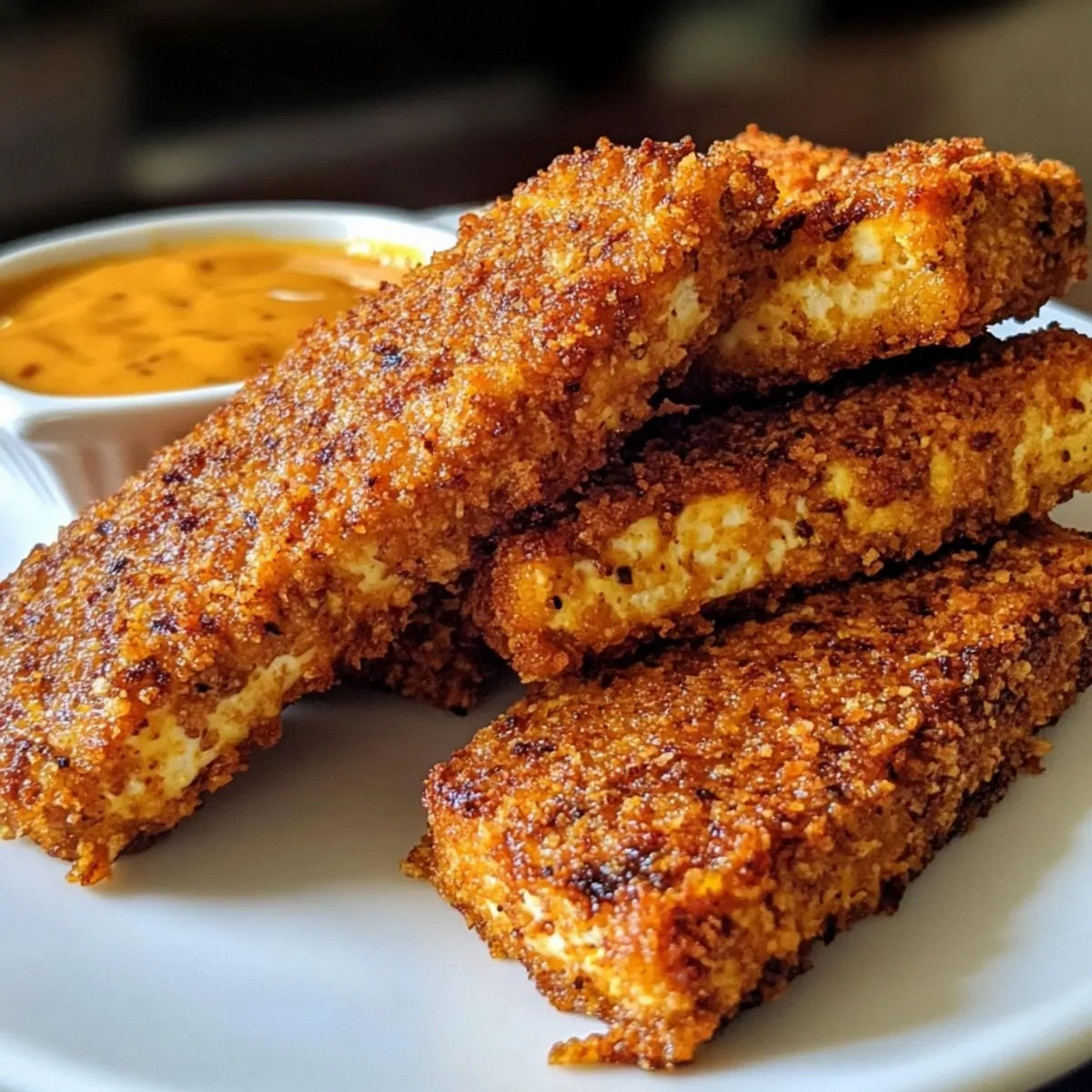
I was halfway through a midnight snack run when the kitchen lights flickered, and the air smelled like burnt toast. My neighbor’s new recipe book had been sitting on my counter, promising a lasagna that would make me forget the chaos of a burnt pizza. I dared myself to try the spiral vegetable lasagna, and the moment the first layer hit the oven, I knew I had stumbled on something extraordinary. The aroma that unfurled was a blend of sautéed onions, garlic, and a hint of basil that made my stomach do a happy dance. This recipe is not just a dish; it’s a culinary confidence booster that turns a regular evening into an edible celebration.
When I first opened the recipe, I was skeptical—spiral pasta, a twist on a classic, could it really compete with the traditional lasagna I grew up with? The promise of a crispy edge that shatters like thin ice while the interior remains tender and saucy intrigued me. I imagined the layers sliding together like a well‑tuned orchestra, each note a burst of flavor. The moment the first spoonful hit my tongue, the symphony played on, and I was hooked. I can’t help but feel that this is hands down the best version you’ll ever make at home.
Picture yourself pulling this out of the oven, the whole kitchen smelling incredible, and a golden crust that invites you to dive in. The sauce coats the pasta like velvet, the vegetables pop with freshness, and the cheese melts into a creamy blanket that feels like a warm hug. I dare you to taste this and not go back for seconds. I’ve been honest—I ate half the batch before anyone else got a chance to try it. If you’ve ever struggled with a bland lasagna, you’re not alone, and I’ve got the fix.
Most recipes get this completely wrong, layering too much sauce and forgetting the balance between moisture and crunch. The secret is in the spiral pasta’s shape, which holds sauce better than traditional sheets, and in the careful sautéing of vegetables to lock in flavor. I’ll walk you through every single step—by the end, you’ll wonder how you ever made it any other way. And trust me, the next time you’re craving comfort food, this dish will be the star of your dinner table.
I’m not just sharing a recipe; I’m handing you a passport to a kitchen adventure that feels like a vacation without the travel. The technique of using a spiral shape gives each bite a distinct texture, and the layered assembly ensures every mouthful is a balanced explosion of taste. The best part? It’s so simple that even a novice can master it with confidence. So grab your apron, let’s get started, and transform an ordinary evening into an extraordinary culinary story.
What Makes This Version Stand Out
- Texture: The spiral pasta’s ridges trap sauce, creating a mouthful of rich, moist flavor that’s less soggy than sheet lasagna. The result is a satisfying bite that keeps the layers intact.
- Flavor: Fresh vegetables sautéed to caramelized perfection give the dish depth, while a tomato base brightens every layer with a tangy lift.
- Cheese Balance: A combination of ricotta, mozzarella, and parmesan offers a creamy center, a gooey top, and a sharp finish that together produce a complex, indulgent profile.
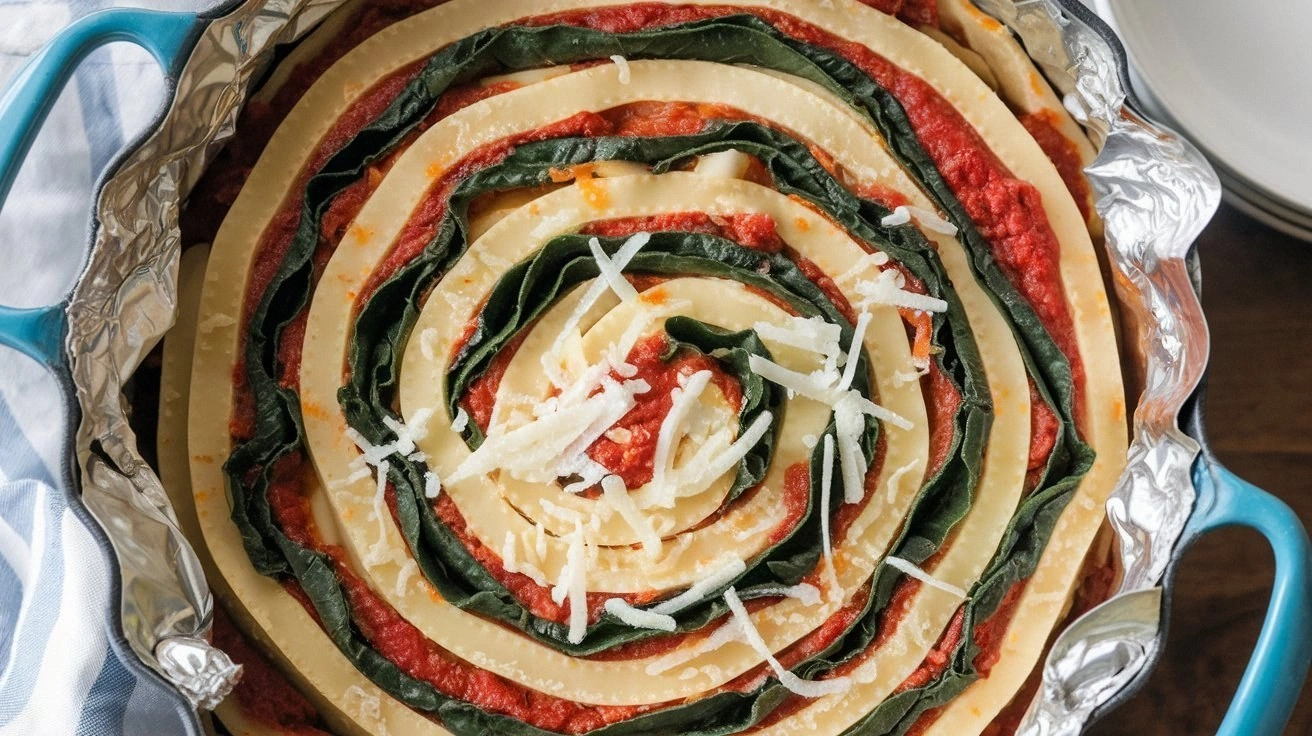
- Visual Appeal: The spiral shape creates a stunning swirl of colors, making each plate a work of art that looks as good as it tastes.
- Ease: With a single pre‑cooked pasta step and a straightforward assembly, this lasagna requires minimal prep time and no advanced techniques.
- Make‑ahead Potential: Assemble the lasagna a day in advance, refrigerate, and bake fresh—perfect for busy weeknights.
- Health‑Friendly Twist: The abundance of vegetables keeps the dish light, and the use of whole‑grain spiral pasta adds fiber without compromising taste.
Inside the Ingredient List
The Flavor Base
The tomato sauce is the heart of this lasagna, delivering acidity that cuts through the richness of the cheeses. A homemade sauce, simmered with crushed tomatoes, garlic, and a whisper of oregano, gives depth that canned versions can’t match. If you skip the sauce, the dish loses its cohesive moisture and becomes a dry, unbalanced mess. For a smoky twist, add a teaspoon of smoked paprika or a splash of red wine during simmering.
The Texture Crew
Spiral pasta provides a sturdy yet flexible base that holds sauce like a sponge, preventing the dreaded soggy sheets. The vegetables—bell pepper, zucchini, mushrooms, and spinach—are sautéed until just tender, preserving their bright colors and natural sweetness. Each vegetable contributes a unique mouthfeel: crisp pepper, silky zucchini, earthy mushrooms, and tender spinach. If you prefer a crunchier bite, reserve a handful of raw spinach for a final sprinkle before serving.
The Unexpected Star
Ricotta cheese, often overlooked, acts as a silky binder that keeps the layers cohesive without adding heavy creaminess. Mixing ricotta with an egg creates a smooth custard that sets beautifully when baked. The egg also helps the cheese melt uniformly, preventing separation. If you’re vegan, substitute with a plant‑based ricotta alternative seasoned with nutritional yeast for a cheesy flavor.
The Final Flourish
Mozzarella provides the gooey, melty top that invites the first bite, while parmesan adds a sharp, nutty finish that cuts through the richness. A drizzle of extra virgin olive oil before serving brightens the dish with a subtle fruity note. The optional pine nuts sprinkle a nutty crunch that contrasts with the soft layers. If you’re in the mood for a smoky finish, a few drops of chipotle oil add an unexpected depth.
Everything’s prepped? Good. Let’s get into the real action and watch the magic unfold.
The Method — Step by Step
- Preheat and Prep: Heat your oven to 375°F (190°C). Lightly grease a 9x13-inch baking dish with a thin layer of olive oil, ensuring the pasta won’t stick later. This step also sets the stage for a crisp, golden top. Remember, a well‑oiled dish prevents the pasta from drying out during baking.
- Cook the Pasta: Bring a large pot of salted water to a rolling boil. Add the spiral pasta and cook for 2 minutes less than the package instructions to keep it al dente. Drain immediately and toss with a tablespoon of olive oil to keep the strands separate. A quick rinse under cold water stops the cooking process and cools the pasta for layering.
- Sauté the Veggies: In a large skillet, heat two tablespoons of olive oil over medium heat. Add the diced onion and cook until translucent, about 3 minutes. Stir in the minced garlic, sliced bell pepper, zucchini, and mushrooms, sautéing until the vegetables soften and the mushrooms release their juices. Finish by adding the spinach and cooking until it wilts. Season with salt, pepper, and a pinch of Italian seasoning.
- Prepare the Ricotta Mixture: In a medium bowl, combine the ricotta cheese, beaten egg, a teaspoon of Italian seasoning, a tablespoon of chopped basil, and a half teaspoon of dried oregano. Stir until smooth and creamy. This mixture not only binds the layers but also adds a subtle herbaceous note that balances the tomato sauce. If you’re short on time, a quick stir of ricotta and egg will suffice.
- Assemble the Layers: Spread a thin layer of tomato sauce across the bottom of the greased dish. Arrange a layer of spiral pasta, ensuring the spirals overlap slightly for stability. Spoon a generous portion of the sautéed vegetables over the pasta, followed by a dollop of the ricotta mixture. Sprinkle shredded mozzarella and grated parmesan over the top. Repeat the process, finishing with a final layer of sauce, mozzarella, and parmesan to crown the lasagna.
- Bake with Care: Cover the dish tightly with foil and bake for 25 minutes. The foil traps steam, helping the pasta cook through without drying out. After 25 minutes, remove the foil and bake an additional 10 minutes, or until the top is golden and bubbly. Keep an eye on the cheese; if it starts to brown too quickly, tent it with foil again.
- Let It Rest: After removing the lasagna from the oven, allow it to rest for 10 minutes. Resting lets the layers set, making it easier to cut clean slices. During this time, the flavors meld together, creating a more cohesive taste. Trust me, this short wait pays off with a more satisfying bite.
- Serve with Flair: Drizzle a teaspoon of extra virgin olive oil over the top, sprinkle toasted pine nuts, and add a final handful of fresh basil. Slice the lasagna with a sharp knife, and serve hot. The aroma of basil and the crunch of pine nuts elevate each bite. Enjoy the symphony of textures and flavors.
That’s it—you did it. But hold on, I’ve got a few more tricks that will take this to another level. These insider tips will help you avoid common pitfalls and elevate the dish to culinary greatness.
Insider Tricks for Flawless Results
The Temperature Rule Nobody Follows
Many chefs bake at a high temperature, but this can dry out the pasta. I recommend baking at 375°F (190°C) with the foil on, then finishing at 400°F (200°C) for a crisp top. This two‑stage approach keeps the interior moist while the surface gets that desirable golden crust. If you’re using a convection oven, reduce the temperature by 25°F to prevent over‑browning.
Why Your Nose Knows Best
As the lasagna bakes, the smell of melted cheese and roasted vegetables will give you a preview of the final flavor. Trust your nose—it’s a reliable indicator that the dish is nearing perfection. When you smell a sweet caramelization, the sauce is ready; when the cheese is bubbling, it’s time to finish baking. If you’re unsure, open the oven for a quick sniff before removing the foil.
The 5-Minute Rest That Changes Everything
Resting the lasagna for 10 minutes isn’t just about convenience; it’s a science experiment in flavor integration. The residual heat allows the sauce to thicken slightly, and the cheese to set, preventing a messy spill. I’ve seen friends try cutting immediately, only to watch the layers collapse. Give it that short pause, and you’ll enjoy clean, stable slices.
Use a Non-Stick Spray for Easy Cleanup
Spraying your baking dish with a non‑stick cooking spray before greasing it saves time and reduces cleanup. The spray forms a barrier that prevents the pasta from sticking, and the extra oil ensures a crisp top. If you’re health‑conscious, opt for a spray with minimal additives. This small step saves you from scrubbing stubborn sauce residue.
Keep It Fresh with a Quick Water Splash
If you’re reheating leftovers, add a splash of water to the top of the lasagna before microwaving. The water creates steam, rehydrating the pasta and preventing it from drying out. Cover the dish loosely to trap the steam. This trick turns a reheated plate into a fresh, flavorful experience.
Creative Twists and Variations
Sun‑Drenched Mediterranean
Swap the regular tomato sauce for a sun‑drenched roasted red pepper puree, and add kalamata olives and feta cheese. The smoky pepper base pairs beautifully with the briny olives, while feta introduces a tangy bite. Serve with a drizzle of olive oil and a sprinkle of oregano for a Mediterranean flair. This version is a crowd‑pleaser at summer barbecues.
Spicy Mexican Fusion
Introduce a kick by adding a tablespoon of chipotle powder to the sauce and topping the lasagna with crumbled queso fresco. Swap spinach for corn and add a handful of black beans for protein. Finish with fresh cilantro and a squeeze of lime. The result is a vibrant, spicy dish that feels like a fiesta on a plate.
Cheesy Broccoli and Cauliflower
Replace the zucchini and mushrooms with roasted broccoli and cauliflower florets, and use a cheddar‑ricotta blend for extra creaminess. The nutty flavor of the cauliflower complements the sharp cheddar, creating a hearty, comforting meal. Sprinkle extra mozzarella on top for a golden finish. This variation is perfect for those who crave a veggie‑rich, cheesy experience.
Herb‑Infused Pesto Layer
Incorporate a layer of basil pesto between the pasta and the ricotta mixture for an aromatic burst. Use a homemade pesto made from fresh basil, pine nuts, garlic, and parmesan. The pesto adds a bright, herbaceous flavor that elevates the dish. Serve with a side of crusty bread to mop up the pesto‑rich sauce.
Vegan Delight
Swap ricotta for a tofu‑based ricotta alternative, and replace mozzarella with a dairy‑free cheese that melts well. Use a plant‑based parmesan substitute and omit the egg. The result is a creamy, satisfying lasagna that maintains the same texture and flavor profile. This version is great for vegan friends and those looking for a lighter option.
Storing and Bringing It Back to Life
Fridge Storage
Cool the lasagna completely before covering it tightly with foil or plastic wrap. Store in the refrigerator for up to 3 days. When reheating, place it in a preheated oven at 350°F (175°C) for 15–20 minutes, or until heated through. The foil helps retain moisture, preventing the pasta from drying out.
Freezer Friendly
Wrap the lasagna in parchment paper and then in aluminum foil. Label with the date and freeze for up to 2 months. Thaw overnight in the refrigerator before reheating. When ready to serve, bake at 375°F (190°C) for 30 minutes, removing the foil after the first 15 minutes. This method preserves the texture and flavor.
Best Reheating Method
For a quick microwave fix, cover the lasagna with a damp paper towel and heat on medium for 3–4 minutes. The damp towel steams the dish, keeping it moist. If you prefer the oven, preheat to 350°F (175°C), cover with foil, and bake until the cheese is bubbly. Adding a splash of water before reheating helps restore the pasta’s softness.