Love this? Pin it for later! 📌
I still remember the first January 1st I attempted it. I'd hosted a raucous game-night the evening before, and when the last friend finally left at 2 a.m., I seasoned the chuck roast in a sleepy haze, layered it over carrots and potatoes, and whispered a half-delirious "please turn out" before collapsing into bed. Eight hours later I woke to a quiet house, glitter on the floor, and the most intoxicating smell drifting up the stairs. One bite of that fork-tender beef—so soft it barely held together—turned me into a believer. Now, no matter where I am on New Year's morning, the slow cooker comes out, the roast goes in, and the year officially begins.
Why This Recipe Works
- Hands-off luxury: Ten minutes of prep, then the slow cooker braises while you sleep in, watch parades, or play board games.
- Built-in side dishes: Carrots, potatoes, and onions cook in the same vessel, soaking up every drop of beefy gravy.
- Flavor layering: A quick sear, umami-packed tomato paste, and a splash of balsamic create depth worthy of a special-occasion feast.
- Guaranteed tenderness: Low, slow heat melts collagen into silky gelatin, yielding meat that slices with a spoon.
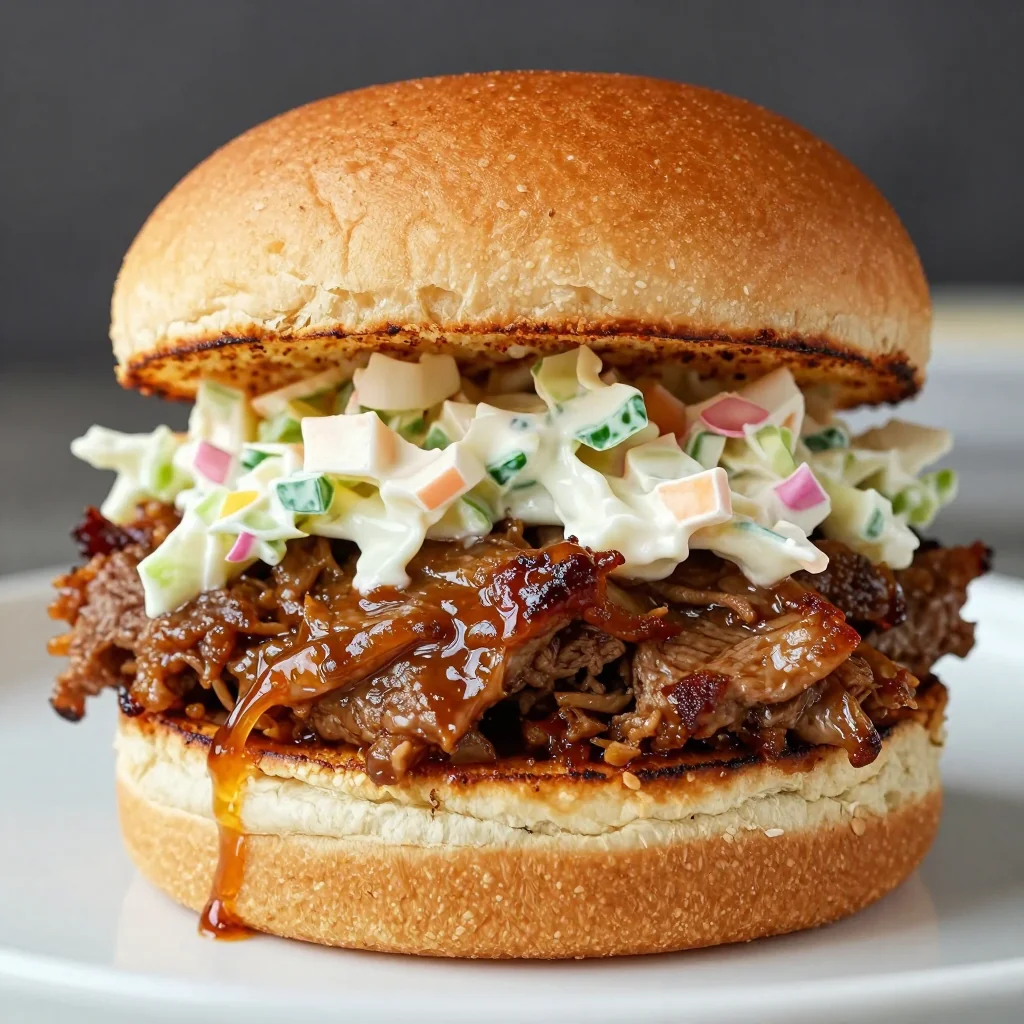
- Leftover gold: Extra shredded beef morphs into sandwiches, tacos, shepherd's pie, or freezer meals for busy January nights.
- Good-luck symbolism: Hearty root vegetables and beef represent prosperity and strength—perfect for welcoming a new year.
Ingredients You'll Need

Great pot roast begins with choosing the right cut. Look for a 3½–4 lb boneless chuck roast (sometimes labeled "chuck shoulder" or "chuck blade"). Intramuscular fat and generous marbling are your friends; they dissolve during the long braise and self-baste every fiber. If you spot "Angus" or "Prime" on the label and it fits your budget, grab it—the extra marbling is insurance against dryness.
Next up, aromatics. Yellow onions are classic, but a mix of yellow and sweet onions adds layered sweetness. Buy whole carrots instead of pre-cut "baby" versions; they stay snappy in the crock without turning mushy. For potatoes, I favor small Yukon Golds: their thin skins soften beautifully, and their buttery interior soaks up gravy like a sponge. If you prefer russets, peel them first; the thick skins get papery.
Liquid components matter more than you think. Beef broth forms the base, but adding a heaping tablespoon of concentrated tomato paste adds caramelized depth, while a modest splash of balsamic vinegar brightens everything. (Don't worry—you won't taste vinegar outright; it just accentuates the beef.) Worried about salt? Buy low-sodium broth so you control the seasoning.
Finally, herbs and spice. Fresh thyme and rosemary infuse the broth with woodsy perfume, but if your crisper drawer is empty, 1 tsp each of dried versions work. A whisper of smoked paprika gives the gravy a subtle fireside note, especially welcome in winter. And never skip the bay leaves; they quietly knit all the flavors together.
How to Make Slow Cooker Pot Roast for a Classic New Year's Day Feast
Pat, season, and sear
Remove roast from packaging, blot thoroughly with paper towels (moisture is the enemy of browning), and season on both sides with 1 Tbsp kosher salt, 1 tsp freshly ground black pepper, and ½ tsp garlic powder. Heat 1 Tbsp vegetable oil in a heavy skillet over medium-high until shimmering. Sear the roast 3–4 minutes per side until a deep mahogany crust forms; transfer to a plate. Don't rinse the skillet—you'll need those browned bits for the gravy.
Build the vegetable layer
While the meat rests, toss 1½-inch chunks of carrot, halved baby potatoes, and thick-sliced onion into the slow-cooker insert. Sprinkle with ½ tsp salt and a few grinds of pepper. These will act as an edible rack, keeping the roast slightly elevated so it steams rather than boils.
Create the braising liquid
Return the skillet to medium heat; add 2 Tbsp butter and scrape the fond. Stir in 2 Tbsp tomato paste; cook 1 minute until brick red. Whisk in 2 cups low-sodium beef broth, 1 Tbsp balsamic vinegar, 1 tsp Worcestershire, ½ tsp smoked paprika, and 2 bay leaves. Simmer 2 minutes to marry flavors.
Assemble and herb-top
Lay the seared roast over the vegetables. Pour the hot broth mixture around (not over) the meat so you don't wash off the crust. Tuck 4 sprigs thyme and 2 sprigs rosemary along the sides. Cover and cook on LOW 8–9 hours or HIGH 5–6 hours, until the roast yields easily to a fork.
Rest, then shred or slice
Transfer roast to a cutting board; tent loosely with foil 15 minutes to reabsorb juices. Depending on your preference, slice against the grain for tidy slabs or use two forks to pull it into rustic shreds. The meat should be so tender it practically dissolves.
Optional gravy step
If you crave thicker gravy, ladle 2 cups cooking liquid into a saucepan. Skim excess fat, bring to a simmer, and whisk a slurry of 1 Tbsp cornstarch + 1 Tbsp cold water. Cook 2 minutes until glossy. Taste and adjust salt; pour over plated roast and vegetables.
Serve in true feast style
Arrange meat on a warmed platter, encircle with carrots and potatoes, and blanket with gravy. Garnish with fresh parsley for color. Pair with crusty bread, braised greens, or a crisp apple-cabbage slaw to cut the richness. Toast to a deliciously promising new year.
Expert Tips
Use a meat thermometer
For ultimate consistency, pull the roast when it reaches 203 °F internally; collagen fully dissolves at this sweet spot.
Deglaze with wine
Swap ½ cup broth for dry red wine in the skillet for deeper, restaurant-level complexity.
Don't peek early
Lifting the lid releases steam and can add 20–30 minutes to your cook time. Trust the process.
Overnight convenience
Start the cooker right before bed; wake to perfectly braised beef ready for brunch.
Fat skimming hack
Chill the strained liquid 15 minutes; fat solidifies on top and lifts off in sheets.
Double-batch strategy
Two smaller roasts fit side-by-side in a 7-qt cooker; freeze half for effortless January comfort.
Variations to Try
- Italian-style: Add 1 tsp fennel seeds, 1 Tbsp sun-dried tomato pesto, and swap thyme for oregano. Serve over creamy polenta.
- Moroccan twist: Stir 1 tsp each cumin, coriander, and cinnamon into the broth; add ½ cup dried apricots and 1 cup chickpeas in the final hour.
- Mushroom lover: Sauté 8 oz cremini slices in butter, then layer under the roast. Finish with a drizzle of truffle oil.
- Low-carb plate: Replace potatoes with thick cauliflower steaks and chunks of turnip; swap cornstarch slurry for xanthan gum.
Storage Tips
Refrigerating: Cool leftovers promptly. Store meat and vegetables submerged in gravy inside shallow, airtight containers up to 4 days. Keeping them covered prevents the meat from drying out and blocks fridge odors.
Freezing: Portion shredded beef and a ladle of gravy into freezer bags; press out excess air, label, and freeze flat up to 3 months. Potatoes can become grainy after thawing; if you plan to freeze, consider cooking fresh potatoes when reheating.
Reheating: Thaw overnight in the refrigerator. Warm gently in a covered saucepan with a splash of broth or water over medium-low, stirring occasionally, until heated through. A 300 °F oven works well for larger portions; cover with foil to trap steam.
Make-ahead gravy: Strain, chill, and store the braising liquid separately. When ready to serve, thicken as desired. The flavors meld beautifully, making next-day dinners taste even richer.
Frequently Asked Questions

Slow Cooker Pot Roast for a Classic New Year's Day Feast
Ingredients
Instructions
- Pat, season, and sear: Dry roast, season with salt, pepper, and garlic powder. Sear in hot oil 3–4 min per side until crusty. Transfer to plate.
- Load vegetables: Layer potatoes, carrots, and onions in slow cooker; season lightly.
- Deglaze & build broth: Melt butter in skillet, add tomato paste, cook 1 min. Whisk in broth, balsamic, Worcestershire, paprika, and bay; simmer 2 min.
- Assemble: Place roast over veggies, pour broth around, tuck herbs. Cover; cook LOW 8–9 h or HIGH 5–6 h.
- Rest & serve: Remove roast, tent 15 min. Slice or shred. Optionally thicken gravy with cornstarch slurry. Serve hot with vegetables and crusty bread.
Recipe Notes
For deeper flavor, deglaze the skillet with ½ cup dry red wine before adding broth. Leftover pot roast makes incredible sandwiches, shepherd's pie, or hash when crisped in a skillet.