Love this? Pin it for later! 📌
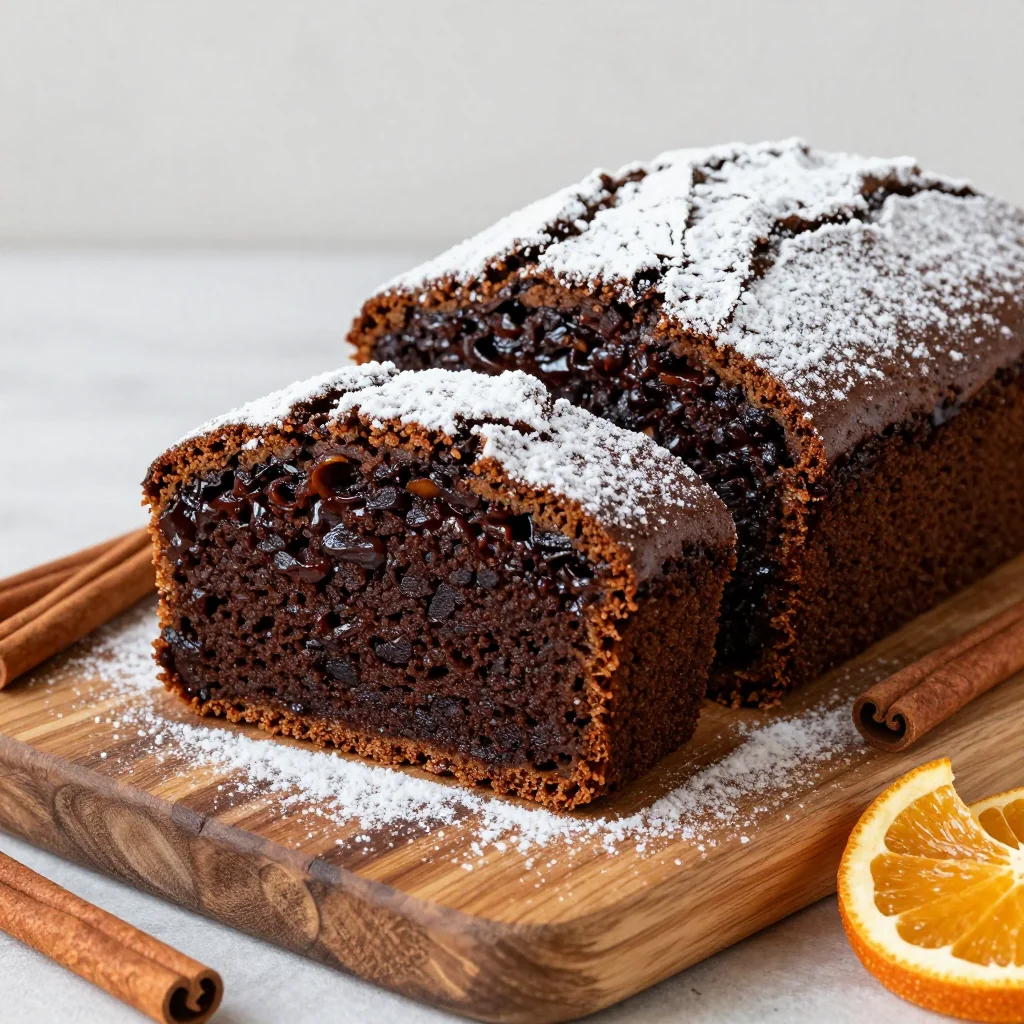
There's something magical about starting the year with the scent of ginger, cinnamon, and molasses wafting through your home. This Slow Cooker New Year's Day Gingerbread Cake has become my family's cherished tradition – a moist, warmly-spiced dessert that practically makes itself while we recover from New Year's Eve celebrations and settle into the promise of a fresh start.
I've been baking gingerbread for over two decades, but discovering I could create this nostalgic masterpiece in my slow cooker was a game-changer. No more hovering by the oven, worrying about over-browning or uneven baking. This method produces the most incredibly moist, tender crumb that rivals any oven-baked version. The gentle, consistent heat of the slow cooker creates a pudding-like texture around the edges while maintaining a perfect cake center – it's like having two desserts in one!
What makes this recipe particularly special for New Year's Day is its symbolism. The rich molasses represents the sweetness we hope for in the coming year, while the warming spices remind us to embrace life's flavorful moments. My grandmother always said that sharing gingerbread on January 1st brings prosperity, and whether or not you believe in old wives' tales, starting the year by gathering loved ones around a homemade dessert certainly can't hurt.
Why This Recipe Works
- Set-and-Forget Convenience: Simply mix, pour, and walk away – perfect for busy holiday mornings when you want to focus on family time
- Foolproof Moisture: The slow cooker's sealed environment creates a steamy atmosphere that prevents drying out
- Deep Flavor Development: The extended cooking time allows spices to meld and intensify beautifully
- Energy Efficient: Uses significantly less electricity than traditional oven baking
- Year-Round Versatility: While perfect for New Year's, this recipe works wonderfully for any cold-weather gathering
- Beginner-Friendly: No complicated techniques or special equipment beyond your slow cooker
- Aroma Therapy: Fills your home with the most incredible spiced scent for hours
Ingredients You'll Need
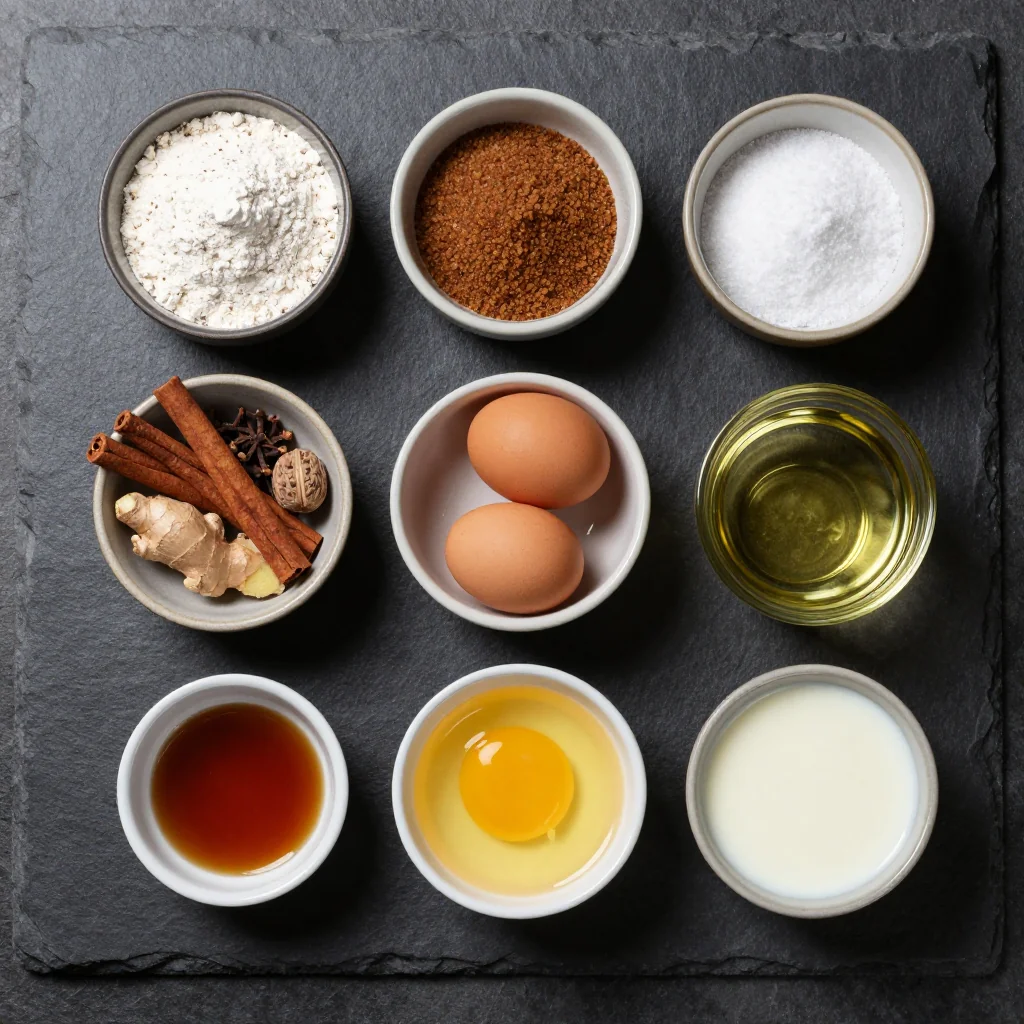
Quality ingredients make all the difference in this cake, and I'm excited to walk you through each one so you can create the most flavorful gingerbread possible. Let's start with the foundation – the flour. I prefer using a combination of all-purpose and whole wheat pastry flour for added depth and nutrition. The whole wheat pastry flour contributes a subtle nuttiness without making the cake dense, while maintaining that tender crumb we all love.
The molasses is truly the star here, and I cannot stress enough the importance of using dark molasses rather than blackstrap. Blackstrap molasses, while nutritious, has an intense bitterness that can overwhelm the delicate spice balance we're creating. Dark molasses provides that rich, complex sweetness with hints of caramel that makes gingerbread so addictive. If you can find organic molasses, even better – the flavor difference is remarkable.
Speaking of spices, this recipe uses what I call the "gingerbread trinity" – ground ginger, cinnamon, and cloves. But here's my secret: I also add a touch of cardamom and white pepper. The cardamom adds an ethereal floral note that elevates the entire cake, while the white pepper provides the subtlest warmth that makes people ask, "What is that amazing flavor?" Fresh spices are crucial; if your spices have been languishing in the cupboard for over a year, treat yourself to new ones for this special occasion.
Brown sugar contributes both sweetness and moisture, but I use a combination of dark brown and light brown sugar. The dark brown sugar adds deeper molasses notes, while the light brown keeps the cake from becoming too heavy. For the fat component, I prefer using melted butter rather than oil. The butter provides superior flavor and creates a more luxurious mouthfeel that oil simply cannot match.
The eggs should be at room temperature for better incorporation, and I always use large, organic eggs when possible. For the liquid, I've found that a combination of buttermilk and strong coffee creates the most complex flavor profile. The buttermilk adds tang and tenderness, while the coffee enhances the chocolate notes in the molasses without making the cake taste like coffee.
Finally, let's talk about the leavening agents. This recipe uses both baking soda and baking powder, but here's the key – the baking soda is primarily there to neutralize the acidity of the molasses, while the baking powder provides the lift. Using both ensures our cake rises beautifully while maintaining the proper pH balance for optimal flavor development.
How to Make Slow Cooker New Year's Day Gingerbread Cake
Prepare Your Slow Cooker
Grease the inside of your 6-quart slow cooker with butter, ensuring you reach every corner and up the sides about 2 inches. Cut a piece of parchment paper to fit the bottom, then grease the parchment as well. This double-greasing method prevents any chance of sticking and makes cleanup a breeze. If your slow cooker runs hot (many newer models do), place a clean kitchen towel under the lid during cooking to absorb condensation and prevent water droplets from falling onto your cake.
Mix Dry Ingredients
In a large bowl, whisk together 2 cups all-purpose flour, 1 cup whole wheat pastry flour, 2 teaspoons baking powder, 1 teaspoon baking soda, 2 tablespoons ground ginger, 2 teaspoons cinnamon, 1 teaspoon cloves, ½ teaspoon cardamom, ¼ teaspoon white pepper, and 1 teaspoon salt. Whisking for a full 30 seconds ensures even distribution of leavening agents and spices. This step is crucial because once the wet ingredients meet the dry, you want to minimize mixing to avoid a tough cake.
Cream Butter and Sugars
In the bowl of a stand mixer fitted with the paddle attachment, beat ¾ cup melted butter (cooled to room temperature) with ¾ cup dark brown sugar and ¾ cup light brown sugar on medium speed for 3 minutes. The mixture should look like wet sand and smell incredibly fragrant. This creaming step, even with melted butter, helps dissolve the sugar and creates air pockets for a lighter cake. Don't rush this step – proper creaming is the foundation of great texture.
Add Eggs and Molasses
Beat in 3 large eggs, one at a time, waiting until each is fully incorporated before adding the next. Scrape down the bowl between additions. Then pour in 1 cup dark molasses and 2 teaspoons vanilla extract. Beat just until combined – over-mixing at this stage can make the cake tough. The batter will look beautifully glossy and smell like holiday memories in the making.
Alternate Wet and Dry Ingredients
Reduce mixer speed to low. Add one-third of the dry ingredients, mixing just until the flour disappears. Pour in half of the buttermilk-coffee mixture (¾ cup buttermilk mixed with ¼ cup strong coffee), mixing just until combined. Repeat with another third of dry ingredients, remaining liquid, and finally the last of the dry. Stop mixing as soon as the last flour streaks disappear. Over-mixing develops gluten, resulting in a dense, tough cake.
Transfer and Smooth
Pour the batter into your prepared slow cooker, spreading it evenly with a rubber spatula. Gently tap the insert on the counter 2-3 times to release any large air bubbles. The batter should fill the slow cooker about halfway – it will rise significantly during cooking. If you have extra batter (which can happen with particularly large eggs), make a few muffins in a separate pan rather than overfilling the slow cooker.
Slow Cook to Perfection
Cover and cook on LOW for 2½ to 3 hours. Resist the urge to peek for the first 2 hours – every time you lift the lid, you release heat and steam, extending cooking time. The cake is done when the edges pull slightly away from the sides, the top springs back when lightly touched, and a toothpick inserted 2 inches from the edge comes out with just a few moist crumbs. The center may appear slightly underdone, but it will continue cooking from residual heat.
Rest and Serve
Turn off the slow cooker and let the cake rest, covered, for 30 minutes. This crucial step allows the carryover cooking to finish the center and makes the cake easier to remove. Run a thin knife around the edges, then place a large plate or cutting board over the slow cooker. Invert confidently – the cake should release beautifully. Serve warm with a dusting of powdered sugar, a dollop of whipped cream, or a scoop of vanilla ice cream. The cake slices cleanly when warm but develops even more flavor as it cools.
Expert Tips
Temperature Matters
Ensure all cold ingredients are at room temperature before beginning. Cold eggs or buttermilk can cause the melted butter to solidify, creating an uneven batter. Take everything out of the refrigerator 30-45 minutes before starting.
Steam Management
If your slow cooker tends to produce excessive condensation, place a clean kitchen towel under the lid, ensuring it doesn't touch the cake. This prevents water droplets from falling onto your gingerbread and creating soggy spots.
Timing Flexibility
Every slow cooker is different. Older models may take up to 3½ hours, while newer ones might finish in 2¼ hours. Start checking at 2 hours and every 15 minutes thereafter. The cake will continue cooking after you turn it off.
Flavor Enhancement
For an extra layer of complexity, add 2 tablespoons of bourbon or dark rum to the buttermilk-coffee mixture. The alcohol cooks off, leaving behind incredible depth and warmth that complements the spices beautifully.
Color Check
The cake is done when it turns from a glossy wet appearance to a matte finish around the edges. The center should still look slightly underdone – it will continue cooking from residual heat and set perfectly as it cools.
Serving Suggestions
While delicious warm, this cake's flavor actually improves overnight. Make it a day ahead, cool completely, then wrap tightly. Serve at room temperature or warm individual slices for 15 seconds in the microwave for optimal texture.
Variations to Try
Apple Gingerbread
Fold in 1 cup of peeled, diced apples (such as Honeycrisp or Granny Smith) with the final addition of dry ingredients. The apples add moisture and create delightful pockets of fruit throughout the cake.
Crystallized Ginger
Add ½ cup finely chopped crystallized ginger for extra zing and texture. Toss the pieces in a tablespoon of flour first to prevent them from sinking to the bottom during cooking.
Chocolate Gingerbread
Replace ¼ cup of the flour with unsweetened cocoa powder for a chocolate-ginger variation. You can also fold in ½ cup mini chocolate chips for extra indulgence.
Orange Gingerbread
Add 2 teaspoons of orange zest and substitute orange juice for the coffee. The citrus brightens the spices and adds a lovely aromatic quality that makes this version perfect for brunches.
Storage Tips
Refrigerator Storage
Cool completely, then wrap tightly in plastic wrap and store in an airtight container. Refrigerate for up to 5 days. Bring to room temperature before serving for best texture and flavor.
Freezing Instructions
Wrap individual slices or the whole cake (once completely cooled) in a double layer of plastic wrap, then foil. Freeze for up to 3 months. Thaw overnight in the refrigerator, then at room temperature for 2 hours.
Make-Ahead Tips
This cake actually improves in flavor after 24 hours, making it perfect for entertaining. Bake up to 2 days ahead, cool completely, and store wrapped at room temperature in a cool, dry place.
Frequently Asked Questions
I strongly advise against using blackstrap molasses in this recipe. While it's more nutritious, blackstrap molasses has a very bitter, almost burnt flavor that will overpower the delicate spice balance and make your cake unpleasantly strong. Dark molasses (sometimes labeled "original" or "full-flavor") provides the rich, complex sweetness that makes gingerbread so beloved. If you must substitute, use ¾ cup dark molasses plus ¼ cup honey or maple syrup to maintain sweetness while avoiding bitterness.
Yes, but you'll need to adjust both the cooking time and method. Cook on HIGH for 1½ to 2 hours, but place a small oven-safe ramekin or metal trivet in the bottom of the slow cooker (under the insert) to create space between the heating element and the cake. This prevents the bottom from burning. Start checking after 1 hour and 15 minutes. The cake will cook much faster on HIGH, so stay nearby during the final 30 minutes.
I don't recommend doubling this recipe in a standard 6-quart slow cooker as it will overflow during cooking. Instead, make two separate batches, or if you have an 8-quart slow cooker, you can increase the recipe by 50% (multiply all ingredients by 1.5). For very large gatherings, consider making the recipe as written but serving smaller pieces – this cake is rich and a little goes a long way. You can also make it ahead and freeze slices for easy serving throughout the holiday season.
Heavy, dense gingerbread usually results from one of three issues: over-mixing the batter (which develops gluten), using old leavening agents (check expiration dates on your baking powder and soda), or measuring flour incorrectly. For accurate flour measurement, fluff the flour in its container, spoon it into your measuring cup, then level with a knife. Never scoop directly from the bag, which can add 20-30% more flour. Also, ensure your baking powder is fresh – it loses potency over time, especially in humid climates.
Yes! Replace both flours with a high-quality gluten-free all-purpose flour blend that contains xanthan gum (such as Bob's Red Mill 1-to-1 or King Arthur Measure for Measure). Use 3 cups total of the GF flour blend. The texture will be slightly more tender than the wheat version, but still delicious. For best results, let the batter rest for 15 minutes before pouring into the slow cooker – this allows the gluten-free flours to fully hydrate. Note that the cake may rise slightly less but will still be wonderfully moist and flavorful.
Since slow cooker cakes don't develop the same visual cues as oven-baked cakes, use these reliable doneness tests: 1) Gently touch the center – it should spring back rather than leave an indentation. 2) Insert a toothpick 2 inches from the side – it should come out with just a few moist crumbs, not wet batter. 3) The cake will have lost its glossy, wet appearance and look more matte around the edges. 4) It will start to smell incredibly fragrant throughout your house. When in doubt, err on the side of slightly underdone rather than overdone – the cake continues cooking from residual heat.
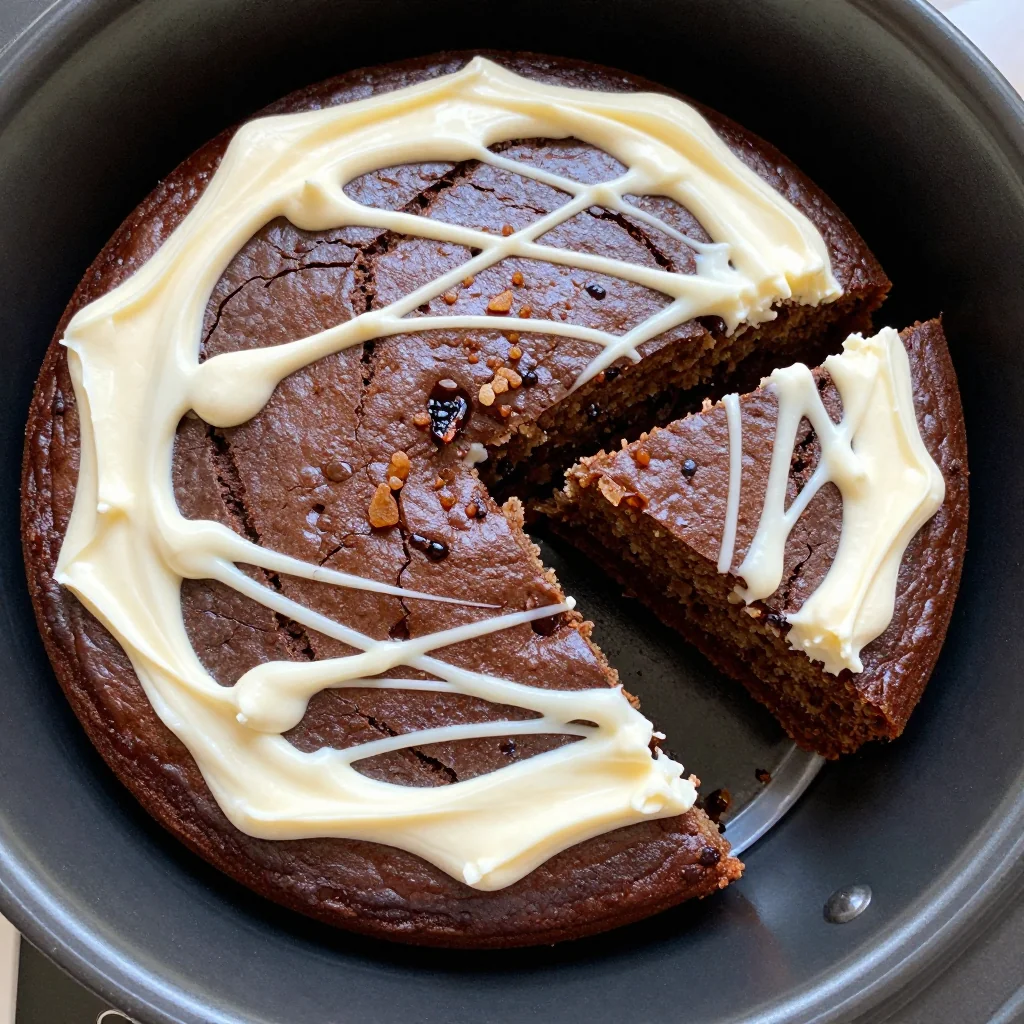
Slow Cooker New Year's Day Gingerbread Cake
Ingredients
Instructions
- Prepare slow cooker: Grease a 6-quart slow cooker with butter, line bottom with parchment, grease parchment.
- Mix dry ingredients: In a large bowl, whisk together flours, baking powder, baking soda, spices, and salt.
- Cream butter and sugars: Beat melted butter with brown sugars until well combined, about 3 minutes.
- Add eggs and molasses: Beat in eggs one at a time, then molasses and vanilla.
- Alternate wet and dry: Mix in dry ingredients in three additions, alternating with buttermilk-coffee mixture, beginning and ending with dry ingredients.
- Cook: Pour batter into prepared slow cooker. Cook on LOW for 2½ to 3 hours until edges pull away and center springs back when touched.
- Rest and serve: Let stand 30 minutes before removing. Serve warm or at room temperature with desired toppings.
Recipe Notes
For best results, use room temperature ingredients and avoid over-mixing the batter. The cake will continue cooking from residual heat after turning off the slow cooker.