I was halfway through a bland weeknight dinner when the kitchen alarm sounded—my sauté pan had turned into a charcoal slab, and the onions were blackened beyond recognition. I stared at the charred mess, wondering if I should call it a culinary disaster or a new trend. I decided to flip the narrative and turn that ruined onion into the star of a dish that would make everyone in my apartment gasp. The moment the sweet onion hit the pan, the aroma of caramelized sugar and sizzling oil filled the air like a promise of something deliciously transformative. I swear, that sizzling sound was the soundtrack to a new culinary adventure.
Picture this: a glossy, amber-brown onion glaze that coats a plate like velvet, the subtle heat of cajun seasoning dancing on your tongue, and a bright burst of parsley that cuts through the richness with a crisp green note. The texture is a delightful paradox—soft, almost buttery inside, with just enough bite on the edges that crackle when you bite into them. The aroma is unmistakably homey yet elevated, with a hint of smoky undertones that linger long after the last bite. The flavor profile is layered, starting with the sweet onion, deepened by the savory butter and oil, and finished with a peppery kick from the seasonings. And the best part? It’s a dish that feels luxurious but is actually incredibly simple to make.
What sets this version apart from the countless “onion sauce” recipes you’ve seen is the deliberate balance of flavors and textures. I dared to infuse a pinch of old bay seasoning, which gives a subtle briny depth that most recipes overlook. I also swapped regular butter for vegan butter to keep the dish plant‑based without sacrificing that buttery richness. The addition of a splash of extra virgin olive oil elevates the finish, giving it a silky mouthfeel that feels like a spa treatment for your taste buds. And the finishing flourish of finely diced parsley not only adds a pop of color but also a fresh, herbaceous brightness that lifts the entire dish. If you’ve ever struggled with onions turning into a bitter, over‑cooked mess, this is the fix you’ve been waiting for.
I dare you to taste this and not go back for seconds; the caramelized onion glaze will have you craving more. This is hands down the best version you’ll ever make at home, and I’ve got the proof in the form of a kitchen that smells like a gourmet kitchen every time I cook it. The secret? A careful low‑heat caramelization that turns the onion into a silky, sweet‑savory sauce that coats pasta, rice, or even roasted vegetables like a decadent blanket. Picture yourself pulling this out of the pan, the whole kitchen smelling incredible, and seeing that glossy sheen on your plate—pure magic. Let me walk you through every single step—by the end, you’ll wonder how you ever made it any other way.
What Makes This Version Stand Out
- Flavor Complexity: The marriage of sweet onion, smoky cajun seasoning, and briny old bay creates layers that dance on the palate. Each bite reveals a new nuance, from caramelized sweetness to a subtle peppery kick. It’s the kind of depth that turns a simple side into the centerpiece of a meal.
- Texture Perfection: The slow caramelization produces a silky sauce that clings to every grain of rice or noodle, while the onion’s edges develop a satisfying crackle. This contrast keeps the dish exciting from the first spoonful to the last. The result is a harmony of smooth and crisp that feels indulgent yet approachable.
- Plant‑Based Elegance: Switching to vegan butter and extra virgin olive oil keeps the dish fully plant‑based without sacrificing richness. The dairy‑free butter still delivers a buttery mouthfeel, and the olive oil adds a subtle fruity note that elevates the entire sauce.
- Time Efficiency: In just 30 minutes, you can transform a pantry staple into a gourmet sauce that would make any chef jealous. The low‑heat approach ensures the onions caramelize evenly without burning, saving you from frantic stove‑top scrubbing.
- Versatility: Whether you’re drizzling it over pasta, spooning it onto grilled vegetables, or using it as a dipping sauce, this onion boil adapts effortlessly. Its balanced flavor profile means it pairs beautifully with a wide range of proteins and grains.
- Make‑Ahead Potential: The sauce holds up wonderfully in the fridge for up to 48 hours, and it even tastes better the next day as the flavors meld. A few minutes of reheating restores its silky texture, making it a perfect weeknight or weekend meal.
- Audience Appeal: Even the most skeptical eaters will be won over by the sweet‑savory caramelized onions and the bright finish of parsley. The dish feels indulgent yet healthy, striking a balance that satisfies a wide range of dietary preferences.
Inside the Ingredient List
The Flavor Base
The sweet onion is the heart of this sauce. It’s not just a filler; it’s the main character that brings sweetness, depth, and a subtle complexity to the dish. When sliced thin and cooked low and slow, the onion releases natural sugars that caramelize into a golden glaze. If you skip the onion, you’ll lose the foundational sweetness that balances the savory seasonings. For an extra layer of flavor, try using a mix of yellow and white onions; the yellow adds a deeper sweetness while the white keeps the sauce bright.
Vegan butter is the second pillar. It’s chosen to replicate the buttery richness of traditional recipes while keeping the dish plant‑based. The butter adds a creamy mouthfeel and a subtle nutty aroma that enhances the caramelization process. Skipping the butter would result in a less velvety sauce and a loss of depth. If you’re allergic to dairy or prefer a lighter version, you can substitute half the amount with coconut oil, which adds a faint coconut note that works surprisingly well.
Extra virgin olive oil is the finishing touch that gives the sauce a silky sheen. It also helps to carry the seasonings evenly across the onions, ensuring each bite is infused with flavor. Olive oil’s fruity undertones complement the sweetness of the onions, creating a balanced profile. If you don’t have olive oil on hand, a neutral oil like grapeseed or canola works, but you’ll miss the subtle complexity that olive oil brings.
The Texture Crew
Finely diced parsley is the final flourish that brings a bright, herbaceous note to the dish. It cuts through the richness of the butter and oil, giving the sauce a fresh lift. The parsley also adds a pop of color that makes the dish visually appealing. If you’re not a fan of parsley, chopped cilantro or basil can be used, though they will alter the flavor profile slightly.
The texture of the onions is carefully controlled by cooking them at low heat for an extended period. This slow process ensures the onions soften without burning, creating a silky sauce that coats every grain of rice or pasta. If you prefer a chunkier texture, you can leave the onions a bit thicker before sautéing. However, the silky consistency is what makes this sauce stand out as a luxurious accompaniment.
The Unexpected Star
Cajun seasoning is the unexpected star that injects a bold, peppery kick into the sauce. It’s a blend of paprika, cayenne, garlic powder, and other spices that adds a depth of flavor you won’t find in a plain onion glaze. The heat from the cajun seasoning is balanced by the sweetness of the onions, creating a harmonious blend. If you prefer a milder version, reduce the amount of cajun seasoning or replace it with smoked paprika.
Old bay seasoning adds a subtle briny undertone that elevates the sauce’s complexity. It’s a classic seasoning that brings a faint maritime flavor, reminiscent of summer barbecues and seafood. The old bay seasoning is a small amount, but it makes a significant difference in the overall taste. If you’re allergic or simply don’t have it on hand, a pinch of smoked sea salt can serve as an adequate substitute.
The Final Flourish
The final flourish is the sprinkle of finely diced parsley, which adds a burst of color and a fresh finish. It also brings a bright, herbaceous note that cuts through the richness of the sauce, leaving a clean, satisfying aftertaste. The parsley’s bright green color is a visual cue that the dish is ready to serve. If you’re looking to add a bit more crunch, a sprinkle of toasted pine nuts or chopped walnuts can be added just before serving.
The combination of all these ingredients creates a sauce that’s both comforting and sophisticated. Each element plays a distinct role, yet they all harmonize to produce a balanced, mouth‑watering result. If you’re looking to impress friends or simply treat yourself, this sauce is a game‑changer. And remember, the key to success is patience—slow cooking allows the flavors to mingle and deepen.
Everything’s prepped? Good. Let’s get into the real action.
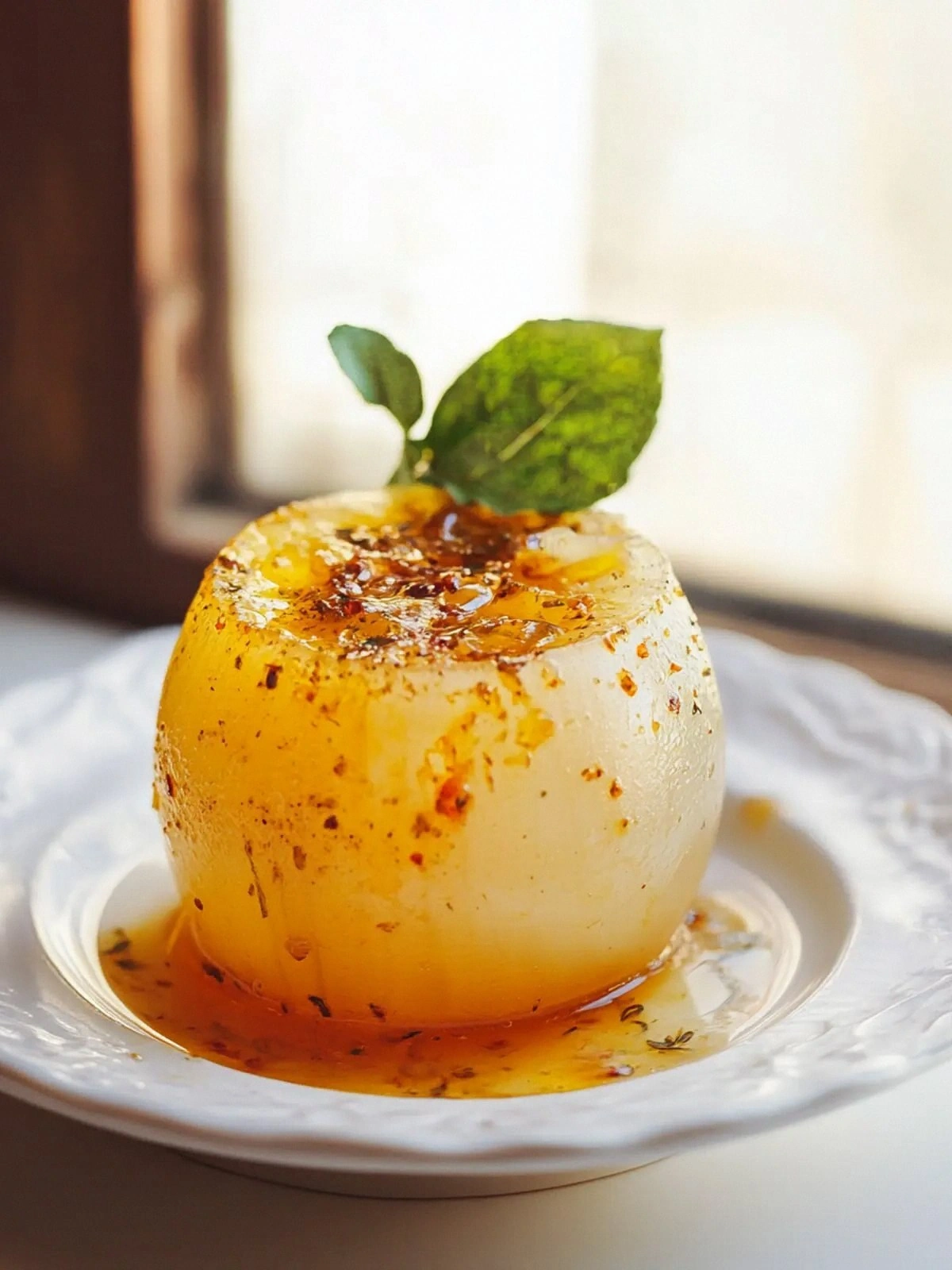
The Method — Step by Step
- Step 1: Prep the Onions. Slice the sweet onion into thin, uniform rings to ensure even cooking. The thinness helps the onions caramelize quickly and evenly. I like to keep the rings slightly thicker than paper-thin to maintain a bit of bite. This step is crucial for achieving that silky texture. If you’re in a hurry, you can use a food processor to slice the onions quickly.
- Step 2: Melt the Vegan Butter. Heat a large skillet over medium‑low heat and add the vegan butter. Watch it melt into a glossy, slightly golden liquid. The low heat is key to preventing the butter from burning. Once melted, let it sit for a few seconds to warm the pan. This creates a smooth base for the onions.
- Step 3: Add Olive Oil. Pour in the extra virgin olive oil and swirl the pan to coat the bottom evenly. The oil helps conduct heat and ensures the onions cook evenly. It also adds a subtle fruity note that complements the sweet onion. Keep the heat low to avoid burning. The mixture should look glossy and ready for the onions.
- Step 4: Sauté the Onions. Add the sliced onions to the pan and stir to coat them with butter and oil. Cook them slowly, stirring occasionally, until they soften and begin to turn translucent. This process takes about 10–12 minutes. The onions should release their natural sugars, turning them golden and fragrant. Keep the heat low to avoid burning.
- Step 5: Add Seasonings. Sprinkle in the cajun seasoning, old bay seasoning, garlic powder, and ¼ teaspoon of salt. Stir well to distribute the spices evenly. The seasonings should mingle with the onions, creating a fragrant, savory aroma. The mixture should smell toasty and slightly smoky. Keep cooking for another 3–4 minutes.
- Step 6: Simmer and Reduce. Reduce the heat to low and let the onions simmer for 5–7 minutes, allowing the sauce to thicken slightly. The mixture should thicken into a glossy, caramelized glaze. Stir occasionally to prevent sticking. The onions should be soft, with a slightly sticky texture. This step locks in the flavors.
- Step 7: Finish with Parsley. Remove the pan from heat and stir in the finely diced parsley. The parsley adds a bright, fresh burst that cuts through the richness. The dish should look vibrant and aromatic. Let the parsley sit for a minute to release its flavor. This final touch elevates the sauce to gourmet status.
- Step 8: Plate and Serve. Spoon the caramelized onion sauce over your favorite pasta, rice, or roasted vegetables. The sauce should coat each grain, leaving a silky, flavorful coating. If you like a thicker sauce, simply simmer it a bit longer. Serve immediately to enjoy the fresh, vibrant flavors. The dish is ready to impress.
That’s it — you did it. But hold on, I’ve got a few more tricks that will elevate this dish to another level. These insider tips are the secret sauce that turns a good recipe into a legendary one.
Insider Tricks for Flawless Results
The Temperature Rule Nobody Follows
Many cooks think high heat is the key to caramelizing onions, but that’s a myth. Low and slow is the real game‑changer. Keeping the heat at medium‑low allows the onions to release their sugars gradually, preventing a bitter char. The result is a silky, sweet glaze that coats everything beautifully. If you’re tempted to crank up the heat, remember the old adage: patience pays off.
Why Your Nose Knows Best
Your nose is the best judge of caramelization. When the onions are ready, you’ll smell a deep, sweet aroma that’s almost intoxicating. If the scent is sharp or burnt, it’s a sign that the onions are overcooked. Trust your senses; a quick sniff can save a dish from disaster. This trick is especially useful for beginners who are still learning how to gauge doneness.
The 5‑Minute Rest That Changes Everything
After removing the pan from heat, let the onions rest for five minutes before serving. This resting period allows the flavors to settle and the sauce to thicken slightly. The result is a more cohesive, velvety texture that clings to every grain of rice or noodle. If you skip this step, the sauce can feel thin and watery. Trust me, the five minutes make a world of difference.
Add a Splash of Acidic Brightness
A squeeze of fresh lemon juice or a dash of vinegar can brighten the sauce, cutting through the richness. This small addition creates a balanced flavor profile that feels lively and fresh. The acid also helps to balance the sweetness of the onions. If you’re serving the sauce over a hearty grain, the acidity prevents the dish from feeling too heavy.
Serve with a Protein Punch
Pair the sauce with grilled tofu, tempeh, or roasted chickpeas for a complete meal. The protein adds texture and sustenance, making the dish more satisfying. The savory onions complement the protein’s flavor, creating a harmonious bite. If you’re vegetarian or vegan, this sauce is a perfect way to elevate plant‑based proteins.
Finish with a Drizzle of Olive Oil
Just before serving, drizzle a splash of extra virgin olive oil over the finished dish. The oil adds a silky finish and enhances the overall flavor profile. It also gives the sauce a glossy, restaurant‑quality appearance. This final touch is the secret to turning a simple sauce into a gourmet experience.
Creative Twists and Variations
This recipe is a playground. Here are some of my favorite ways to switch things up:
Smoky Chipotle Twist
Replace the cajun seasoning with chipotle powder for a smoky, slightly spicy flavor. The chipotle adds depth and a hint of heat that pairs well with grilled vegetables. This variation is perfect for a fall or winter meal, adding warmth to the dish. The smoky notes complement the sweet onion beautifully.
Herb‑Infused Mediterranean
Swap the old bay seasoning for a blend of oregano, thyme, and rosemary. The Mediterranean herbs give the sauce a fragrant, earthy profile. This version works wonderfully with couscous or quinoa, creating a light, flavorful meal. The herbs also add a subtle complexity that elevates the dish.
Citrus Burst Variation
Add a splash of orange juice and a pinch of zest to the sauce for a sweet‑tangy twist. The citrus brightens the flavor and adds a refreshing contrast to the rich onions. This variation is ideal for a spring or summer dish, pairing well with grilled fish or tofu. The citrus notes give the sauce a lively, fresh character.
Roasted Garlic Version
Incorporate roasted garlic cloves into the sauce for a mellow, sweet garlic flavor. The roasted garlic blends seamlessly with the caramelized onions, creating a silky, umami‑rich sauce. This version is perfect for a cozy dinner, especially when served over polenta or mashed potatoes. The roasted garlic adds a comforting depth.
Nutty Crunch Add‑In
Top the finished dish with toasted pine nuts or chopped walnuts for a delightful crunch. The nuts add texture and a buttery flavor that complements the sauce. This variation is great for a brunch or lunch, adding a sophisticated touch. The nuts also provide a satisfying bite.
Sweet and Spicy Maple Glaze
Drizzle a small amount of maple syrup into the sauce during the final simmer for a sweet, caramelized finish. The maple adds a subtle sweetness that pairs well with the savory onions. Add a pinch of cayenne pepper for a kick of heat. This variation is ideal for a Thanksgiving‑style dish or a cozy winter meal.
Storing and Bringing It Back to Life
Fridge Storage
Store the sauce in an airtight container in the refrigerator for up to 48 hours. The flavors will continue to meld, making the sauce even more flavorful the next day. When you’re ready to use it, gently reheat on the stovetop over low heat, stirring occasionally. The sauce will thicken slightly as it cools, so you may need to add a splash of water or broth to reach your desired consistency. The quick reheating method preserves the silky texture.
Freezer Friendly
For longer storage, freeze the sauce in freezer‑safe containers or freezer bags for up to 3 months. When thawing, let it sit in the refrigerator overnight or use the defrost setting on your microwave. Once thawed, reheat gently on the stovetop, adding a splash of water or broth if needed. Freezing is a great way to have a ready‑to‑go sauce for busy weeknights.
Best Reheating Method
The best way to bring the sauce back to life is to gently simmer it over low heat, stirring frequently. Add a tiny splash of water or broth to keep the sauce from thickening too much. Keep the heat low to preserve the delicate flavors. Once the sauce is heated through, it should have a silky, glossy consistency. This method ensures the sauce tastes fresh and vibrant.
And there you have it—an onion‑based sauce that’s as simple as it is spectacular. I’ve walked you through every step, every hack, and every variation you could imagine. If you’ve ever struggled with onions turning into bitter, over‑cooked messes, this is the fix you’ve been waiting for. Picture yourself pulling this out of the pan, the whole kitchen smelling incredible, and seeing that glossy sheen on your plate—pure magic. The dish is ready to impress.