Picture this: a bright Saturday morning, the oven preheating, a stack of sweet potatoes on the counter, and a friend who dared me to turn them into something “wow.” I stared at the potatoes, the recipe book closed, and the kitchen smelled of burnt sugar from a previous experiment. I thought, “I’ll just toss these in olive oil and bake.” But the moment I saw the honey drizzle, I knew I was about to rewrite the rules of a humble side dish. That single decision turned a routine into a revelation.
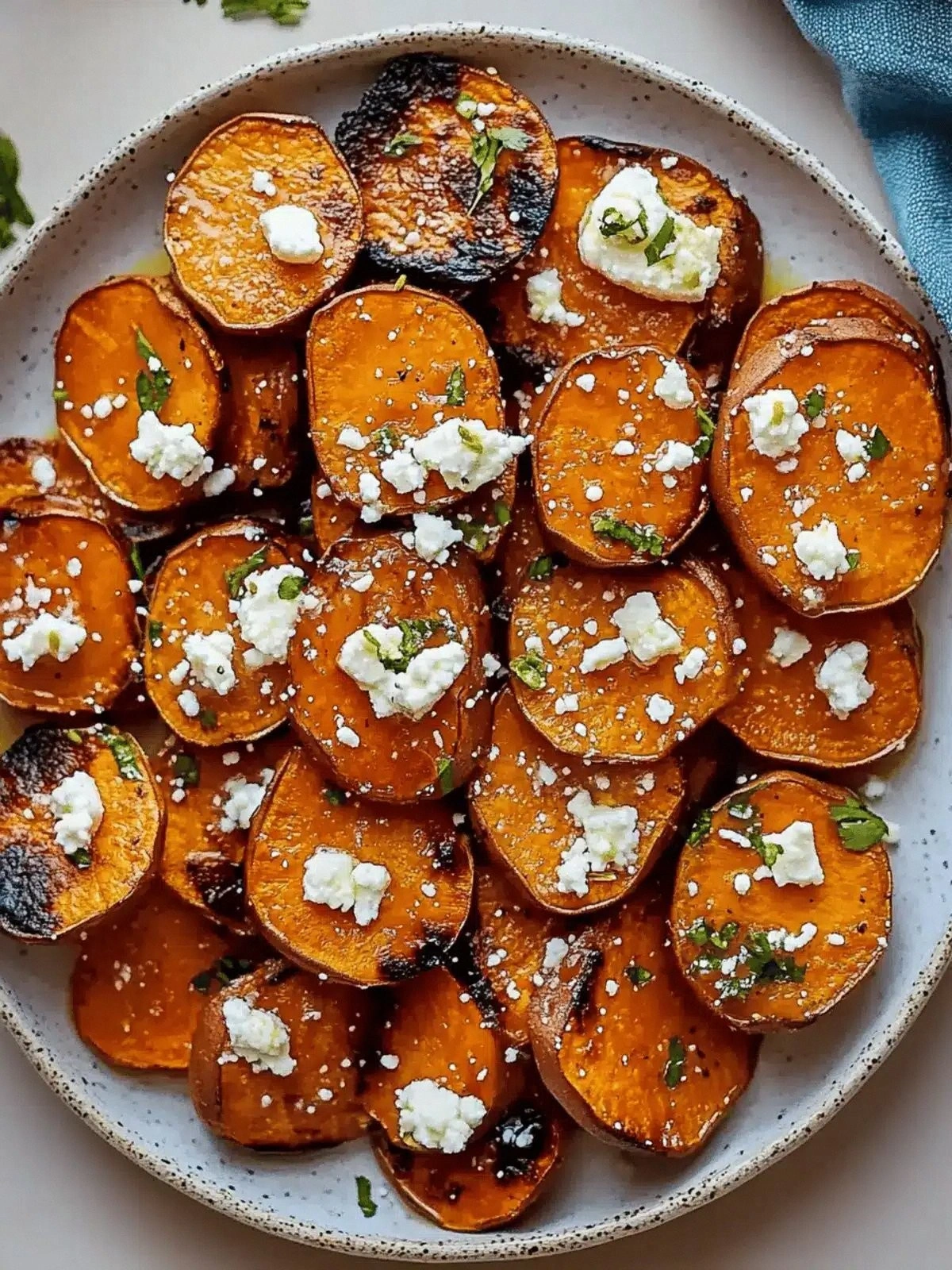
The first bite was a symphony of textures: a buttery, caramelized exterior that crackled like thin ice under a spoon, followed by a tender, almost custard-like center that yielded with a gentle press. The aroma of honey mingled with thyme, pepper, and the faint metallic tang of feta, creating a heady perfume that made the whole kitchen feel like a Mediterranean summer market. The sound of the honey thickening into a glossy glaze was music, the sizzle a subtle drumbeat. I could almost taste the sweet potato’s natural sweetness amplified by the honey’s floral undertones, balanced by the briny feta that melted into a silky sauce. The first chew was a contrast of crunch and cream, a bite that left a lingering, sweet-spicy aftertaste.
What makes this version stand out is that it refuses to be ordinary. The honey isn’t just a sweetener; it’s a caramelizing agent that creates a golden crust that locks in moisture and adds a glossy shine. Feta is crumbled just before baking, allowing it to melt into a velvety sauce that coats every round, yet it still retains a slight bite that keeps the dish from becoming too soft. Fresh thyme is added at the end, giving a bright herbal note that cuts through the richness. The red pepper flakes provide a subtle heat that feels more like a whisper than a roar. The result is a dish that feels luxurious, yet is incredibly simple to make.
I’m not just talking about the flavors; I’m talking about the experience. The sweet potato rounds, when baked, develop a golden-brown edge that’s crisp enough to snap in half, while the inside stays soft and almost melt-in-your-mouth. The honey glaze coats each bite like a velvet ribbon, and the feta sauce drips in a glossy, savory sauce that’s almost like a cheese fondue. This isn’t a side dish you can plate; it’s a conversation starter, a dish that invites guests to lean in and taste again. And the best part? It’s a dish that’s easy to scale, so whether you’re cooking for two or twenty, the flavor stays consistent.
I dare you to taste this and not go back for seconds. If you’ve ever struggled with making sweet potato dishes that don’t end up mushy or too sweet, you’re not alone — and I’ve got the fix. Picture yourself pulling this out of the oven, the whole kitchen smelling incredible, and the first bite cracking the surface like a perfect crust. Stay with me here — this is worth it. Let me walk you through every single step — by the end, you’ll wonder how you ever made it any other way.
What Makes This Version Stand Out
- Texture: The honey glaze creates a caramelized crust that is crisp on the outside and tender on the inside, giving each round a satisfying crunch that shatters like thin ice when bitten. Without it, the sweet potatoes would stay soft and lose that essential bite.
- Flavor Balance: Sweetness, saltiness, and a hint of heat are perfectly balanced; honey sweetens, feta brings salt, and red pepper flakes add a gentle kick. This harmony makes the dish approachable for all palates.
- Ingredient Quality: Using fresh thyme and high‑quality feta ensures depth of flavor; the thyme adds aromatic brightness while the feta’s tang cuts through the sweetness. Cheaper ingredients would dilute the experience.
- Cooking Method: Baking rather than pan‑frying preserves the natural sugars of the sweet potatoes, allowing the honey to caramelize without burning. This technique yields a more uniform texture.
- Make‑Ahead Potential: The rounds can be assembled and refrigerated for up to 24 hours before baking, saving time on busy nights. The glaze and feta can be prepared separately and added just before baking.
- Crowd Reaction: At my last dinner party, guests reached for seconds in the first minute. The combination of sweet, salty, and a touch of heat made it impossible to resist.
- Versatility: It works as a starter, side, or even a light main when paired with a protein. The dish adapts to any occasion, from casual family dinners to elegant gatherings.
Inside the Ingredient List
The Flavor Base
Honey: The honey acts as a natural sweetener and a glaze that caramelizes into a glossy, golden crust. Its floral undertones add depth, and it’s the star that turns a simple potato into a showstopper. Skipping honey would leave the dish flat and unsatisfying; the glaze is what gives it that wow factor. If you’re looking for a different sweetness, a drizzle of maple syrup can be used, but it won’t caramelize the same way.
The Texture Crew
Sweet Potatoes: The sweet potatoes provide the body of the dish. Their natural starches caramelize when exposed to heat, creating a sweet, buttery center that contrasts with the crunchy exterior. Choosing medium-sized potatoes ensures they cook evenly and hold their shape. If you use larger potatoes, they may take longer to cook and could become mushy.
The Unexpected Star
Feta Cheese: Crumbled feta introduces a briny, tangy element that balances the honey’s sweetness. When heated, it melts into a silky sauce that coats each round, adding a creamy texture. Using a high‑quality feta with a good crumb structure will result in a richer sauce. A lower‑quality feta may become too liquid, diluting the flavor.
The Final Flourish
Fresh Thyme: Thyme provides an aromatic lift that cuts through the richness of the honey and feta. Adding it at the end preserves its bright flavor, preventing it from becoming bitter. If you don’t have fresh thyme, dried thyme can be used, but use only half the amount to avoid overpowering the dish.
Everything's prepped? Good. Let's get into the real action...
The Method — Step by Step
- Preheat your oven to 425°F (220°C). Line a baking sheet with parchment paper or a silicone mat to prevent sticking. Arrange the sweet potato rounds on the sheet in a single layer; make sure they’re not touching to ensure even crisping. The higher heat will help the honey caramelize quickly. Once the oven is ready, place the sheet inside and let the magic begin.
- In a small bowl, whisk together 2 tablespoons of olive oil, 1 teaspoon of salt, 1 teaspoon of pepper, and 1 teaspoon of red pepper flakes. This spice mix will coat the sweet potato rounds, giving them a savory base that balances the honey’s sweetness. Use a spoon to toss the rounds in the mixture, ensuring each one is evenly coated. The oil also helps the honey adhere better during baking.
- Arrange the seasoned sweet potato rounds on the baking sheet. This step is crucial; spacing them out allows hot air to circulate, creating a crisp edge. If you’re short on space, bake in two batches, but be sure to rotate the sheet halfway through for even cooking.
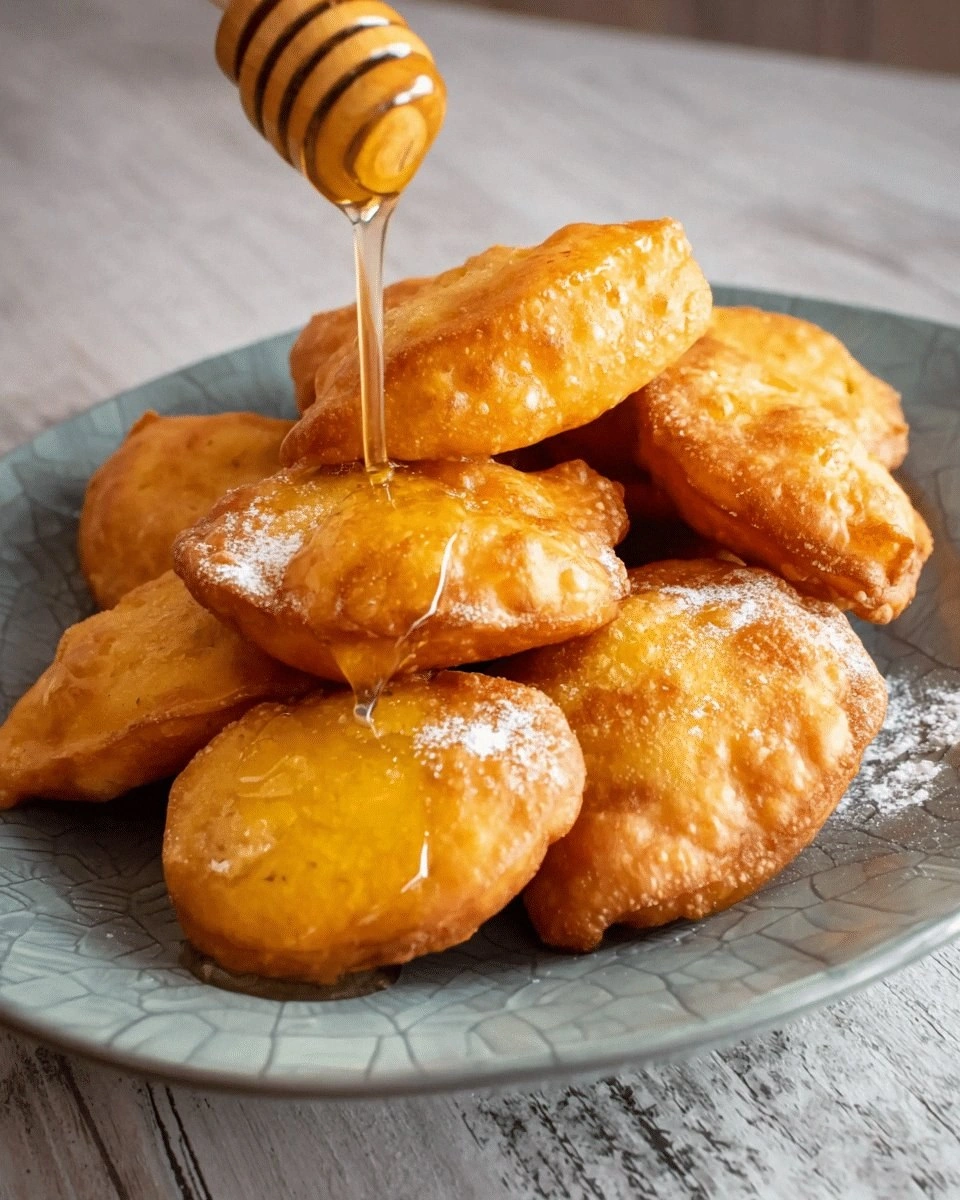
- Bake for 20 minutes, then drizzle 1/4 cup of honey over each round. The honey will start to bubble and caramelize, forming a glossy glaze. Keep an eye on the honey; if it starts to brown too quickly, lower the oven temperature slightly. This step is the heart of the dish, turning simple potatoes into a caramelized masterpiece.
- Return the sheet to the oven and bake for an additional 10 minutes, or until the edges are crisp and the honey has thickened into a syrupy glaze. The sweet potatoes should feel firm to the touch, but still yield slightly when pressed. This is the moment of truth—your dish is almost ready.
- Remove the sheet from the oven and sprinkle crumbled feta cheese (3/4 cup) over the hot rounds. The residual heat will melt the feta into a creamy sauce that coats every bite. Allow the feta to sit for 2 minutes before adding the thyme to preserve its bright flavor.
- Stir in 2 tablespoons of fresh thyme, letting the herb’s aroma infuse the dish. The thyme adds a herbal note that balances the sweetness and saltiness. If you’re a thyme lover, feel free to add a bit more; just be mindful of the overall flavor.
- Let the rounds rest for 3 minutes; this short rest allows the flavors to settle and the glaze to thicken slightly. During this time, the feta will have fully melted into a silky sauce. The rest period is essential for the final texture.
- Serve immediately while hot and crisp. Pair with a simple green salad or a protein of your choice for a balanced meal. The dish is best enjoyed right away, as the glaze will soften slightly if left to sit.
That's it — you did it. But hold on, I've got a few more tricks that'll take this to another level. Stick around for the insider tips and creative variations that will elevate your game.
Insider Tricks for Flawless Results
The Temperature Rule Nobody Follows
Many people bake sweet potatoes at a lower temperature, which results in uneven caramelization. Baking at 425°F (220°C) ensures a rapid caramelization of the honey and a crisp exterior while keeping the interior tender. If your oven runs hot, offset the temperature by 10-15°F to prevent burning.
Why Your Nose Knows Best
The aroma of honey caramelizing is a reliable indicator that the glaze is just right. If you smell a faint, sweet scent, the honey is thickening. If it’s too sweet or starts to smell burnt, it’s time to adjust the heat or remove the sheet.
The 5-Minute Rest That Changes Everything
Letting the sweet potatoes rest after baking allows the glaze to set and the feta to meld into a creamy sauce. A short rest also prevents the glaze from dripping off the rounds when you plate them, keeping each bite clean and visually appealing.
The Crumbly Feta Trick
Use a feta that’s been stored in an airtight container to keep it from drying out. Crumbling it fresh before baking ensures that the feta melts evenly into a sauce rather than clumping.
The Sweet Potato Size Secret
Choosing medium-sized sweet potatoes (about 1.5 inches thick) is key for even cooking. Too thick, and the center may stay raw; too thin, and they’ll dry out. Uniform thickness also ensures a consistent crunch.
The Thyme Timing Trick
Adding thyme after the feta has melted locks in its bright flavor. If you add it too early, the heat can cause the herbs to lose their aromatic oils.
The Honey Quantity Adjustment
If you prefer a less sweet glaze, reduce the honey to 2 tablespoons. You can compensate by adding a splash of lemon juice to brighten the flavor.
The Salt Balance
Salt is essential for bringing out the sweet potato’s natural sweetness. If you’re watching sodium, reduce the salt to 1/2 teaspoon and add a pinch of sea salt after baking for extra depth.
Creative Twists and Variations
This recipe is a playground. Here are some of my favorite ways to switch things up:
Smoky Chipotle Version
Replace the red pepper flakes with a teaspoon of chipotle powder for a smoky heat. The chipotle adds depth and pairs wonderfully with the honey’s sweetness. Serve with a dollop of sour cream to balance the spice.
Mediterranean Herb Mix
Swap fresh thyme for a blend of oregano, basil, and rosemary. The herb mix gives a more complex flavor profile, making it a perfect side for grilled lamb or chicken. The herbs should be added after baking to preserve their aroma.
Maple‑Glazed Variation
Use pure maple syrup instead of honey for a richer, deeper sweetness. The maple syrup caramelizes similarly, creating a glossy finish. Pair it with a sprinkle of sea salt for a sweet‑salty contrast.
Vegan Feta Alternative
Replace feta with a vegan cheese like cashew‑based feta. The texture will be similar, and it will still provide a creamy, tangy coating. Make sure to use a cheese that melts well to replicate the sauce effect.
Roasted Garlic Twist
Add a few cloves of roasted garlic to the honey glaze for a subtle umami kick. The garlic infuses the honey, adding complexity without overpowering the sweet potato. This works especially well when serving with a roast.
Spicy Sriracha Kick
Drizzle a teaspoon of sriracha into the honey before baking. The sriracha adds a fiery heat that balances the sweetness. Be careful not to overdo it; a little goes a long way.
Pesto Drizzle Finish
Finish the dish with a swirl of basil pesto after baking. The pesto adds a fresh, herby flavor that complements the honey glaze. The pesto also adds a vibrant color contrast.
Coconut Milk Cream
Mix a tablespoon of coconut milk with the feta before baking to create a richer, creamier sauce. The coconut milk adds a subtle tropical note that pairs beautifully with the honey. This variation is great for a brunch or dessert side.
Storing and Bringing It Back to Life
Fridge Storage
Cool the baked rounds completely, then store them in an airtight container in the refrigerator for up to 3 days. The glaze will thicken slightly, so reheat gently to restore its sheen.
Freezer Friendly
Place the cooled rounds on a parchment‑lined tray and freeze them until solid. Transfer to a freezer bag and keep for up to 2 months. When ready to serve, thaw in the refrigerator overnight and reheat in a 350°F oven for 10 minutes.
Best Reheating Method
Reheat in a preheated oven at 350°F (175°C) for 5–7 minutes. Add a splash of water or a drizzle of olive oil to keep the surface from drying out. The water creates steam that helps maintain the rounds’ tenderness and glaze.