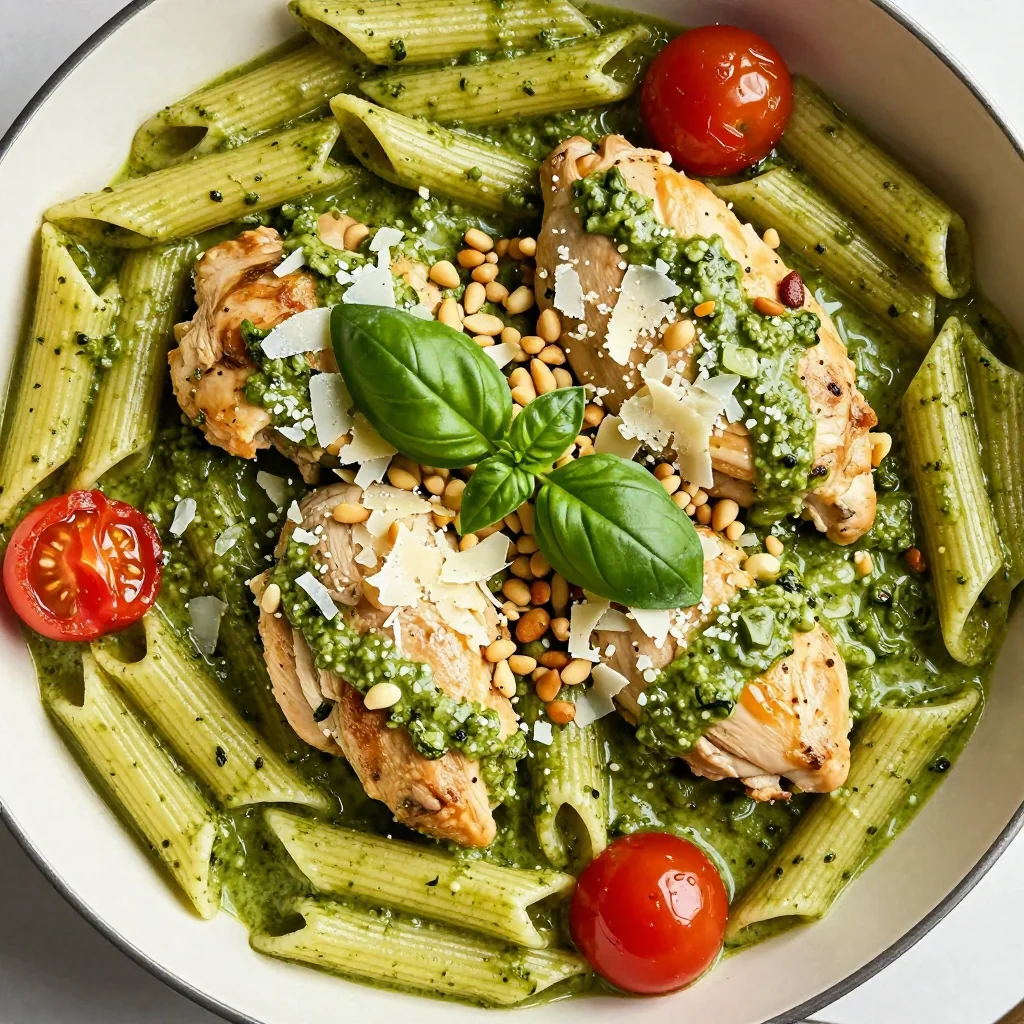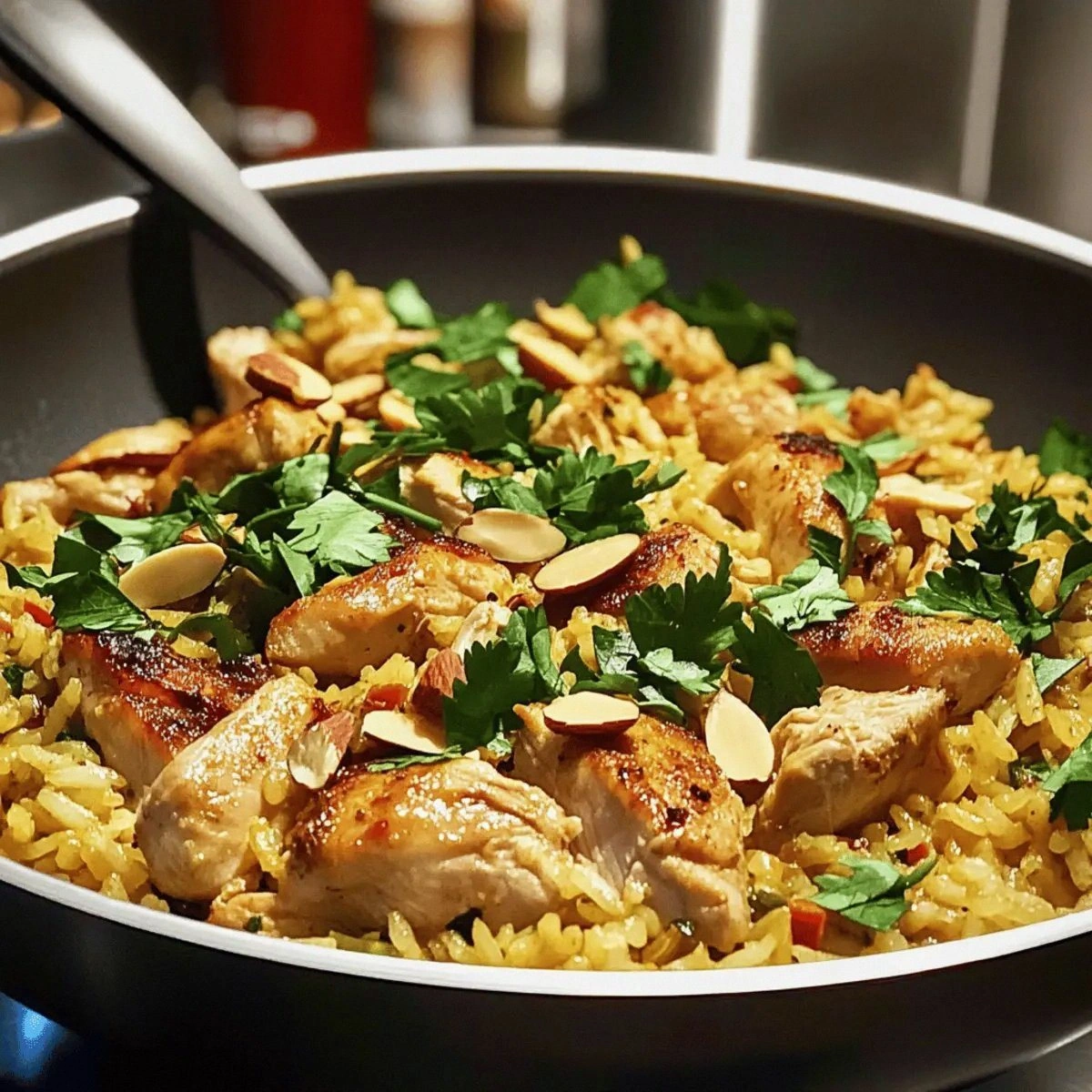
I once tried to impress a friend with a “quick Persian rice” that turned into a sticky, sad mess that clung to the bottom of the pot like a bad breakup. The kitchen was filled with the acrid smell of burnt rice, and I swore I’d never attempt a pilaf again. Then, on a rainy Tuesday, a daring foodie dare from my roommate—“make a pilaf that actually melts in your mouth” — sparked a midnight experiment that changed everything. I dug out my grandmother’s old spice cabinet, rescued a half‑used saffron thread packet, and set out to create a version so silky it could double as a love potion.
Picture this: the moment the butter hits the pan, it sings a soft sizzle that feels like a tiny applause. The onions tumble in, turning translucent and sweet, while the garlic releases an aromatic perfume that makes you want to hug the stove. As the chicken browns, the kitchen fills with a warm, earthy perfume of cumin and coriander that whispers of bustling bazaars and sun‑kissed fields. When the rice finally meets the fragrant broth, it absorbs every nuance, swelling into fluffy pearls that sparkle with golden saffron. The final garnish—crunchy almonds, pistachios, and ruby‑red pomegranate seeds—adds a textural fireworks show that makes you gasp with each bite.
What makes this version stand out? Most recipes either over‑cook the rice into a mush or leave it dry as desert sand. I’ve cracked the code by using a precise butter‑to‑oil ratio, a short “toasting” phase for the rice, and a gentle simmer that locks in moisture without turning the grains into glue. The secret weapon? A tiny pinch of saffron dissolved in warm water, giving the pilaf a luminous amber hue and a subtle floral note that most cooks overlook. And let’s not forget the final flourish of nuts and pomegranate—those little bursts of crunch and tartness are the ultimate contrast that turns a simple side into a show‑stopper.
I dare you to taste this and not go back for seconds. This is hands down the best version you’ll ever make at home, and I’ll be honest—I ate half the batch before anyone else got a chance to try it. If you’ve ever struggled with rice that sticks or chicken that ends up dry, you’re not alone—and I’ve got the fix. Okay, ready for the game‑changer? Let me walk you through every single step — by the end, you’ll wonder how you ever made it any other way.
What Makes This Version Stand Out
- Flavor Fusion: The combination of cumin, coriander, cinnamon, and turmeric creates a deep, layered taste that feels both exotic and comfortingly familiar.
- Silky Texture: Toasting the rice briefly in butter before adding liquid ensures each grain stays separate, giving you that melt‑in‑your‑mouth feel.
- Simplicity: Only a handful of pantry staples are needed, making this a weeknight hero without a trip to a specialty store.
- Unique Garnish: The trio of sultanas, slivered almonds, and pomegranate seeds adds sweet‑tart bursts that most pilafs lack.
- Crowd Reaction: Guests often ask for the recipe twice, and the visual pop of bright red seeds makes it Instagram‑ready.
- Ingredient Quality: Using real saffron threads (not powder) elevates the dish from ordinary to unforgettable.
- Cooking Method: A low‑and‑slow simmer locks in flavor while preventing the dreaded “rice‑to‑glue” disaster.
- Make‑Ahead Potential: This pilaf reheats beautifully, making it perfect for meal‑prep or leftovers.
Inside the Ingredient List
The Flavor Base
The onion and garlic are the aromatic foundation. When sautéed in ghee, they turn sweet and buttery, creating a backdrop that lets the spices shine. Ground cumin and coriander bring earthy warmth, while cinnamon adds a whisper of sweet spice that balances the savory notes. If you’re missing any of these, a pinch of garam masala can stand in, but you’ll lose some of the nuanced depth.
The Texture Crew
Basmati rice is the star here—its long grains stay distinct when cooked properly. The slivered almonds and chopped pistachios contribute a satisfying crunch that contrasts the soft rice, while the sultanas introduce a chewy, caramel‑like sweetness. Skipping the nuts? You’ll miss that delightful crunch that makes each bite interesting.
The Unexpected Star
Saffron threads are the secret weapon. A few strands steeped in warm water release a golden hue and a subtle floral perfume that no turmeric can mimic. If you’re on a budget, you can substitute a pinch of turmeric for color, but the flavor will be noticeably flatter. Fresh coriander or parsley is added at the end for a burst of herbaceous brightness that lifts the whole dish.
The Final Flourish
Pomegranate seeds are the final flourish—tiny jewels that burst with tartness, cutting through the richness of the butter and nuts. They also add a visual pop that makes the plate look festival‑ready. If pomegranates are out of season, a sprinkle of dried cranberries can mimic the tart pop, though the texture will be a bit chewier.
Everything's prepped? Good. Let's get into the real action...
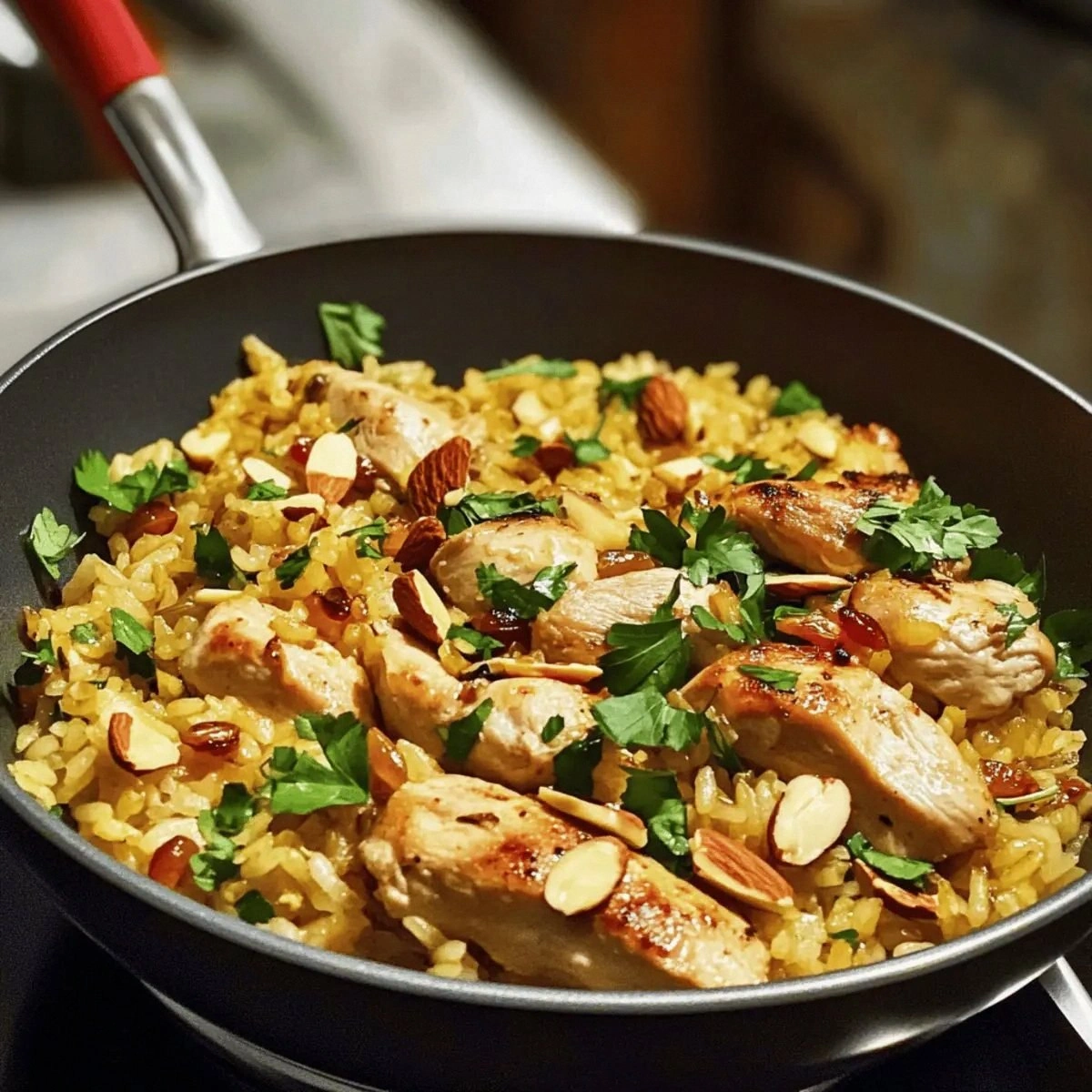
The Method — Step by Step
Heat the ghee (or unsalted butter) in a heavy‑bottomed pot over medium heat. When it foams, add the finely chopped onion and sauté until it turns a translucent golden, about 5 minutes. That sizzle when it hits the pan? Absolute perfection. Keep the heat moderate so the onions caramelize without burning.
Kitchen Hack: Add a pinch of sugar to the onions if you want a deeper caramel flavor without extra cooking time.Stir in the minced garlic, ground cumin, ground coriander, cinnamon, and turmeric. Cook for another 1–2 minutes, letting the spices become fragrant. You’ll notice the mixture turning a richer, deeper shade—this is the aroma foundation for the entire pilaf.
Add the chicken thighs, seasoned with salt and pepper, to the pot. Sear each side for about 3 minutes until they develop a golden crust. This step locks in juices, ensuring the meat stays tender throughout the simmer.
Watch Out: Do not overcrowd the pot; if needed, brown the chicken in batches to avoid steaming instead of searing.Once the chicken is browned, remove it temporarily and set aside. Add the rinsed and drained basmati rice to the pot, stirring to coat each grain with the butter‑spice mixture. Toast the rice for 2–3 minutes; you’ll hear a gentle crackle as the grains lightly pop, indicating they’re ready to absorb liquid.
Return the chicken to the pot, then pour in the chicken stock. Sprinkle the saffron‑infused water (a pinch of threads steeped in 2 tablespoons warm water) over the top. Add the sultanas, slivered almonds, and pistachios. Give everything a gentle stir—no vigorous mixing, just enough to distribute the ingredients evenly.
Bring the mixture to a gentle boil, then reduce the heat to the lowest setting. Cover the pot with a tight‑fitting lid (or seal with foil for extra steam retention) and let it simmer for 20 minutes. Resist the urge to lift the lid; the steam is what makes the rice fluffy.
After 20 minutes, turn off the heat but keep the lid on. Let the pilaf rest for an additional 10 minutes. This resting period allows the grains to firm up and the flavors to meld, creating that melt‑in‑your‑mouth texture.
Fluff the rice gently with a fork, then fold in fresh chopped coriander or parsley. Transfer the pilaf to a serving platter and scatter the pomegranate seeds over the top for a burst of color and tang.
Kitchen Hack: For an extra glossy finish, drizzle a teaspoon of melted butter over the pilaf just before serving.
That's it — you did it. But hold on, I've got a few more tricks that'll take this to another level...
Insider Tricks for Flawless Results
The Temperature Rule Nobody Follows
Never start with high heat. A moderate flame gives the onions time to soften without burning, and it ensures the butter doesn’t separate. When you finally lower the heat for simmering, the gentle bubble is the signal that the rice is absorbing liquid evenly. I once tried a “quick boil” and ended up with half the rice undercooked—lesson learned.
Why Your Nose Knows Best
Your sense of smell is the ultimate doneness gauge. When the spices hit that sweet, earthy aroma, you know they’re fully awakened. Similarly, when the broth starts to emit a rich, savory steam, the pilaf is ready to be covered. Trust that nose; it’s more reliable than a timer.
The 5‑Minute Rest That Changes Everything
Leaving the pot untouched for five minutes after cooking allows the steam to redistribute, preventing mushy rice. This rest also lets the chicken re‑absorb some of the fragrant broth, making each bite juicy. Skip this step, and you’ll notice a dry edge on the bottom—don’t let that happen.
Seasoning at the End
A final sprinkle of flaky sea salt just before serving amplifies the flavors. It adds a tiny crunch that contrasts the soft rice. I’ve seen cooks over‑salt during cooking and lose the delicate balance; a light finish is the sweet spot.
The Secret of Fresh Herbs
Add fresh coriander or parsley at the very end, not earlier. Heat kills the bright, grassy notes, so a quick toss right before plating preserves that fresh lift. If you love herbs, a few extra leaves on top make the dish look even more vibrant.
Creative Twists and Variations
This recipe is a playground. Here are some of my favorite ways to switch things up:
Citrus‑Infused Pilaf
Swap half the chicken stock for orange juice and add a strip of lemon zest while simmering. The citrus brightens the spices and pairs beautifully with the pomegranate seeds.
Nut‑Free Version
Omit the almonds and pistachios, and replace them with toasted pumpkin seeds. You retain the crunch without the nuts, making it safe for allergy‑prone guests.
Vegetarian Delight
Replace the chicken thighs with firm tofu cubes or chickpeas. Use vegetable stock instead of chicken stock, and you’ll have a hearty, plant‑based pilaf that still delivers the same aromatic profile.
Spicy Kick
Add a finely diced jalapeño or a pinch of cayenne pepper with the garlic. The heat balances the sweet raisins and pomegranate, creating a lively flavor dance.
Herb‑Heavy Variation
Mix in fresh mint and dill along with the coriander. This gives the dish a fresh, garden‑like character that’s perfect for summer gatherings.
Storing and Bringing It Back to Life
Fridge Storage
Allow the pilaf to cool to room temperature, then transfer it to an airtight container. It keeps fresh for up to 4 days. When reheating, add a splash of water or broth and cover to create steam; this restores the original fluffiness.
Freezer Friendly
Portion the pilaf into freezer‑safe bags or containers, removing as much air as possible. It freezes well for up to 2 months. Thaw overnight in the fridge, then reheat gently on the stovetop with a drizzle of broth.
Best Reheating Method
Use a skillet over low heat, adding a tablespoon of water or stock, and stir occasionally until steam lifts the grains. This method prevents drying and keeps the nuts from getting soggy. Avoid microwave if you can; it often leaves the rice unevenly heated.