
I was in the middle of a Sunday dinner, juggling a pot of boiling pasta and a sizzling skillet, when the ground beef decided to do a dramatic escape. It splattered across the counter like a rogue fireworks display, turning my clean kitchen into a culinary crime scene. I stared at the mess, half laughing, half ready to call a plumber. That moment sparked a dare from my friend: “I dare you to taste this and not go back for seconds.” I accepted, and what followed was a revelation that would forever change my approach to comfort food.
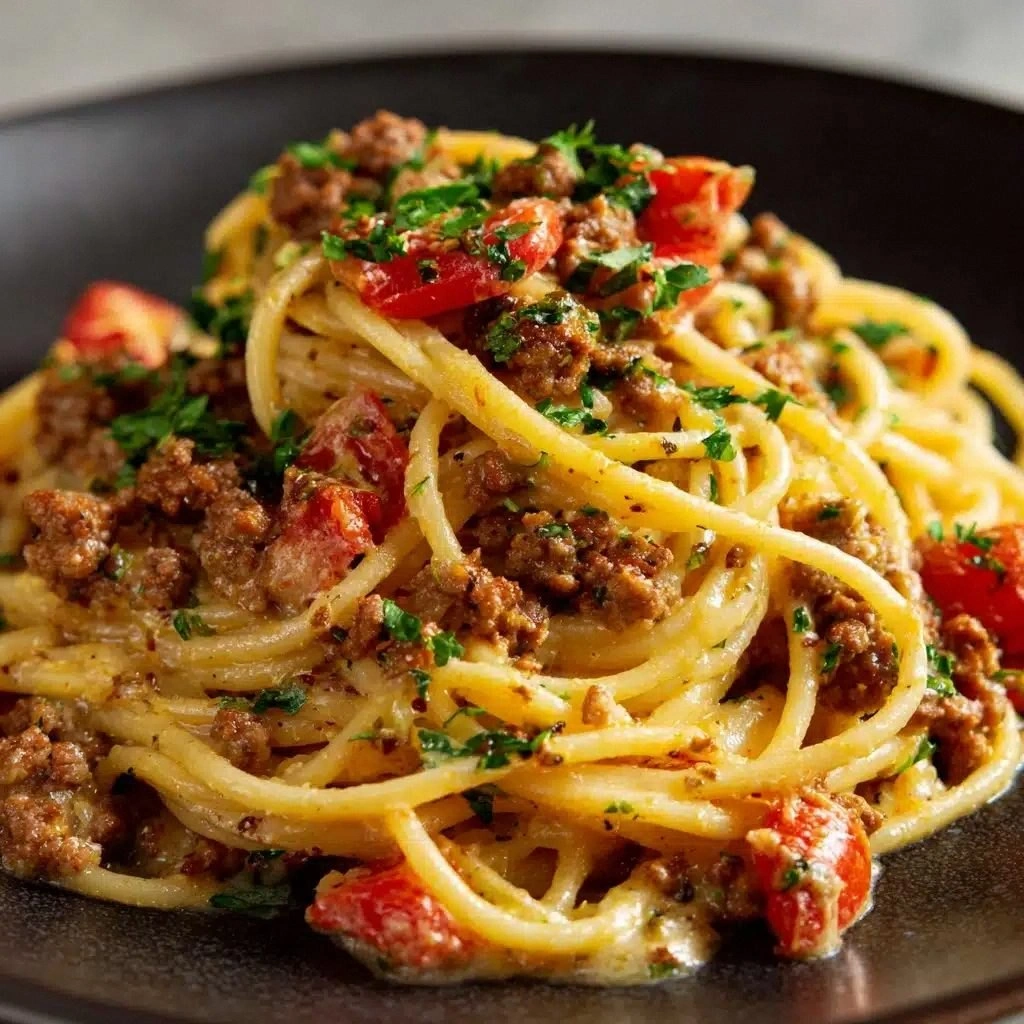
The first thing that hit me was the aroma—rich, earthy, and oddly sweet, as if the garlic and ginger were whispering secrets. The sound of the sauce bubbling was like a lullaby, coaxing my senses into a state of anticipation. When I lifted the ladle, the sauce clung to the pasta like velvet, each noodle glistening with coconut milk and herbs. The texture was a perfect marriage of tender noodles, juicy beef, and silky mushroom ribbons, all enveloped in a warm, savory blanket. The taste was a symphony: the umami of beef, the subtle heat from ginger, and the mellow sweetness of coconut, all balanced by the fresh herbs.
What makes this version stand out is the bold, unapologetic use of Paleo and Autoimmune Protocol (AIP) principles, which means no dairy, no grains, and no added sugars. The result is a dish that feels indulgent yet clean, and it’s a game-changer for anyone craving comfort food without the guilt. I’ve tried countless “mac and cheese” alternatives, but none have captured the depth of flavor or the satisfying texture that this recipe delivers. The secret lies in the coconut milk, which replaces heavy cream, and the combination of fresh and dried ginger that adds a subtle, lingering warmth.
Picture yourself pulling this out of the oven, the whole kitchen smelling incredible, and the family gathering around, eyes widening as the first bite melts in their mouths. I’m talking about a dish that will have your friends asking for the recipe before they even finish their plates. By the end of this guide, you’ll wonder how you ever made it any other way, because this is hands down the best version you’ll ever make at home. Let me walk you through every single step, and trust me, the journey is just as delicious as the destination.
What Makes This Version Stand Out
- Taste: The blend of coconut milk, fresh ginger, and dried ginger creates a complex flavor profile that feels both exotic and comforting. The herbs add bright notes that cut through the richness.
- Texture: The pasta is al dente, the beef is juicy, and the mushrooms provide a satisfying bite. Together, they form a layered mouthfeel that keeps you coming back.
- Ingredient Quality: Using high‑grade ground beef and fresh, organic mushrooms elevates the dish, ensuring every bite is packed with natural flavor.
- Health Conscious: This recipe is Paleo‑friendly, AIP‑approved, and free from dairy, soy, and gluten—perfect for clean eating.
- Make‑Ahead Potential: Once cooked, the dish keeps its integrity in the fridge or freezer, making it ideal for meal prep.
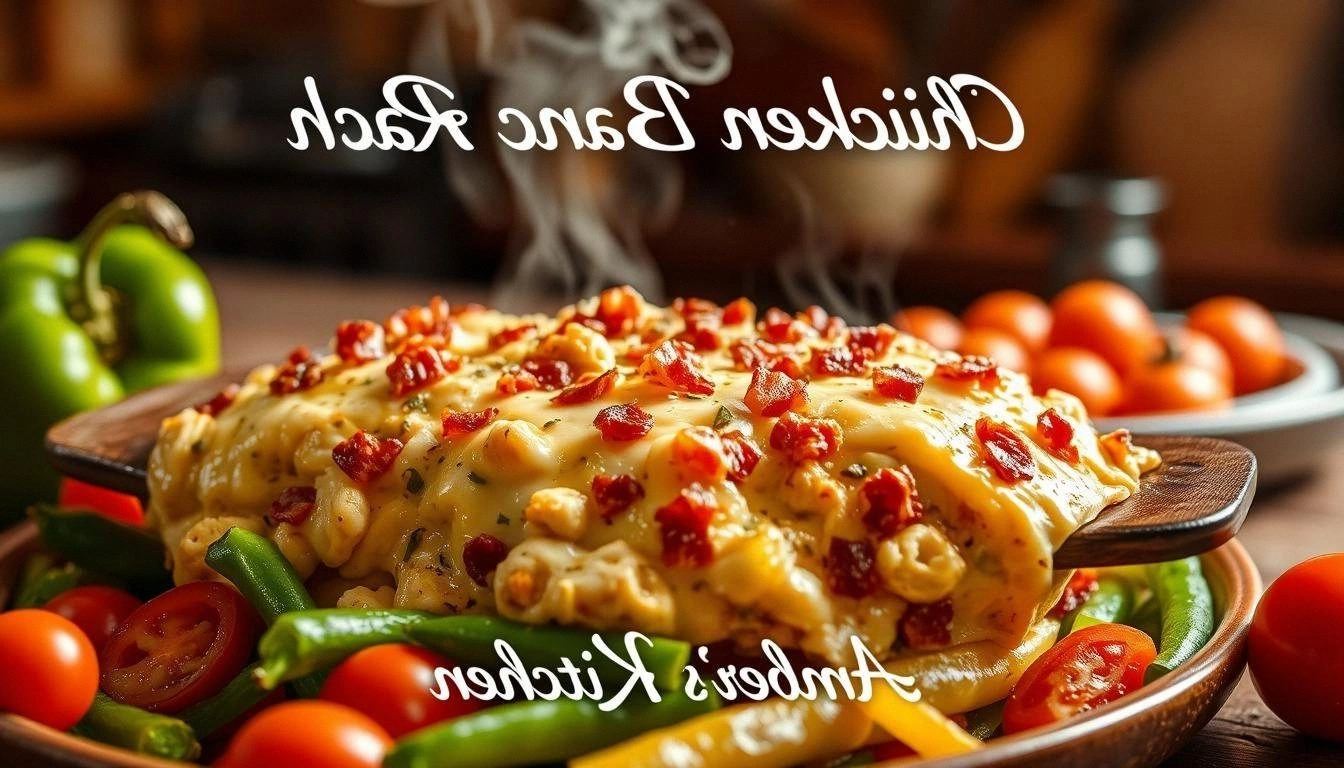
- Visual Appeal: The golden sauce coats the noodles like a glossy coat of paint, creating a dish that’s as beautiful as it is tasty.
- Time Efficiency: Despite its depth, the recipe takes under an hour from start to finish, making it a win‑win for busy evenings.
- Community Reaction: Friends and family rave about the unexpected twist on classic comfort food, and the dish has become a staple at gatherings.
Alright, let's break down exactly what goes into this masterpiece...
Inside the Ingredient List
The Flavor Base
Coconut milk is the star of this sauce, providing a creamy, tropical sweetness that replaces heavy cream without the dairy. Its subtle coconut undertone adds depth, and because it’s naturally sweet, it balances the savory beef and herbs. Skipping it would leave the dish thin and lacking the comforting richness that defines comfort food. If you’re a coconut‑allergic, try a light, unsweetened almond milk, but be prepared for a slightly drier sauce.
Fresh ginger root is the heart of the flavor profile, delivering a bright, peppery kick that lingers on the palate. It also helps to cut through the richness of the beef and coconut. If you don’t have fresh ginger, use fresh ground ginger; it’s more potent, so start with half the amount and adjust to taste. A pinch of dried ginger adds a subtle warmth that lingers longer, so keep it on hand for that extra depth.
The Texture Crew
Ground beef provides the meaty backbone, its fat content giving the dish a juicy, velvety mouthfeel. I recommend a 80/20 ratio for maximum flavor. If you’re watching fat, switch to 85/15; the dish will still be delicious, but slightly leaner. The mushrooms contribute a chewy texture that contrasts beautifully with the noodles, and they absorb the sauce, turning into a savory, umami‑laden addition.
The pasta itself is the canvas. Opt for a low‑glycemic, gluten‑free pasta if you’re staying strictly Paleo, or use a traditional wheat pasta for a more classic texture. The key is to cook it al dente; overcooked noodles will become mushy and lose their bite, undermining the dish’s structure. Reserve a cup of pasta cooking liquid; the starch in it helps bind the sauce and keep everything silky.
The Unexpected Star
Avocado oil is the secret to a smooth, silky sauce that doesn’t separate. It has a high smoke point, so you can brown the beef without burning, and its mild flavor lets the herbs shine. If avocado oil is pricey, try grapeseed or canola oil; they have neutral flavors and high smoke points as well. The olive oil you might be tempted to use will add a fruity note, which can be a pleasant twist if you’re not strictly following AIP.
The herbs—oregano, basil, and a mix of thyme, sage, rosemary, or parsley—add layers of aromatic complexity. Fresh herbs provide brightness, while dried oregano adds earthiness. The combination ensures that each bite is packed with herbal nuance, turning a simple pasta into a gourmet experience.
The Final Flourish
Sea salt is the finishing touch that brings all the flavors together. Use a flaky sea salt for the best texture and taste; it dissolves slowly, giving a satisfying bite. A pinch of sea salt is all you need to elevate the dish, so keep it handy. The final splash of pasta cooking liquid is a trick to create a silky, cohesive sauce that clings to every noodle and beef fragment.
Everything's prepped? Good. Let's get into the real action...
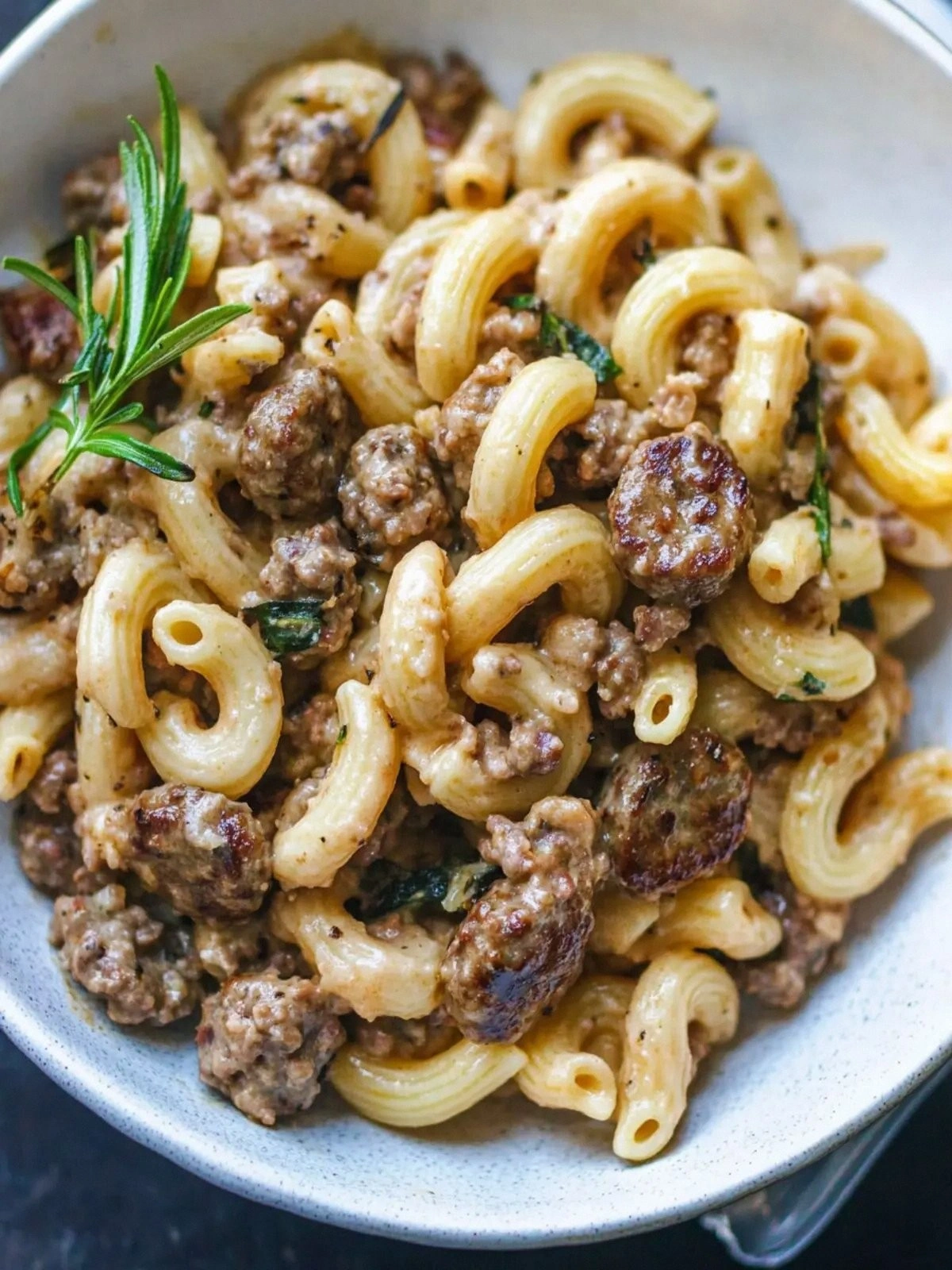
The Method — Step by Step
- Bring a large pot of salted water to a rolling boil and add the macaroni noodles. Cook until just shy of al dente, about 7–8 minutes. Drain, reserving a cup of the pasta cooking liquid, and set aside. The noodles should still have a firm bite; this keeps the dish from becoming mushy.
- While the pasta cooks, heat 2 tablespoons of avocado oil in a large skillet over medium heat. Add the ground beef, breaking it up with a wooden spoon. Cook until the beef is browned and no longer pink, about 8–10 minutes. This is the moment of truth: the beef should develop a golden crust for maximum flavor.
- Add the minced garlic and diced ginger root to the skillet. Sauté for 1–2 minutes until fragrant, being careful not to burn the garlic. The aroma will be the first hint of the dish’s complex flavor profile.
- Stir in the diced mushrooms and cook until they release moisture and start to brown, about 5 minutes. The mushrooms should develop a rich, earthy flavor that complements the beef. Keep the heat moderate to avoid sogginess.
- Season the mixture with 1.5 teaspoons of sea salt, 1 teaspoon of oregano, 1 teaspoon of basil, 0.5 teaspoon of dried ginger, and a tablespoon of your chosen fresh herb mix. Stir to combine. This blend creates a layered herb profile that’s both bright and comforting.
- Pour in the can of coconut milk and stir until the mixture is silky and fully incorporated. Bring to a gentle simmer, then reduce heat to low. The sauce should thicken slightly, coating the beef and mushrooms evenly.
- Add the drained macaroni noodles to the skillet, tossing to coat them in the sauce. If the sauce feels thick, add a splash of the reserved pasta cooking liquid to reach your desired consistency. The noodles should be fully coated, with the sauce clinging like a glossy coat.
- Simmer for an additional 3–4 minutes, allowing the flavors to meld. The sauce should be velvety, and the noodles should be tender yet firm. Taste and adjust seasoning if needed.
That's it — you did it. But hold on, I've got a few more tricks that'll take this to another level. The next section will give you insider tips that will elevate the dish from good to legendary.
Insider Tricks for Flawless Results
The Temperature Rule Nobody Follows
Cooking the beef at a slightly lower temperature prevents it from drying out and keeps the juices locked in. I like to keep the heat on medium‑low once the beef starts to brown. If you’re using a gas stove, let the flame fall off the burner’s edge; the indirect heat is just what you need.
Why Your Nose Knows Best
As the sauce simmers, the aroma will evolve from sharp to sweet. Trust your nose to signal when the dish is ready; a sweet, coconut aroma indicates that the sauce has thickened and the flavors have melded. If you’re impatient, you’ll risk under‑cooking the noodles.
The 5‑Minute Rest That Changes Everything
Once you’ve finished cooking, let the dish rest for five minutes off the heat. This allows the sauce to settle, the noodles to absorb the flavors, and the beef to finish cooking in its own heat. It also makes the dish easier to serve, as the sauce won’t run off the plate.
The Herb Swap Secret
If you’re short on fresh herbs, dried herbs can be used in a pinch. Use one-third the amount of dried herbs compared to fresh, and add them at the end of cooking to preserve their flavor. This trick keeps the dish bright without the extra chopping.
The Coconut Milk Trick
If the sauce becomes too thick, add a splash of coconut milk or water to loosen it. If it’s too thin, let it simmer uncovered until it reaches the desired consistency. The key is to keep the sauce silky, not watery.
Creative Twists and Variations
This recipe is a playground. Here are some of my favorite ways to switch things up:
Spicy Kick
Add a diced jalapeño or a pinch of crushed red pepper flakes to the skillet with the garlic and ginger. The heat will contrast the creamy coconut, creating a bold, layered flavor that’s sure to impress.
Savory Mushroom Boost
Swap the button mushrooms for shiitake or portobello. The deeper umami flavor will intensify the sauce, making the dish feel even more decadent.
Herb‑Infused Cream
Blend a handful of fresh herbs into the coconut milk before adding it to the skillet. The result is a fragrant, herb‑laden sauce that coats every noodle and beef bite.
Low‑Carb Swap
Use shirataki noodles or spiralized zucchini instead of pasta. The dish stays comforting but drops the carb count dramatically, making it suitable for keto or low‑carb diets.
Gluten‑Free Option
Opt for a gluten‑free pasta or a grain‑free alternative like cauliflower rice. The flavors remain unchanged, but the dish becomes inclusive for those avoiding wheat.
Breakfast Edition
Serve the sauce over scrambled eggs and sautéed spinach for a protein‑packed breakfast that feels indulgent without the carbs.
Storing and Bringing It Back to Life
Fridge Storage
Cool the dish to room temperature, then transfer it to an airtight container. Store in the refrigerator for up to 3 days. The sauce will thicken slightly, so a quick stir before serving restores its silky texture.
Freezer Friendly
Divide the dish into portions and seal in freezer‑safe bags or containers. Freeze for up to 3 months. Thaw overnight in the refrigerator before reheating.
Best Reheating Method
Reheat on the stovetop over low heat, adding a splash of water or coconut milk to loosen the sauce. Stir frequently to prevent sticking. The dish should reach a gentle simmer before serving.