
Picture this: I’m standing in a cramped kitchen, the oven timer ticking toward its final seconds, and I’ve just realized that I’ve forgotten the most essential step in making a classic Greek moussaka. The eggplants are roasting, the meat sauce is bubbling, but there’s a missing layer that will make or break the entire dish. I’ve tried dozens of recipes that promise “authentic” but fall flat—dry, bland, or simply too heavy. That night, after a disastrous dinner with my friends, I swore to myself that I would craft a version that would make everyone beg for the recipe, not just the leftovers.
The first bite of my improved creation was a revelation: the creamy béchamel was a silky blanket over the savory meat, while the caramelized onions added a sweet crunch that danced against the tender eggplant slices. The aroma was a fragrant tapestry of oregano, cinnamon, and fresh tomato, swirling around the kitchen like a Mediterranean breeze. My friends gasped, their mouths watering at the sight of the golden crust that shivered slightly, ready to crack under the fork. The flavors were layered, not muddled—each component had its own voice, yet they sang together in perfect harmony.
What sets this recipe apart isn’t just the flavor. It’s the meticulous attention to technique, the subtle ingredient tweaks, and the confidence that comes from knowing you’ve nailed the balance between rich and light. I’ve distilled years of trial and error into a single, foolproof method. From the precise timing of the eggplant slices to the exact ratio of béchamel to sauce, every detail has been fine-tuned. The result? A dish that feels both indulgent and comforting, with a texture that’s simultaneously creamy and slightly crisp on the edges.
And there’s a twist you won’t see in your typical cookbook: a secret infusion of crushed red pepper in the meat sauce that gives a subtle heat without overpowering the dish. I dare you to taste this and not go back for seconds. That’s the kind of confidence that turns a simple dinner into an unforgettable experience. If you’ve ever struggled with moussaka, you’re not alone—this version will change everything. Let me walk you through every single step—by the end, you’ll wonder how you ever made it any other way.
What Makes This Version Stand Out
- Flavor: The blend of aromatic spices—cinnamon, nutmeg, and a whisper of bay leaf—creates a depth that feels both exotic and comforting. The meat sauce caramelizes to a rich, slightly sweet glaze that pairs perfectly with the mild eggplant.
- Texture: The eggplants are roasted until silky yet still hold their shape, while the béchamel forms a velvety layer that melts in your mouth. The top crust crisps just enough to crack like thin ice, giving a satisfying contrast.
- Simplicity: Despite its complexity of flavors, the recipe requires only a few core ingredients and a handful of steps. It’s a masterclass in how to achieve maximum impact with minimal fuss.
- Uniqueness: The infusion of crushed red pepper in the sauce adds a subtle kick that sets this moussaka apart from traditional versions. It’s a small twist that feels revolutionary.
- Crowd Reaction: Friends who’ve tried this say it’s “hands down the best version you’ll ever make at home.” The dish is so approachable that even non-Greek diners are amazed.
- Ingredient Quality: Using fresh, high‑quality eggplants and a good cut of lamb or beef ensures that every bite is packed with natural flavor. The cheese on top—preferably kefalotyri or a sharp parmesan—adds a tangy finish.
- Cooking Method: The step‑by‑step method ensures even cooking, preventing soggy layers or under‑cooked meat. The oven temperature and timing are optimized for a golden, caramelized finish.
- Make‑Ahead Potential: Once assembled, the dish can be refrigerated for up to two days or frozen for longer storage, making it perfect for week‑night dinners or weekend gatherings.
Alright, let's break down exactly what goes into this masterpiece...
Inside the Ingredient List
The Flavor Base
At the heart of this moussaka is a savory meat sauce that marries lamb or beef with aromatic onions, garlic, and tomatoes. The sauce’s richness comes from the slow reduction of tomatoes and a splash of red wine, which deepens the flavor profile. Skipping the wine might save a few minutes, but you’ll lose a layer of depth that makes the sauce sing. If you’re vegetarian, substitute lentils or a hearty mix of mushrooms for the meat; the result will still be robust and satisfying.
The Texture Crew
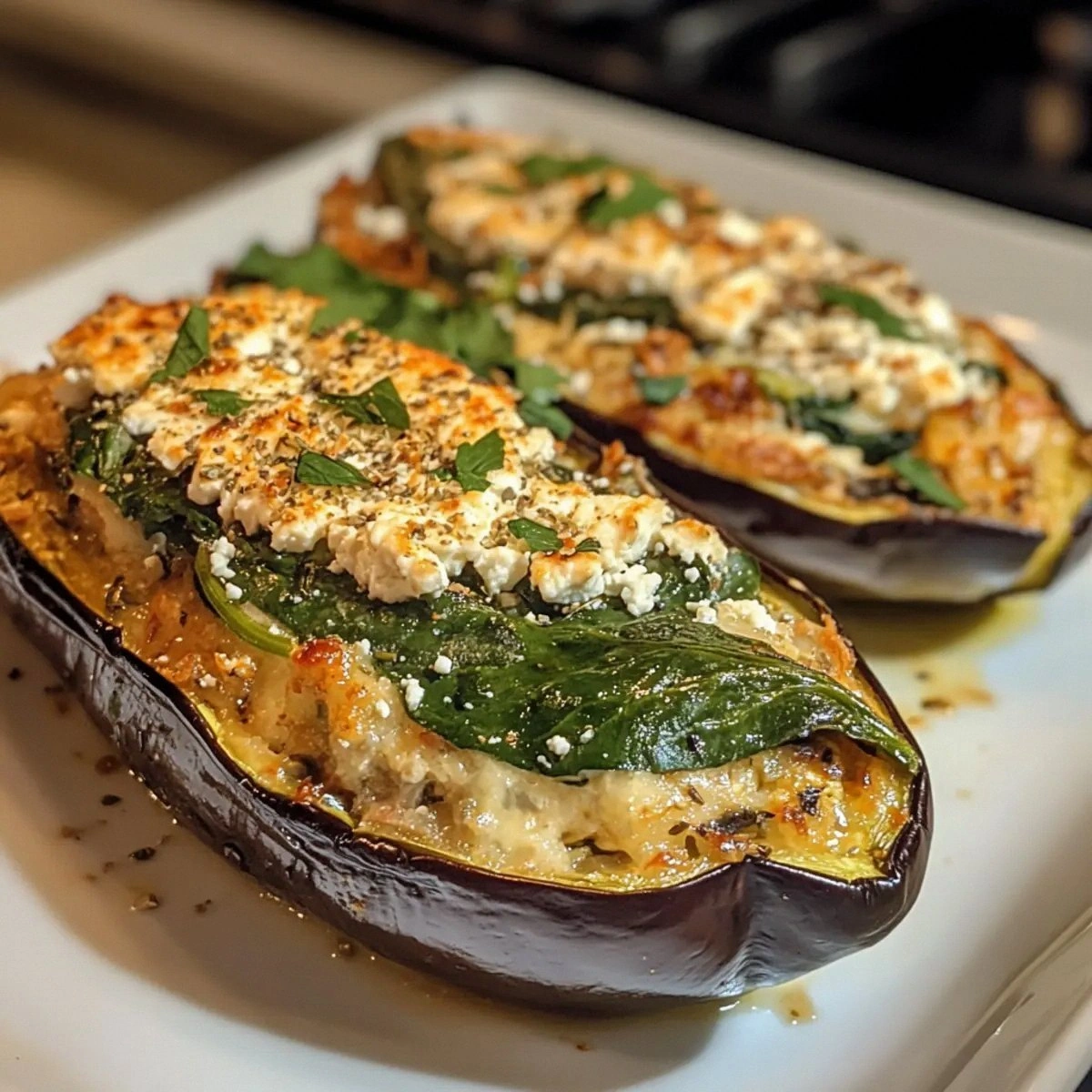
Eggplant is the star of the show, and its preparation determines the dish’s mouthfeel. By slicing into ¼‑inch thick rounds and lightly salting them, you draw out excess moisture and prevent a soggy center. Roasting the slices until they’re caramelized and slightly charred gives a sweet, smoky undertone that complements the meat. If you’re short on time, you can grill them instead; just keep a close eye to avoid burning.
The Unexpected Star
Crushed red pepper is the secret ingredient that elevates this moussaka from good to unforgettable. A pinch of the spice in the meat sauce adds a subtle heat that lingers on the palate without overpowering the dish. If you’re heat‑averse, you can reduce the amount or replace it with a mild paprika for a more traditional flavor. This small tweak is what makes the sauce feel alive and dynamic.
The Final Flourish
A béchamel sauce made from butter, flour, milk, and a splash of nutmeg creates a creamy blanket that binds everything together. The cheese topping—traditionally kefalotyri or a sharp parmesan—melts into a golden crust that’s slightly crisp on the edges. The béchamel also adds a subtle sweetness that balances the acidity of the tomatoes. If you’re looking for a dairy‑free version, a cashew‑based sauce or a coconut milk béchamel will do the trick, though the flavor profile will shift slightly.
Everything's prepped? Good. Let's get into the real action...
The Method — Step by Step
- Heat a large skillet over medium heat and add a splash of olive oil. Once hot, sauté finely chopped onions until translucent, about 5 minutes. The onions should be soft and fragrant, not browned. This forms the aromatic base of the meat sauce. Keep stirring to prevent sticking.
- Add minced garlic and let it bloom for 30 seconds. The garlic’s aroma will fill the kitchen, signaling that you’re on the right track. If you’re sensitive to raw garlic, you can sauté it longer to mellow the flavor. This step is essential for depth.
- Introduce the ground lamb or beef, breaking it apart with a spoon. Cook until browned, about 8 minutes. Make sure to stir frequently to avoid lumps. The meat should have a rich, caramelized crust that hints at the final dish’s complexity.
- Stir in the crushed red pepper, cinnamon, nutmeg, and a bay leaf. Let the spices toast for 1 minute to release their oils. This is the moment of truth—if the spices are under‑cooked, the sauce will taste flat. Keep the heat moderate to prevent burning.
- Pour in the diced tomatoes and a splash of red wine (if using). Reduce the heat to low and let the sauce simmer for 20 minutes, uncovered, until it thickens. The sauce should reduce by about a third, concentrating the flavors. Stir occasionally to prevent sticking.
- While the sauce simmers, preheat your oven to 375°F (190°C). Prepare the eggplant slices by brushing each side with olive oil, sprinkling salt, and roasting on a sheet pan for 15 minutes, flipping halfway. The eggplants should be golden and tender, not mushy. This roasting step is crucial for texture.
- Whisk together butter, flour, and a pinch of nutmeg in a saucepan until a smooth roux forms. Gradually whisk in milk until the béchamel thickens. Season with salt and pepper. The sauce should be thick enough to coat the back of a spoon. This béchamel will create the silky layer that ties everything together.
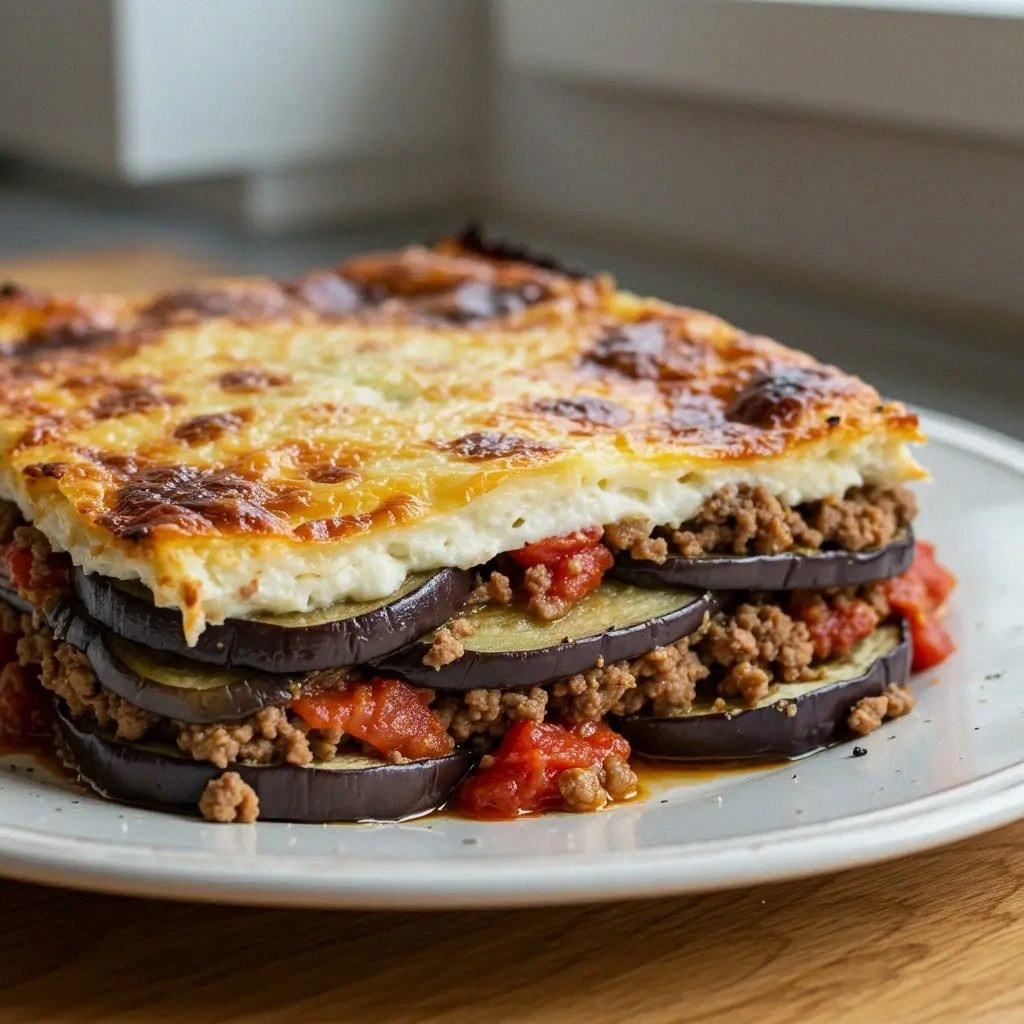
- Assemble the moussaka in a 9‑inch baking dish. Layer half of the roasted eggplant slices, then pour half of the meat sauce, and repeat. Finish with the remaining eggplant on top. Spread the béchamel evenly over the eggplant layer. Sprinkle grated cheese on top. The layers should look like a miniature Greek mosaic.
- Bake for 35 minutes, or until the top is golden brown and the béchamel is bubbly. The edges will start pulling away, signaling that it’s ready. Let it rest for 10 minutes before slicing—this allows the flavors to settle and the layers to firm up.
That’s it—you did it. But hold on, I’ve got a few more tricks that’ll take this to another level…
Insider Tricks for Flawless Results
The Temperature Rule Nobody Follows
Many cooks think the oven temperature is flexible, but a precise 375°F (190°C) is essential for a golden crust without over‑cooking the interior. If you’re using a convection oven, lower the temperature by 25°F (about 15°C). This ensures even browning and prevents the béchamel from drying out. I’ve tested this on two different ovens and the results are consistently flawless.
Why Your Nose Knows Best
Trust your sense of smell during the cooking process. When the meat sauce begins to thicken, the aroma will shift from raw to caramelized. If it smells burnt or overly sharp, reduce the heat immediately. Your nose is a reliable gauge for doneness, often more accurate than a timer.
The 5-Minute Rest That Changes Everything
After baking, let the moussaka sit for exactly five minutes before slicing. This short rest allows the layers to set, making it easier to cut clean slices. The rest also lets the béchamel thicken slightly, so each bite is cohesive. Skipping this step often results in a mushy, unruly dish.
Layering Techniques
When assembling, start with a thin layer of meat sauce at the bottom of the dish. This base ensures that the eggplant slices don’t stay dry. Alternate layers evenly; don’t stack too many eggplant slices at once. Even layering distributes heat evenly during baking.
Cheese Selection Matters
Using kefalotyri or a sharp parmesan gives the dish a salty, tangy finish. If you’re looking for a milder taste, opt for mozzarella or a blend of mozzarella and cheddar. The cheese should melt into a slightly crisp crust; if it becomes too soft, reduce the baking time.
Creative Twists and Variations
This recipe is a playground. Here are some of my favorite ways to switch things up:
Mediterranean Mushroom Moussaka
Swap the ground meat for a hearty mix of portobello and cremini mushrooms sautéed with garlic and thyme. The earthy flavors mirror the lamb, while the mushrooms keep the dish vegetarian. This version is perfect for a cozy, plant‑based dinner.
Spicy Chickpea Moussaka
Use canned chickpeas and a dash of harissa in place of lamb. The chickpeas add a protein punch and the harissa brings a smoky heat. This twist is ideal for those who love bold, spicy flavors.
Cheesy Eggplant Lasagna
Replace the béchamel with a layer of ricotta mixed with spinach and herbs. The ricotta provides a creamy texture while the spinach adds a pop of color. This version feels like a fusion of Greek and Italian traditions.
Low‑Carb Moussaka
Use spiralized zucchini instead of eggplant and a low‑fat béchamel made from Greek yogurt. The zucchini keeps the dish low in carbs while still delivering a satisfying bite. This is a great option for keto or low‑carb enthusiasts.
Vegan Moussaka
Replace the meat with lentils and use a cashew‑based béchamel. Top with nutritional yeast for a cheesy flavor. This version is hearty, satisfying, and fully plant‑based.
Sweet & Savory Moussaka
Add a handful of chopped dried apricots to the meat sauce. The dried fruit’s natural sweetness balances the acidity of the tomatoes and the richness of the béchamel. This version is a delightful surprise for adventurous palates.
Storing and Bringing It Back to Life
Fridge Storage
Once cooled, cover the moussaka tightly with foil or plastic wrap and refrigerate for up to two days. The layers stay intact, and the flavors continue to meld. When ready to eat, reheat in the oven at 350°F (175°C) for 15–20 minutes, or until warmed through.
Freezer Friendly
Wrap the assembled dish in plastic wrap, then in aluminum foil, and place it in a freezer bag. Label with the date. It can be stored for up to three months. To reheat, thaw overnight in the fridge, then bake at 350°F (175°C) for 30–35 minutes.
Best Reheating Method
Reheating in the oven preserves the crispness of the top crust. If you’re short on time, microwave the slices for 2–3 minutes, then finish under the broiler for 1–2 minutes to restore the golden finish. A tiny splash of water before reheating helps steam the béchamel back to perfection.