
Love this? Pin it for later! 📌
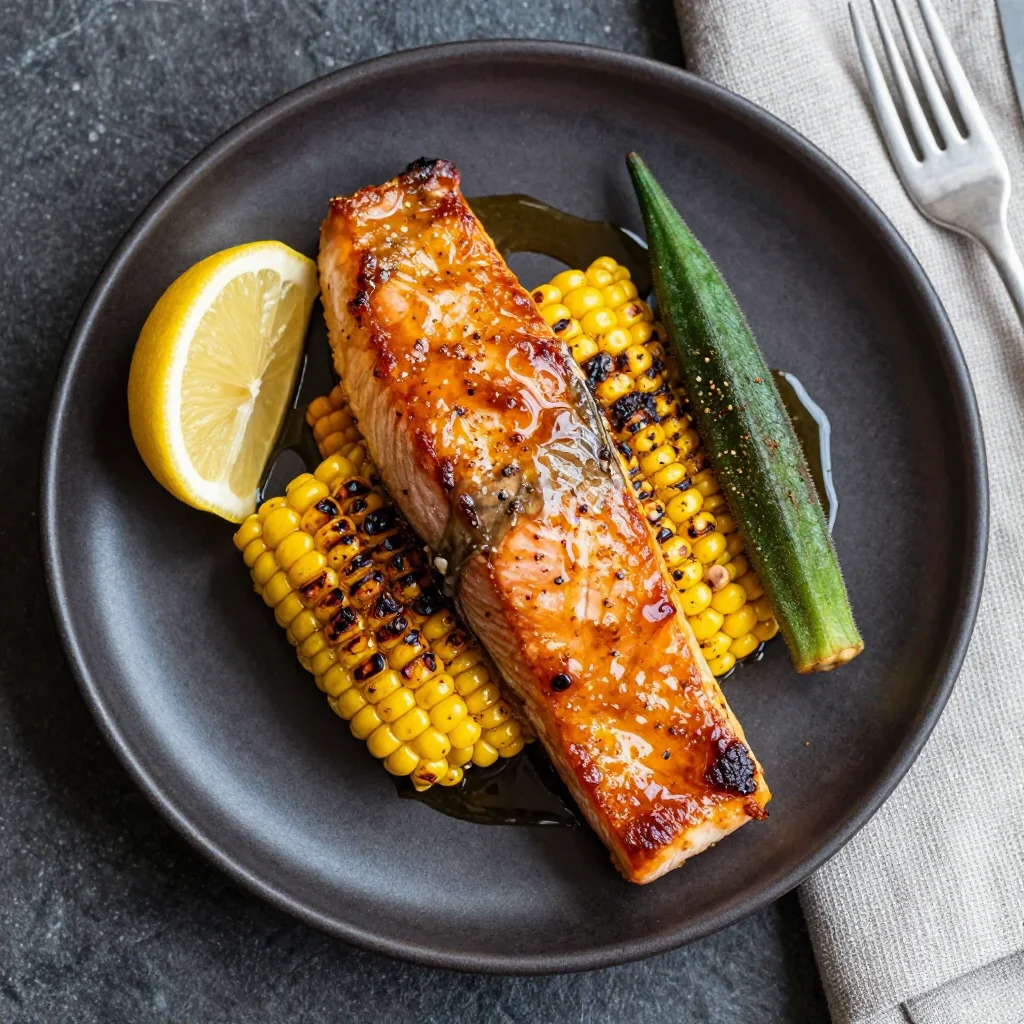
Every January, when the rest of the country bundles up against winter’s chill, my kitchen in Savannah smells like home: salmon sizzling under a mahogany cloak of sweet-tea glaze, the air thick with memories of front-porch rockers, gospel hymns drifting from the radio, and the quiet resolve of Dr. King’s birthday. My grandmother—born the same year the Ebenezer Baptist Church installed its first electric fan—used to say, “If you can’t feed the dream, at least flavor it.” This recipe is my edible love letter to that dream: flaky Atlantic salmon lacquered in a slow-steeped black-tea reduction, kissed with lemon, and finished with a whisper of smoked paprika that nods to Southern pit masters. It is special-occasion enough for a holiday table, weeknight-friendly enough to slide into a 35-minute window, and—most importantly—an invitation to gather, reflect, and celebrate progress around a communal plate.
I developed the glaze after years of watching neighbors brew sun tea on MLK Day parade floats. The tea’s tannins tame salmon’s natural oiliness while the brown sugar caramelizes into a sticky, shiny shell that crackles under the fork like crème-brûlée. A final squeeze of lemon brightens the whole affair, ensuring the dish tastes like hope—sweet, tangy, and a little bit fiery.
Why This Recipe Works
- Double-Strength Sweet Tea: Brewing the tea with 3 bags per cup concentrates tannins that tenderize salmon and build a glossy lacquer.
- Reverse Sear Technique: Low oven heat gently brings the fillets to 125 °F before a quick broil sets the glaze—no dry edges, ever.
- Make-Ahead Glaze: The reduction keeps 5 days refrigerated, so your holiday centerpiece is 10 minutes from done when guests arrive.
- Balanced Sweet-Heat: Apple-cider vinegar and cayenne cut through brown-sugar sweetness, echoing the complex flavors of classic Southern barbecue.
- One-Pan Cleanup: Everything happens on a foil-lined sheet tray—more time for storytelling, less for scrubbing.
- Scallion Finish: A sprinkle of fresh green onion celebrates the traditional Southern pot-luck “bless your heart” garnish.
Ingredients You'll Need
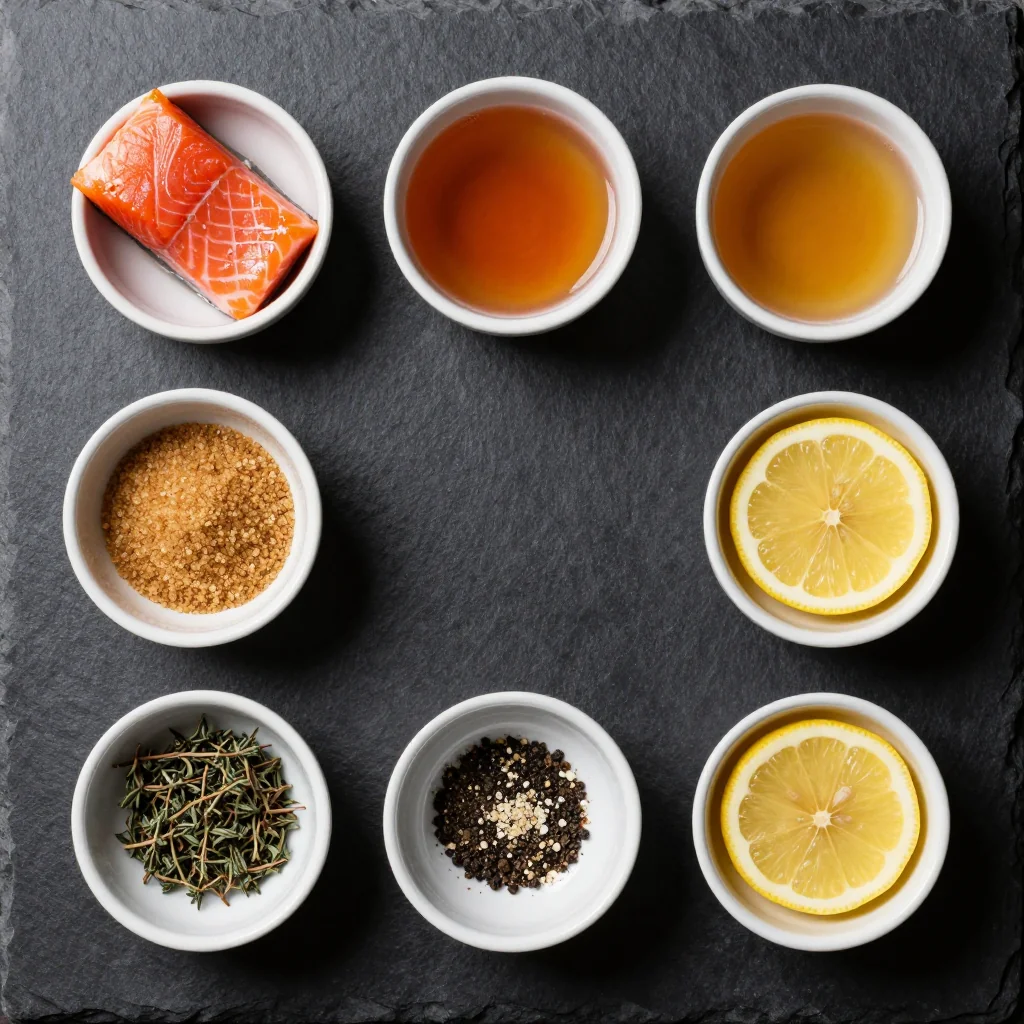
Quality is kindness in edible form. Start with center-cut salmon portions that are evenly thick; tail pieces taper and overcook before the glaze sets. I prefer sustainably farmed Atlantic salmon for its fat content—those omega-rich streaks translate to buttery flesh under the sticky tea coat.
For the tea, reach for a bold black variety such as Luzianne or Red Rose. Their malty backbone stands up to brown sugar and molasses without turning bitter. If you only have Earl Grey, steep for 4 minutes instead of 6 to avoid perfumed soap vibes.
Light brown sugar dissolves faster than dark, but either works; add 1 tablespoon of molasses per cup if you only have white sugar lying around. Smoked paprika is non-negotiable—it whispers barbecue memories without liquid smoke’s acrid edge. If you’re out, substitute half the amount of chipotle powder, but expect a spicier finish.
Apple-cider vinegar brightens the glaze; in a pinch, white wine vinegar suffices. Finally, use real butter, not margarine. Butter’s milk solids help the glaze cling and bronze like a sun-kissed porch floor.
How to Make MLK Day Sweet Tea Glazed Salmon for a Southern Main Course
Brew the Concentrated Sweet Tea
Bring 1 cup water to a bare simmer (195 °F). Remove from heat, add 3 black-tea bags, cover, and steep 6 minutes. Discard bags, pressing to extract every drop. Stir in ½ cup light brown sugar, 1 tablespoon molasses, and a pinch of baking soda (tames bitterness). Let cool 10 minutes.
Reduce the Glaze
Pour the sweet tea into a 10-inch skillet. Add ¼ cup apple-cider vinegar, 1 teaspoon smoked paprika, ½ teaspoon kosher salt, and ⅛ teaspoon cayenne. Simmer over medium heat until syrupy and reduced to ⅓ cup, 10–12 minutes. Swirl in 1 tablespoon butter off heat for gloss. Reserve 2 tablespoons glaze for serving.
Prep the Salmon
Pat four 6-ounce skin-on salmon fillets very dry with paper towels—moisture is the enemy of caramelization. Season flesh side with 1 teaspoon kosher salt and ½ teaspoon black pepper. Let stand at room temperature 15 minutes for even cooking.
Coat with Glaze
Brush flesh side of each fillet with a thin layer of the cooled glaze. Avoid the skin so it stays crisp. Place glazed side up on a foil-lined rimmed sheet. Refrigerate uncovered 20 minutes; this tackifies the surface for better caramelization.
Reverse Sear
Preheat oven to 275 °F. Slide the sheet onto middle rack and bake 12 minutes for 1-inch fillets; thinner pieces need 9–10. Internal temp should read 120 °F on an instant-read thermometer. Remove; heat broiler to high.
Broil to Glossy Perfection
Brush another layer of glaze on flesh. Broil 6 inches from element until glaze bubbles and edges char in spots, 2–3 minutes. The internal temp should now read 125–130 °F for medium. Rest 3 minutes; residual heat finishes the cook.
Finish & Serve
Warm the reserved glaze with 1 teaspoon lemon juice. Plate salmon over creamy grits or collard-pesto rice. Drizzle the shiny warmed glaze, scatter thinly sliced scallions, and add lemon wedges. Serve hot with extra sweet tea—spiked or not.
Expert Tips
Check Early, Not Late
Salmon continues cooking after removal. Pull at 125 °F for medium; 130 °F if guests prefer opaque centers.
Keep Skin On
The skin acts as a heat shield, preventing overcooking and peeling off easily after resting if diners prefer skinless.
Make-Ahead Magic
Glaze keeps 5 days refrigerated or 2 months frozen. Thaw overnight, whisk, and proceed as directed.
Double Batch
Roast extra salmon, chill, and flake into salads; the glaze doubles as dressing with a splash of olive oil.
Grill Adaptation
Cook over indirect medium heat (375 °F) 10 minutes; brush with glaze, then sear directly over coals 1 minute per side.
Sweetness Dial
Cut brown sugar to ¼ cup and add 2 tablespoons honey for a floral note that plays well with Asian sides.
Variations to Try
- Citrus Twist: Swap lemon for blood-orange juice and garnish with zest curls.
- Herbal Note: Add 1 teaspoon crushed culinary lavender to the tea while steeping for a Provençal accent.
- Spicy Kick: Increase cayenne to ¼ teaspoon and stir 1 teaspoon hot sauce into the finished glaze.
- Low-Sugar: Replace brown sugar with 3 tablespoons monk-fruit sweetener; reduce vinegar by 1 teaspoon.
- Arctic Char: Substitute an equal weight of char; its natural sweetness mirrors the glaze.
Storage Tips
Refrigerate: Cool salmon completely, transfer to airtight container, and refrigerate up to 3 days. Reheat gently in a 275 °F oven 8 minutes; microwave will toughen the fish.
Freeze: Place cooled fillets on a parchment-lined sheet; freeze 1 hour, then vacuum-seal or wrap tightly in plastic and foil. Keeps 2 months. Thaw overnight in refrigerator and reheat as above.
Glaze Alone: Store in a jar; separation is normal—whisk to recombine. Warm 10 seconds in microwave before brushing.
Frequently Asked Questions
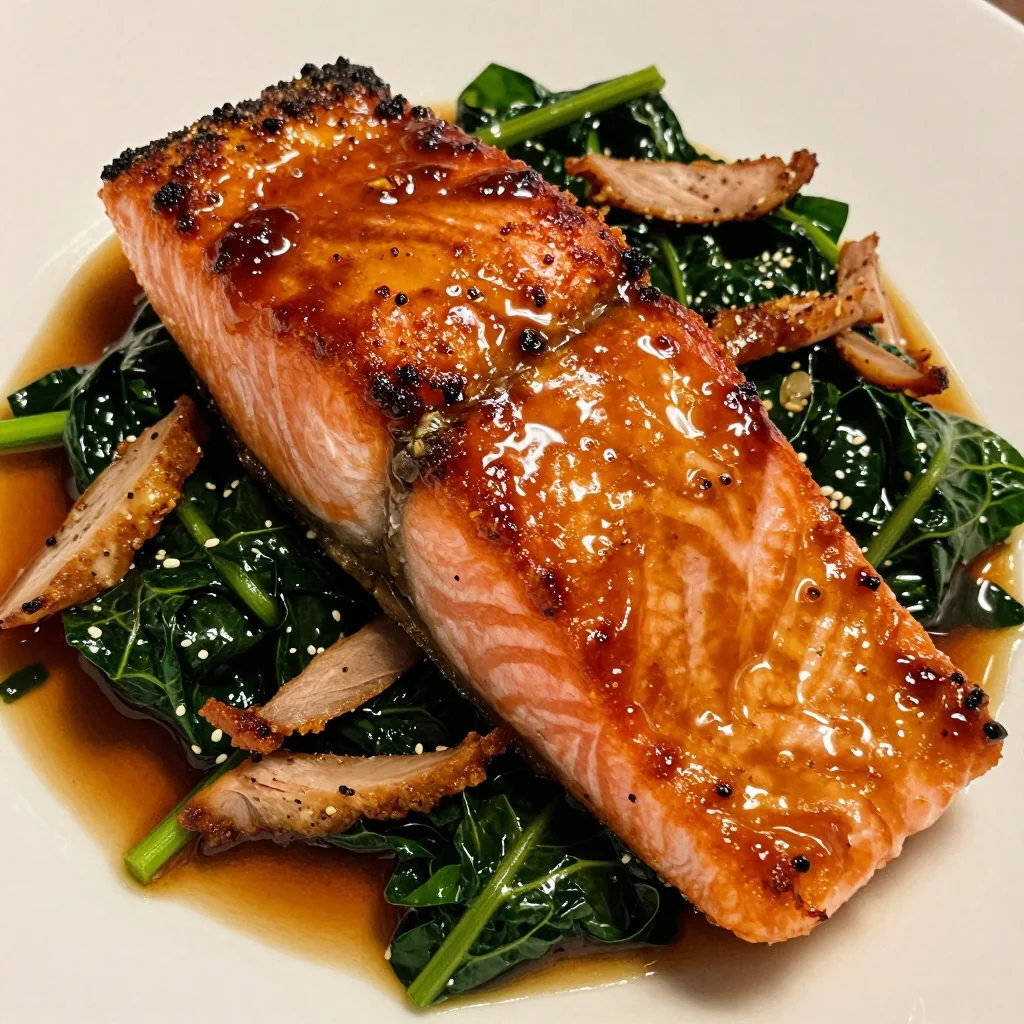
MLK Day Sweet Tea Glazed Salmon for a Southern Main Course
Ingredients
Instructions
- Steep: Simmer water, steep tea 6 minutes, discard bags, whisk in brown sugar, molasses, and baking soda; cool.
- Reduce: Combine tea, vinegar, paprika, salt, and cayenne in skillet; simmer to ⅓ cup, 10–12 minutes. Stir in butter.
- Season: Pat salmon dry, season with salt and pepper, rest 15 minutes.
- Glaze: Brush flesh side with glaze, refrigerate uncovered 20 minutes.
- Roast: Bake at 275 °F 12 minutes to 120 °F internal.
- Broil: Brush again, broil 2–3 minutes to 125–130 °F.
- Serve: Warm reserved glaze with lemon juice, drizzle over salmon, top with scallions and lemon wedges.
Recipe Notes
Glaze may be made 5 days ahead. For grill lovers, cook over indirect heat 375 °F 10 minutes, then sear directly 1 minute per side. Always rest 3 minutes before serving.