
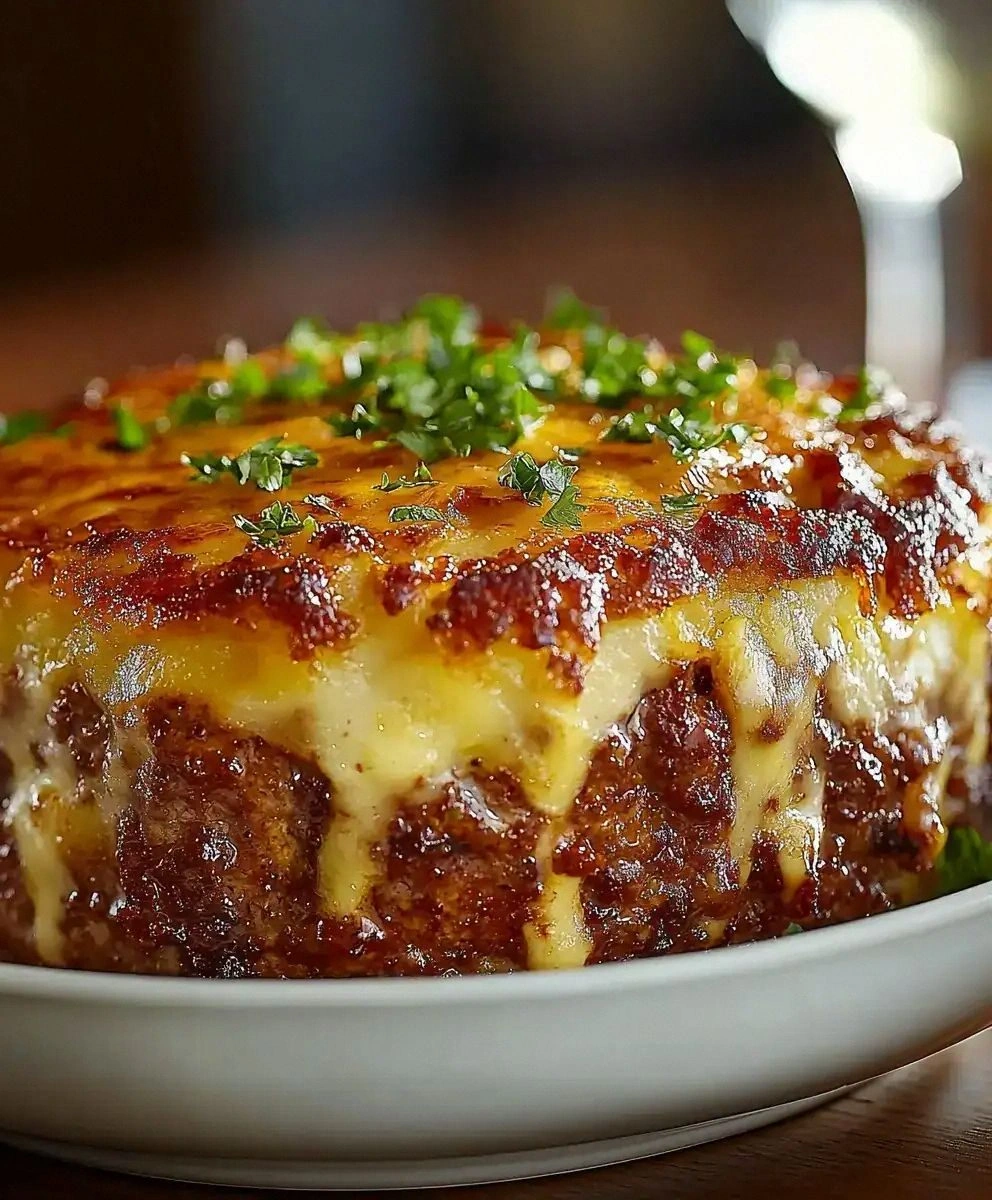
I still remember the Wednesday night I burned three frozen pizzas in a row and my roommate dared me to make something from scratch for once. My kitchen looked like a war zone, the smoke alarm was serenading the neighbors, and all I wanted was the kind of meal that wraps around your shoulders like a fleece blanket. Enter this loaded potato meatloaf dinner—the Frankenstein's monster of comfort food that I cobbled together from pantry scraps and sheer desperation. What started as culinary panic became the dish that my friends now request for their birthdays, their breakups, and their "I just need carbs and love" days.
The first time I pulled this golden-crusted beauty from the oven, the entire apartment building smelled like a Midwest diner collided with a steakhouse. My neighbor knocked on the door holding an empty plate like Oliver Twist asking for more. The meatloaf itself is outrageously tender, shot through with bits of crispy bacon and sharp cheddar, while the potato topping forms these cheesy ridges that crackle under your fork. It's basically shepherd's pie's cooler American cousin who shows up to the family reunion in a leather jacket and steals all the attention.
Here's the kicker: most meatloaf recipes treat potatoes as a sad side dish, boiled into submission and buttered as an afterthought. This version bakes everything together so the potato juices drip down and baste the meat while the bacon fat renders up into the potatoes, creating this unholy alliance of flavors that makes diet culture cry uncle. I dare you to taste this and not go back for thirds while pretending you're just "checking if it needs salt."
Let me walk you through every single step—by the end, you'll wonder how you ever made meatloaf any other way.
What Makes This Version Stand Out
Over-the-Top Moist: Traditional meatloaf can be as dry as a Zoom meeting presentation, but this version hides pockets of sour cream and cheddar inside the meat that melt during baking, creating little rivers of moisture that keep every slice fork-tender. The grated onion doesn't just add flavor—it releases water slowly as it cooks, essentially self-basting the loaf from the inside out.
Loaded Like a Sports Bar: We're talking crispy bacon laced throughout, cheddar and Monterey Jack creating those Instagram-worthy cheese pulls, plus green onions and a hit of smoked paprika that makes your kitchen smell like you hired a pitmaster. It's basically every loaded potato topping you love, except now it's acceptable to call it dinner.
One-Pan Wonder: Everything bakes in the same dish, which means the potato topping absorbs all those meatloaf drippings that would normally burn onto your baking sheet. The result is potatoes so flavorful they don't need gravy, though I'll give you my five-minute gravy recipe anyway because I'm an enabler.
Make-Ahead Champion: You can assemble this entire masterpiece the night before, keep it covered in the fridge, and just pop it in the oven when you get home from work. It also freezes beautifully—slice it into individual portions, wrap like a burrito, and you've got emergency comfort food faster than delivery.
Leftover Legend: Cold meatloaf sandwiches the next day are practically mandatory. Thick slabs between toasted sourdough with extra sharp cheddar and a swipe of chipotle mayo will ruin all other sandwiches for you. I've seen grown adults fight over the end pieces like they're front-row concert tickets.
Crowd-Pleasing Flexibility: Kids love it because it tastes like cheeseburgers and fries had a baby. Adults love it because it's sophisticated enough to serve at dinner parties but approachable enough for a Tuesday. Plus, you can brag that you made meatloaf from scratch while everyone else was ordering Thai food again.
Alright, let's break down exactly what goes into this masterpiece...
Inside the Ingredient List
The Flavor Base
Ground beef is the star here, but not just any ground beef—go for 80/20. Leaner mixes turn into hockey pucks, while fattier blends make everything swim in grease like a bad dive bar burger. The 20 percent fat content keeps things juicy without creating an oil slick on your plate. If you're feeling fancy, swap half the beef for ground pork; it adds a subtle sweetness that plays beautifully with the smoky bacon.
Speaking of bacon, don't you dare use those pre-cooked crumbles from a plastic jar. We're looking for thick-cut bacon that you dice and render slowly until it's halfway crispy. These little nuggets stay chewy inside the meatloaf, creating these surprise bursts of smoky pork that make people close their eyes when they bite into them. It's like finding buried treasure, except the treasure is bacon and you get to eat it.
The Texture Crew
Breadcrumbs aren't just filler—they're insurance against meatloaf that crumbles like a stale cookie when you slice it. I use panko because they're flakier and absorb flavors like tiny flavor sponges. Soak them in a splash of milk first to create a panade, which sounds pretentious but basically means you're making a paste that locks moisture into the meat. Skip this step and your meatloaf will be as dry as your phone when you're trying to show someone photos.
Eggs are the glue that holds this whole operation together, but one egg is plenty. Too many eggs and your meatloaf turns rubbery, bouncing off the plate like a superball. If you're egg-free, mashed potatoes work as a binder too—just fold in two tablespoons of cold mashed potatoes per pound of meat and you're golden.
The Unexpected Star
Here's where things get weird: grated cheddar inside the meatloaf itself. Not shredded—grated on the small holes of your box grater so it disappears into the meat and creates these molten cheese pockets. Sharp aged cheddar brings the funk, but mild cheddar melts better, so I use both like a dairy-based good cop/bad cop situation.
Monterey Jack is the melty accomplice that stretches like a dairy-based superhero. It has a lower melting point than cheddar, so it creates these lava flows of cheese that ooze out when you slice the meatloaf hot. If you can't find Jack, mozzarella works, but it doesn't have the same tangy personality.
The Final Flourish
For the potato topping, grab Yukon Golds—they're like the butter of potatoes. They mash creamy without getting gluey, and their thin skins mean you don't have to peel them if you're feeling lazy. Russets work too, but they'll need extra butter to achieve the same velvety texture. Picture yourself pulling this out of the oven, the whole kitchen smelling incredible, and that first bite where the potato melts into the meat like they were always meant to be together.
Sour cream in the potatoes isn't negotiable—it adds tang that cuts through all that richness like a squeeze of lemon on fried chicken. Greek yogurt works if you're pretending to be healthy, but full-fat sour cream creates that luxurious texture that makes people involuntarily hum while eating. I'll be honest—I ate half the batch before anyone else got to try it, standing over the stove "tasting for seasoning" like some kind of potato vampire.
Everything's prepped? Good. Let's get into the real action...
The Method — Step by Step
- Start by dicing your bacon into quarter-inch pieces—think pepperoni on pizza, not bacon bits in a salad. Toss them into a cold skillet and turn the heat to medium. This slow render draws out all that smoky fat without burning the edges. When the bacon's halfway crispy and swimming in its own liquid gold, scoop out half the bacon bits with a slotted spoon and let them drain on paper towels. These will be your potato topping treasure later. Keep the rest in the pan—we're about to build flavor like it's going out of style.
- In the same pan with all that bacon fat, sauté one finely diced onion until it's translucent and starting to brown at the edges. Your kitchen should smell like a roadside diner at this point, which is exactly what we're going for. Add two minced garlic cloves and cook for just 30 seconds—any longer and garlic turns bitter faster than your ex's text messages. Scrape all this aromatic goodness into a large bowl and let it cool while you prep the potatoes.
- For the potato topping, peel and cube two pounds of Yukon Golds into one-inch pieces. Boil them in heavily salted water until they're fork-tender but not falling apart—think al dente pasta, but potato style. Drain them well, then return to the hot pot to steam off excess water for two minutes. This prevents watery mashed potatoes that slide off your meatloaf like a bad toupee. Mash them with four tablespoons of butter, half a cup of sour cream, and a cup each of grated cheddar and Monterey Jack. Season aggressively with salt, pepper, and a whisper of garlic powder.
- Now for the meatloaf base: to your cooled onion mixture, add one pound of ground beef, one egg, half a cup of panko breadcrumbs soaked in three tablespoons of milk, two tablespoons of ketchup, one tablespoon of Worcestershire sauce, and the reserved crispy bacon bits. Season with one teaspoon each of salt and smoked paprika, plus a few cranks of black pepper. Mix gently with your hands—overworking the meat creates tight, dense meatloaf that could double as a doorstop.
- Preheat your oven to 375°F. Line a loaf pan with parchment paper, leaving wings hanging over the sides for easy removal later. Press the meat mixture into the pan, but don't pack it like you're building a brick wall. Smooth the top with a spatula, creating a slight dome so the juices run to the edges instead of pooling in the middle.
- Spread a thin layer of ketchup mixed with a teaspoon of brown sugar over the top—this creates that sticky, caramelized glaze that makes meatloaf taste like childhood. Slide the pan into the oven and bake for 25 minutes. Your kitchen will start smelling like a steakhouse married a burger joint and they're living happily ever after.
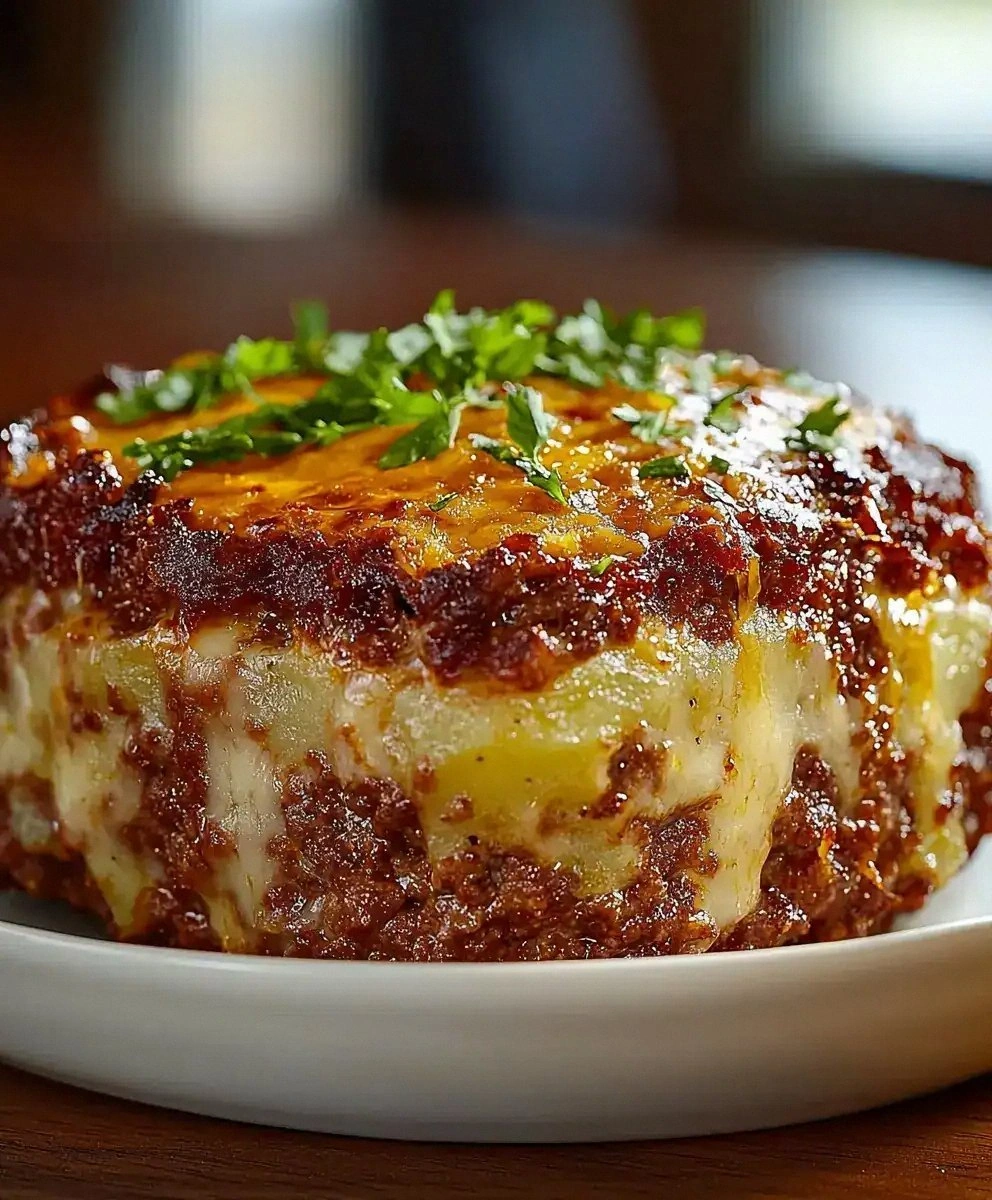
- After 25 minutes, pull the meatloaf out and carefully spread your loaded potato mixture over the top. Create peaks and valleys with a fork—these ridges will brown and crisp like potato chip edges. Sprinkle the remaining bacon bits and extra cheese on top, because we're not here for subtlety. Return to the oven for another 20-25 minutes until the potatoes are golden and the cheese is bubbling like a Yellowstone hot spring.
- Let it rest for 10 minutes before slicing. I know you're tempted to dive in immediately—resist! The juices redistribute during this time, preventing meatloaf that bleeds out like a crime scene when you cut it. Use the parchment wings to lift the whole masterpiece onto a cutting board. Slice thick slabs with a sharp knife, wiping between cuts for Instagram-worthy presentation. Serve with a simple green salad if you're trying to pretend this is balanced, or just embrace the comfort and go full send into carb paradise.
That's it—you did it. But hold on, I've got a few more tricks that'll take this to another level...
Insider Tricks for Flawless Results
The Temperature Rule Nobody Follows
Most recipes tell you to cook meatloaf until it's "no longer pink," which is about as helpful as "cook until done." Use an instant-read thermometer and pull it at exactly 160°F. Carryover cooking will bring it to a perfect 165°F while it rests. Overcooking by just 10 degrees turns your masterpiece into a dry, crumbly mess that even ketchup can't save. Invest in a thermometer—they cost less than your monthly streaming subscriptions and save every roast, steak, and meatloaf you make for the rest of your life.
Why Your Nose Knows Best
Don't trust the timer—trust your nose. When the meatloaf is five minutes from done, your kitchen will suddenly smell like the best burger joint in town combined with Sunday roast. That aroma means the Maillard reaction is working its magic, creating hundreds of flavor compounds that make meat taste more like meat. If your smoke alarm goes off, you've gone too far. The edges should be caramelized, not carbonized.
The 5-Minute Rest That Changes Everything
I get it—you're hungry, it smells amazing, and you want to eat now. But slice too early and all those precious juices run out, leaving you with meatloaf that tastes like it was made from sawdust. Ten minutes on the counter lets the proteins relax and reabsorb their juices. Tent it loosely with foil to keep it warm, but don't wrap it tight or you'll steam the crispy potato topping into sadness.
The Cheese Pull Secret
For Instagram-worthy cheese pulls, add a handful of shredded mozzarella to the potato topping during the last five minutes of baking. Mozzarella has that elastic quality that creates those six-foot cheese pulls that make people stop scrolling. A friend tried skipping this step once—let's just say it didn't end well for their social media engagement.
The Crispy Edge Trick
Want extra crispy potato edges? Broil the meatloaf for the final two minutes, but watch it like a hawk. The difference between golden perfection and burnt offering is about 30 seconds. Rotate the pan halfway through for even browning—most ovens have hot spots that'll char one side while leaving the other pale as printer paper.
Creative Twists and Variations
This recipe is a playground. Here are some of my favorite ways to switch things up:
Buffalo Blue Cheese Bomb
Swap the ketchup glaze for buffalo sauce mixed with a touch of honey. Fold crumbled blue cheese into the potato topping and drizzle the finished meatloaf with ranch dressing. It's like your favorite sports bar appetizer grew up and got responsible. Serve with celery sticks if you're trying to convince yourself this is healthy.
Breakfast-for-Dinner Edition
Add maple syrup to the ketchup glaze and fold cooked breakfast sausage into the meat mixture. Top the potatoes with scrambled eggs and cheese during the last 10 minutes of baking. Serve with hash browns on the side because you can never have too many potatoes. It's basically a Denny's Grand Slam in casserole form.
Italian Stallion
Replace the bacon with pancetta, add Italian herbs to the meat, and use marinara instead of ketchup. Mix Parmesan and mozzarella into the potatoes, then finish with fresh basil. It tastes like lasagna and meatloaf had a beautiful baby. Most recipes get this completely wrong by using dried herbs—fresh basil at the end makes all the difference.
Mexican Street Corn Style
Fold roasted corn kernels and cotija cheese into the potato topping. Add cumin and chili powder to the meat, then glaze with a mix of ketchup and chipotle peppers in adobo sauce. Finish with a sprinkle of Tajín and fresh cilantro. The sweet corn against the smoky meat creates a flavor fiesta that'll make your taste buds do the Macarena.
Thanksgiving Remix
Swap the beef for ground turkey and add sage, thyme, and a pinch of nutmeg. Mix dried cranberries into the meat and top the potatoes with stuffing mix that's been tossed with butter. Serve with cranberry sauce on the side. It's like someone compressed Thanksgiving dinner into one glorious loaf, perfect for those months when you need turkey therapy but don't want to roast a whole bird.
Loaded Veggie Lovers
Replace half the meat with finely chopped mushrooms and grated zucchini. Add roasted red peppers to the potato topping and use smoked gouda for extra depth. Even dedicated carnivores devour this version. The mushrooms provide that umami richness you miss when you go meat-light, and the zucchini disappears completely while adding moisture.
Storing and Bringing It Back to Life
Fridge Storage
Cool the meatloaf completely before storing—this prevents condensation that turns your crispy potato topping into sad, soggy mush. Wrap individual slices in plastic wrap, then store in an airtight container for up to four days. The flavors actually improve after a day in the fridge as the spices mingle and deepen. Pro tip: slice it cold for cleaner cuts, then reheat individual portions.
Freezer Friendly
This meatloaf freezes like a champion athlete. Slice it into individual portions, wrap each slice in plastic wrap, then aluminum foil, and freeze for up to three months. Label with the date unless you enjoy playing "mystery freezer meal" six months from now. Thaw overnight in the fridge for best results, though you can microwave from frozen in a pinch—just expect the potato topping to be less crispy.
Best Reheating Method
For leftovers that taste fresh-baked, reheat slices in a 300°F oven for 15 minutes. Add a tiny splash of water to the pan before covering with foil—it steams back to perfection while keeping the potatoes from drying out. Microwave works for speed, but wrap in a damp paper towel to prevent rubbery meat. If you've got an air fryer, three minutes at 350°F brings back that crispy potato topping like magic.