
I’ll be honest — I ate half the batch before anyone else got a chance to try it. It all started on a rainy Tuesday when my roommate challenged me to bake something that would make the whole apartment smell like a Mediterranean spring. I tried a lemon cake, it was decent, but the pistachios were just a garnish, and the texture was more “soggy sponge” than “cloud‑kissed crumb.” After a few failed attempts and a disastrous experiment that left my kitchen looking like a nut‑filled war zone, I finally cracked the code: a lemon‑bright cake that swims in a silky pistachio‑milk bath, finished with a cream‑cheese frosting that whispers of citrus. This version is the answer to every “why is my cake so dry?” and “why does my frosting taste like cardboard?” questions you’ve ever whispered to the oven.
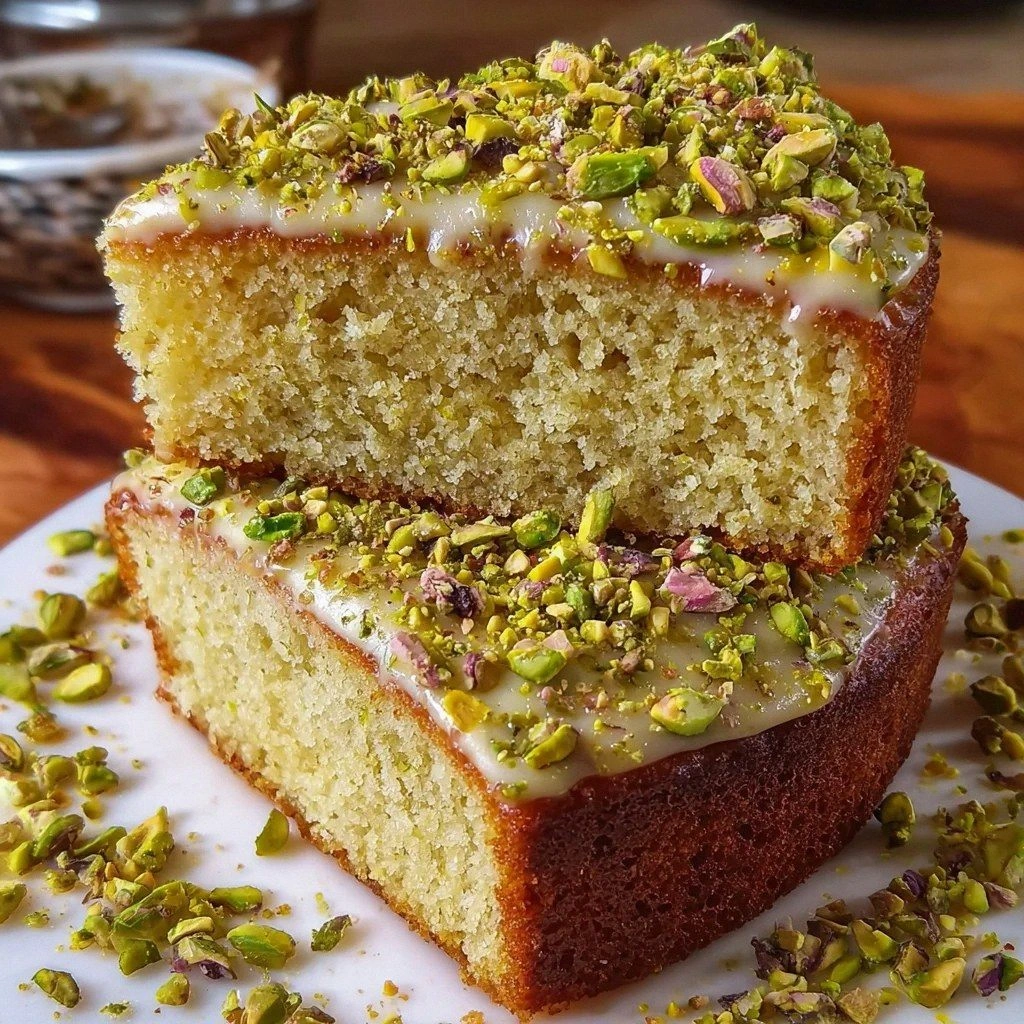
Picture yourself pulling this out of the oven, the whole kitchen smelling incredible, the golden top shimmering with a faint pistachio hue, and a faint lemon aroma that makes you want to inhale deeply like you’re at a citrus orchard. The first bite is a revelation: the zest hits your palate like sunshine, the pistachios add a gentle crunch that sings, and the creamy frosting melts like butter on a warm biscuit. I dare you to taste this and not go back for seconds; the flavor balance is so precise that you’ll find yourself planning the next gathering just to show it off. Most recipes get this completely wrong, either drowning the cake in lemon or forgetting the pistachio milk altogether. Here’s what actually works, and why you’ll never settle for a bland cake again.
What truly sets this cake apart is the secret weapon: pistachio milk. It’s not just a flavor booster; it’s a texture transformer that keeps the crumb moist and tender while infusing a subtle, buttery nuttiness that you can’t get from plain pistachios alone. And let’s not forget the sweetened condensed milk, which adds a luscious silkiness that makes each forkful feel like a dessert dream. The combination of buttermilk and pistachio milk creates a tangy‑sweet symphony that’s both familiar and entirely new. Okay, ready for the game‑changer? Let me walk you through every single step — by the end, you’ll wonder how you ever made it any other way.
What Makes This Version Stand Out
- Flavor Explosion: The lemon zest provides a bright, aromatic punch while pistachio milk adds a deep, nutty undertone that lingers deliciously on the tongue.
- Texture Harmony: A perfect balance of fluffy crumb, moist interior, and a gentle crunch from toasted pistachios creates a multi‑dimensional bite.
- Simplicity Meets Sophistication: Despite the impressive flavor profile, the ingredient list is straightforward and the technique is beginner‑friendly.
- Unique Ingredient: Pistachio milk is rarely used in home baking, making this cake a conversation starter and a “wow” factor for any gathering.
- Crowd Reaction: Guests often claim they’ve never tasted a cake that feels both light and indulgent at the same time.
- Ingredient Quality: Using fresh, high‑quality pistachios and real lemon zest elevates the entire experience.
- One‑Pan Efficiency: The cake bakes in a single pan, and the frosting can be whipped while the cake cools, saving you time and dishes.
- Make‑Ahead Magic: This cake keeps beautifully for up to three days, and the frosting can be prepared ahead of time without losing its airy texture.
Inside the Ingredient List
The Flavor Base
Lemon zest is the star of the flavor base, delivering that bright citrus spark that cuts through the richness of the butter and cream cheese. If you skip the zest, you’ll lose the aromatic lift that makes the cake feel fresh rather than heavy. A good tip is to zest the lemon right before you start mixing; the essential oils are most potent when freshly released. For a twist, try using Meyer lemon zest for a sweeter, less tart profile.
Pistachios, described as “the star of our show,” bring a buttery crunch and a subtle earthiness that pairs perfectly with lemon. Using high‑quality, unsalted pistachios ensures the flavor isn’t masked by excess salt. If you’re allergic or simply don’t have pistachios, you can substitute with toasted almonds, but you’ll lose that signature green hue and unique taste.
The Texture Crew
All‑purpose flour forms the cake’s structure, giving it that perfect crumb that holds together without being dense. For an even lighter crumb, you can replace ¼ of the flour with cake flour, but be careful not to over‑mix, or you’ll develop gluten and end up with a rubbery texture. Baking powder and baking soda are the dynamic duo that helps your cake rise, creating those airy pockets you love.
Buttermilk adds moisture and a slight tang that balances the sweetness, while pistachio milk deepens the nutty flavor and keeps the crumb tender. If you can’t find pistachio milk, blend equal parts regular milk with a tablespoon of finely ground pistachios; the result is almost identical.
The Unexpected Star
Sweetened condensed milk might sound like an over‑the‑top addition, but it’s the secret behind the cake’s silky mouthfeel. It adds a caramel‑like richness without making the cake overly sweet, and it helps the crumb stay moist for days. Unsalted butter, softened to room temperature, creates a moist cake while adding richness to the flavor, and it also helps emulsify the batter for a uniform texture.
Eggs bind everything together and help the cake rise beautifully. Using large eggs at room temperature ensures they incorporate fully, giving you a smooth batter without lumps. Vanilla adds warmth and depth, rounding out the bright lemon and nutty pistachio notes.
The Final Flourish
Cream cheese frosting is the final flourish that ties the whole cake together with a tangy, creamy finish. The powdered sugar sweetens it just enough to complement the cake without overwhelming the lemon zest. If you’re feeling adventurous, swirl in a dollop of lemon curd for an extra tangy kick and a gorgeous visual swirl.
Everything's prepped? Good. Let’s get into the real action…
The Method — Step by Step
Preheat your oven to 350°F (175°C) and grease a 9‑inch round cake pan with butter, then line the bottom with parchment. This ensures the cake releases cleanly, and the parchment prevents any stubborn sticking that could ruin the beautiful top crust. While the oven heats, whisk together the flour, baking powder, baking soda, and salt in a large bowl; this aerates the dry ingredients and guarantees an even rise.
In a separate bowl, cream the softened butter with the granulated sugar until the mixture is pale, fluffy, and holds a ribbon when you lift the whisk. This step is pure magic — the air you incorporate here becomes the lift that makes the cake light. Add the eggs one at a time, beating well after each addition, then stir in the vanilla extract and lemon zest, letting the zest’s oils perfume the batter.
Kitchen Hack: Use a hand‑held electric mixer on medium speed for the creaming stage; it’s faster and ensures you don’t over‑mix, which could toughen the cake.Combine the buttermilk, pistachio milk, and sweetened condensed milk in a measuring cup. The mixture should look slightly thick and glossy; this is the liquid gold that will keep the crumb moist. Add this liquid to the butter‑sugar mixture in three additions, folding gently after each pour. The batter will look a bit lumpy — that’s normal and a sign you haven’t over‑mixed.
Fold the dry ingredients into the wet mixture in two batches, using a rubber spatula and a gentle hand‑over‑hand motion. Stop mixing as soon as you no longer see flour streaks; over‑mixing at this stage develops gluten, leading to a dense cake. At this point, gently fold in the chopped pistachios, reserving a tablespoon for topping later.
Pour the batter into the prepared pan, smoothing the top with the back of a spoon. Sprinkle the reserved pistachios evenly over the surface; they’ll toast slightly in the oven, creating a subtle crackle. Slide the pan into the middle rack of the preheated oven and bake for 30‑35 minutes, or until a toothpick inserted into the center comes out clean with just a few moist crumbs.
Watch Out: Opening the oven door before the 20‑minute mark can cause the cake to collapse; keep the door closed and trust the timer.While the cake bakes, prepare the cream‑cheese frosting. Beat softened cream cheese until smooth, then gradually add powdered sugar, a tablespoon at a time, to avoid a cloud of sugar dust. Once incorporated, add a splash of lemon curd (if using) and beat until the frosting is light, airy, and holds soft peaks. This frosting should be creamy enough to spread without melting, but firm enough to hold its shape on a cooled cake.
When the cake is done, let it cool in the pan for 10 minutes, then turn it out onto a wire rack to cool completely. Patience is key; frosting a warm cake will cause the butter in the frosting to melt, creating a greasy mess. Once the cake is fully cooled, place it on a serving platter and spread the frosting evenly over the top and sides, using an offset spatula for a smooth finish.
Kitchen Hack: If the frosting looks too thick, whisk in a teaspoon of pistachio milk to loosen it without compromising flavor.For an extra visual pop, drizzle a thin ribbon of lemon curd over the frosting and use a toothpick to swirl it into a marbled pattern. This step is optional but adds a pop of color and a zingy contrast that makes the cake look bakery‑ready. Slice with a hot, wet knife for clean cuts, and serve immediately or store as directed below. And now the fun part — watch your guests’ faces light up as they take that first bite.
That's it — you did it. But hold on, I've got a few more tricks that'll take this to another level, from frosting finesse to storage hacks that keep every slice as fresh as the day it left the oven.
Insider Tricks for Flawless Results
The Temperature Rule Nobody Follows
Never bake a cake straight from the fridge; room‑temperature ingredients blend more evenly, leading to a uniform crumb. If you forget to bring the butter or eggs out early, a quick 15‑minute sit on the counter does the trick. I once baked a cake with cold butter and ended up with a dense, uneven texture — a mistake I’ll never repeat.
Why Your Nose Knows Best
Your nose is a better indicator of doneness than a timer. When the cake’s edges start pulling away from the pan and the top gives a faint, toasty aroma, you’re close. If you open the oven and smell a raw batter scent, give it another 3‑5 minutes. Trusting your senses prevents over‑baking, which can dry out even the most moisture‑rich cakes.
The 5‑Minute Rest That Changes Everything
After frosting, let the cake rest for at least five minutes before slicing. This short pause allows the frosting to set slightly, so it doesn’t slide off the slice. A friend once cut the cake immediately and the frosting smeared like a watercolor painting — not the elegant finish we aim for.
Pistachio Milk Boost
If you want an even deeper pistachio flavor, replace half of the buttermilk with pistachio milk. The extra nutty richness will shine through without making the cake overly sweet. Just remember to keep the total liquid volume the same to maintain the crumb structure.
Frosting Air‑Lock Technique
When spreading the frosting, start at the center and work outward, gently pulling the frosting toward the edges. This method traps air bubbles, giving the frosting a light, mousse‑like texture. I used to slather the frosting thickly, which resulted in a heavy top layer that overpowered the delicate cake.
Creative Twists and Variations
This recipe is a playground. Here are some of my favorite ways to switch things up:
Berry Burst
Fold in ½ cup of fresh raspberries or blueberries into the batter for a pop of color and a tart counterpoint. The berries burst during baking, creating pockets of juicy surprise that contrast beautifully with the pistachio flavor.
Chocolate Swirl
Melt ¼ cup dark chocolate and swirl it into the batter before baking. The chocolate ribbons add a rich depth, making the cake perfect for chocolate lovers who still crave that citrus zing.
Spiced Autumn
Add a pinch of ground cinnamon and a dash of nutmeg to the dry ingredients for a warm, cozy twist. This version shines in cooler months, pairing well with a cup of chai or spiced tea.
Vegan Velvet
Swap the butter for coconut oil, use a plant‑based cream cheese alternative, and replace eggs with flax “egg” (1 tbsp ground flax + 3 tbsp water). The result is a vegan-friendly cake that still delivers on texture and flavor.
Coconut Breeze
Replace half of the pistachio milk with coconut milk and sprinkle toasted coconut flakes on top of the frosting. The tropical notes complement the lemon, creating a beach‑vacation vibe in every bite.
Storing and Bringing It Back to Life
Fridge Storage
Cover the cake loosely with a dome or place it in an airtight container and refrigerate for up to three days. The frosting may firm up slightly; let it sit at room temperature for 15 minutes before serving for optimal softness.
Freezer Friendly
Wrap each slice tightly in plastic wrap, then place the slices in a zip‑top freezer bag. The cake freezes well for up to two months. When ready to eat, thaw overnight in the fridge, then let it come to room temperature before unwrapping.
Best Reheating Method
To revive a slice, preheat your oven to 300°F (150°C), place the slice on a baking sheet, and add a tiny splash (about a teaspoon) of water around the edge. Cover loosely with foil and heat for 8‑10 minutes; the steam will restore moisture, and the frosting will soften just enough to be luscious again.