I remember the night I tried to turn a simple Sunday roast into a culinary masterpiece. The kitchen was a battlefield—flames licking the oven door, the scent of raw duck drifting like a ghost, and my confidence wobbling on the edge of a knife. I stared at the glossy, unseasoned bird and thought, “If this goes wrong, I’ll have to order takeout.” That’s when the idea hit me: a juicy orange garlic roasted duck, but not just any duck—one that would make my friends question their life choices.
Picture the moment the duck hits the hot pan: a deep, resonant sizzle that sounds like a drumroll before the show. The air fills with the sweet, citrusy aroma of orange zest mingling with the earthy punch of crushed garlic. Your eyes catch the glossy sheen of soy sauce and honey, glistening like liquid amber on the skin. As the duck roasts, the aroma spreads, a warm blanket that drapes over the kitchen and invites everyone to gather around the table. That scent is the promise of something extraordinary.
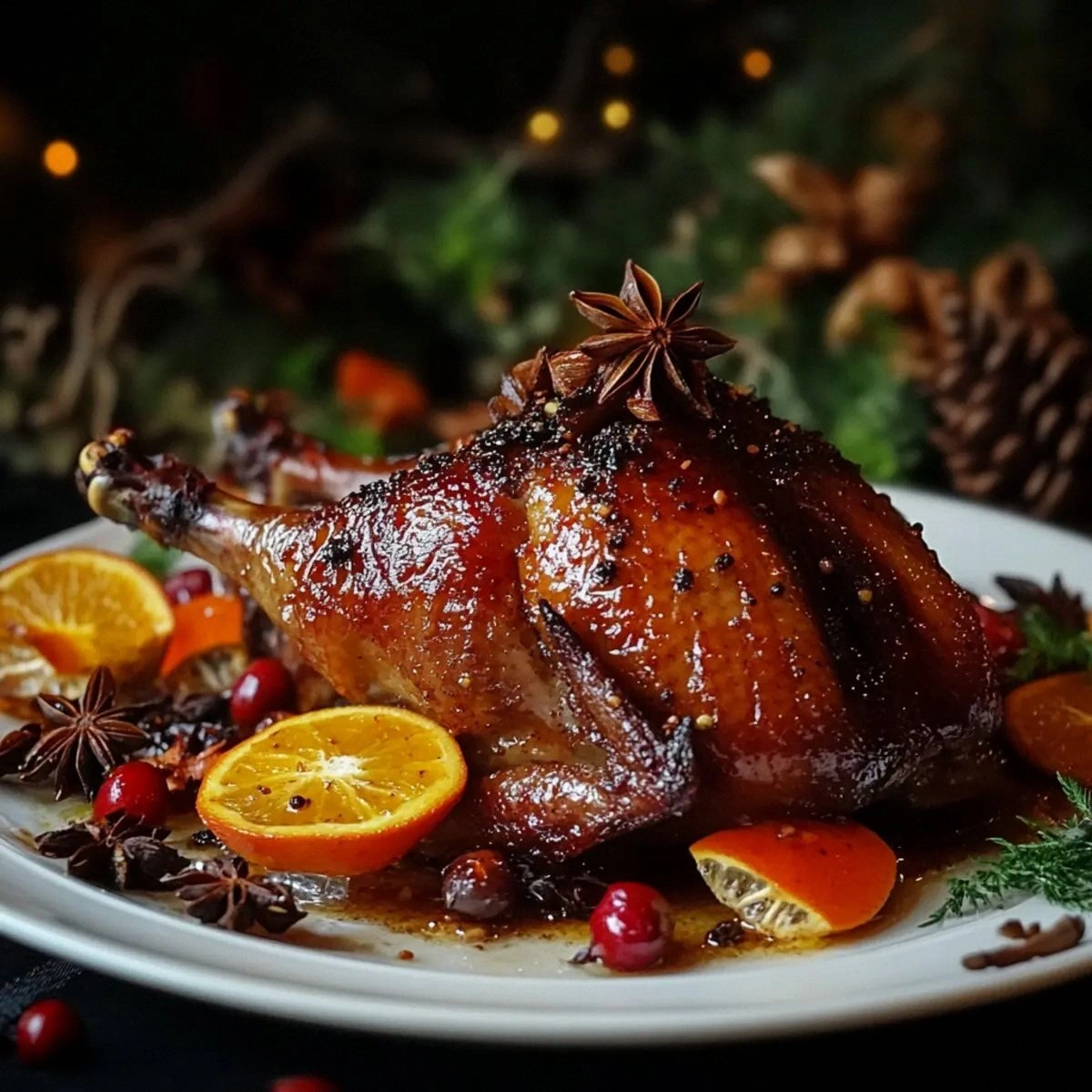
What sets this version apart isn’t just the combination of flavors, but the method that locks in moisture and caramelizes the skin to a buttery crisp. I dared myself to infuse the duck with star anise, a subtle spice that adds depth without overpowering the citrus. The glaze, a marriage of soy, honey, and rice vinegar, coats the bird like velvet, sealing in juices and creating a glaze that cracks like a perfect sunrise. If you’ve ever roasted a duck that left the meat dry or the skin soggy, you’re not alone—this recipe is the antidote to those culinary heartbreaks.
And here’s the kicker: I’ve discovered a technique that lets you achieve that crackling skin without a fancy broiler. I’ll walk you through every single step, from the first crack of the pan to the final garnish, so by the end you’ll wonder how you ever made it any other way. Picture yourself pulling this out of the oven, the whole kitchen smelling incredible, and the family erupting in applause. Let’s dive in.
What Makes This Version Stand Out
- Flavor Depth: The blend of orange, garlic, and star anise creates a complex profile that lingers on the palate like a well‑crafted perfume. The subtle sweetness of honey counterbalances the umami of soy sauce, while the vinegar adds a bright counterpoint.
- Texture Triumph: The skin crisps to a golden, flaky perfection that shatters like thin ice, while the meat stays buttery and tender, a contrast that’s almost poetic.
- Ease of Prep: All the heavy lifting—seasoning, marinating, and roasting—is done in the oven, freeing you to focus on plating and conversation.
- Ingredient Quality: Using a whole duck that’s fresh and free of additives ensures that the flavors are pure and the texture is authentic.
- Crowd Appeal: The dish is a showstopper, guaranteed to get a standing ovation at dinner parties or family gatherings.
- Make‑Ahead Friendly: The duck can be marinated overnight, and the glaze can be prepared ahead, saving you time on the big day.
- Visual Wow: The orange slices and parsley garnish add a pop of color that makes the dish Instagram‑ready.
Inside the Ingredient List
The Flavor Base
The foundation of this dish is the glaze—a harmonious mix of soy sauce, honey, and rice vinegar. Soy sauce brings umami richness that anchors the sweetness, while honey adds depth and caramelization. Rice vinegar introduces a bright acidity that cuts through the richness of the duck, preventing it from feeling heavy. If you skip the vinegar, the glaze will taste too sweet and flat.
The Texture Crew
The duck itself is the star. A whole 4‑5 pound bird offers a generous amount of meat and fat, which keeps the bird juicy as it roasts. The fat renders slowly, creating a natural bast that keeps the skin crisp. If you opt for a smaller bird, you’ll lose that buttery texture and the glaze won’t adhere as well.
The Unexpected Star
Star anise is the secret weapon that elevates the flavor profile. Its licorice‑like aroma adds a subtle sweetness that pairs beautifully with orange. The pods are easy to remove, so you can enjoy the aroma without the bitterness. If you’re allergic to star anise, a pinch of ground star anise works, but the texture will be lost.
The Final Flourish
Fresh orange slices and chopped parsley are not just garnish—they’re the final touch that ties everything together. The orange slices provide a burst of citrus that brightens the dish, while parsley adds a fresh, herbaceous note. If you prefer a more vibrant presentation, add a few mint leaves for a cooling contrast.
Everything’s prepped? Good. Let’s get into the real action.
The Method — Step by Step
- Preheat your oven to 375°F (190°C). Pat the duck dry with paper towels; a dry surface is key for crisp skin. Season the cavity with salt and pepper, then stuff it with the smashed garlic cloves and star anise pods. The aromatics will infuse the meat from the inside out.
- In a small bowl, whisk together the soy sauce, honey, rice vinegar, and orange zest. This glaze will be brushed on the duck after the first 30 minutes of roasting. The glaze’s acidity ensures it doesn’t burn while still caramelizing.
- Place the duck breast‑side up on a rack in a roasting pan. The rack allows fat to drip away, preventing the skin from becoming soggy. If you don’t have a rack, line the pan with parchment paper.
- Roast the duck for 30 minutes, then brush it generously with the glaze. The first glaze application creates a sticky, caramelizing coating that locks in moisture.
- Continue roasting for another 45 minutes, brushing with glaze every 15 minutes. The duck should reach an internal temperature of 165°F (74°C) in the thickest part. The glaze will thicken into a glossy, amber sauce.
- When the skin looks golden and crisp, remove the duck from the oven and let it rest on a cutting board for 15 minutes. Resting allows the juices to redistribute, ensuring each bite is moist.
- Carve the duck into slices, separating the meat from the crispy skin. Arrange the slices on a platter, drizzle any remaining glaze over the top, and scatter orange slices and parsley for garnish.
- Serve immediately with steamed rice or a light salad. The warmth of the duck will contrast beautifully with the cool, crisp greens.
- If you’re hosting a crowd, keep the duck warm in a low oven (200°F/90°C) while you finish plating. The skin will stay crisp, and the meat will remain juicy.
That’s it— you did it. But hold on, I've got a few more tricks that'll take this to another level.
Insider Tricks for Flawless Results
The Temperature Rule Nobody Follows
Many chefs think a higher oven temperature is always better for crisp skin, but the secret is a moderate 375°F. This temperature allows the fat to render slowly while the skin stays intact, preventing it from tearing or burning. If you’re using a convection oven, lower the temperature by 25°F to avoid over‑drying.
Why Your Nose Knows Best
Trust the aroma. When the glaze starts to caramelize, you’ll notice a deep, sweet scent that’s almost intoxicating. If the smell is faint, the glaze isn’t thick enough; keep brushing it. If it’s too sweet, you’re over‑cooking the glaze—reduce the oven time.
The 5-Minute Rest That Changes Everything
Resting the duck for 15 minutes after roasting is not optional. It allows the juices to redistribute, preventing them from spilling onto the cutting board. Skipping this step can leave you with dry, uneven slices.
How to Keep the Skin Crispy After Cutting
If you need to slice the duck after it’s cooked, keep the skin side up on a rack in a 200°F oven for 10 minutes. This keeps the skin from becoming soggy while the meat stays warm. It’s a lifesaver for last‑minute dinner parties.
Serving Suggestions That Wow
Pair the duck with a simple cucumber salad dressed in rice vinegar and a splash of sesame oil. The acidity cuts through the richness, while the crunch adds texture. For a more elaborate plate, serve with a side of braised red cabbage for a sweet and savory contrast.
Creative Twists and Variations
This recipe is a playground. Here are some of my favorite ways to switch things up:
Spicy Orange Glaze
Add a teaspoon of crushed red pepper flakes to the glaze for a subtle kick. The heat pairs beautifully with the citrus, giving the dish a modern, spicy edge. Perfect for those who like a little fire.
Herbal Infusion
Swap star anise for a handful of fresh bay leaves and a sprig of thyme. The herbal notes lend a different aroma profile that’s more Mediterranean. The result is a duck with a fragrant, earthy undertone.
Asian Fusion Twist
Incorporate a splash of sesame oil into the glaze and sprinkle toasted sesame seeds on top. The nutty flavor complements the soy and honey, creating a dish that feels like a street‑food stall in Shanghai. Serve over jasmine rice for authenticity.
Low‑Carb Delight
Replace the orange slices with thinly sliced bell pepper rings for a low‑carb version. The pepper adds a sweet crunch that’s less sweet than orange but still vibrant. Ideal for keto or paleo diners.
Breakfast Edition
Serve the duck with a side of scrambled eggs and roasted potatoes for a hearty brunch. The savory duck pairs with the richness of eggs, while the potatoes add a comforting crunch. This is a breakfast that’s anything but ordinary.
Vegan Challenge
Use a plant‑based duck substitute made from seitan or soy. Follow the same glaze and roasting instructions. The texture won’t be identical, but the flavor profile will stay true to the original.
Storing and Bringing It Back to Life
Fridge Storage
Cool the duck completely, then wrap the meat and skin separately in plastic wrap. Store in the refrigerator for up to 3 days. The skin may soften slightly, so re‑heat carefully to restore crispness.
Freezer Friendly
Slice the duck before freezing, then place the slices in a freezer bag with a squeeze of water. Freeze for up to 2 months. When ready to eat, thaw in the refrigerator overnight, then re‑heat in a 300°F oven for 10 minutes.
Best Reheating Method
Reheat the duck in a low oven (250°F) with a splash of water or broth in the pan. The moisture prevents the meat from drying out, while the oven keeps the skin crisp. Add a quick drizzle of glaze before serving to refresh the flavor.