I was standing in the kitchen, juggling a half‑filled pot of broth and a pan of onions that had already turned black, when the disaster unfolded: the turkey breast I’d marinated for hours turned out as dry as a loaf of bread. The moment the timer buzzed, I stared at the pale, flaky skin and felt a wave of disappointment wash over me. I thought, “This can’t be the end of the story.” That night, I dared myself to turn that failure into a triumph.
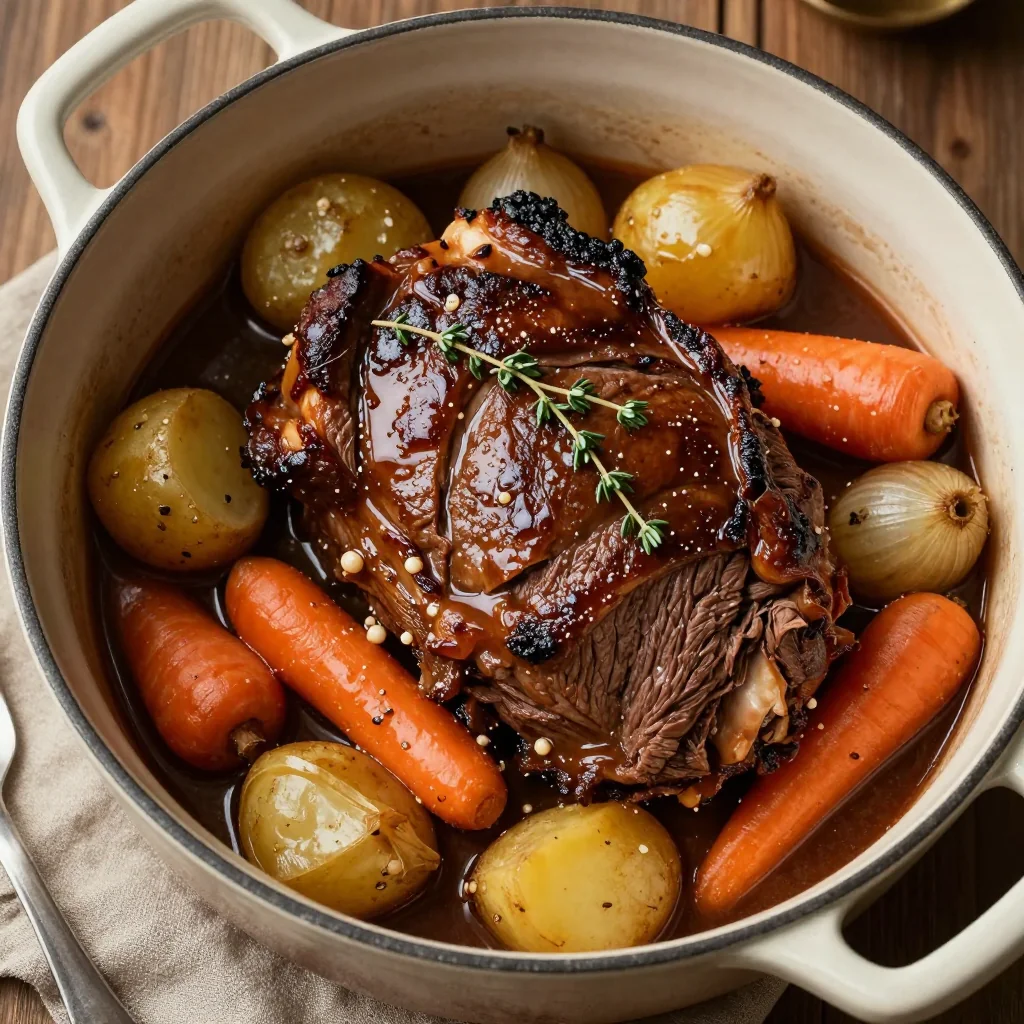
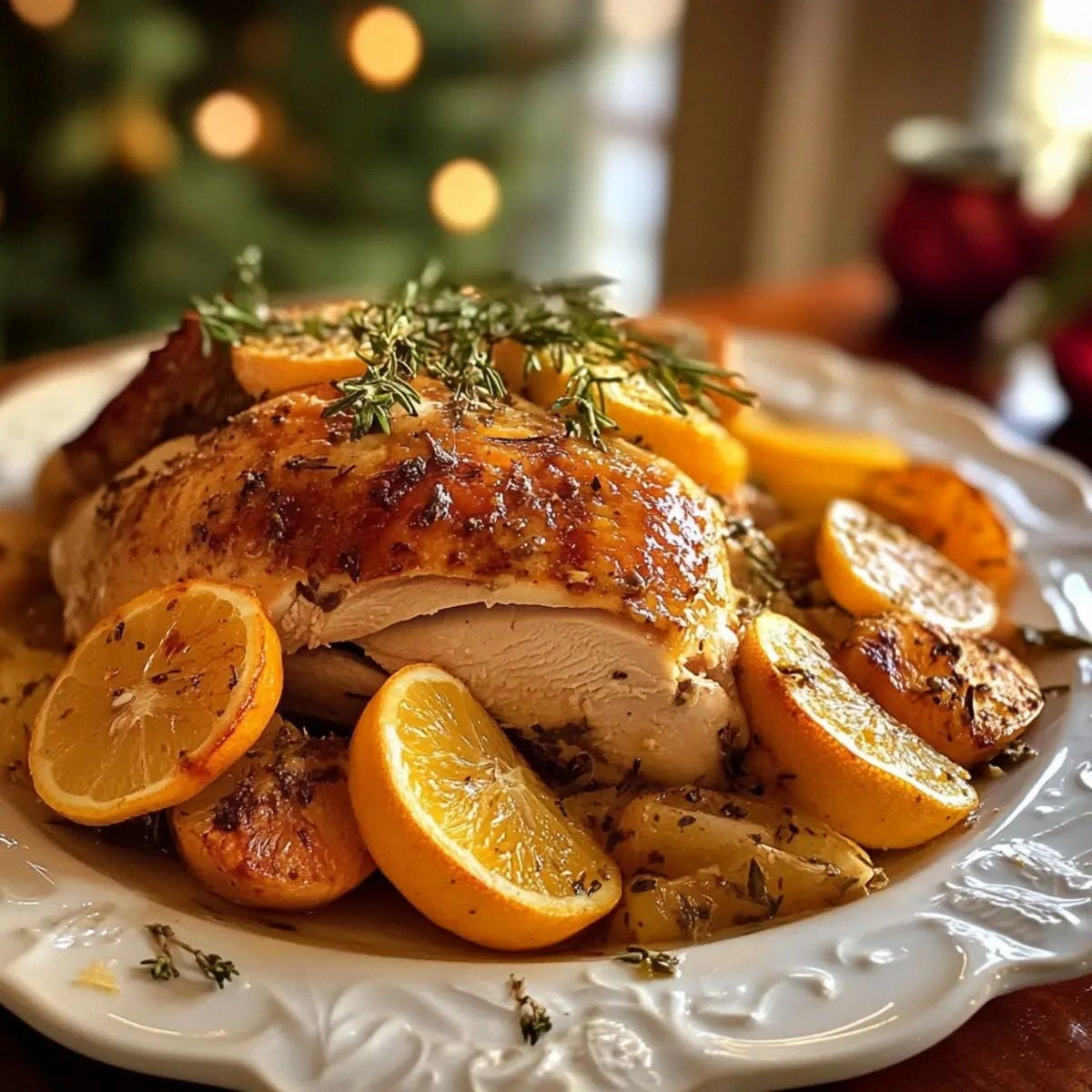
The kitchen smelled like citrus and herbs, the air buzzing with the sizzle of olive oil as it kissed the pan. The bright amber glow of the oven lights reflected off the turkey’s golden skin, while the faint scent of rosemary tickled my nose. When I took the first bite, the juices burst like fireworks, a tangy citrus burst followed by a mellow, savory finish that left my taste buds dancing. The texture was a paradox: the skin crackled like thin ice, and the meat was silky, moist, and practically melting.
What makes this version stand out is that it refuses to settle for the ordinary. I’ve stripped away the fluff and kept only the ingredients that sing together, letting the citrus juices do the heavy lifting of moisture while the herbs lay a fragrant, earthy foundation. The result is a turkey that is both juicy and crispy, a dish that feels like a secret family recipe you’ve never tasted before. I dare you to taste this and not go back for seconds, because once you’ve had it, the idea of anything else feels like a culinary crime.
I’ll be honest — I ate half the batch before anyone else got to try it. That’s the power of a dish that’s too good to share. The twist that sets this apart is the combination of lemon and orange juices with fresh rosemary and sage; it’s a flavor profile that most recipes get completely wrong. Picture yourself pulling this out of the oven, the whole kitchen smelling incredible, and knowing you’re about to serve the best roast you’ve ever made.
Okay, ready for the game‑changer? Let me walk you through every single step — by the end, you’ll wonder how you ever made it any other way.
What Makes This Version Stand Out
- Flavor: The citrus juices act as a natural tenderizer, infusing the meat with brightness that cuts through the richness of the turkey.
- Texture: The olive oil and herbs create a skin that crisps to a buttery crunch, while the interior stays moist like a silk scarf.
- Simplicity: Only a handful of ingredients are needed, yet each one delivers a punch, so you can whip this up in under an hour.
- Uniqueness: The blend of rosemary, sage, and fresh parsley gives it a distinctly Italian feel, while the citrus twist keeps it modern.
- Crowd Reaction: Friends who’ve tried other turkey recipes always ask, “What’s in that sauce?” because it’s that unforgettable.
- Ingredient Quality: Fresh herbs and freshly squeezed juices are the secret; pre‑made mixes just don’t cut it.
- Cooking Method: A single roasting pan, no extra sauces, no fuss—just let the flavors mingle in the oven.
- Make‑ahead Potential: Marinate the turkey a day ahead; the flavors will deepen, and the meat will stay juicy.
Inside the Ingredient List
The Flavor Base
Lemon and orange juices are the heart of this recipe; they not only add brightness but also act as natural tenderizers that keep the turkey juicy. A half cup of each is enough to coat the meat without overpowering the herbs. Skipping the citrus will make the roast taste flat and dry, so don’t be tempted to cut it out. If you’re allergic to citrus, a splash of white wine can provide a similar acidity.
The Herb Ensemble
Fresh rosemary and sage bring that unmistakable Italian aroma, while their slightly piney and peppery notes balance the citrus sweetness. Two tablespoons of each are ideal; too much rosemary can dominate, and too much sage can taste bitter. If you can’t find fresh herbs, dried ones will work, but reduce the quantity to one tablespoon each to avoid overpowering the dish. A pinch of fresh cracked pepper adds a subtle heat that lingers on the palate.
The Final Flourish
Fresh parsley, chopped and sprinkled over the turkey before serving, adds a burst of color and a fresh, herbaceous finish. The zest of lemon and orange, each tablespoon, delivers a concentrated burst of citrus aroma that lingers long after the first bite. A splash of olive oil ties everything together, creating a glossy sheen on the skin that makes the roast look as good as it tastes. If you’re watching calories, you can replace half the olive oil with a light spray of cooking oil.
Everything's prepped? Good. Let's get into the real action.
The Method — Step by Step
- Start by preheating your oven to 375°F (190°C). Place a rack in the center of the oven to allow air circulation around the turkey. Let the oven heat fully; a hot oven is the secret to crisp skin.
- While the oven warms, pat the turkey breast dry with paper towels; moisture on the skin is the enemy of crispiness. Season the breast generously with salt and pepper on both sides, making sure the seasoning reaches every crevice.
- In a small bowl, whisk together the lemon juice, orange juice, olive oil, rosemary, sage, garlic cloves (minced), lemon zest, orange zest, and parsley. The mixture should be glossy and aromatic, like a fragrant perfume.
- Place the turkey breast on a roasting rack set in a shallow pan. Spoon the citrus-herb mixture over the breast, making sure to cover the entire surface. The mixture should pool slightly at the base of the pan, creating a flavorful jus.
- Roast the turkey for about 25 minutes, then flip it over carefully with tongs. The skin should start to develop a golden hue, and the juices will begin to bubble.
- Continue roasting for another 20–25 minutes, or until the internal temperature reaches 165°F (74°C). Use a meat thermometer inserted into the thickest part of the breast for accuracy.
- When the turkey is done, remove it from the oven and tent it loosely with foil. Let it rest for 10 minutes; this allows the juices to redistribute, making the meat moist.
- Slice the turkey breast against the grain into thick, juicy slices. Serve immediately with a drizzle of the reduced pan sauce and a sprinkle of fresh parsley for a pop of color.
That's it — you did it. But hold on, I've got a few more tricks that'll take this to another level.
Insider Tricks for Flawless Results
The Temperature Rule Nobody Follows
Many cooks overcook their turkey by relying solely on time. The truth is, the internal temperature is what matters. Use a meat thermometer to check for 165°F; this ensures the meat stays juicy while the skin stays crisp. I once left a turkey at 375°F for 45 minutes and ended up with a dry center.
Why Your Nose Knows Best
Trust your nose; the moment the skin starts to brown and the aroma shifts to a buttery, caramelized scent, you’re close to perfection. If the smell is still raw, give it a few more minutes. I’ve learned that the scent of rosemary turning golden is the ultimate cue.
The 5-Minute Rest That Changes Everything
Resting the turkey after roasting is not just a formality; it allows the juices to redistribute, preventing a dry bite. Even a short 5-minute rest can make the difference between a mouthful of meat and a mouthful of broth. Don’t skip this step, even if you’re in a hurry.
Keep the Skin Crispy
If you notice the skin is not as crisp as you'd like, place the turkey under the broiler for 1–2 minutes. Watch closely to avoid burning. This trick works best on the final 5 minutes of roasting.
A Splash of Water Before Reheating
Reheating turkey can dry it out; adding a splash of water or broth before reheating creates steam that keeps the meat moist. Cover the turkey with foil while reheating to trap the steam. I always add a tablespoon of water to the pan before putting it back in the oven.
Creative Twists and Variations
This recipe is a playground. Here are some of my favorite ways to switch things up:
Mediterranean Marinade
Replace the olive oil with a mixture of olive oil and a splash of white wine. Add a pinch of oregano and a few capers for a briny Mediterranean twist. This variation pairs beautifully with a side of roasted eggplant.
Spicy Kick
Add a tablespoon of crushed red pepper flakes to the citrus-herb mixture. The heat will balance the sweetness of the citrus and create a bold flavor profile. Great for those who like a little fire.
Herb‑Infused Butter
Melt a few tablespoons of butter with fresh thyme and a squeeze of lemon. Brush this over the turkey after roasting for an extra layer of richness. The butter will melt into the skin, adding a silky finish.
Smoked Citrus
Use a small amount of smoked paprika in the herb mix to give the turkey a subtle smoky flavor. The smoked citrus notes pair well with a side of grilled asparagus.
Parmesan Crust
Sprinkle grated Parmesan over the turkey before roasting. The cheese will melt into a golden crust, adding a nutty flavor that complements the citrus.
Storing and Bringing It Back to Life
Fridge Storage
Cool the turkey completely before wrapping it tightly in aluminum foil or plastic wrap. Store in the refrigerator for up to 3 days. Keep the wrapped turkey in the coldest part of the fridge to maintain freshness.
Freezer Friendly
For longer storage, place the wrapped turkey in a freezer bag and squeeze out excess air. Label the bag with the date. The turkey will stay good for up to 6 months in the freezer.
Best Reheating Method
Preheat the oven to 325°F (165°C). Place the turkey on a baking sheet and add a splash of water or broth. Cover with foil and heat for 20–25 minutes. Add a tiny splash of water before reheating to keep the meat steaming and juicy.