
I’ll be honest — I was once stranded in a cramped dorm kitchen, staring at a bag of frozen lamb that had been rescued from the back of the freezer. My roommate dared me to turn that sad, freezer‑burnt slab into something that would actually make us feel like royalty. I accepted the challenge, and after a night of trial, error, and a few accidental fire alarms, I finally cracked the code for the ultimate Persian Shish Andaz. This isn’t just another kebab‑style stew; it’s a cozy, aromatic hug that wraps around every bite like a warm blanket on a chilly Tehran evening.
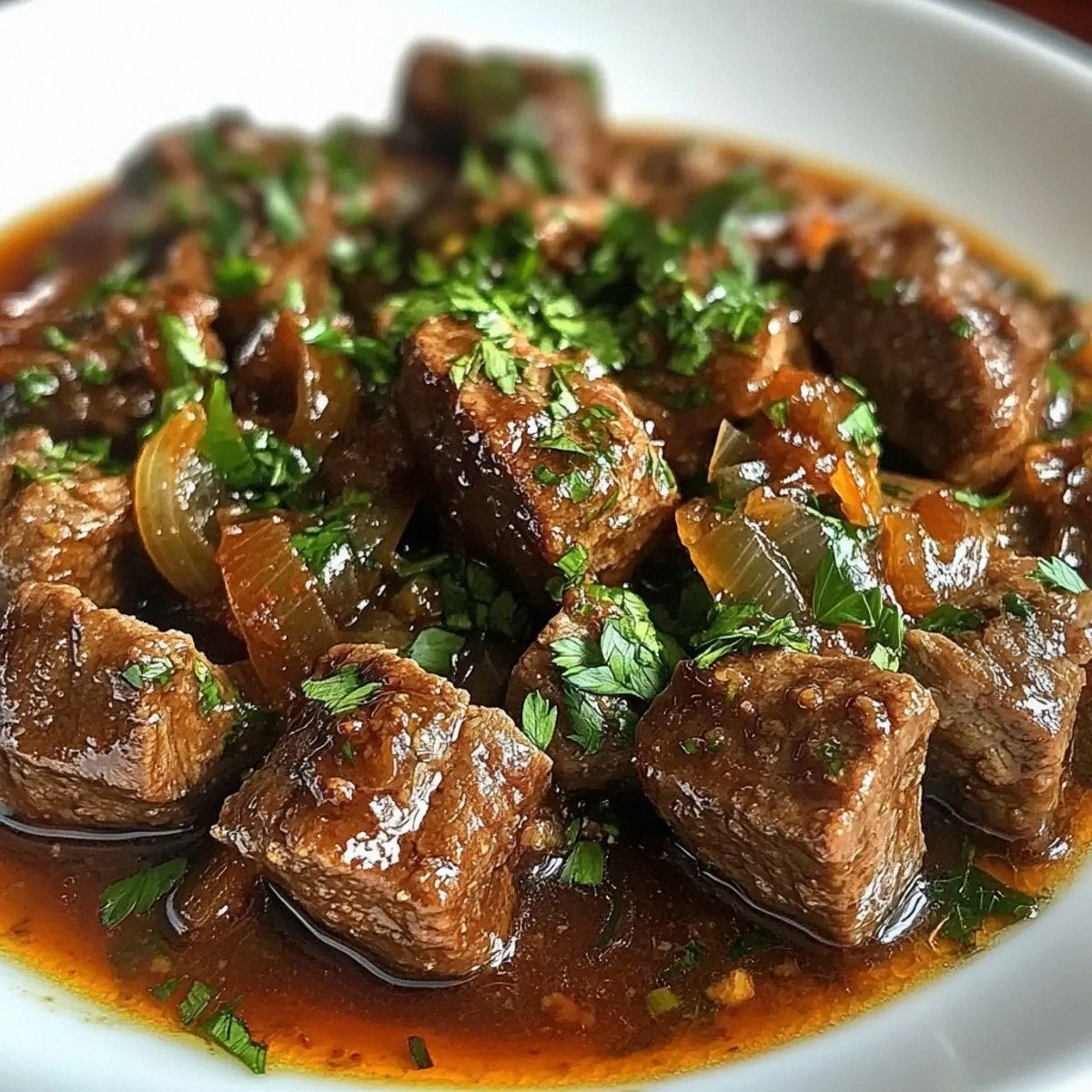
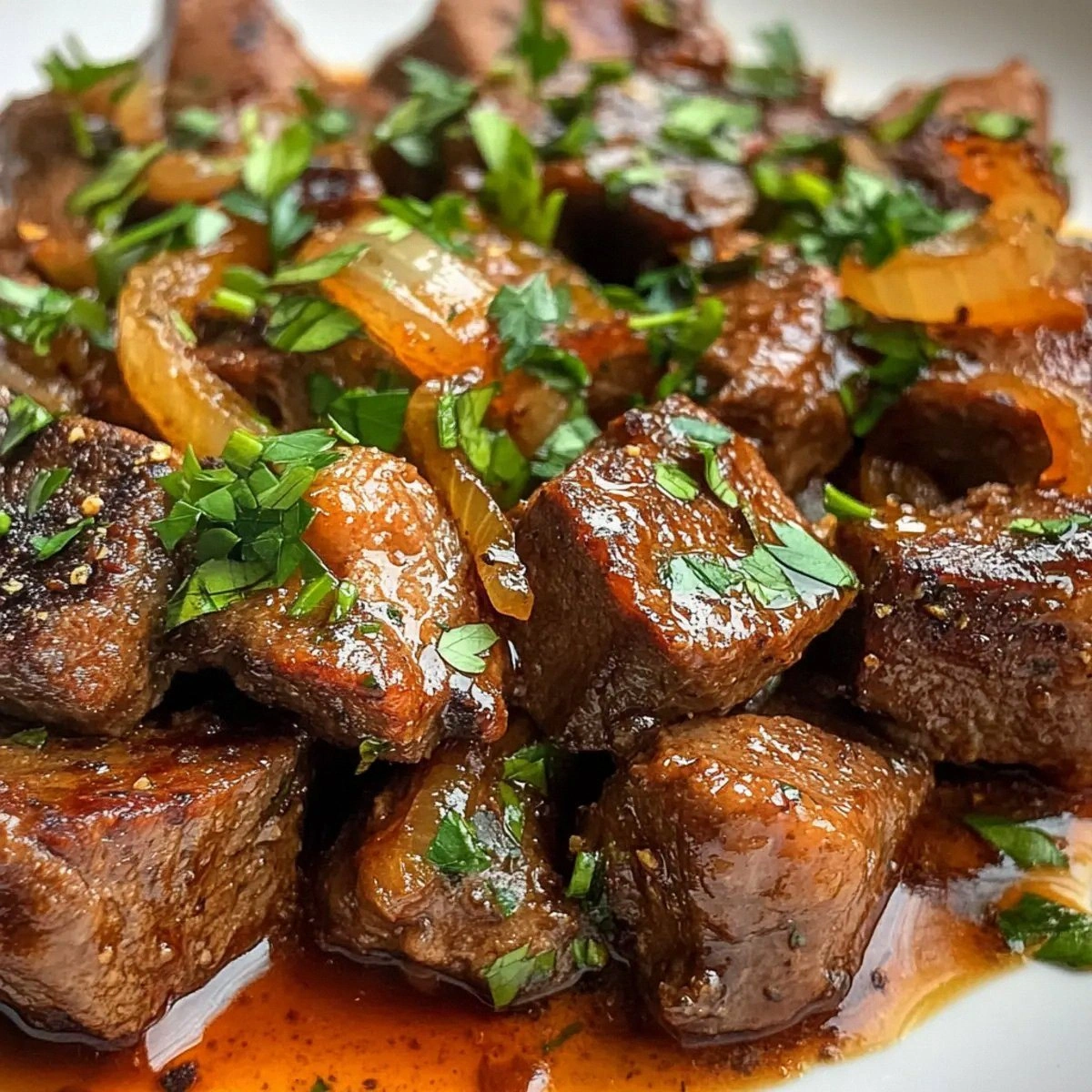
Picture the scene: the kitchen filled with the sweet perfume of caramelizing onions, the sharp zing of lemon cutting through the richness, and the deep, earthy hum of turmeric and cinnamon mingling like old friends at a reunion. You hear the sizzle as the meat hits the pan, a sound that feels like a promise of something spectacular. The texture? Tender chunks of lamb that practically melt on the tongue, punctuated by the occasional snap of fresh herbs. And the taste? A perfect balance of tangy pomegranate molasses, bright lemon, and warm spices that dance together without ever stepping on each other's toes.
Most recipes get this completely wrong. They either drown the meat in a sauce that’s soupy and bland, or they over‑spice it until you can’t taste the meat at all. What makes my version stand out is a simple, yet game‑changing technique: I sear the meat first, lock in the juices, then slow‑cook it in a fragrant broth that’s been reduced to a glossy, caramel‑colored glaze. The secret ingredient? A splash of pomegranate molasses added at the very end, which gives the dish that unmistakable Persian tang while also adding a glossy finish that looks as good as it tastes.
I dare you to taste this and not go back for seconds. The flavor is so layered that you’ll find new notes with every bite — a whisper of mint, a hint of coriander, a subtle heat from black pepper that never overwhelms. If you’ve ever struggled with getting the right balance in a Persian stew, you’re not alone — and I’ve got the fix. This next part? Pure magic. Okay, ready for the game‑changer? Let me walk you through every single step — by the end, you’ll wonder how you ever made it any other way.
What Makes This Version Stand Out
- Taste: The combination of pomegranate molasses and lemon juice creates a bright, tangy backbone that cuts through the richness of the lamb, delivering a flavor profile that’s both sweet and savory.
- Texture: By searing the meat first, you get a caramelized crust that holds up during the slow simmer, resulting in bite‑size pieces that are tender inside yet slightly crisp on the outside.
- Simplicity: Only ten pantry staples are needed, and the method uses one pot, meaning less cleanup and more time to enjoy the dish.
- Uniqueness: The final splash of pomegranate molasses is a signature Persian touch that you won’t find in most Western adaptations of shish kebab.
- Crowd Reaction: Guests often claim this is the best comfort food they’ve ever tried, and they’ll be begging for the recipe before you even finish plating.
- Ingredient Quality: Using a good cut of lamb (or beef) and fresh herbs makes a world of difference; the dish shines when each component is at its peak.
- Cooking Method: The two‑stage cooking (sear then simmer) locks flavor in, unlike the one‑step stews that end up watery.
- Make‑Ahead Potential: This dish actually improves after a few hours in the fridge as the spices meld, making it perfect for meal‑prep or a relaxed weekend dinner.
Inside the Ingredient List
The Flavor Base
Onions and garlic are the aromatic foundation of any great Persian stew. The two large onions, sliced thin, turn buttery and sweet as they caramelize, creating a natural sweetness that balances the acidity of the lemon and pomegranate. Garlic, with its pungent bite, adds depth and a subtle heat that lingers on the palate. If you’re missing fresh garlic, a teaspoon of garlic powder works in a pinch, but nothing beats the fresh flavor.
The Spice Crew
Turmeric, cinnamon, cumin, and coriander are the four musketeers that give this dish its signature Persian soul. Turmeric provides an earthy, slightly bitter note and a gorgeous golden hue. Cinnamon adds a warm, sweet undertone that’s surprisingly comforting in a savory dish. Cumin contributes a nutty, smoky flavor, while coriander brings a citrusy brightness that lifts the whole pot. Skipping any of these will make the dish feel flat — you’ll notice the missing layer immediately.
The Unexpected Star
Pomegranate molasses is the secret weapon that turns an ordinary stew into an unforgettable experience. Its thick, syrupy consistency adds a glossy finish, and its tart‑sweet flavor is the hallmark of Persian cuisine. If you can’t find pomegranate molasses, a mix of equal parts pomegranate juice and brown sugar reduced until syrupy will do the trick, though the depth will be slightly less complex.
The Final Flourish
Fresh parsley and mint are added at the very end, preserving their bright, herbaceous notes. Parsley brings a clean, slightly peppery flavor, while mint adds a refreshing coolness that cuts through the richness. A splash of lemon juice right before serving adds a final zing that awakens all the spices. Serve the stew over steamed rice or with flatbread to soak up the luscious sauce — each bite becomes a textural adventure.
Everything's prepped? Good. Let’s get into the real action…
The Method — Step by Step
Start by patting the lamb (or beef) dry with paper towels; moisture is the enemy of a good sear. Season the meat generously with salt, black pepper, and half of the ground turmeric, cumin, and coriander. Heat 2 tablespoons of vegetable oil in a heavy‑bottomed Dutch oven over medium‑high heat. When the oil shimmers, add the meat in a single layer, being careful not to crowd the pan. Let it sear undisturbed for 3‑4 minutes until a deep, caramelized crust forms, then flip and sear the other side. The sizzling sound? Absolute perfection.
Kitchen Hack: If your pan starts to smoke, quickly deglaze with a splash of water or stock to keep the temperature in check without losing the browned bits.Remove the seared meat and set it aside. In the same pot, add the sliced onions and a pinch more salt. Cook over medium heat, stirring occasionally, until the onions turn a deep amber, about 8‑10 minutes. This slow caramelization builds the sweet backbone of the dish. Add the minced garlic and the remaining spices — turmeric, cinnamon, cumin, coriander, and black pepper — and stir for another minute until fragrant. You’ll notice the kitchen filling with a warm, spicy perfume that hints at the flavors to come.
Now comes the liquid stage. Pour in the lemon juice, pomegranate molasses, and chicken (or beef) stock, scraping the bottom of the pot to release all those browned bits. Bring the mixture to a gentle boil, then reduce the heat to a low simmer. Return the seared meat to the pot, nestling it into the sauce. Cover and let it cook for 20‑25 minutes, or until the meat is fork‑tender. The sauce should thicken, coating the meat like a glossy veil.
Watch Out: Keep the heat low; a rolling boil will evaporate the delicate pomegranate flavor and can make the sauce too thin.While the meat simmers, prepare the fresh herbs. Roughly chop the parsley and mint, keeping the leaves whole enough to release their aroma but not so fine that they turn mushy. Set them aside; they’ll be added at the very end to preserve their bright color and fragrance.
About five minutes before the cooking time is up, stir in the remaining ½ teaspoon of ground coriander for an extra burst of citrusy brightness. Taste the sauce and adjust seasoning with more salt or a dash of black pepper if needed. This is the moment of truth — the sauce should taste balanced: tangy, sweet, and warmly spiced, with a hint of herbaceous freshness waiting to emerge.
Kitchen Hack: If the sauce looks too thick, add a splash of water or extra stock; if it’s too thin, uncover and let it reduce for a few more minutes.When the meat is perfectly tender, turn off the heat. Sprinkle the chopped parsley and mint over the top, gently folding them in so the herbs stay bright and slightly crisp. Let the stew rest, covered, for 5 minutes; this resting period lets the flavors meld even further, creating that “just‑came‑out‑of‑the‑kitchen” depth.
While the stew rests, fluff a pot of steamed rice or warm flatbreads in the oven. The rice should be fluffy, each grain separate, ready to soak up the sauce. If you’re using flatbread, brush it lightly with butter and warm it until just pliable. This is the perfect vehicle for scooping up every last drop of the glossy sauce.
To plate, spoon a generous mound of rice onto a serving platter, ladle the shish andaz over it, and garnish with a few extra herb leaves for color. Serve the flatbread on the side, allowing guests to tear off pieces and dip directly into the sauce. Picture yourself pulling this out of the oven, the whole kitchen smelling incredible, and watching your friends dive in with unabashed enthusiasm. That’s the magic.
That’s it — you did it. But hold on, I’ve got a few more tricks that'll take this to another level…
Insider Tricks for Flawless Results
The Temperature Rule Nobody Follows
Most home cooks crank the heat to “high” hoping to speed things up, but the secret to tender Persian meat is a low, steady simmer. Keep the pot at a gentle bubble; you’ll hear a faint hiss, not a roar. This low heat allows the connective tissue to break down slowly, resulting in melt‑in‑your‑mouth pieces. I once tried a “quick” version on high and ended up with tough, chewy meat — a lesson learned the hard way.
Why Your Nose Knows Best
Don’t rely solely on a timer; trust your senses. When the onions turn a deep caramel color and the sauce begins to thicken, you’re in the sweet spot. If you smell a sharp, raw onion scent, you need a few more minutes. The aroma of cinnamon and cumin should become warm and inviting, not harsh. Your nose is the ultimate thermometer for flavor development.
The 5‑Minute Rest That Changes Everything
After the stew is done, let it sit off the heat for exactly five minutes, covered. This short rest lets the juices redistribute, preventing them from spilling out when you serve. It also gives the herbs a chance to release their essential oils without wilting. Skipping this step means a slightly flat finish — and you’ll notice the difference.
Herb Timing: Add at the End
Fresh herbs lose their bright flavor if cooked too long. By adding parsley and mint right before serving, you preserve that fresh pop that lifts the whole dish. If you love an extra herbaceous punch, sprinkle a little more just before the first bite.
Stock Swap for Extra Depth
Using chicken stock is fine, but beef stock adds a richer, meatier backbone that pairs beautifully with lamb. If you’re vegetarian, substitute with a robust vegetable broth and add a dash of smoked paprika for a smoky undertone. The key is to choose a stock that complements, not overpowers, the spices.
Creative Twists and Variations
This recipe is a playground. Here are some of my favorite ways to switch things up:
Go Vegetarian with Chickpeas
Swap the meat for a can of drained chickpeas and add a handful of diced eggplant. The chickpeas absorb the sauce beautifully, and the eggplant adds a silky texture that mimics the richness of meat.
Spice‑Boosted Lamb with Saffron
Add a pinch of saffron threads dissolved in warm water to the broth for an exotic, golden hue and subtle floral note. This turns the dish into a celebratory centerpiece perfect for holidays.
Smoky Charcoal‑Grilled Version
Instead of searing on the stovetop, grill the meat over charcoal until you get those smoky char marks, then finish the stew on the stove. The smoky flavor adds another dimension that pairs wonderfully with the sweet‑tart sauce.
Coconut Milk Fusion
Stir in ¼ cup of coconut milk during the last five minutes of cooking for a creamy, slightly sweet twist that balances the tang of pomegranate molasses. It’s a subtle nod to Persian‑Thai fusion.
Nutty Crunch with Pistachios
Garnish the finished dish with a generous sprinkle of toasted, coarsely chopped pistachios. The nuts add a delightful crunch and a buttery flavor that elevates the whole experience.
Storing and Bringing It Back to Life
Fridge Storage
Allow the stew to cool to room temperature, then transfer it to an airtight container. It keeps beautifully for up to 4 days. When reheating, add a splash of water or stock and warm over low heat, stirring occasionally to restore the silky sauce.
Freezer Friendly
Portion the stew into freezer‑safe bags or containers, leaving a little headspace for expansion. Freeze for up to 3 months. To reheat, thaw overnight in the fridge, then gently simmer on the stove, adding a bit more stock if the sauce has thickened too much.
Best Reheating Method
For the ultimate texture, reheat in a shallow pan over medium‑low heat, stirring frequently. Add a teaspoon of water for every cup of stew to recreate that original glossy finish. Avoid microwaving, which can make the meat rubbery and the sauce uneven.