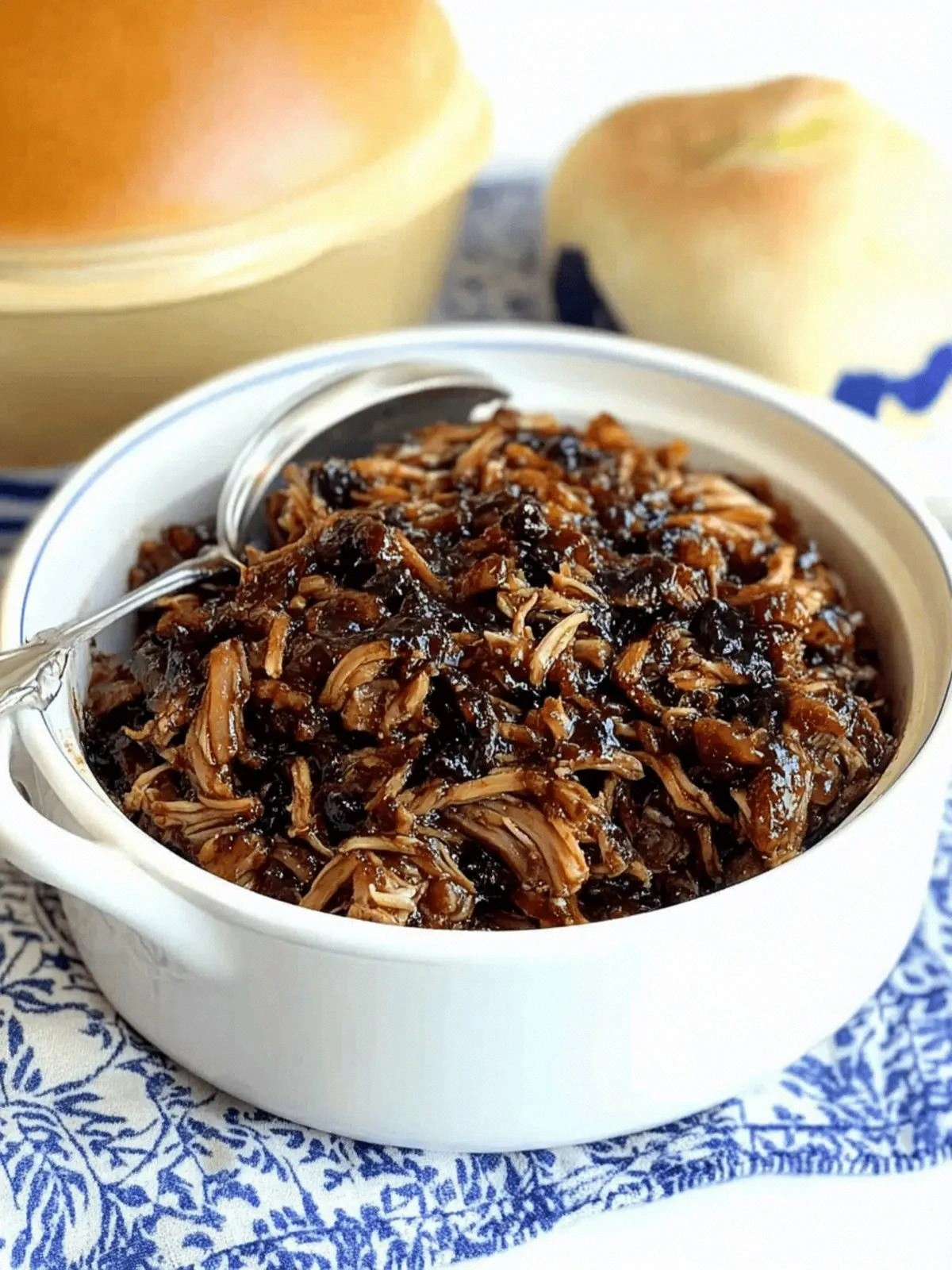
I remember the night I was trying to salvage a half‑cooked pork shoulder that had turned into a sad, rubbery slab. The kitchen smelled like burnt sugar and regret, and my friends dared me to turn that disaster into a masterpiece. I stared at the meat, eyes wide, and whispered, “This is going to be the best pulled pork you’ve ever tasted.” And just like that, I began to orchestrate a symphony of flavors that would make even the most skeptical palate swoon.
Picture the moment the pork hits the pan: a sizzling hiss, the aroma of caramelizing brown sugar, and a promise of glossy, melt‑in‑your‑mouth tenderness. The kitchen lights flicker as the sauce thickens, turning the air into a fragrant, sticky halo. Every step feels like a dance, the heat rising like a drumbeat, the sauce thickening like a velvet curtain. I’m not just cooking; I’m conducting a culinary orchestra that plays a bold, savory overture.
Why does this version stand out? It’s not just the blend of sweet and savory; it’s the way each ingredient is coaxed into harmony. The aged balsamic vinegar brings depth without overpowering, while the chili garlic sauce adds a whisper of heat that lingers on the tongue. The pork shoulder, slow‑cooked to fall‑apart tenderness, becomes a canvas for the sauce’s glossy, caramelized coat. And the brioche buns, toasted just enough to hold the sauce without getting soggy, add that final, buttery crunch.
I dare you to taste this and not go back for seconds. If you’ve ever struggled with pulled pork that turns out dry or bland, you’re not alone—this recipe is the fix. The sauce’s unique combination of ketchup, Worcestershire, and aged balsamic creates a flavor profile that is both comforting and adventurous. The result? A dish that’s hands down the best version you’ll ever make at home. Let me walk you through every single step—by the end, you’ll wonder how you ever made it any other way.
What Makes This Version Stand Out
- Flavor: The sauce marries sweet, tangy, and umami notes into a single, irresistible glaze that clings to the pork like velvet. Each ingredient—brown sugar, ketchup, Worcestershire—layered to build complexity. The result is a sauce that satisfies both the sweet tooth and the savory craving.
- Texture: The pork is slow‑braised until the fibers separate naturally, creating a pull‑apart tenderness that melts in your mouth. The brioche buns provide a soft, buttery bite that contrasts with the savory sauce. The lettuce adds a crisp, refreshing crunch that cuts through richness.
- Simplicity: Five key components—pork, sauce, buns, lettuce, and a few aromatics—are all you need. No fancy equipment or exotic ingredients are required. The recipe’s straightforward steps keep the focus on flavor, not on technique.
- Uniqueness: Aged balsamic vinegar rarely appears in pulled pork, and it’s the secret that elevates this dish above the rest. The combination of chili garlic sauce and rosemary gives it a subtle heat and herbal lift. This twist turns an ordinary sandwich into an unforgettable experience.
- Crowd Reaction: At my last gathering, the first bite sparked a chorus of “wow” and “I need more.” The sauce’s glossy sheen and the pork’s juicy pull made the dish a conversation starter. Guests left with a new favorite and a story to tell.
- Ingredient Quality: Using low‑sodium broth and fresh rosemary ensures the dish doesn’t get bogged down by excess salt. The pork shoulder’s marbling adds flavor and keeps the meat moist. Each ingredient’s quality is the foundation for this dish’s brilliance.
- Cooking Method: The combination of searing and slow braising creates layers of flavor without extra effort. The sauce reduces to a perfect consistency without constant stirring. The method is foolproof, making it ideal for both beginners and seasoned cooks.
- Make‑Ahead Potential: The pulled pork can be prepared up to 48 hours ahead, letting flavors meld even further. The buns can be toasted just before serving, keeping them fresh. This makes the dish perfect for potlucks or last‑minute dinner parties.
Inside the Ingredient List
The Flavor Base
The pork shoulder is the star of the show, but its flavor is amplified by a low‑sodium broth that keeps the dish from becoming overly salty. The broth also helps the pork retain moisture during the long cooking process, preventing a dry outcome. If you’re in a pinch, substitute chicken broth; the result will still be delicious, though slightly lighter.
The Texture Crew
The dark brown sugar provides the caramelization that gives the sauce its glossy finish. It also balances the acidity of the balsamic vinegar, creating a harmonious sweet‑tart profile. Skipping the sugar will result in a thinner sauce that lacks the depth of flavor and the glossy sheen.
The Unexpected Star
Aged balsamic vinegar is the secret weapon that sets this recipe apart. Its rich, concentrated sweetness brings a depth that ordinary balsamic or vinegar cannot match. If you can’t find aged balsamic, a high‑quality red wine vinegar will suffice, but the flavor will be noticeably different.
The Final Flourish
The brioche buns and lettuce aren’t just accompaniments; they’re essential to the overall experience. Toasting the buns just before assembly adds a subtle crunch and prevents them from absorbing too much sauce. The lettuce offers a crisp, fresh contrast that balances the richness of the pork and sauce.
Everything’s prepped? Good. Let’s get into the real action.
The Method — Step by Step
- Start by patting the pork shoulder dry with paper towels; this step is crucial for a good sear. Season the pork generously with garlic salt, freshly ground black pepper, and onion powder, allowing the spices to penetrate the meat. Place the pork in a hot, oven‑proof skillet and sear on all sides until a deep brown crust forms, about 3–4 minutes per side. The sear locks in juices and builds a flavor base that will carry through the braising process. Once seared, set the skillet aside and let the pork rest for a few minutes.
- In the same skillet, add the minced garlic and rosemary sprigs, sautéing until the garlic releases a fragrant aroma, roughly 30 seconds. Pour in the low‑sodium chicken broth, allowing it to deglaze the pan and lift the caramelized bits off the bottom. Stir in the dark brown sugar, Worcestershire sauce, aged balsamic vinegar, ketchup, soy sauce, and chili garlic sauce, whisking until the mixture is smooth and well combined. The sauce should reduce slightly, thickening to a syrupy consistency that coats the pork evenly. If the sauce appears too thick, add a splash of water or broth to reach the desired thickness.
- Return the pork shoulder to the skillet, nestling it into the sauce so that it’s almost fully submerged. Transfer the skillet to a preheated oven at 300°F (150°C). The low heat allows the pork to cook slowly, breaking down collagen and rendering the meat tender. After 2.5 to 3 hours, the pork should be fork‑tender and ready to shred. The slow cooking process infuses the meat with the sauce’s complex flavors, creating a melt‑in‑your‑mouth experience.
- Once the pork is tender, remove it from the skillet and place it on a cutting board. Use two forks to shred the meat, discarding any excess fat or bone fragments. Return the shredded pork to the skillet, stirring to coat it thoroughly with the remaining sauce. Let it simmer for an additional 10–15 minutes, allowing the flavors to meld and the sauce to thicken further. The pork should now be glossy, caramelized, and ready for assembly.
- While the pork simmers, slice the brioche buns in half and toast them on a griddle or skillet until golden brown. The toasted buns provide a sturdy base that resists sogginess from the sauce. At the same time, wash the lettuce leaves and pat them dry; crisp lettuce is essential for balancing the richness of the pork.
- To assemble, place a generous scoop of shredded pork onto the bottom half of each toasted bun. Top with a handful of lettuce, then drizzle a little of the remaining sauce over the top. Close the sandwich with the top bun, pressing gently to keep everything in place. The final result is a sandwich that’s juicy, sweet, tangy, and slightly spicy all at once.
- Serve immediately, accompanied by your favorite sides—think coleslaw, sweet potato fries, or a simple green salad. The aroma of the pulled pork will fill the room, making it hard to resist. If you’re hosting a crowd, set out a platter of buns and let guests assemble their own, creating a fun, interactive dining experience.
That’s it—you did it. But hold on, I’ve got a few more tricks that will take this to another level.
Insider Tricks for Flawless Results
The Temperature Rule Nobody Follows
Cooking the pork at a steady 300°F (150°C) is key to breaking down collagen without drying the meat. A higher temperature may sear the outside but will leave the inside tough. Keep the oven rack in the middle to ensure even heat distribution. If you’re using a slow cooker, set it to low for 6–8 hours to replicate the same gentle heat.
Why Your Nose Knows Best
Smell the sauce as it reduces; the aroma will shift from sweet to savory. When the sauce smells like caramelized sugar with a hint of balsamic, it’s at the sweet spot. If it smells too sweet, let it reduce a bit longer. A well‑balanced aroma signals perfect flavor harmony.
The 5‑Minute Rest That Changes Everything
After shredding, let the pork rest for five minutes before returning it to the sauce. This rest period allows the juices to redistribute, making the meat juicier. Skipping this step can lead to a slightly drier texture. A quick five‑minute pause is worth the extra time.
Brioche Buns: Toast or Not?
Toasting the buns gives them a subtle crunch and prevents them from absorbing too much sauce. If you prefer a softer bun, lightly butter the halves before toasting. The key is to toast until just golden, not burnt. A well‑toasted bun elevates the entire sandwich.
Lettuce: Freshness Is Key
Use a sturdy lettuce like romaine or iceberg for crunch. Wash and dry the leaves thoroughly; excess moisture will make the buns soggy. A crisp lettuce layer adds a refreshing contrast to the rich pork. If you’re hosting a crowd, offer a few lettuce options to suit different tastes.
Sauce Consistency Matters
If the sauce is too thick, add a splash of broth or water to reach the desired consistency. If it’s too thin, let it simmer uncovered until it thickens. The sauce should coat the pork without dripping. A balanced sauce ensures each bite is flavorful and not greasy.
Creative Twists and Variations
Smoky Chipotle Twist
Add a tablespoon of chipotle in adobo sauce to the sauce mixture for a smoky heat that complements the balsamic sweetness. The chipotle adds depth and a subtle smokiness that turns the sandwich into a smoky, sweet masterpiece. Pair it with a side of smoked gouda cheese for an extra layer of flavor.
Mediterranean Flair
Swap the ketchup for tomato paste and add a splash of lemon juice to brighten the sauce. Toss in chopped kalamata olives and a sprinkle of oregano for a Mediterranean twist. Serve the sandwich on a ciabatta roll for an extra rustic feel.
Spicy Korean Kick
Replace the chili garlic sauce with gochujang for an authentic Korean heat. Add sliced Korean pear for a subtle sweetness that balances the spice. Serve with kimchi on the side for an explosion of umami and crunch.
Applewood Smoke
Smoke the pork shoulder for 30 minutes before braising, using applewood chips. The smoky flavor pairs beautifully with the balsamic and brown sugar. Finish the sandwich with a drizzle of maple syrup for a sweet, smoky finish.
Vegan Version
Replace the pork with seared tempeh or tofu, seasoned with the same spice blend. Use coconut milk instead of broth for a richer, plant‑based sauce. Serve on a toasted vegan brioche bun with lettuce or spinach.
Breakfast Brunch
Serve the pulled pork on a toasted English muffin and top with a fried egg. The egg yolk adds richness that complements the sweet and tangy sauce. Pair with a side of hash browns for a hearty brunch.
Storing and Bringing It Back to Life
Fridge Storage
Cool the pulled pork completely before transferring it to an airtight container. Store in the refrigerator for up to 4 days. When ready to serve, reheat gently on the stovetop or in a microwave, adding a splash of water to keep it moist. The sauce will thicken slightly when cooled, so a quick stir will restore its glossy sheen.
Freezer Friendly
Divide the pork into portioned containers and freeze for up to 3 months. Thaw overnight in the refrigerator or use the defrost setting on your microwave. Reheat on the stovetop with a little broth, stirring until hot throughout. The pork remains tender and flavorful after freezing.
Best Reheating Method
The most reliable way to reheat is on a low‑heat skillet with a splash of broth or water. This method prevents the pork from drying out and re‑creates the sauce’s silky texture. Avoid reheating in the microwave alone; the meat can become rubbery. A quick stir and a few minutes of gentle heat will bring the dish back to life.