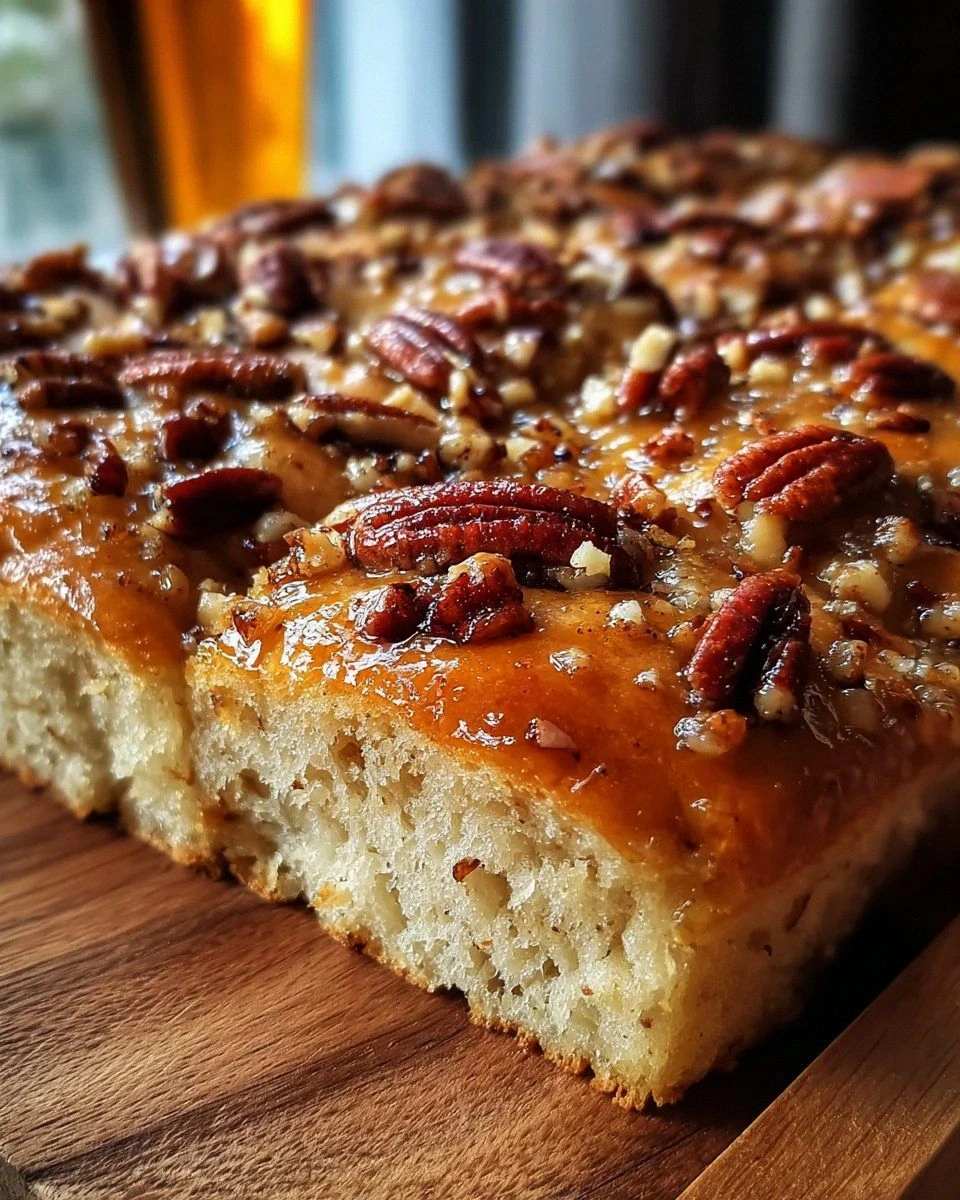
It all started on a rainy Saturday when I was rummaging through the back of the pantry, desperately searching for a way to salvage the stale, half‑baked flatbread that had been left over from a family gathering. I tossed a handful of flour, a splash of yogurt, and a pinch of cumin into a mixing bowl, and with a dash of curiosity, I decided to give it a quick fry. The result? A golden, airy pocket that crackled with a crisp edge and a soft, fragrant interior that made my kitchen smell like a summer market in Delhi. I was immediately hooked, and I knew I had stumbled upon a recipe that would change the way I think about frybread.
Picture this: a pan sizzles as the dough hits the hot oil, the aroma of cumin and coriander dancing in the air, the sound of a bubbling pan like distant drums. The first bite is a revelation—light, airy, with a subtle kick of chili that lingers just long enough to tease the palate. The texture is a marvel: the exterior shatters like thin ice, revealing a fluffy center that melts in your mouth. I dare you to taste this and not go back for seconds; the moment you do, you’ll understand why I’m practically a frybread evangelist.
Most frybread recipes I’ve seen are either too greasy or too dense, but this version balances everything with precision. The secret lies in the yogurt‑lemon base that keeps the dough moist without making it heavy, and the gentle heat of the oil that creates a crisp, caramelized crust. I’ll be honest—when I first tried it, I ate half the batch before anyone else even had a chance. That’s a confession, but also a testament to how irresistible it is. If you’ve ever struggled to get a frybread that’s both fluffy and crunchy, you’re not alone—this is the fix.
So, grab your apron, and let me walk you through every single step. By the end, you’ll wonder how you ever made it any other way. I’ll share the technique that turns ordinary flour into a cloud of flavor, the exact timing that guarantees a golden finish, and a handful of kitchen hacks that will save you time and frustration. This isn’t just another recipe; it’s a culinary revelation that will elevate your snack game to new heights.
What Makes This Version Stand Out
- Texture: The dough achieves a delicate, airy interior while the exterior crisps to a satisfying crunch, a balance that most frybread recipes miss.
- Flavor: A subtle blend of cumin, coriander, and chili gives it an unmistakable Indian twist, turning simple bread into an aromatic adventure.
- Speed: Prep takes only 15 minutes, and the whole process is done in 45 minutes—perfect for a quick dinner or a midnight snack.
- Versatility: Serve it with a mint yogurt dip, a spicy chutney, or even stuffed with paneer and veggies for a hearty meal.
- Make‑ahead Friendly: The dough can be prepared up to 24 hours in advance; just refrigerate and fry fresh when you’re ready.
- Healthy Twist: Using yogurt reduces the need for heavy fats, while the spices add antioxidants without extra calories.
Inside the Ingredient List
The Flavor Base
At the heart of this frybread is a yogurt‑lemon mixture that not only adds moisture but also a tangy brightness that cuts through the richness of the fried dough. Yogurt introduces lactic acid, which tenderizes the gluten and creates a lighter crumb. The lemon juice balances the yogurt’s acidity, giving the bread a subtle citrus lift that complements the spices. If you skip this step, the dough will feel dense and heavy, lacking the airy quality that defines this recipe.
The Texture Crew
All-purpose flour is the foundation, providing the necessary structure while remaining forgiving. Baking powder, a teaspoon, is the secret leavening agent that produces the puffed interior without the need for yeast. A pinch of salt enhances every flavor, while the vegetable oil keeps the dough moist during frying. The warm water brings the batter together, and the oil’s temperature is critical—too low and the bread will absorb too much oil; too high and it will burn before crisping.
The Unexpected Star
Ground cumin and coriander bring a warm, nutty aroma that elevates the frybread from ordinary to unforgettable. These spices also carry anti‑inflammatory properties, adding a healthful twist to a typically indulgent dish. A touch of chili powder injects heat, but feel free to adjust the level to your taste. If you’re a spice novice, start with a quarter teaspoon and build up.
The Final Flourish
Fresh cilantro or a sprinkle of lemon zest can be added after frying for a burst of brightness. A side of mint yogurt dip or a spicy tamarind chutney makes this bread a complete meal. These final touches transform a simple snack into a feast for the senses. Remember, the goal is to keep the core recipe simple while allowing room for creative additions.
Everything’s prepped? Good. Let’s get into the real action.

The Method — Step by Step
- In a large bowl, whisk together the warm water, yogurt, and lemon juice until the mixture is smooth. The liquid base should feel slightly thick, like a light custard, which ensures the dough won’t be too runny. This step is crucial because a well‑mixed liquid base helps the spices distribute evenly throughout the batter.
- Sift the flour, baking powder, and salt into the bowl. Sifting removes lumps and aerates the flour, giving the frybread that airy texture. Add the cumin, coriander, and chili powder, then stir until the dry ingredients are fully incorporated. A good mix here means a consistent flavor in every bite.
- Fold in the vegetable oil with a wooden spoon, then gently stir until the dough comes together. The dough should be soft but not sticky; if it feels too dry, add a tablespoon of water. This is the moment where the dough starts to feel like a pliable, slightly elastic ball.
- Let the dough rest for 10 minutes covered with a damp cloth. Resting allows the gluten to relax, preventing the bread from being chewy. It also lets the spices settle, so you get a harmonious flavor profile.
- Heat a non‑stick skillet over medium‑high heat and add enough oil to coat the bottom. The oil should shimmer but not smoke. Test the temperature by dropping a small drop of dough; if it sizzles immediately, the oil is ready.
- Using a tablespoon, drop portions of the dough into the hot oil, spacing them about 2 inches apart. As the dough hits the oil, it should start to puff up and develop a golden crust. Watch closely—this is the moment of truth; don’t let them spread too thin.
- Let each frybread cook for 2–3 minutes on the first side until bubbles form on the surface and the edges start pulling away. Flip carefully with a slotted spatula, then cook for another 2 minutes on the other side. The result should be a crisp exterior and a fluffy interior.
- Remove the frybread from the skillet and place on a paper towel to drain excess oil. While hot, sprinkle a pinch of salt or a squeeze of lemon juice for extra brightness. Repeat with the remaining dough, keeping the fried pieces warm in a low oven (200°F) if necessary.
- Serve immediately, either plain or with a side of mint yogurt dip, spicy chutney, or a drizzle of honey for a sweet contrast. The best experience is when you bite into the crisp, then feel the soft, spiced interior unfold.
- If you’re feeling adventurous, fill the pockets with paneer, sautéed vegetables, or shredded chicken for a hearty meal. The dough’s neutral flavor makes it a perfect canvas for any filling.
That’s it— you did it. But hold on, I’ve got a few more tricks that will take this to another level.
Insider Tricks for Flawless Results
The Temperature Rule Nobody Follows
Many cooks guess the oil temperature, but using a thermometer ensures consistency. Aim for 350°F; a quick test is to drop a small piece of dough and watch it bubble and rise to the surface. If the oil is too hot, the bread will burn on the outside before the inside cooks. If it’s too cool, the bread will absorb oil and become soggy. I’ve seen this happen to my friends, and it’s a recipe kill‑switch.
Why Your Nose Knows Best
Before flipping, listen for the sound of the crust forming—there’s a gentle crackle that signals the right time. If you’re unsure, give it an extra minute; the aroma of toasted spices will fill the kitchen. Trusting your senses is the fastest way to avoid overcooking or undercooking.
The 5-Minute Rest That Changes Everything
After frying, let the bread rest for five minutes on a wire rack. This allows steam to escape and prevents the interior from becoming gummy. It also gives the spices a chance to settle, enhancing the flavor profile. A quick 5‑minute rest is a game‑changer for texture.
Use Fresh Herbs, Not Dried
Fresh cilantro or mint adds a bright, herbal note that dried herbs can’t match. Sprinkle them over the warm bread to release essential oils. A handful of fresh herbs can transform a simple frybread into a gourmet experience.
Keep the Oil Clean
After frying, strain the oil through a fine mesh sieve and store it in a sealed container. Reusing oil is cost‑effective, but only if it’s free from food particles. This practice keeps your kitchen clean and your frybread tasting pristine.
Creative Twists and Variations
This recipe is a playground. Here are some of my favorite ways to switch things up:
Sweet Honey Drizzle
Drizzle a thin layer of honey over the hot frybread for a caramelized sweetness that pairs wonderfully with the subtle spices. The honey’s floral notes complement the cumin and coriander, creating a balanced flavor profile.
Cheese Stuffed Delight
Fill each pocket with shredded mozzarella or paneer before frying. The cheese melts inside, creating a gooey, savory center that’s perfect for a snack or a light dinner.
Veggie Packed Variation
Add finely chopped bell peppers, onions, and spinach to the dough before frying. The vegetables release moisture, adding a subtle crunch and a burst of color. This version is great for vegetarians looking for a protein boost.
Spicy Tamarind Chutney
Serve the frybread with a tangy tamarind chutney that adds a sour kick. The chutney’s complexity brings depth, making each bite a new experience.
Herb Infused Oil
Infuse the frying oil with fresh rosemary or thyme before cooking. The herbs seep into the bread, giving it an aromatic twist that elevates the overall taste.
Breakfast Edition
Top the frybread with a fried egg, a sprinkle of chaat masala, and a drizzle of hot sauce. This breakfast version turns the dish into a hearty, flavorful start to your day.
Storing and Bringing It Back to Life
Fridge Storage
Store cooked frybread in an airtight container in the refrigerator for up to 3 days. When you’re ready to eat, reheat in a skillet over medium heat until hot and crisp. The bread will keep its texture if you avoid microwaving, which tends to make it soggy.
Freezer Friendly
Freeze individual frybread pieces in a single layer on a parchment‑lined tray. Once frozen, transfer them to a freezer bag. They’ll last up to 2 months. Reheat in a preheated oven at 350°F for 10 minutes or until hot and crisp.
Best Reheating Method
For the best results, add a splash of water to the skillet before reheating. The steam will revive the interior, while the hot oil restores the crispy exterior. This trick ensures your bread tastes almost brand‑new.