I was standing in my kitchen, staring at a pot of overcooked pasta that had turned into a rubbery, sad mess, when my friend texted: “Try something new tonight.” I swiped through endless recipes until I found a humble dish that promised to turn ordinary ingredients into a protein-packed delight. That moment was the spark that ignited this journey into the world of creamy roasted red pepper pasta, a dish that is both comforting and unapologetically bold. The aroma of roasted peppers wafting through the air, the click of garlic cloves being minced, the hiss of olive oil meeting the pan—every sensory detail was a reminder that cooking is as much about feeling as it is about flavor.
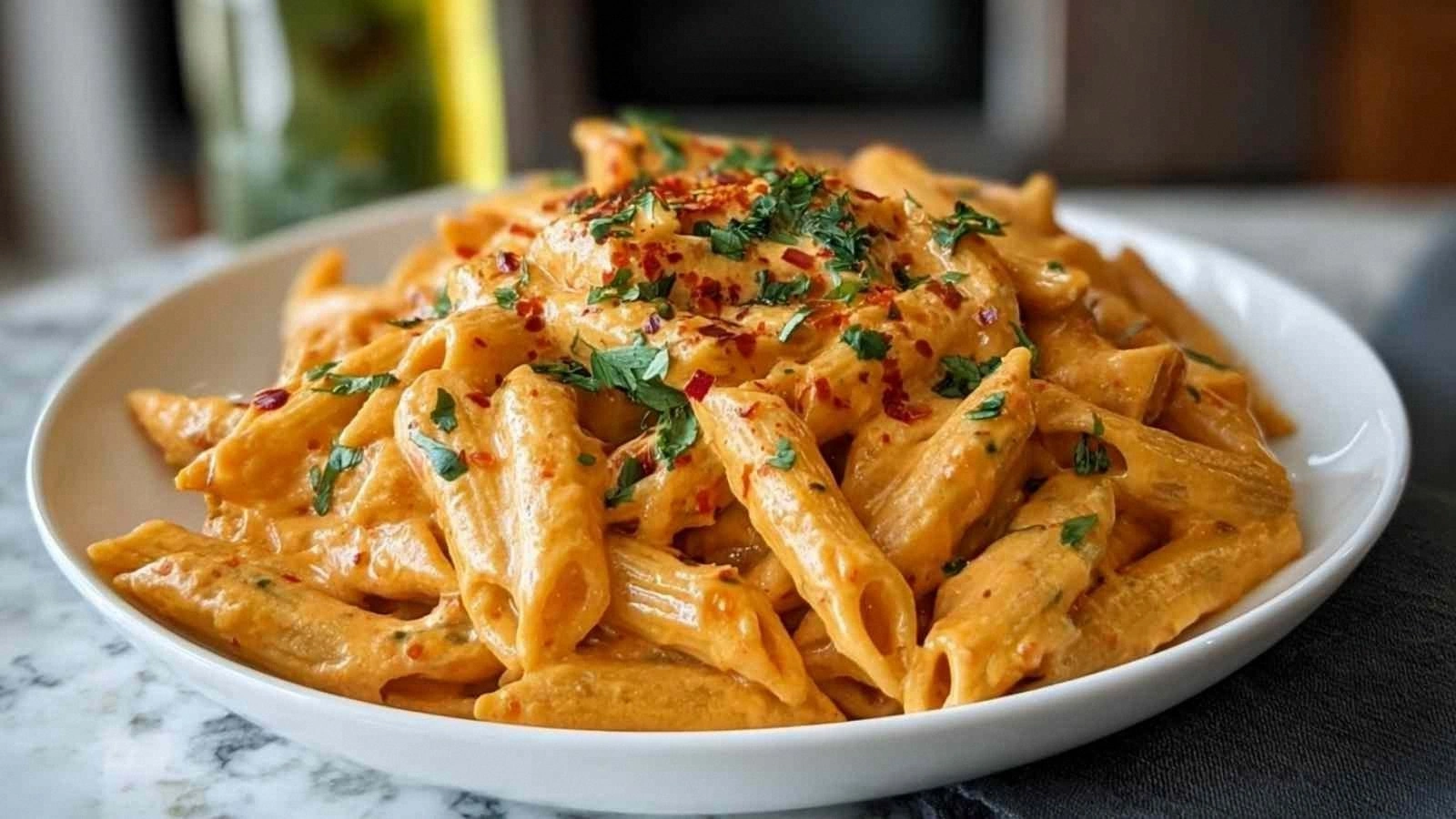
Imagine the first bite: the sauce clings to each strand of pasta like velvet, the heat from the chili flakes lingers on the tongue, and the fresh parsley gives a bright, almost citrusy lift that cuts through the richness. The dish is a paradox of indulgence and nutrition, a protein-packed comfort that doesn’t compromise on taste. I dare you to taste this and not go back for seconds; the sheer depth of flavor will have you craving more. I’ll be honest—after the first spoonful, I almost hid the rest of the pot from anyone who’d dare to taste it.
What sets this version apart is not just the ingredients but the way they dance together. The roasted red peppers are not just a garnish; they’re the backbone of the sauce, delivering sweetness that balances the sharpness of garlic and the heat of chili flakes. The cottage cheese adds a creamy texture without the heaviness of cream, keeping the dish light yet satisfying. The method of roasting the peppers in the oven before blending gives them a smoky undertone that elevates the entire dish. Picture yourself pulling this out of the oven, the whole kitchen smelling incredible, and knowing you’re about to experience a flavor explosion that will make every bite a moment of pure bliss.
Okay, ready for the game‑changer? This is hands down the best version you’ll ever make at home. I’ve refined the technique to ensure the sauce is silky, the pasta is al dente, and every component sings in harmony. Stay with me here—this is worth it. By the end of this guide, you’ll wonder how you ever made it any other way. Let me walk you through every single step, and I promise you’ll see why this recipe is a new favorite in my kitchen.
What Makes This Version Stand Out
- Flavor Depth: The roasted peppers bring a natural sweetness that cuts through the creaminess, creating a balanced palate that is both comforting and exciting.
- Protein Power: Cottage cheese and Parmesan provide a protein boost, turning this dish into a meal that satisfies without compromising on nutrition.
- Texture Play: The sauce coats the pasta like velvet, while the slight crunch of roasted pepper skins adds a subtle contrast.
- Simple Prep: Every ingredient is ready to go in under 15 minutes, making this a go‑to dish for busy evenings.
- Versatility: The base can be tweaked for vegans, gluten‑free, or low‑carb diners with simple swaps.
- Make‑Ahead Friendly: The sauce keeps well for up to 3 days, making it perfect for meal prep.
- Crowd‑Pleaser: Even the pickiest eaters love the creamy texture and the punch of roasted flavor.
- Ingredient Quality: Using fresh, high‑quality ingredients elevates the dish from ordinary to extraordinary.
Alright, let's break down exactly what goes into this masterpiece. The next section will dive into each ingredient’s role and why you shouldn’t skip any of them.
Inside the Ingredient List
The Flavor Base
Roasted red peppers are the heart of this sauce. Their natural sweetness balances the sharpness of garlic and the heat of chili flakes, creating a harmonious flavor profile. If you skip them, the sauce will feel flat and lack the depth that makes this dish memorable. You can substitute sun‑dried tomatoes for a tangier twist, but the smoky note will be missing.
Garlic is the aromatic backbone that brings warmth and complexity. Mince it finely to release its essential oils without overpowering the pepper’s sweetness. A common mistake is to overcook garlic, which turns it bitter; keep an eye on it and remove it from heat as soon as it turns golden.
Onion adds a subtle sweetness and body. Sauté it until translucent, and you’ll notice the sugars caramelize, adding a mellow depth that complements the roasted pepper. If you prefer a milder flavor, use a small amount of leeks instead; they offer a delicate, almost floral note.
Olive oil is the medium that binds everything together. It carries the flavors and helps emulsify the sauce. Use a good extra‑virgin olive oil for the best aroma, but if you’re on a budget, a lighter olive oil will still work without compromising taste.
The Texture Crew
Cottage cheese is the creamy element that replaces heavy cream, keeping the dish light yet rich. It also adds a subtle tang that brightens the sauce. If you’re lactose intolerant, Greek yogurt can be a suitable substitute, offering a similar texture with a probiotic boost.
Parmesan cheese provides a salty, nutty flavor and a slight melt that thickens the sauce. Grate it finely so it dissolves quickly. For a sharper taste, try adding a tablespoon of Pecorino Romano, but be mindful of the salt content.
Chili flakes introduce a gentle heat that lingers on the palate. They’re essential for that “just enough spice” balance. If you love heat, double the amount, or use fresh red pepper flakes for a more pronounced kick.
Fresh parsley is the finishing touch, adding brightness and a touch of herbaceous freshness. Chop it finely and sprinkle it on top before serving. It also adds a pop of color, making the dish visually appealing.
The Unexpected Star
The reserved pasta water is the secret to achieving the perfect consistency. It contains starch that helps bind the sauce to the pasta, creating a silky coating. Without it, the sauce can separate or feel too thick. Save a cup of pasta water before draining for this purpose.
Salt and black pepper are the final seasoning that brings everything together. They’re crucial for balancing the flavors; don’t shy away from seasoning the sauce as it simmers. Taste frequently and adjust to your preference.
The Final Flourish
The pasta itself is the canvas that takes on the sauce’s flavors. Choose a shape that holds sauce well—fusilli, penne, or rigatoni work best. Cook it al dente to maintain texture and prevent it from becoming mushy when mixed with the sauce.
The combination of all these ingredients creates a dish that is both comforting and sophisticated. Each component plays a vital role, and together they form a symphony of flavors that will leave you craving more.
Everything's prepped? Good. Let's get into the real action.
The Method — Step by Step
- Start the pasta: Bring a large pot of salted water to a boil. Add 12 ounces of pasta and cook until just shy of al dente, about 7-8 minutes. Reserve a cup of pasta water before draining. The timing is crucial; overcooked pasta will collapse under the sauce.
- Roast the peppers: While the pasta cooks, place the roasted red peppers in a single layer on a baking sheet. Roast at 400°F for 15 minutes, turning once, until the skins blister. This step brings out a smoky sweetness that no stovetop can match.
- Sauté aromatics: In a large skillet, heat 2 tablespoons of olive oil over medium heat. Add 1 diced onion and 3 minced garlic cloves. Sauté until the onion turns translucent and the garlic is fragrant, about 3-4 minutes. Watch the garlic closely; it should not brown or burn.
- Blend the sauce: Transfer the roasted peppers to a blender. Add 1 cup of cottage cheese, 1/2 cup of Parmesan, 1/2 teaspoon of chili flakes, and a pinch of salt. Pulse until smooth, then pour the mixture back into the skillet. The sauce should be silky and pourable.
- Simmer the sauce: Reduce heat to low and let the sauce simmer for 5 minutes, allowing the flavors to meld. Stir occasionally to prevent sticking. The sauce should thicken slightly, indicating it’s ready.
- Combine pasta and sauce: Add the drained pasta to the skillet with the sauce. Toss gently to coat each strand. If the sauce seems too thick, add a splash of the reserved pasta water to reach your desired consistency. The pasta should feel coated and glossy.
- Finish with herbs: Sprinkle 1/4 cup of chopped fresh parsley over the pasta. Toss again to distribute the herbs evenly. The parsley adds a bright, herbal note that lifts the dish.
- Serve immediately: Plate the pasta while hot. Optionally, add a drizzle of olive oil or a sprinkle of extra Parmesan for a finishing touch. The dish is best enjoyed fresh, but it can be reheated without losing its silky texture.
That's it — you did it. But hold on, I've got a few more tricks that'll take this to another level.
Insider Tricks for Flawless Results
The Temperature Rule Nobody Follows
Maintaining a low simmer after adding the sauce is key. High heat can cause the cottage cheese to curdle, breaking the emulsion. Keep the heat low, and let the flavors marry over 5 minutes. A gentle simmer ensures the sauce stays silky and cohesive.
Why Your Nose Knows Best
The aroma of garlic sizzling in oil is a clear indicator of timing. When the garlic turns golden and releases its oils, you’re ready to add the onions. Over‑sautéing garlic will produce a bitter scent, signaling that it’s time to remove the pan from heat.
The 5‑Minute Rest That Changes Everything
Letting the pasta rest for 2 minutes after draining helps the starches settle. This rest period ensures the pasta will absorb the sauce better, creating a more cohesive dish. Don’t skip this step; it’s the difference between a soggy and a silky finish.
Keep It Fresh With a Splash
If the sauce thickens too much after the pasta has cooled, add a splash of cold pasta water. The cold liquid helps re‑emulsify the sauce without overheating it. This trick keeps the sauce glossy and prevents it from drying out.
Season, Taste, Repeat
Season the sauce in stages: first, before adding the cottage cheese; second, after the sauce has simmered; and third, after combining with pasta. This layered seasoning approach ensures each component is balanced. A single seasoning step can leave the dish flat.
Finish With a Drizzle
A final drizzle of high‑quality extra‑virgin olive oil before serving adds a subtle sheen and a burst of flavor. The oil also helps the sauce cling to the pasta, creating a richer mouthfeel. Use a small amount; too much can overpower the delicate flavors.
Creative Twists and Variations
This recipe is a playground. Here are some of my favorite ways to switch things up:
Spicy Mexican Fusion
Swap the roasted red peppers for roasted poblano peppers and add a teaspoon of cumin. Toss in black beans for protein. Finish with a dollop of sour cream and a sprinkle of cilantro. This version brings a smoky, earthy flavor that pairs beautifully with the creamy sauce.
Garden Fresh Veggie Boost
Add sautéed zucchini, cherry tomatoes, and spinach to the skillet before combining with pasta. The veggies add color, crunch, and nutrition. This variation transforms the dish into a hearty, low‑fat meal perfect for vegetarians.
Chicken Parmesan Twist
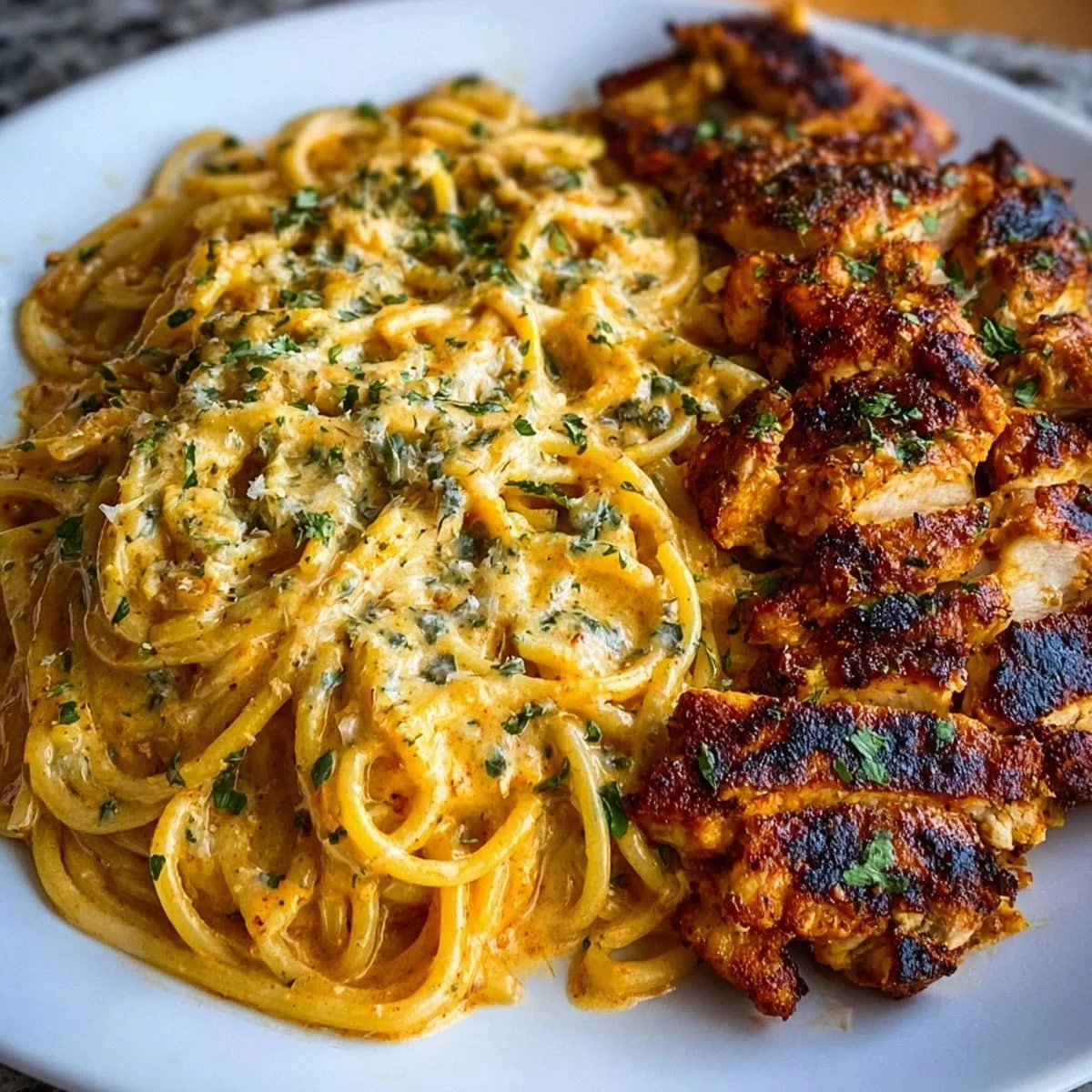
Top the pasta with grilled chicken strips and a drizzle of marinara sauce. Sprinkle extra Parmesan and breadcrumbs, then bake for 5 minutes to create a crispy topping. The chicken adds protein while the breadcrumbs provide a satisfying crunch.
Gluten‑Free Delight
Use a gluten‑free pasta like rice or quinoa. The texture changes slightly but still holds the sauce well. Add a pinch of turmeric for a subtle golden hue and a hint of earthiness.
Low‑Carb Option
Swap the pasta for spiralized zucchini or spaghetti squash. The dish becomes low in carbs but still feels like comfort food. Add extra herbs for flavor, and you’ll have a guilt‑free dinner that satisfies.
Vegan Creamy Variation
Replace cottage cheese with silken tofu and use a dairy‑free Parmesan alternative. The tofu provides a creamy texture without dairy. Finish with nutritional yeast for a cheesy, umami boost.
Storing and Bringing It Back to Life
Fridge Storage
Store the dish in an airtight container for up to 3 days. Keep the sauce separate if possible to prevent the pasta from becoming soggy. When ready to eat, reheat gently on the stove with a splash of water to restore moisture.
Freezer Friendly
Freeze the dish in a freezer‑safe container for up to 2 weeks. Thaw overnight in the refrigerator, then reheat on the stove with a bit of milk or broth to revive the sauce. The texture remains silky if reheated properly.
Best Reheating Method
Reheat the pasta and sauce over low heat, stirring frequently. Add a small splash of water or broth to keep it from drying out. Finish with a sprinkle of fresh parsley for a bright, fresh finish.
With these storage tips, you can enjoy this creamy, protein‑packed pasta anytime, whether you’re cooking for a busy weeknight or a cozy weekend dinner. The dish’s versatility and flavor make it a staple in any kitchen.