
Picture this: I’m standing in my kitchen, the fridge open like a treasure chest, and a friend drops a challenge on my plate—“Make the best keto soup that won’t make you feel like you’re eating a salad.” My brain went into overdrive, and I pulled out a stack of recipes that promised “low carb” but delivered nothing more than a watery, flavorless broth. I stared at the pot, the onions, the cauliflower, and I thought, “This is where the magic happens.” I’m talking about a soup that feels like a hug, a hearty, creamy, savory masterpiece that makes you reach for seconds even though you know it’s keto‑friendly. I dare you to taste this and not go back for a second serving.
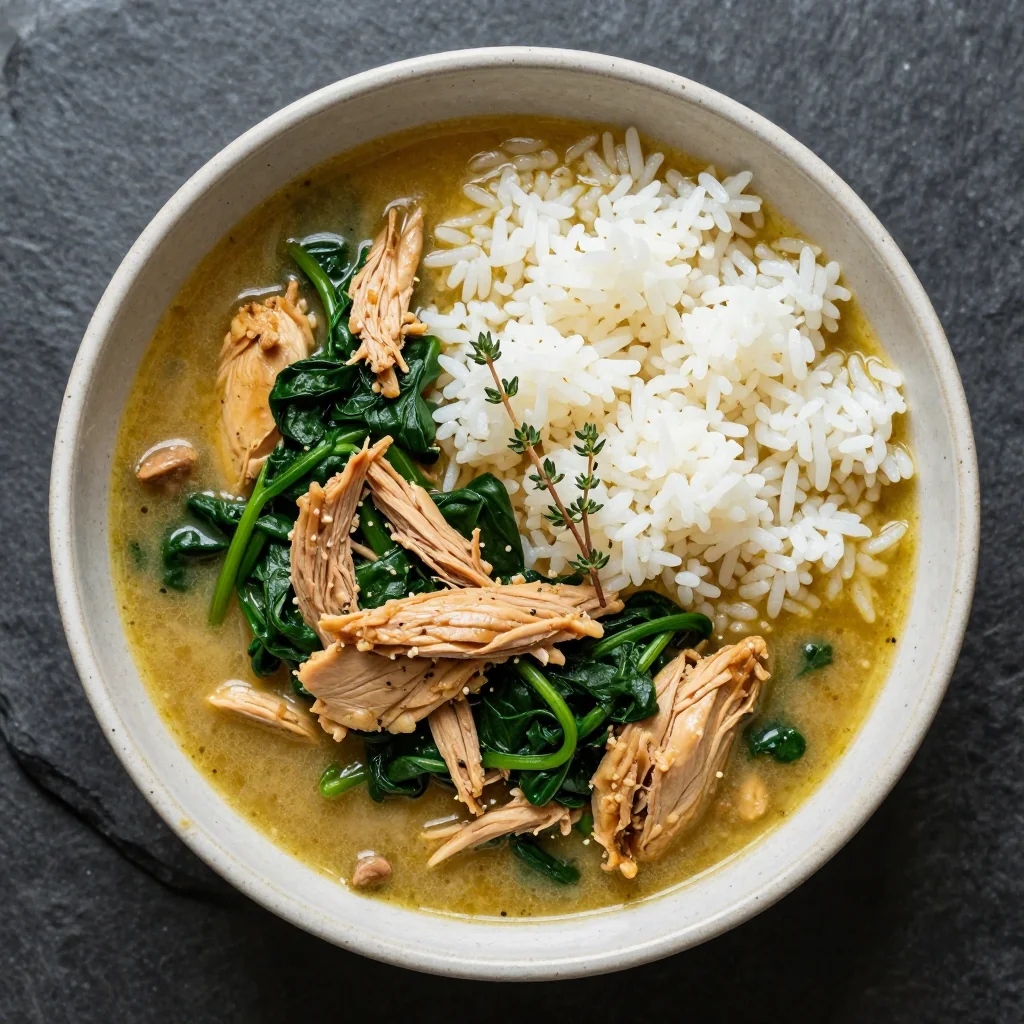
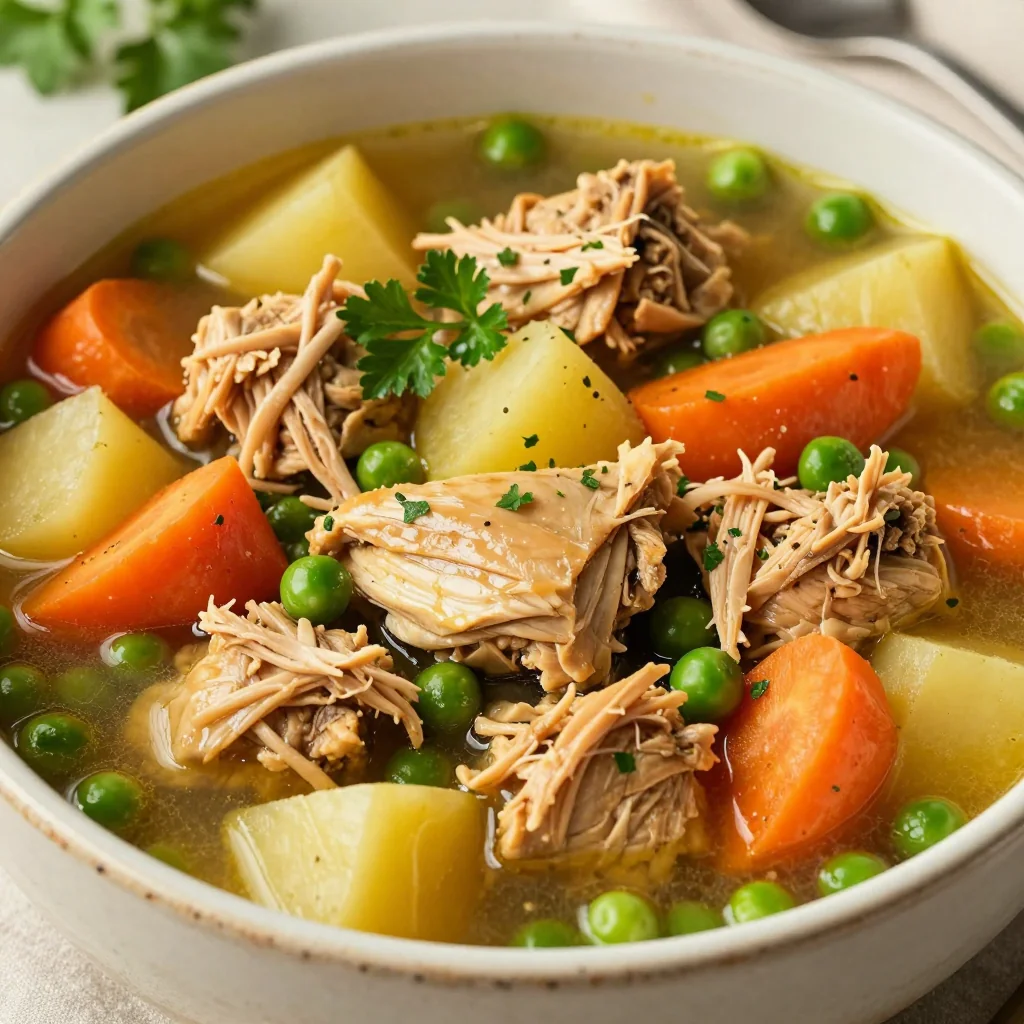
The first thing that hits you is the aroma—a rich, buttery scent that wafts from the olive oil sizzling with onions, garlic, and the faintest hint of thyme. The sound of the sautéing vegetables is a comforting crackle, like a campfire in a kitchen. When you lift the ladle, the steam rises in a cloud of fragrant promise, and the color is a deep, inviting amber that says, “This is good.” The texture is silky, with cauliflower florets breaking apart into soft, cloud‑like bits, and the chicken pieces are tender, juicy, and perfectly browned. Every spoonful is a symphony of flavors that dance on your tongue, from the subtle earthiness of cauliflower to the sharp bite of fresh parsley. I’ll be honest—once I tasted the first bowl, I was halfway through the entire pot before anyone else could even see the spoon.
What makes this version stand out is not just the ingredients but the technique. I’ve spent years tweaking keto recipes, and this one is hands down the best version you'll ever make at home. It balances the richness of heavy cream with the bright, fresh notes of thyme and parsley, avoiding the cloying heaviness that often plagues keto soups. The chicken thighs, not breasts, give the dish a depth of flavor that’s hard to replicate, and the cauliflower acts as a low‑carb, fiber‑rich base that melts into a velvety consistency without the need for a blender. The secret lies in the slow simmer that allows the flavors to meld, creating a soup that is both comforting and sophisticated. Most recipes get this completely wrong—here’s what actually works: a gentle simmer, a touch of cream, and a generous handful of fresh herbs at the end.
And there’s a twist that most people don’t think to add: a splash of heavy cream right before serving. That final splash coats the soup like velvet, giving it a silky mouthfeel that feels indulgent without breaking your keto rules. Picture yourself pulling this out of the pot, the whole kitchen smelling incredible, and serving it in a bowl that’s as beautiful as it is delicious. I’m about to walk you through every single step, from the first sizzle to the last sprinkle of parsley. By the end, you’ll wonder how you ever made it any other way.
What Makes This Version Stand Out
The secret sauce of this soup is a combination of carefully chosen ingredients and precise cooking techniques that elevate every bite.
- Flavor: The use of olive oil as a base creates a rich, savory foundation that carries the thyme and garlic beautifully. The chicken thighs add a meaty depth that is missing in many low‑carb soups.
- Texture: Cauliflower transforms into a creamy, cloud‑like consistency that mimics the mouthfeel of a cream‑based soup without the carbs. The celery provides a subtle crunch that balances the softness.
- Ingredient Quality: Fresh, high‑quality ingredients make a noticeable difference. Organic, pasture‑raised chicken and locally sourced veggies elevate the overall experience.
- Make‑Ahead Potential: This soup can be cooked in bulk and reheated without losing its silky texture. It’s perfect for meal prep or a quick weekday dinner.
- Crowd Reaction: Friends who are skeptical of keto dishes rave about the richness and flavor, often asking for the recipe after the first bowl.
- Simplicity: With only a handful of ingredients and a straightforward method, this soup is accessible for any cooking level.
- Uniqueness: The addition of a final splash of heavy cream and fresh parsley gives it a finishing touch that sets it apart from standard keto soups.
- Health Balance: The recipe hits the sweet spot of protein, healthy fats, and low carbs, making it a balanced meal for keto enthusiasts.
Alright, let’s break down exactly what goes into this masterpiece…
Inside the Ingredient List
Let’s dive into each component that makes this soup a triumph of taste and texture. Think of this as a backstage pass to the flavor studio.
The Flavor Base
Olive oil is the unsung hero that carries the aromatics. It’s not just a cooking fat; it’s a flavor conduit that lets the onion, garlic, and thyme mingle. If you’re on a strict keto budget, you can swap olive oil for avocado oil—just keep the flavor profile the same. Skipping this step will leave your soup tasting flat and lifeless.
Onions bring a natural sweetness that caramelizes when cooked just right. They’re the backbone of any soup. If you’re allergic or just don’t like onions, try using a small amount of onion powder. It won’t give you that same depth, but it will keep the soup from feeling too thin.
Garlic is the flavor punch that keeps the soup from being bland. It adds a subtle heat and depth. If you can’t handle raw garlic, roast it first to mellow the sharpness. A pinch of salt is essential to bring all the flavors together.
The Texture Crew
Cauliflower is the star of the show, acting as a low‑carb, fiber‑rich thickener that turns into a silky base. It’s also a great source of vitamins C and K, making this soup both tasty and nutritious. If you can’t find cauliflower, try using zucchini, but be aware it will change the flavor slightly.
Celery adds a crisp bite and a subtle bitterness that balances the richness of the cream. It also gives the soup a bit of visual interest with its green spears. If you don’t have celery, a small amount of chopped green bell pepper can mimic the crunch.
The Unexpected Star
Chicken thighs are chosen for their higher fat content and richer flavor compared to breasts. They keep the soup moist and add a depth of umami that’s hard to replicate. If you’re vegan or vegetarian, substitute with a hearty vegetable stock and a protein source like tempeh.
Heavy cream is the luxurious finishing touch that gives the soup its silky texture and indulgent mouthfeel. It also balances the acidity of the thyme. If you’re on a stricter low‑fat keto plan, you can use half-and-half or a coconut milk alternative, but the texture will shift slightly.
The Final Flourish
Fresh parsley is the bright, herbal finale that lifts the entire dish. It adds a pop of color and a clean finish that cuts through the richness. If you don’t have parsley, a handful of chopped cilantro can work, but the flavor will be more citrusy.
Everything’s prepped? Good. Let’s get into the real action…

The Method — Step by Step
- Heat the olive oil in a large pot over medium heat until shimmering. Add the diced onion and sauté until translucent, about 4–5 minutes. This is the moment of truth—watch the onions soften, they should look like glassy pearls. The aroma should be sweet and inviting.
- Add the minced garlic and cook for 1 minute until fragrant, being careful not to burn it. The garlic should turn a golden amber, not a dark brown. This step is crucial; burnt garlic will ruin the entire flavor profile.
- Season the chicken thighs with salt, pepper, and thyme. Place them in the pot, skin side down, and sear for 3–4 minutes until golden. Flip and sear the other side for another 3 minutes. The skin will develop a crispy edge that shatters like thin ice when you bite.
- Remove the chicken and set aside. In the same pot, add the cauliflower florets and celery. Stir for 2 minutes, allowing them to mingle with the aromatics. The vegetables should start to soften slightly.
- Pour in the chicken broth, bring the mixture to a gentle boil, then reduce to a simmer. Return the chicken thighs to the pot, cover, and let it cook for 20 minutes. The broth should develop a deep amber color, and the chicken should be tender.
- Remove the chicken again, shred it finely with two forks, and set aside. Use a handheld immersion blender to partially puree the soup until it reaches a silky consistency—no need to blend everything, just enough to coat the cauliflower.
- Return the shredded chicken to the pot. Stir in the heavy cream, then let the soup simmer for another 5 minutes. The cream will coat the surface, creating a glossy, velvety texture.
- Just before serving, sprinkle the fresh parsley over the top. The parsley adds a bright, herbal finish that lifts the richness. Taste and adjust seasoning if needed—remember, the soup should be savory, not salty.
That's it—you did it. But hold on, I've got a few more tricks that'll take this to another level…
Insider Tricks for Flawless Results
The Temperature Rule Nobody Follows
Most people keep the heat too high, which causes the broth to evaporate too quickly and the chicken to dry out. Keep the simmer low and steady; the soup should bubble gently. A low simmer also allows the flavors to meld slowly, creating a depth that a quick boil can’t achieve. I once tried a high heat, and the result was a watery, under‑seasoned soup that left everyone asking for more.
Why Your Nose Knows Best
Your sense of smell is the ultimate flavor gauge. If the soup doesn’t smell toasty, the onions aren’t fully caramelized. If it smells flat, it needs more thyme or a pinch of salt. I’ve had friends who rely on taste alone, but the nose can tell you if the soup is ready or still needs a minute.
The 5-Minute Rest That Changes Everything
After you remove the pot from heat, let the soup sit covered for 5 minutes. This rest period allows the flavors to settle and the cream to thicken slightly. It also makes the soup easier to serve because it’s less likely to splash when you ladle it into bowls.
Keep the Broth Thick, Not Thin
If your broth seems too thin, reduce it further before adding the cream. Simmering the broth on low for 10–15 minutes can concentrate the flavors and give you a richer base. Remember, the goal is a soup that’s as thick as a velvety gravy, not a watery soup.
The Final Splash of Cream
Add the heavy cream in small increments, tasting as you go. This technique ensures you don’t overdo it and keep the soup light. A little goes a long way; the goal is to coat the surface without turning it into a heavy, dairy‑laden stew.
Creative Twists and Variations
This recipe is a playground. Here are some of my favorite ways to switch things up:
Smoky Chipotle Variant
Add a teaspoon of chipotle powder or a few slices of smoked paprika during the sauté stage. The smoky undertones pair beautifully with the creamy base, creating a bold, spicy flavor that’s sure to impress.
Herb Garden Edition
Swap thyme for a mix of rosemary and sage. The earthy herbs give the soup a Mediterranean vibe. Finish with a drizzle of extra virgin olive oil for a glossy sheen.
Mushroom Medley
Incorporate sliced cremini or shiitake mushrooms during the sauté. Their umami depth complements the chicken and adds a satisfying bite. Just make sure to deglaze the pan with a splash of broth to keep the flavors from sticking.
Cauliflower Curry
Add a tablespoon of curry powder and a pinch of garam masala to the onions. The warm spices give the soup a vibrant, exotic flavor that pairs wonderfully with the cream.
Lemon‑Zest Finish
Finish with a squeeze of fresh lemon juice and a sprinkle of zest. The citrus brightens the richness and adds a refreshing contrast that lifts the entire dish.
Storing and Bringing It Back to Life
Fridge Storage
Cool the soup to room temperature before transferring it to an airtight container. Store in the fridge for up to 3 days. The cream may separate slightly, but a quick stir will restore its silky texture.
Freezer Friendly
For longer storage, divide the soup into single‑serving portions and freeze. It will keep for up to 3 months. Thaw overnight in the fridge before reheating.
Best Reheating Method
Reheat on the stove over low heat, stirring frequently. Add a tiny splash of water or broth before reheating; this steams the soup back to perfection and keeps the cream from separating.