
Picture this: a Saturday night, the grill already smoking, a handful of friends hovering around, and me standing in the middle of it all, a rogue chicken thigh in my hand. The plan? A quick, crowd‑pleasing dish that would make the evening unforgettable. Instead, I pulled a thigh that was dry, flavorless, and a total disaster. The moment my taste buds screamed for something vibrant, I was on a mission to find the ultimate grilled lemon herb chicken thigh. And after countless experiments, a few midnight kitchen mishaps, and a daring dash of fresh herbs, I discovered a version that is not only mouth‑watering but practically a culinary revelation. This recipe will become the go-to for every grill‑loving household. I’m not kidding—if you taste it, you’ll want seconds, thirds, and maybe a whole new recipe book. The secret? A perfect balance of citrus brightness, herbal depth, and a subtle smoky char that’s almost a personality in itself.
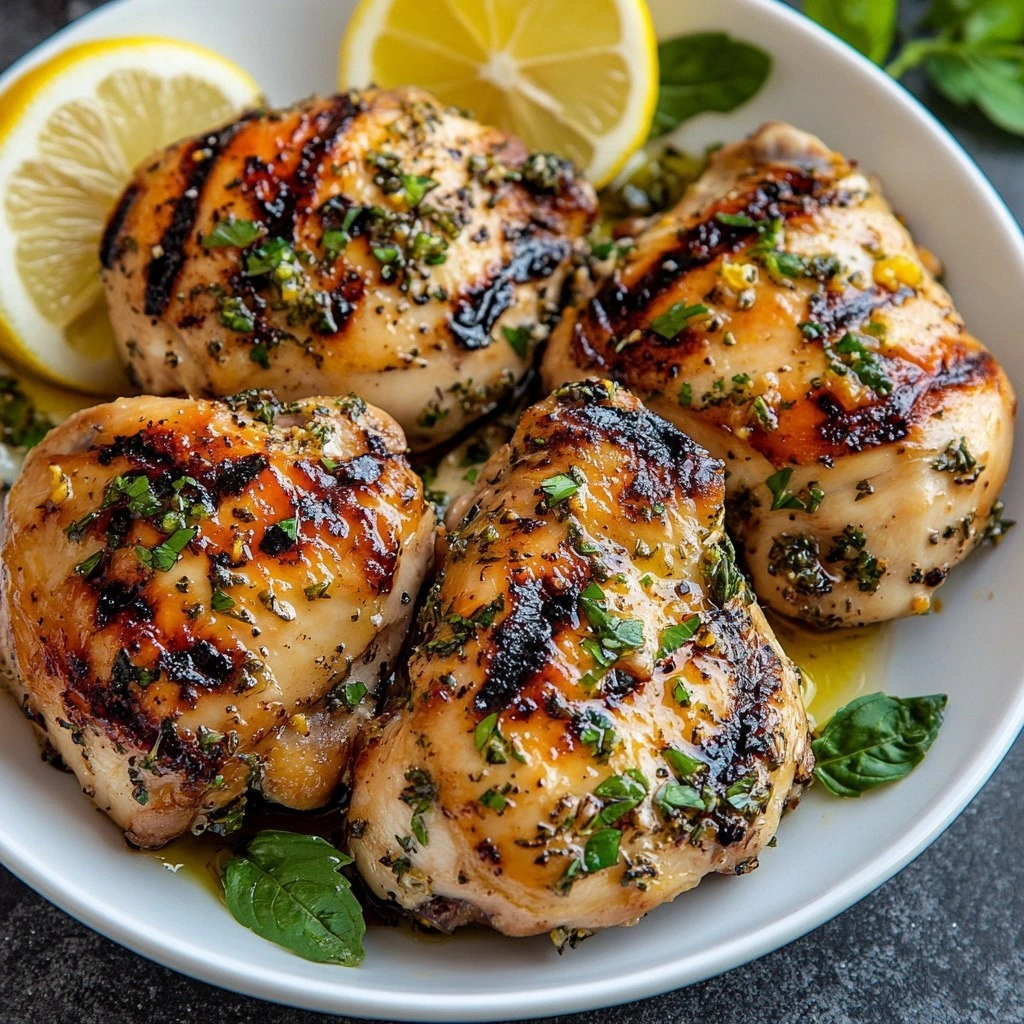
From the first crack of the grill’s heat to the final squeeze of lemon, every element of this dish is designed to dance in harmony. The aroma of fresh rosemary and thyme mingles with the sizzling oil, filling the air with an irresistible scent that makes the kitchen feel like a summer garden. When the chicken hits the grill, you hear that satisfying sizzle—an audible promise that the meat will be juicy and caramelized. The first bite delivers a burst of citrus that cuts through the richness, followed by a lingering herbaceous finish that keeps you reaching for more. The skin, crisped to a golden perfection, crackles like a tiny, savory fireworks display. That sizzle when it hits the pan? Absolute perfection. I dare you to taste this and not go back for seconds.
What sets this version apart from the countless recipes floating around the internet is the meticulous attention to detail. Instead of a generic “season the chicken,” I’ve crafted a blend that elevates every bite. The combination of fresh herbs, a splash of Dijon mustard, and a hint of smoked paprika creates a flavor profile that’s both complex and approachable. The lemon isn’t just a garnish; it’s a key player that brightens the entire dish, making it feel fresh even on a hot summer day. And let’s not forget the simple yet effective technique of marinating the thighs with olive oil and herbs before grilling, which locks in moisture and flavor. This is hands down the best version you'll ever make at home. If you’ve ever struggled with achieving that perfect char while keeping the meat moist, you’re not alone—and I’ve got the fix.
Imagine pulling this out of the grill, the whole kitchen smelling incredible, and the table already buzzing with anticipation. Picture the moment your guests take their first bite and their eyes widen in surprise, followed by a chorus of “wow” and “where did you learn that?” That’s the power of a dish that’s been refined to perfection. Let me walk you through every single step—by the end, you’ll wonder how you ever made it any other way.
What Makes This Version Stand Out
- Flavor: The citrus-herb combo is a game‑changer, delivering a bright, zesty punch that cuts through the richness of the chicken.
- Texture: The skin turns crisp and caramelized, while the inside stays succulent and juicy.
- Ingredient Quality: Fresh, high‑quality herbs and lemons make the difference between a good dish and a great one.
- Method Simplicity: No complicated steps—just marinate, grill, and serve.
- Make‑Ahead Potential: The marination can be done up to 24 hours ahead, making it a perfect prep‑and‑serve option.
- Crowd Reaction: This dish is a guaranteed hit at gatherings, with its vibrant color and irresistible aroma.
- Versatility: Works wonderfully with side dishes ranging from roasted veggies to a simple quinoa salad.
- Time Efficiency: From prep to plate in under an hour, it’s ideal for busy weeknights.
Alright, let’s break down exactly what goes into this masterpiece…
Inside the Ingredient List
The Flavor Base
The foundation of any great dish is the flavor base, and here it’s a symphony of citrus, garlic, and fresh herbs. The lemons provide that bright, acidic lift that keeps the dish from feeling heavy. Garlic adds depth, while rosemary and thyme bring earthy, piney undertones. Oregano injects a hint of Mediterranean warmth. Each component works in harmony to create a complex, yet balanced taste profile. If you skip any of these, you’ll miss the layers that make this dish memorable.
The Texture Crew
The texture crew includes the chicken thighs themselves and the olive oil. Chicken thighs are chosen for their natural fat content, which keeps the meat moist and flavorful even after grilling. Olive oil acts as a carrier for the herbs and lemon, helping the flavors penetrate the meat. Without olive oil, the skin would dry out, and the herbs would cling to the surface rather than infuse the meat. A pinch of smoked paprika is added for a subtle smoky note that complements the grill’s char.
The Unexpected Star
A dash of Dijon mustard might seem out of place, but it’s the secret ingredient that brings a slight tang and helps bind the herbs to the chicken. It also adds a silky texture to the glaze, making each bite feel luxurious. If you’re allergic or simply don’t like mustard, a teaspoon of honey or maple syrup can serve as an alternative, offering a sweet counterpoint to the lemony tang.
The Final Flourish
The final flourish is the fresh herbs and lemon zest sprinkled over the finished dish. This last touch not only enhances visual appeal but also boosts the aroma, making the plate almost irresistible before you even take a bite. The zest adds a burst of citrus oils that elevate the entire dish, while the herbs provide a fresh, green finish that balances the richness.
Everything's prepped? Good. Let's get into the real action…
The Method — Step by Step
- Begin by rinsing the chicken thighs under cold water and patting them dry with paper towels. The drier the surface, the better the sear will form. Next, in a large bowl, combine the olive oil, minced garlic, lemon zest, rosemary, thyme, oregano, smoked paprika, salt, pepper, and Dijon mustard. Stir until the herbs are evenly coated in oil.
- Add the chicken thighs to the bowl, turning them until each piece is fully coated in the herb mixture. Cover the bowl with plastic wrap and refrigerate for at least 30 minutes—ideally 2 hours—to allow the flavors to penetrate. This is the moment of truth. The longer you marinate, the more flavorful the chicken becomes.
- Preheat your grill to medium‑high heat (about 400°F). While the grill is heating, pat the grill grates clean with a paper towel soaked in oil to prevent sticking. A clean grate ensures crisp, even grill marks.
- Place the thighs skin‑side down on the grill. Let them sear for about 4-5 minutes until the skin releases easily and the edges start to pull away. Flip carefully with tongs and grill the other side for 4-5 minutes, then reduce the heat to medium.
- During the last 2 minutes of cooking, squeeze fresh lemon juice over the thighs. The acidity will help crisp the skin further and add a bright burst of flavor that contrasts the smoky char. Watch Out: If you squeeze too early, the lemon juice can burn, creating a bitter taste.
- Once the thighs reach an internal temperature of 165°F (use a meat thermometer for precision), remove them from the grill. Let them rest on a cutting board for 5 minutes—this allows the juices to redistribute, ensuring every bite is moist.
- While the chicken rests, transfer the remaining herb mixture into a small saucepan. Bring to a simmer over low heat, stirring occasionally, until it thickens slightly into a glaze. This step adds a glossy finish that makes the dish look as good as it tastes.
- Serve the thighs hot, drizzled with the glaze, and garnish with fresh herbs and a wedge of lemon on the side. Pair with a light salad or roasted veggies for a balanced meal. And now the fun part. The dish is ready to wow your guests.
That's it — you did it. But hold on, I've got a few more tricks that'll take this to another level…
Insider Tricks for Flawless Results
The Temperature Rule Nobody Follows
Many people grill chicken thighs at a single high temperature, which can lead to dry meat. Instead, start at medium‑high to sear the skin, then lower to medium for the remainder. This two‑step method locks in juices while still giving you that coveted char. I’ve found that maintaining the grill at 400°F for the first 5 minutes and then dropping to 350°F for the rest works best. Remember: the key is a quick sear followed by gentle cooking.
Why Your Nose Knows Best
When the chicken hits the grill, pay attention to the aroma. A sweet, caramelized scent indicates the sugars in the lemon and herbs are browning just right. If you hear a sharp, burnt smell, reduce the heat immediately. Your nose is your best judge of doneness—trust it, and you’ll never overcook again. I once let a batch overheat and it turned into a lesson in listening to scents.
The 5‑Minute Rest That Changes Everything
Resting the chicken for exactly five minutes is a golden rule. It allows the muscle fibers to relax, preventing juices from spilling out when you cut. If you cut too early, you’ll be met with a dry, stringy mess. Think of it as giving the meat a brief spa treatment before serving. I swear by this trick, and it always pays off.
Use Fresh Herbs Over Dried
Fresh herbs release their oils and flavors more effectively than dried ones. Dried herbs can be used in a pinch, but they tend to be less vibrant and can make the dish taste flat. When you have fresh rosemary, thyme, or oregano, use them generously; they’ll add a depth that dried herbs simply can’t match. If you’re short on fresh herbs, a tablespoon of dried rosemary can replace one tablespoon of fresh.
Glaze for the Finish
The glaze isn’t just decorative—it’s the final flavor booster. Simmer the remaining herb mixture until it thickens, then brush it over the chicken right before serving. This step adds a glossy sheen and locks in the citrusy brightness. If you’re in a hurry, a quick squeeze of lemon over the grilled thighs can mimic the glaze effect, though it won’t be as glossy.
Creative Twists and Variations
This recipe is a playground. Here are some of my favorite ways to switch things up:
Smoky Chipotle Kick
Swap the smoked paprika for a teaspoon of chipotle in adobo sauce. This adds a subtle heat and a smoky depth that pairs beautifully with the lemon. It’s perfect for those who like a bit of spice.
Asian Fusion
Replace the lemon with lime, add a tablespoon of soy sauce, and finish with a sprinkle of toasted sesame seeds. This gives the dish an umami twist that feels like a street‑food favorite.
Herb‑Infused Yogurt Marinade
Marinate the thighs in Greek yogurt mixed with lemon zest, garlic, and herbs for 2 hours. The yogurt tenderizes the meat and creates a creamy, tangy coating that’s deliciously different.
Greek Mediterranean Style
Add a tablespoon of oregano, a pinch of cinnamon, and a splash of olive oil to the mix. Serve with a side of tzatziki sauce for a classic Greek feel.
Spicy Mango Glaze
Blend fresh mango with lime juice and a pinch of cayenne pepper to create a sweet‑spicy glaze. Brush it over the thighs in the last minute of grilling for a tropical twist.
Herb Butter Finish
Finish the grilled thighs with a pat of herb butter—softened butter mixed with parsley, chives, and a squeeze of lemon. It adds a buttery richness that’s simply irresistible.
Storing and Bringing It Back to Life
Fridge Storage
Store any leftovers in an airtight container in the refrigerator for up to 3 days. The flavors will deepen, making it even more delicious. When reheating, keep the thighs warm over low heat or in a microwave for 30 seconds, then finish on a hot skillet for a crisp skin.
Freezer Friendly
Wrap the thighs individually in parchment paper and then place them in a freezer bag. They’ll keep for up to 2 months. Thaw overnight in the fridge before reheating. A quick sear on a hot grill or skillet will revive the crispness.
Best Reheating Method
To reheat, preheat your oven to 350°F, place the thighs on a baking sheet, and warm for 10–12 minutes. Finish with a quick grill or broil for 2 minutes to restore the char. Add a tiny splash of water before reheating; it steams the meat back to perfection, keeping it juicy.