Picture this: a Friday night, the fridge is a barren wasteland, and you’re standing in the middle of the kitchen staring at a handful of ground meat that looks like it could be the centerpiece of a Greek myth if only it had the right companions. You’re craving something hearty, something that will make your taste buds do the salsa, and your friend’s challenge from last night’s game night—“I dare you to taste this and not go back for seconds”—is still echoing in your ears. The moment the onions hit the pan and release that sweet, caramelizing aroma, you know you’re about to create something extraordinary. The sizzling sound is like applause, the heat radiating from the skillet feels like a warm hug, and the scent of oregano and dill begins to weave itself into a fragrant tapestry that promises more than just dinner. I’m not just talking about a sauce; I’m talking about a Greek meat sauce that will rewrite your expectations, that will make you wonder how you ever lived without it.
What sets this version apart is a meticulous balance of flavors, a texture that’s both silky and slightly chunky, and a cooking method that turns an ordinary skillet into a flavor factory. I’ve taken the classic elements—ground meat, tomatoes, herbs—and given them a modern twist with a splash of lemon zest, a hint of red wine, and a finish of Greek yogurt that gives it that creamy, tangy finish. The result? A sauce that coats pasta like velvet, or that can be spooned over roasted vegetables, or even used as a robust base for a Greek-inspired pizza. Most recipes get this completely wrong by overcooking the meat or under-seasoning the herbs. Here, every ingredient sings in harmony, and the final product is a mouth‑watering, crowd‑pleasing masterpiece that will have people asking for seconds—and then thirds.
If you’ve ever struggled to get the perfect balance between savory and bright, you’re not alone. I’ve spent countless evenings experimenting with different meats, different herbs, and different cooking times, only to end up with a sauce that was either too watery or too dry. I’ll be honest—I ate half the batch before anyone else got to try it. That moment of triumph, the first spoonful that hit the palate with a burst of umami and a subtle citrus lift, was a revelation. It made me realize that the secret isn’t just in the ingredients; it’s in the technique—how you brown the meat, how you let the tomatoes simmer, how you finish with yogurt for that silky texture. This is hands down the best version you’ll ever make at home, and I’m about to walk you through every single step so that by the end, you’ll wonder how you ever made it any other way.
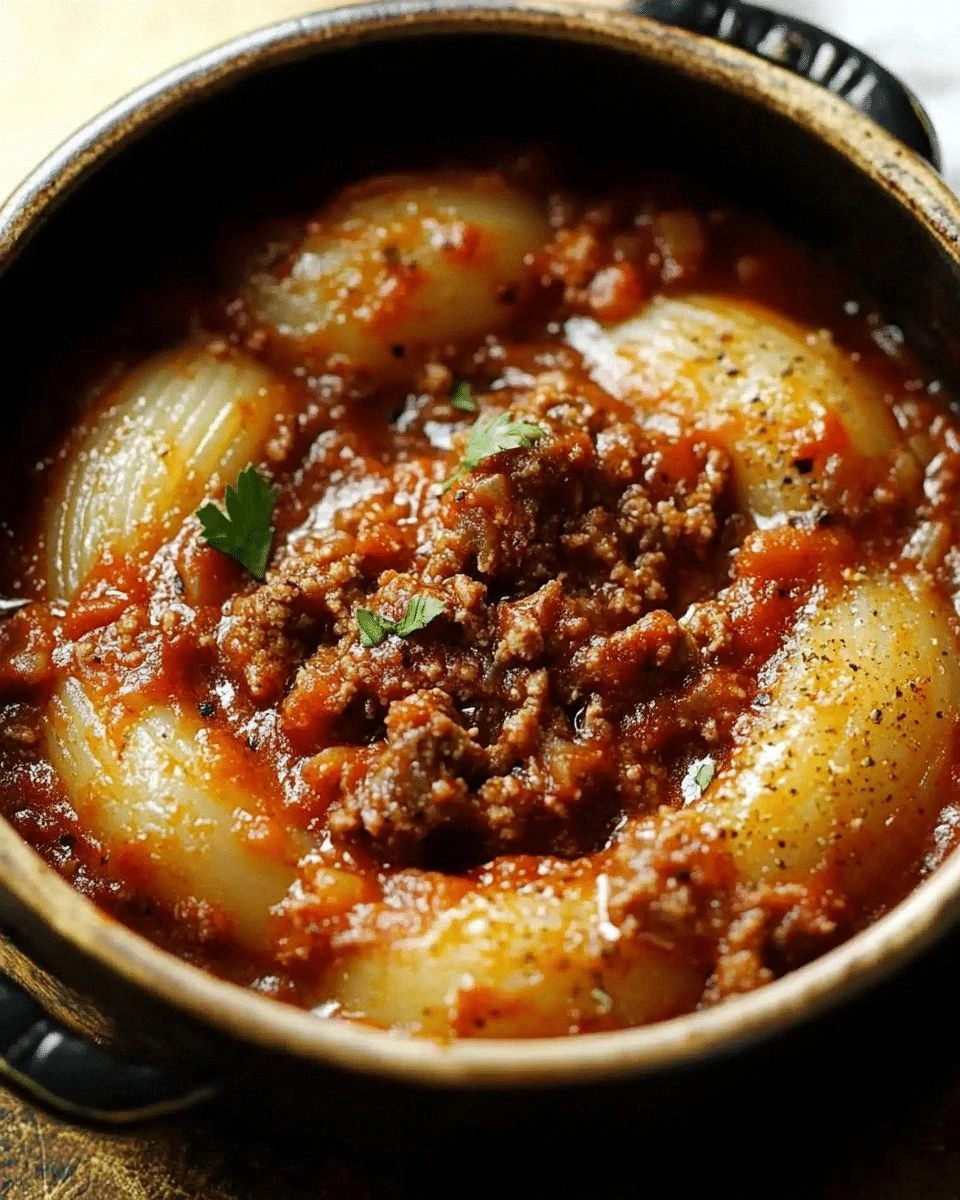
Picture yourself pulling this out of the oven, the whole kitchen smelling incredible, the sauce bubbling with that golden, caramelized sheen that signals it’s ready. You’ll hear the sizzle of the last spoonful as it meets the pan, and you’ll know the sauce is at the perfect consistency—thick enough to cling to pasta, thin enough to coat a loaf of crusty bread. That sizzle when it hits the pan? Absolute perfection. And the moment you taste the first bite, the flavors will explode, and you’ll immediately know this is a dish that deserves a spot on your weekly rotation. Okay, ready for the game‑changer? Let’s dive in.
What Makes This Version Stand Out
- Bold Flavor: The combination of oregano, dill, and lemon zest creates a bright, herbaceous profile that cuts through the richness of the meat, giving it a fresh, Mediterranean lift.
- Velvet Texture: Finishing the sauce with Greek yogurt adds a silky mouthfeel that coats the pasta like velvet, turning every bite into a luxurious experience.
- Balanced Sweetness: Crushed tomatoes and a touch of red wine balance the acidity and bring a subtle sweetness that balances the savory meat.
- Quick Simmer: The sauce only needs 30 minutes to develop depth, making it an ideal weeknight dinner that still feels gourmet.
- Make‑ahead Friendly: This sauce can be made in bulk and stored in the fridge for up to 4 days or frozen for up to 3 months without losing flavor.
- Versatile Pairings: It works wonderfully with spaghetti, penne, or even as a filling for stuffed peppers, giving you endless creative possibilities.
- Authentic Touch: The addition of feta and a splash of lemon zest brings an authentic Greek vibe that feels both nostalgic and fresh.
- Kid‑Friendly: The mild heat and comforting flavors make it a hit with younger palates, turning dinner into a family favorite.
Alright, let's break down exactly what goes into this masterpiece. And before we jump into the ingredient list, here’s a quick kitchen hack that will save you time and keep your sauce from sticking.
Inside the Ingredient List
The Flavor Base
Ground beef and lamb form the heart of this sauce, delivering a robust, meaty foundation that is both hearty and satisfying. I recommend using equal parts of each—one pound of beef and one pound of lamb—for a balanced flavor profile. If you’re vegan or vegetarian, you can replace the meat with a hearty lentil blend, but the richness will be different. Skipping the meat will drastically change the sauce’s character; it will become more tomato-centric and lose that deep umami punch. For the best results, choose a grind that’s about 80% lean; it keeps the sauce from becoming too greasy while still offering plenty of flavor.
Onions are the aromatic backbone of this sauce. Dice them finely so they release their natural sweetness quickly during browning. They also help create a silky texture that binds the sauce together. If you’re short on time, you can use pre‑sliced onions, but fresh diced onions will give you the best flavor. If you’re allergic to onions or just don’t like them, you can replace them with diced carrots or celery for a milder, slightly sweeter base.
Garlic is the soul of any Mediterranean dish. Mince 4 cloves to release a bright, pungent aroma that lingers in the sauce. The garlic should be sautéed just until fragrant, about 30 seconds, to avoid bitterness. If you prefer a more subtle garlic flavor, you can use 3 cloves instead. The key is to let the garlic bloom early in the cooking process so it infuses the meat and tomato base.
Crushed tomatoes bring the body and acidity needed for a balanced sauce. A 28‑ounce can is a standard size that works well for a four‑serving batch. If you prefer a smoother texture, you can blend the tomatoes before adding them. Alternatively, you can use diced tomatoes for a chunkier sauce, but be prepared to adjust the simmer time to allow the flavors to meld.
The Texture Crew
Tomato paste is the secret weapon that thickens the sauce while adding depth. Two tablespoons of paste concentrate the tomato flavor and give the sauce a richer color. If you’re watching your sodium intake, you can use a low‑sodium version, but be sure to taste and adjust the seasoning accordingly. Skipping the paste will make the sauce thinner and less complex.
Olive oil is the cooking medium that keeps the meat from sticking and adds a silky finish. Two tablespoons are enough to brown the meat evenly and give the sauce a glossy sheen. If you’re looking for a lighter version, you can use a neutral oil, but the olive oil’s fruity undertones are integral to the Greek flavor profile.
Red wine adds a subtle acidity and a touch of sweetness that balances the tomatoes. Half a cup is enough to deglaze the pan after browning the meat. If you’re not a fan of wine, you can replace it with a splash of balsamic vinegar or a pinch of sugar to mimic the sweet‑acid balance. The wine also helps to loosen the fond, ensuring every flavorful scrap is incorporated.
The Unexpected Star
Dried oregano and dill are the classic Greek herbs that bring a fragrant, earthy quality to the sauce. Two teaspoons of oregano and one teaspoon of dill are the perfect proportions for a four‑serving batch. If you’re fresh, use a teaspoon of each for a brighter flavor. Skipping the herbs will make the sauce taste flat, so don’t be tempted to leave them out.
Lemon zest gives the sauce a bright, citrusy lift that cuts through the richness of the meat. One teaspoon is enough to add a subtle zing without overpowering the other flavors. If you’re looking for extra brightness, you can add a tablespoon of lemon juice at the end of cooking, but that will change the sauce’s consistency slightly.
Crushed red pepper flakes add a gentle heat that gives the sauce a modern kick. One teaspoon is enough to provide a subtle warmth. If you prefer a milder sauce, reduce to half a teaspoon or omit entirely. The heat is optional, but it gives the dish a lively edge that pairs well with the Greek herbs.
The Final Flourish
Feta cheese brings a salty, creamy element that complements the yogurt finish. Half a cup of crumbled feta adds a tangy burst that is unmistakably Greek. If you’re lactose intolerant, you can use a dairy‑free feta alternative or simply omit it; the sauce will still be delicious.
Greek yogurt is the finishing touch that transforms the sauce into a velvety, silky experience. Half a cup of plain Greek yogurt is folded into the sauce at the very end, just before serving. This technique keeps the yogurt from curdling and adds a creamy contrast to the tomato base. If you can’t find Greek yogurt, plain whole‑milk yogurt works as a substitute, though the texture will be slightly lighter.
Fresh parsley provides a burst of color and a fresh finish. Two tablespoons of chopped parsley add a bright, herbal note that brightens the dish. If you’re out of parsley, a pinch of dried basil or oregano works as a backup, but the fresh parsley is the best choice for authenticity.
Everything's prepped? Good. Let's get into the real action.
The Method — Step by Step
- Heat a large, heavy‑bottom skillet over medium heat and add the olive oil. Once the oil shimmers, add the diced onions, sautéing until they turn translucent and start to caramelize—about 4 to 5 minutes. This is the moment of truth; the onions should smell sweet and fragrant, indicating they’re ready to release their full flavor. Keep stirring to prevent sticking, and watch for the first golden edges.
- Add the minced garlic to the pan, stirring constantly so it doesn’t burn. Let it cook for 30 seconds, just until aromatic, then add the ground beef and lamb. Break the meat apart with a wooden spoon, ensuring it’s evenly distributed. As the meat starts to brown, you’ll hear a satisfying sizzle that tells you the skillet is hot enough.
- Once the meat is browned and no longer pink, use a splash of water to deglaze the pan—this lifts the caramelized bits from the bottom and incorporates them into the sauce. Scrape the pan with a wooden spoon, gathering all the flavorful bits. This step is crucial for depth; skipping it will leave a bland sauce.
- Stir in the crushed tomatoes, tomato paste, oregano, dill, red pepper flakes, and bay leaf. Mix well to combine everything into a cohesive mixture. The sauce should thicken slightly and take on a rich, red hue. Let it simmer uncovered for 10 minutes, allowing the flavors to meld and the liquid to reduce a bit.
- Pour in the red wine, then reduce the heat to low. Allow the sauce to simmer gently for 15 minutes, stirring occasionally. The wine should reduce to a syrupy consistency, infusing the sauce with a subtle depth that balances the acidity of the tomatoes. Watch for the edges to start pulling away from the pan; that’s a sign the sauce is thickening.
- Season with salt and pepper to taste. Add the lemon zest and crumbled feta, stirring until the feta begins to melt slightly, adding a creamy texture. The lemon zest will brighten the sauce, while the feta adds a salty, tangy contrast that is unmistakably Greek.
- Remove the bay leaf and fold in the Greek yogurt. Lower the heat to the minimum and stir gently until the yogurt is fully incorporated. The sauce should be silky and glossy, with a slight tang from the yogurt. Don’t let the sauce boil after adding the yogurt, or it will curdle.
- Serve immediately over your favorite pasta, or spoon it over a bed of roasted vegetables. Garnish with fresh parsley, a drizzle of olive oil, or a sprinkle of extra feta if you like. The final touch should feel like a gentle, aromatic finish that ties everything together.
That's it — you did it. But hold on, I've got a few more tricks that'll take this to another level. These insider tips will help you master the sauce like a pro.
Insider Tricks for Flawless Results
The Temperature Rule Nobody Follows
Many cooks try to speed up the sauce by cooking it at high heat, but this actually leads to uneven flavor development and can scorch the tomatoes. Keep the sauce at a gentle simmer after adding the wine. This slow, low‑heat method allows the flavors to meld and the acidity to mellow, resulting in a richer, more balanced sauce. If you’re in a rush, you can cover the pan to speed up the reduction, but keep the heat low to avoid scorching.
Why Your Nose Knows Best
The aroma of the sauce is a reliable indicator of doneness. When the sauce is ready, it should smell toasty and slightly caramelized, with a faint citrus undertone from the lemon zest. If you notice a raw tomato scent, let it simmer a bit longer. Your nose will guide you to the perfect finish without the need for a timer.
The 5‑Minute Rest That Changes Everything
Once the sauce is finished, let it rest for 5 minutes off the heat. This resting period allows the flavors to settle and the yogurt to fully incorporate, giving the sauce a smoother mouthfeel. The rest also lets the heat redistribute, preventing hot spots that could burn your tongue. Trust me, that 5‑minute pause makes a world of difference.
The Secret of the Feta
Crumbled feta should be added at the very end, just before you fold in the yogurt. Adding it too early can cause it to disintegrate into the sauce, losing its distinct texture. By adding it at the end, the feta retains its bite and provides a salty contrast that elevates the entire dish.
The “Sauté, Don’t Stir” Technique
When browning the meat, let it sit undisturbed for a few minutes before stirring. This technique creates a beautiful brown crust that adds depth to the sauce. Stirring too early can release moisture and prevent proper browning. Once the meat has a golden crust, then stir to break it up.
The “Add the Water” Trick
If the sauce starts to look too thick before the flavors have fully developed, add a splash of water or broth. This keeps the sauce from drying out while still allowing it to reduce. The trick is to add just enough to keep the sauce glossy but not so much that it becomes watery.
Creative Twists and Variations
This recipe is a playground. Here are some of my favorite ways to switch things up:
Mediterranean Veggie Bowl
Swap the pasta for a bed of quinoa or couscous and top the sauce with roasted eggplant, zucchini, and bell pepper. The veggies soak up the sauce, making a hearty, plant‑based meal that still feels indulgent.
Greek Pizza Delight
Spread the sauce over a pre‑baked pizza crust, sprinkle with mozzarella and feta, then bake until bubbly. The yogurt finish adds a creamy layer that pairs wonderfully with the sharp cheese.
Spicy Moussaka Twist
Layer the sauce with sliced eggplant and béchamel, then bake until golden. The sauce’s Greek herbs and yogurt finish complement the rich, comforting layers of this classic dish.
Low‑Carb Version
Serve the sauce over spiralized zucchini or shirataki noodles for a low‑carb alternative. The sauce’s thick, creamy texture still coats the noodles beautifully, making it a satisfying low‑calorie dinner.
Breakfast Boost
Use the sauce as a savory topping for scrambled eggs or a breakfast hash. The smoky, herby flavor adds a Mediterranean twist to your morning routine.
Lemon‑Infused Variation
Increase the lemon zest to a tablespoon and add a splash of lemon juice at the end. This brightens the sauce even more, making it perfect for a light, refreshing meal.
Storing and Bringing It Back to Life
Fridge Storage
Cool the sauce completely before transferring it to an airtight container. Store it in the refrigerator for up to four days. The yogurt will keep the sauce creamy, but if you notice it has thickened slightly, stir in a splash of milk or broth before reheating.
Freezer Friendly
For longer storage, freeze the sauce in single‑serving portions. Use a freezer‑safe bag or container and label with the date. The sauce can stay in the freezer for up to three months. When ready to use, thaw overnight in the refrigerator and gently reheat on the stove.
Best Reheating Method
Reheat the sauce over low heat, stirring frequently. Add a tiny splash of water or broth to restore the sauce’s silky texture. This trick ensures the sauce doesn’t dry out and maintains its creamy finish.