Remember the night I tried to bake a classic caramel doughnut and ended up with a sticky, half‑baked mess that looked like a caramel disaster? The kitchen was a battlefield of burnt sugar and a lingering scent of disappointment. I was halfway through the recipe, the timer was ticking, and I realized I had used the wrong flour, a gluten‑free mix that had been left out too long. That moment of panic sparked a new mission: to create a gluten‑free, vegan caramel doughnut that not only tasted better but also felt like a triumph over culinary mishaps. Now, I’m about to show you how to turn that kitchen catastrophe into a sweet, crowd‑pleasing masterpiece.
Picture this: the dough glistening under the kitchen lights, a faint caramel aroma rising like a warm hug, the sound of the mixer whirring, the feel of the dough’s silky smoothness between your fingertips. The anticipation is almost tangible, as the sweet scent of maple syrup mingles with the buttery undertone of coconut oil. Your ears catch the gentle pop of the caramel as it simmers, while your eyes track the golden bubbles forming on the surface. The texture is silky yet firm, a contrast that promises a satisfying bite. By the time the dough hits the pan, the kitchen is alive with a symphony of aromas, sounds, and textures that will make your taste buds dance.
This recipe is hands down the best version you'll ever make at home because it combines the chewy, airy interior of a traditional doughnut with the luscious, buttery depth of a caramel glaze, all while keeping it gluten‑free and vegan. The secret lies in the cashew‑cream caramel that coats the doughnut like velvet, delivering a melt‑in‑your‑mouth finish that ordinary store‑bought donuts can’t compete with. The dough itself is light and fluffy thanks to a balanced blend of baking powder and soda, yet it holds its shape beautifully when fried. The use of applesauce as a binder eliminates the need for eggs, creating a cleaner, greener recipe without sacrificing richness. Finally, the maple syrup or agave nectar provides a natural sweetness that harmonizes perfectly with the caramel, making every bite feel like a sweet, guilt‑free indulgence.
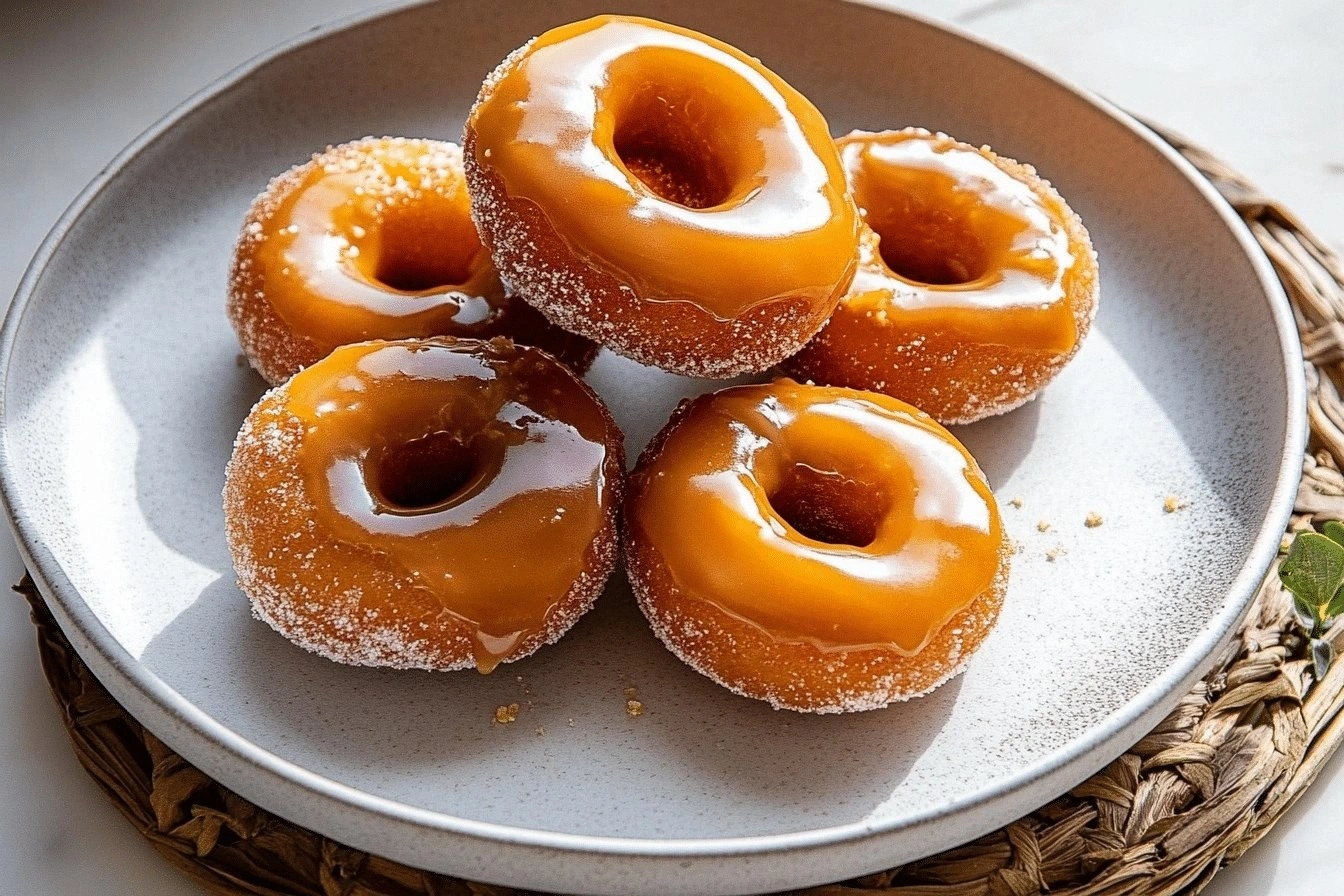
One technique you might not expect is the gentle folding of the cashew cream into the caramel at the very last minute, which locks in the silky texture and prevents separation. Another surprise is the use of coconut oil both in the dough and the glaze, ensuring that the final product has a subtle, tropical undertone that elevates the flavor profile. I dare you to taste this and not go back for seconds, because the first bite will have you questioning why you ever settled for anything else. Picture yourself pulling these out of the fryer, the whole kitchen smelling incredible, and the doughnuts glistening with a glossy caramel sheen. Let me walk you through every single step — by the end, you'll wonder how you ever made it any other way.
After a few frantic attempts and a pantry full of ingredients, I finally achieved the perfect balance between flavor and texture. The dough rose like a cloud, and the glaze thickened into a silky coat that clung to every inch of the donut. I could taste the subtle nutty undertones of the cashew cream, the caramelized sweetness of the maple syrup, and the faint citrus tang from the coconut oil. The result was a doughnut that was both indulgent and wholesome, a true testament to the power of thoughtful ingredient selection. This is the kind of dish that turns a simple breakfast into an unforgettable experience.
Now that we’ve set the stage, let’s dive into what makes this recipe truly special. If you’ve ever felt disappointed by bland vegan desserts, this is the antidote you’ve been waiting for. The combination of airy dough, rich caramel glaze, and plant‑based ingredients creates a harmony that’s hard to beat. Get ready to experience a new level of dessert satisfaction that will have your friends begging for the recipe.
What Makes This Version Stand Out
- Flavor: The caramel glaze is thick, buttery, and infused with maple sweetness that coats each donut like velvet.
- Texture: The dough is airy yet firm, thanks to the perfect balance of baking powder and soda.
- Health: Gluten‑free and vegan, this recipe eliminates allergens and animal products while still delivering indulgence.
- Simplicity: Only nine ingredients, all pantry staples, and a straightforward method that even beginners can master.
- Make‑ahead: You can prepare the dough and glaze a day ahead and reheat for a fresh, warm treat.
- Versatility: Swap maple syrup for agave nectar or add a splash of citrus to create new flavor twists.
- Presentation: The glossy caramel finish turns every donut into a showstopper that will wow guests.
Alright, let's break down exactly what goes into this masterpiece...
Inside the Ingredient List
The Flavor Base
Maple Syrup or Agave Nectar provides a natural sweetness that complements the caramel glaze. The liquid sugar melts into the batter, ensuring an even distribution of flavor throughout each bite. If you prefer a slightly different profile, you can use honey or date syrup, though the final texture may shift toward a denser consistency. This ingredient also helps the glaze set into a glossy sheen that glistens when the donuts cool.
Vanilla Extract adds depth, bringing warm, aromatic undertones that elevate the caramel’s richness. A single teaspoon is enough to infuse the dough with a subtle floral note that balances the sweetness. If you’re experimenting, consider a vanilla bean for an even more pronounced flavor. The vanilla also enhances the overall mouthfeel, giving the glaze a silky finish.
Brown Sugar is the backbone of the caramel, delivering a deep, molasses‑like taste that is both sweet and slightly acidic. It also contributes to the glaze’s sticky texture, allowing it to cling to the donuts. Using light brown sugar will give a lighter hue, while dark brown sugar intensifies the caramel color and flavor. This sugar is crucial for achieving that perfect, glossy caramel coat.
Coconut Oil or Vegan Butter brings a subtle tropical undertone and adds moisture to both the dough and glaze. The fat content helps keep the dough tender while providing a silky mouthfeel. If you’re allergic to coconut, a neutral‑flavored oil such as grapeseed or canola will work without altering the flavor profile. Coconut oil also aids in creating a crisp exterior when the donuts are fried.
The Texture Crew
Gluten‑Free Flour Blend forms the foundation of the dough, providing structure without the elasticity of wheat. It’s essential for achieving a tender crumb while maintaining shape during frying. Choosing a blend that contains xanthan gum helps bind the dough together, preventing it from falling apart. If you don’t have a pre‑made blend, you can mix rice flour, potato starch, and tapioca starch in a 2:1:1 ratio.
Baking Powder and Baking Soda work in tandem to create lift, ensuring the dough stays light and airy. The leavening agents release carbon dioxide when heated, which expands the dough and prevents it from becoming dense. Using too much can cause the dough to rise too quickly and collapse, so measure carefully. These powders also contribute a subtle, almost buttery flavor that complements the caramel.
Plant‑Based Milk adds moisture and richness, acting as a liquid base for the dough. It helps dissolve the dry ingredients and creates a cohesive batter. A thicker milk such as oat or almond provides more body, while a thinner milk like soy will keep the dough slightly looser. The milk also reacts with the leavening agents, aiding in the rise.
Applesauce is the natural binder that replaces eggs in this vegan recipe. It adds moisture, sweetness, and a subtle fruitiness that enhances the caramel glaze. Applesauce also helps keep the dough tender, preventing it from becoming dry during frying. If you prefer a firmer dough, reduce the applesauce slightly; if you want a softer texture, increase it a touch.
The Unexpected Star
Cashew Cream or Coconut Cream is the secret to a silky, dairy‑free caramel glaze. It provides a creamy base that thickens when heated, creating a velvety coating. The natural nuts in cashew cream add a subtle nutty flavor that pairs wonderfully with the caramel. If you’re allergic to nuts, coconut cream is a great alternative, offering a similar texture without the allergens.
The Final Flourish
A pinch of Salt balances the sweetness, bringing out the deeper flavors of the caramel and preventing the glaze from tasting cloying. Salt also enhances the overall taste profile, making the dough more complex. If you’re watching sodium, a dash of sea salt can be used sparingly to achieve the same effect. The salt is essential for a well‑rounded flavor that satisfies the palate.
Everything's prepped? Good. Let's get into the real action...
The Method — Step by Step
- Preheat the oven to 375°F (190°C). In a large bowl, whisk together the gluten‑free flour blend, baking powder, baking soda, and a pinch of salt. This dry mix will be the foundation of our dough. The aroma of the dry ingredients already hints at the sweetness to come. Keep the mixture in a separate bowl to avoid mixing the wet ingredients too early.
- In a separate bowl, combine the plant‑based milk, applesauce, coconut oil, and vanilla extract until smooth. The wet mixture should be silky; this will keep the dough moist and tender. Stir until the oils fully emulsify with the milk, creating a glossy texture. The mixture should feel slightly thick, not runny. This step is crucial for a cohesive batter.
- Pour the wet ingredients into the dry mixture and stir until just combined. Be careful not to over‑mix; a few lumps are fine and will create a light texture. Over‑mixing can activate the leavening agents prematurely, resulting in a dense dough. The batter should be smooth but slightly thick. Let the dough rest for a moment before adding the sugars.
- Fold in the maple syrup (or agave nectar) and brown sugar, allowing the sugars to dissolve into the batter. This step infuses the dough with caramel flavor before it even hits the pan. The batter will start to thicken slightly as the sugars melt. The scent of caramel will fill the kitchen, creating an irresistible anticipation. This is the moment where flavor meets texture.
- Let the dough rest for 10 minutes. This resting period allows the leavening agents to activate, ensuring a fluffy interior. The dough will feel slightly firmer after resting, which helps when shaping. This pause is essential for a perfect rise during frying. The dough should look slightly glossy after this step.
- Heat a deep‑fry pot or a heavy‑bottomed saucepan to 350°F (175°C). Carefully drop small spoonfuls of dough into the hot oil, ensuring they are not overcrowded. The oil temperature can fluctuate; use a thermometer to maintain a steady 350°F and avoid soggy donuts. The first donuts should puff up within 30 seconds. Keep a close eye on the oil to prevent overheating.
- Fry the donuts for 2–3 minutes per side, turning them gently with a slotted spoon. They should puff up and develop a golden crust. Once cooked, transfer them to a wire rack set over parchment paper to drain excess oil. The donuts will release a sweet, caramel scent as they cool. The crust should be crisp yet tender.
- While the donuts cool for a minute, prepare the caramel glaze. In a small saucepan, combine the cashew cream (or coconut cream), remaining brown sugar, and a splash of plant‑based milk. Warm over medium heat, stirring constantly until the mixture thickens. The glaze will start to bubble gently, indicating it's ready. Let it simmer for a few minutes to deepen the flavor.
- Fold in the remaining maple syrup (or agave nectar) and a pinch of salt, then pour the glaze over the donuts while they’re still warm. Let the glaze set for a few minutes before serving. The glaze will coat each donut like a silky blanket. The final result is a glossy, buttery coating that clings to every donut. Enjoy the first bite as the caramel melts on your tongue.
That's it — you did it. But hold on, I've got a few more tricks that'll take this to another level...
Insider Tricks for Flawless Results
The Temperature Rule Nobody Follows
Oil temperature is the secret weapon of any great fryer. A thermometer is your best friend, keeping the oil consistently at 350°F. If the oil is too hot, the donuts will brown too quickly on the outside while remaining raw inside. If it's too cool, they'll absorb too much oil and become greasy. Keep a steady temperature to achieve a crisp exterior and a fluffy interior.
Why Your Nose Knows Best
The aroma of caramel is a reliable indicator of doneness. As the glaze thickens, you'll notice a sweet, buttery scent that signals it's ready. If you wait too long, the glaze can become overly thick and lose its glossy sheen. Trust your nose, and dip a spoon in the glaze to test its consistency. A silky, pourable texture means it's perfect.
The 5‑Minute Rest That Changes Everything
Resting the dough for 10 minutes isn’t just a suggestion; it’s a necessity. The leavening agents need time to activate and the flour to absorb moisture. This rest period results in a more cohesive dough that holds its shape during frying. Skipping it can lead to dense, uneven donuts. Give the dough time, and you’ll see the difference.
The Quick Chill Trick
After shaping the donuts, chill them on a wire rack for 15 minutes before frying. The brief chill helps the dough firm up, preventing it from spreading too much in the oil. This trick is especially useful if you’re making a large batch. It also makes the donuts easier to handle, reducing the risk of sticking to the pan.
The Extra Caramel Layer
For an extra shine, drizzle a thin layer of melted dark chocolate over the glaze before it sets. The chocolate will create a glossy, glossy finish that adds a hint of bitterness to balance the sweetness. Let it set for a minute before serving. This simple addition elevates the overall presentation.
The Flavor Boost
Adding a splash of citrus zest to the glaze brings a bright, fresh note that cuts through the richness. Lemon or orange zest works beautifully, complementing the maple syrup. Stir in the zest just before the glaze finishes to preserve its aroma. This small tweak transforms the flavor profile, making it feel more vibrant.
Creative Twists and Variations
Citrus Burst
Incorporate fresh orange zest into the dough for a bright, zesty flavor that complements the caramel glaze. The citrus adds a subtle tang that balances the sweetness. This variation is perfect for spring or summer brunches. Your guests will love the vibrant aroma.
Spiced Caramel
Stir in a pinch of cinnamon and nutmeg into the glaze for a warm, aromatic twist. The spices add depth and complexity, making the donuts feel cozy and comforting. Ideal for a fall gathering or a holiday dessert spread. The spices pair beautifully with the maple syrup.
Chocolate Drizzle
After the glaze has set, drizzle melted dark chocolate over the donuts for a decadent finish. The chocolate adds a bittersweet contrast to the sweet caramel. This variation is a crowd‑pleaser at parties or as a dessert for chocolate lovers. The glossy chocolate finish looks stunning.
Berry Infusion
Fold fresh blueberries or raspberries into the dough for a burst of fruity flavor. The berries add a natural sweetness and a pop of color. This version is great for a summer treat or a brunch centerpiece. The berries also provide a subtle crunch.
Sea Salt Finish
Sprinkle flaky sea salt over the glaze once it has set for a sophisticated salty‑sweet balance. The sea salt enhances the caramel's richness and adds a crunchy texture. This simple addition elevates the overall taste experience. Your guests will be impressed.
Nutty Crunch
Stir chopped pecans or almonds into the dough before frying for an added crunch. The nuts provide a nutty flavor that pairs well with the caramel glaze. This variation is great for a holiday gathering or a cozy night in. The crunch adds a satisfying bite.
Storing and Bringing It Back to Life
Fridge Storage
Store the glazed donuts in an airtight container at room temperature for up to 3 days. Keep them on a rack to avoid moisture buildup. The glaze will remain glossy, and the donuts will stay fresh. Reheat in a toaster or oven for a few minutes before serving.
Freezer Friendly
Freeze the donuts in a single layer on a parchment paper tray for up to 2 weeks. Once frozen, transfer them to a freezer bag or container. Thaw at room temperature for 30 minutes before reheating. This method preserves the texture and flavor.
Best Reheating Method
Reheat in a preheated oven at 350°F for 5 minutes, or microwave on medium power for 20‑30 seconds. Add a splash of water before reheating to steam the donuts back to life. The moisture will restore the dough’s softness and keep the glaze from drying out. Serve immediately for the best experience.