
Love this? Pin it for later! 📌
There’s something quietly magical about opening the freezer on a bleary-eyed weekday morning and finding a rainbow of smoothie bags stacked like little frozen presents, each one promising a 60-second path to breakfast bliss. I started making these freezer prep smoothie bags when my oldest began kindergarten and our mornings turned into a sprint of lost shoes, permission slips, and “I-can’t-find-my-library-book!” chaos. Overnight, my leisurely habit of chopping fruit and measuring chia seeds felt as outdated as dial-up internet. I needed grab-blend-go convenience without sacrificing the nutrients that keep my crew energized until lunch. After months of testing ratios, freezer behavior, and kid-approved flavor combos, I landed on a system so fool-proof that my eight-year-old can dump a bag into the blender while I’m still looking for that elusive library book. Whether you’re feeding marathon-training teens, fueling a toddler who only eats beige food, or simply trying to drink something green before coffee, these smoothie bags are about to become your morning hero.
Why This Recipe Works
- Zero morning effort: every fruit, veggie, seed, and spice is pre-portioned—just add liquid and blend.
- Maximum nutrition lock-in: produce is frozen within hours of purchase, preserving vitamin C, folate, and antioxidants.
- Budget-friendly: buy seasonal fruit in bulk, freeze at peak ripeness, and skip the $9 café smoothie.
- Waste warrior: overripe bananas or slightly bruised berries get a second life instead of landing in the trash.
- Kid customization: color-coded bags let picky eaters choose “purple power” or “tropical sunrise” without dinner-table negotiations.
- Travel ready: pack a bag in a cooler for hotel stays; just request ice and a blender at checkout.
- One-minute clean-up: rinse the blade assembly, toss the empty bag, and you’re out the door.
Ingredients You'll Need

Great smoothies start at the produce aisle—or better yet, the farmers’ market. Below are the building blocks I keep in rotation from June berries to winter citrus. Feel free to mix, match, and substitute based on what’s fresh, on sale, or languishing in your crisper drawer.
- Bananas: Choose spotty, ripe bananas for natural sweetness. Peel, snap in half, and flash-freeze on a sheet pan before bagging so they don’t fuse into a single glacier.
- Berries: Blueberries, raspberries, blackberries, and strawberries freeze beautifully. Buy them in 2-lb boxes when on sale, rinse, pat dry, and freeze in a single layer to prevent clumping.
- Mango & Pineapple: Purchase pre-cubed bags from the freezer section or slice fresh fruit into 1-inch chunks. Both add tropical creaminess and a hefty dose of vitamin C.
- Leafy Greens: Spinach freezes flat and blends silkily; kale stems can be tough, so strip the leaves. Buy a jumbo clamshell, wash, and spin dry; the moisture helps it pack flat.
- Avocado: For ultra-creamy texture, add ¼ of a ripe avocado per bag. It freezes best when scooped into chunks and lightly tossed in lemon juice to prevent browning.
- Protein Boosters: Plain Greek yogurt can be frozen in silicone ice-cube trays; each cube is ~1 Tbsp. Silken tofu cubes are a dairy-free alternative that disappears flavor-wise.
- Seeds & Grains: Chia, hemp hearts, ground flax, or rolled oats add fiber and omega-3s. Store them in pre-measured snack-size bags so you can pop one into each smoothie pack.
- Flavor Extras: Fresh ginger coins freeze well; so do mint leaves, citrus zest, and ½-inch pieces of peeled turmeric. A pinch of cinnamon or cacao nibs keeps taste buds happy.
- Liquid for Blending: While not frozen, keep a shelf-stable carton of oat, almond, or coconut milk in the pantry. Coconut water adds electrolytes after hot yoga or soccer practice.
How to Make Freezer Prep Smoothie Bags for Healthy Starts
Label Your Bags First
Use quart-size freezer bags (thicker than storage bags) and write the smoothie name, date, and liquid requirement with a Sharpie before filling. Frozen condensation makes post-fill labeling nearly impossible.
Wash & Prep Produce
Rinse all fruit and greens under cold water. Spin-dry lettuce and herbs thoroughly—excess water forms ice crystals that can dull flavor. Pat berries dry with a lint-free towel.
Flash-Freeze Moist Ingredients
Arrange banana halves, mango cubes, and yogurt dollops on parchment-lined sheet pans. Freeze 2 hours, then transfer to bags. This step prevents a solid brick and keeps individual pieces loose for easy blending.
Assemble in Layers
Place greens at the bottom (they’ll hit the blades first), followed by fruit chunks, then seeds on top. Press out as much air as possible before sealing; oxygen causes freezer burn and nutrient loss.
Freeze Flat for Space Efficiency
Lay filled bags on a cookie sheet until solid, then stack vertically like recipe files. A tidy freezer is a happy freezer—and you’ll actually see what you have.
Blend Straight from Frozen
Empty one smoothie bag into the blender, add ¾–1 cup of your chosen liquid, secure the lid, and blend on high for 45–60 seconds. If blades stall, splash in more liquid a tablespoon at a time.
Serve Immediately or Pack for Later
Pour into insulated tumblers for commuters, or fill reusable pouches for little hands. Thick smoothies double as “ice packs” in lunch boxes and thaw to slushy perfection by noon.
Quick-Clean Protocol
Rinse the blender jar with hot water, add a drop of dish soap, and blend for ten seconds—voilà, self-cleaning. Drain, dry, and you’re off.
Expert Tips
Keep It Moving
Add liquid to the blender first; it creates a vortex that pulls frozen chunks downward and prevents air pockets that cause cavitation.
Texture Tweaks
For milkshake-thick smoothies, use only ½ cup liquid plus a handful of frozen cauliflower rice—it disappears taste-wise but adds cloud-like fluff.
Batch Day
Set a monthly “smoothie Sunday.” Prep 30 bags in under an hour while watching a podcast; your future self will thank you every single morning.
Color Coding
Assign a Sharpie color per family member or dietary need—blue for nut-free school lunches, red for high-protein post-gym packs.
Safety First
Never add large frozen chunks of hard veggies (carrots, beets) to personal bullet blenders; they can chip the plastic vessel.
Macro Balance
Aim for 2:1 carbs to protein for everyday sipping, or flip the ratio by doubling Greek yogurt and adding nut butter for post-workout recovery.
Variations to Try
- Tropical Green Piña ColadaSwap spinach for kale, add ¼ cup frozen pineapple, 2 Tbsp unsweetened coconut flakes, and use coconut milk for liquid. Optional: 1 tsp honey and a tiny umbrella.
- Chocolate-Covered StrawberryInclude 1 cup frozen strawberries, 1 Tbsp cacao powder, ½ frozen banana, and 1 scoop chocolate protein powder. Tastes like dessert but delivers 25 g protein.
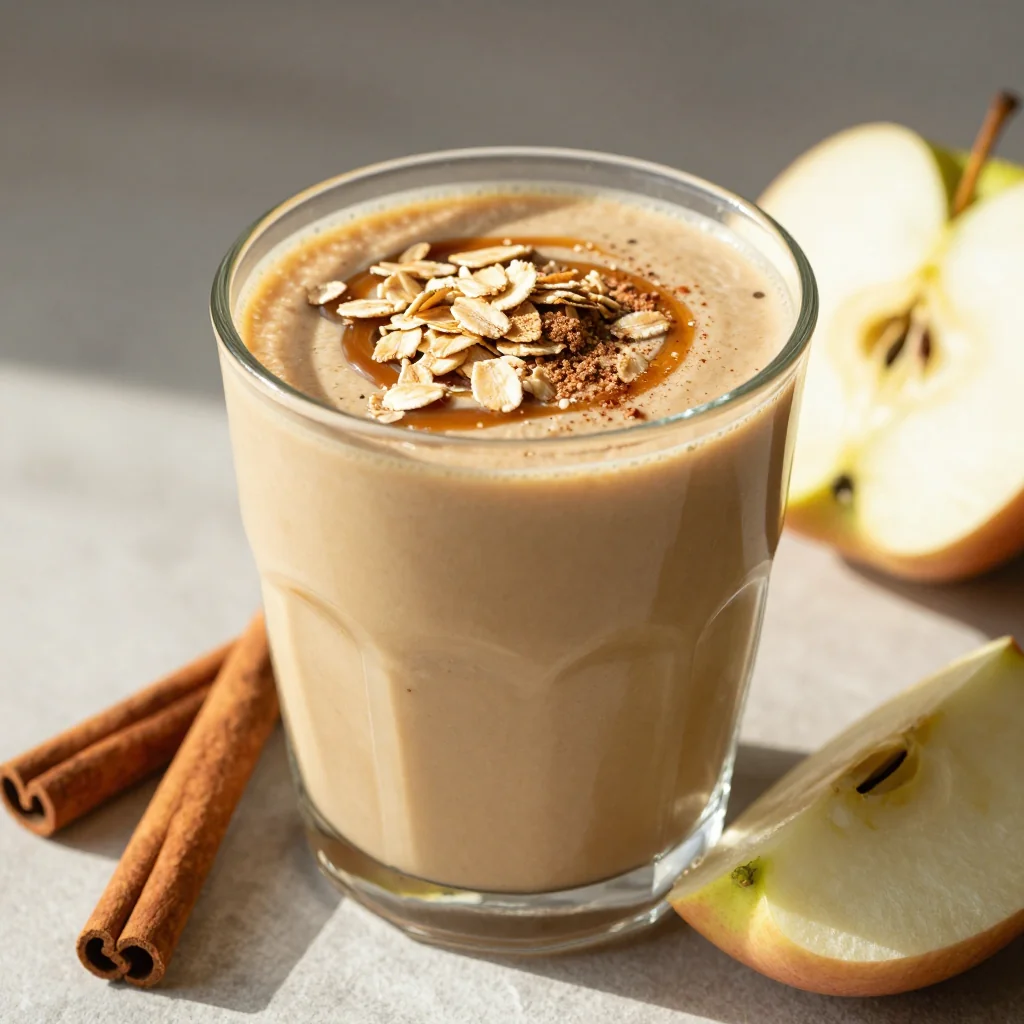
- Apple Pie OatmealAdd ½ cup frozen apple slices, 2 Tbsp rolled oats, ¼ tsp cinnamon, and a pinch of nutmeg. Use almond milk and sweeten with maple syrup if desired.
- Orange CreamsicleCombine ½ cup frozen mango, ½ cup frozen orange segments, ¼ cup Greek yogurt, and vanilla extract. Kids swear it’s a milkshake.
- Blueberry LavenderToss in 1 cup blueberries, ½ tsp culinary lavender buds, and 1 tsp lemon zest. Strain if you dislike floral bits, or blend extra fine.
- Beet Berry ImmunityAdd ¼ cup roasted beet cubes for magenta color and earthy sweetness. Pair with raspberries and ginger for a bright, immune-boosting punch.
Storage Tips
Proper storage is the difference between a vibrant, berry-bright smoothie and a sad, frost-bitten slush. Freeze smoothie bags for up to 3 months for peak flavor and nutrition—after that, enzymatic degradation and freezer burn start to mute colors and taste. Store bags toward the back of the freezer where temperature is most stable; door compartments fluctuate each time you grab ice cubes. If you notice ice crystals inside the bag, it’s still safe—just shake the contents into the blender to redistribute moisture. Once blended, smoothies are best enjoyed immediately; oxidation turns bright greens muddy within an hour. If you must prep ahead, pour blended smoothies into airtight bottles, leaving 1 inch of headspace, and refrigerate no more than 24 hours. Give them a vigorous shake before drinking.
Frequently Asked Questions

Freezer Prep Smoothie Bags for Healthy Starts
Ingredients
Instructions
- Label Bags: Write smoothie name, date, and “add ¾ cup liquid” on 12 quart-size freezer bags.
- Flash-Freeze: Arrange banana halves and yogurt cubes on parchment-lined sheet pans; freeze 2 hours.
- Assemble: Into each bag layer ½ banana, ⅓ cup berries, ¼ cup mango, ¼ cup pineapple, ¼ cup spinach, 2 tsp chia, 1 tsp flax, and any optional add-ins.
- Seal: Press out air, seal, and freeze flat on a cookie sheet. Once solid, stack vertically.
- Blend: Empty one bag into blender, add ¾ cup liquid, blend 45–60 seconds until creamy. Add more liquid if needed.
- Serve: Pour into a glass or reusable pouch and enjoy immediately for best texture and color.
Recipe Notes
For ultra-thick smoothie bowls, reduce liquid to ½ cup and use a high-speed blender with tamper. Top with granola, coconut flakes, and fresh fruit.