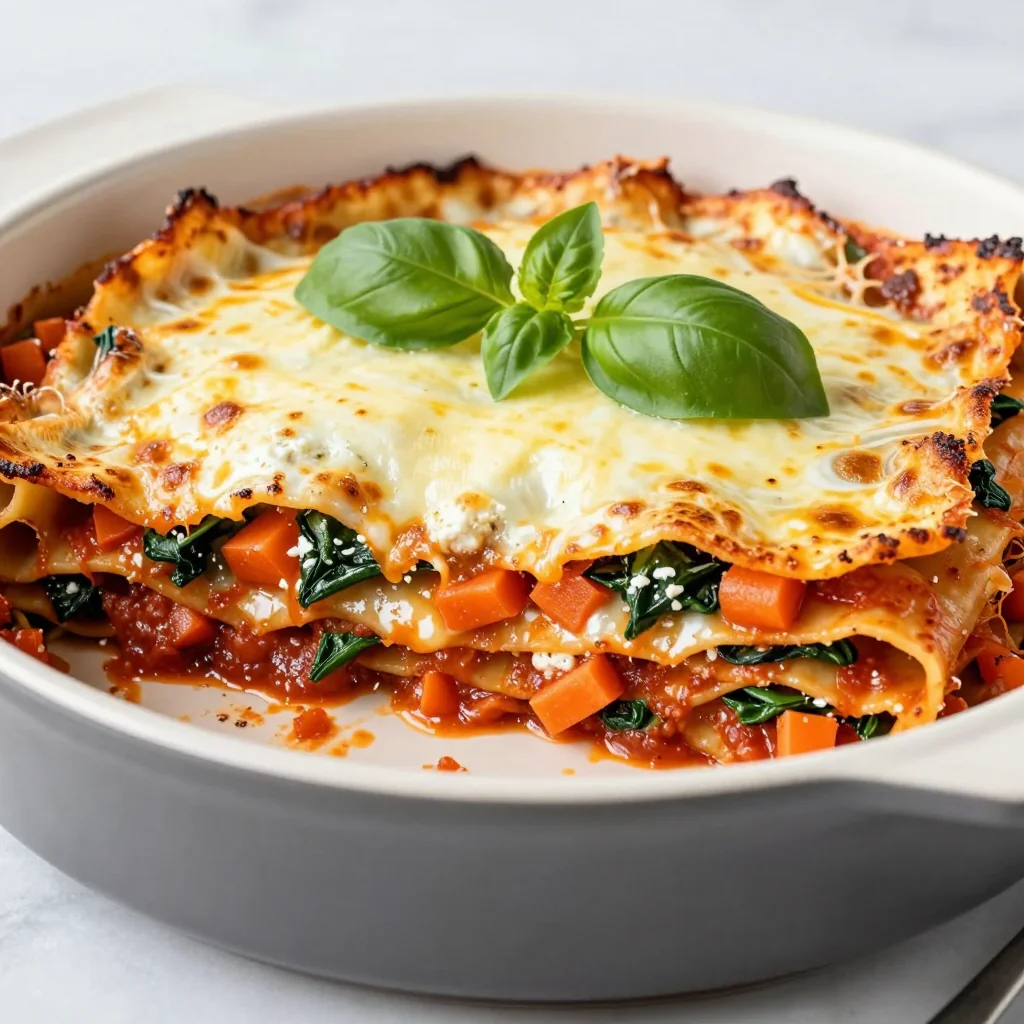
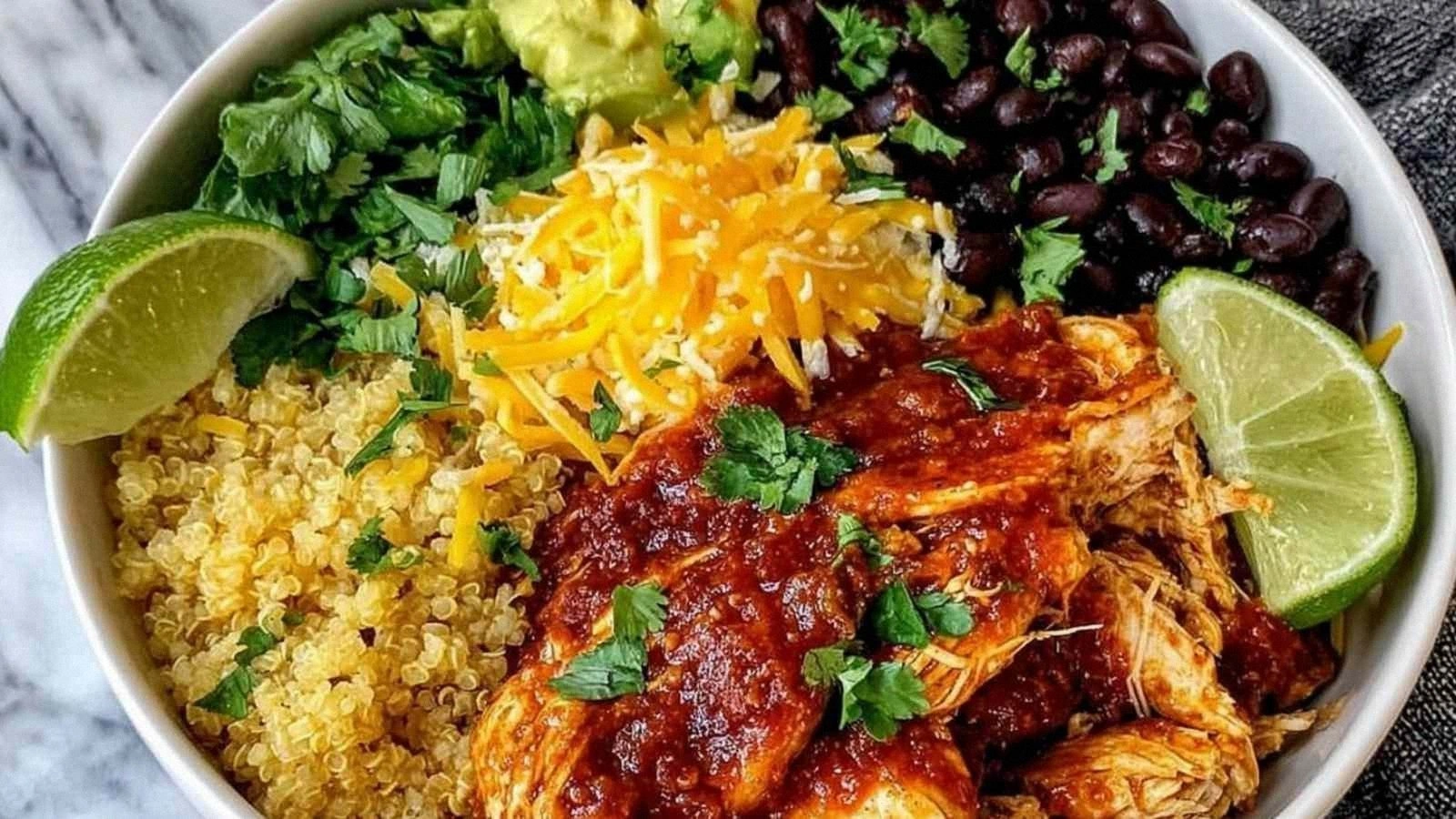
I remember the night I almost turned my kitchen into a science experiment, but the result was a glorious disaster that tasted like a culinary revelation. I had been staring at a pile of raw vegetables, wondering if I could ever bring them together in a bowl that sang rather than sighed. My friends dared me to make something that would make their taste buds dance, and I decided to rise to the challenge with a handful of sweet potatoes, a splash of olive oil, and a whisper of smoked paprika. The kitchen was a chaotic symphony of sizzling, chopping, and the faint aroma of roasting, and I swear the air tasted like victory. I was determined to create a Buddha bowl that would be the envy of every Instagram feed and the comfort of every midnight craving.
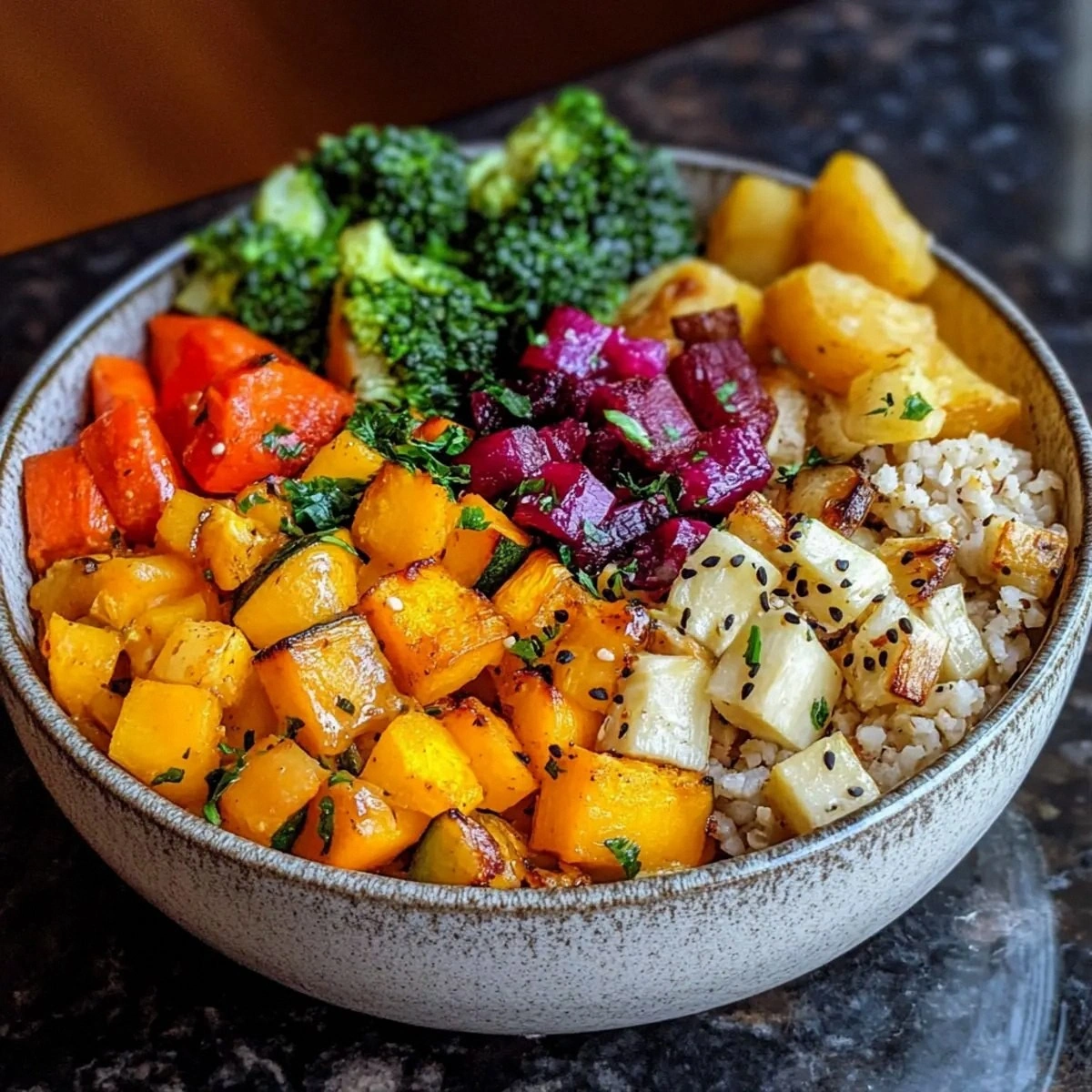
Picture this: the sweet potatoes are caramelized to a golden brown, their edges crisp like a freshly baked cookie, while the broccoli florets turn a deep emerald that practically glows. The bell pepper slices crackle with a satisfying pop as they hit the heat, releasing a sweet, almost caramelized aroma that lingers in the air. The onions, when roasted, transform from sharp to mellow, their juices mingling with the maple syrup to create a subtle, sweet undertone that ties everything together. The avocado, sliced just before serving, offers a creamy contrast that feels like a cool breeze on a hot day. The final touch—a drizzle of tahini lemon sauce—wraps each bite in a silky, nutty glaze that feels like velvet on the tongue.
What makes this version stand out is that every ingredient is chosen not just for flavor but for texture, color, and the way they interact under heat. I dared you to taste this and not go back for seconds, because the layers of flavor are so bold and the textures so varied that you’ll be reaching for the bowl again before the first bite even lands. The sweet potatoes provide a hearty, comforting base, while the smoked paprika adds a smoky depth that’s usually reserved for more elaborate dishes. The tahini lemon sauce, with its bright acidity and creamy richness, cuts through the heaviness and brings a bright, almost citrusy zing that awakens the palate. And the toasted pumpkin seeds? They add a crunchy finale that feels like a celebratory applause at the end of a well‑played symphony.
If you’ve ever struggled with making a bowl that’s both filling and flavorful, you’re not alone—and I’ve got the fix. Most recipes get this completely wrong by either over‑roasting the veggies or under‑seasoning the sauce, but here we strike a perfect balance that feels like a well‑orchestrated concert. I’ll be honest—I ate half the batch before anyone else got a chance to try it, and that’s a confession you’ll want to hear. The secret? A single, simple tweak that transforms an ordinary bowl into a masterpiece: a splash of lemon juice in the sauce that brightens everything and a pinch of maple syrup that adds just enough sweetness to round out the flavors.
Picture yourself pulling this out of the oven, the whole kitchen smelling incredible, the steam curling like a fragrant halo around the bowl. The colors are a visual feast—rich orange, deep green, vibrant red, and the creamy green of the avocado—each hue promising a different bite of flavor. And the moment you take that first spoonful? It’s like a burst of sunshine on a cloudy day, a reminder that simple ingredients can produce extraordinary results. I’m about to walk you through every single step, and by the end, you’ll wonder how you ever made it any other way.
Let me walk you through the process, and trust me, the end result is hands down the best version you’ll ever make at home. We’re about to turn a handful of vegetables into a bowl that sings, that crunches, that melts, and that leaves you craving more. Stay with me here—this is worth it. I dare you to taste this and not go back for seconds. This is not just a recipe; it’s a culinary revelation that will become a staple in your kitchen. The next section will break down exactly what goes into this masterpiece, and you’ll see why every step is essential.
What Makes This Version Stand Out
- Taste: The combination of sweet, smoky, and tangy flavors creates a layered taste experience that feels both comforting and adventurous. The maple syrup subtly sweetens the roasted veggies, while the smoked paprika adds depth and a hint of earthiness that lingers on the palate. The lemon-tahini sauce provides a bright, citrusy finish that lifts the entire dish, making each bite feel fresh and vibrant.
- Texture: The contrast between crisp roasted vegetables and creamy avocado, along with crunchy pumpkin seeds, delivers a satisfying mouthfeel. The sweet potatoes stay tender inside while their edges caramelize to a delightful crunch, and the broccoli florets maintain a firm bite that’s never mushy. The sauce coats the bowl like velvet, ensuring every bite is moist yet not soggy.
- Color: The vibrant palette of orange, green, red, and yellow not only looks appetizing but also signals a range of nutrients and flavors. The visual contrast invites you to explore each component, making the bowl a feast for both eyes and taste buds. The bright green of fresh herbs adds a fresh pop that brightens the dish.
- Ease of Preparation: With a simple roasting method and a quick sauce, this bowl requires minimal hands‑on time. The single pan roast means you can keep an eye on the oven while you prep the sauce, and the quick tahini lemon dressing is ready in minutes. Even beginners can follow along without feeling overwhelmed.
- Make‑Ahead Potential: The roasted veggies and quinoa can be prepared in advance, allowing you to assemble the bowl in seconds. The sauce can be stored in the fridge and re‑whisked when needed, making this dish a perfect option for busy weeknights or meal prep.
- Healthful: Packed with fiber, vitamins, and healthy fats, this bowl offers a balanced meal that satisfies without compromising nutrition. The use of olive oil, avocado, and pumpkin seeds provides heart‑healthy fats, while the quinoa adds a complete protein source. The vegetables contribute essential vitamins and antioxidants.
- Versatility: The recipe’s core ingredients can be swapped or added to suit personal preferences or seasonal availability. Substitute quinoa for brown rice, or add chickpeas for extra protein. The sauce’s flavor profile can be tweaked by adjusting the amount of lemon or maple syrup.
Inside the Ingredient List
The Flavor Base
Sweet potatoes are the heart of this bowl, providing a naturally sweet and earthy flavor that balances the savory notes of the rest of the dish. When roasted, they develop a caramelized crust that adds a subtle crunch while the interior remains silky. Skipping them would leave the bowl feeling light and underwhelming, as the sweet component is essential for depth. If you’re looking for a lower‑carb alternative, try cauliflower florets or turnips, but the sweetness will be noticeably reduced.
Broccoli florets contribute a mild, slightly bitter taste that cuts through the richness of the sauce and the avocado. Their bright green color adds visual appeal and a dose of vitamin C. If you skip broccoli, the bowl will lack that necessary bite and a key source of nutrients. For a different crunch, try adding roasted Brussels sprouts or kale chips.
Red bell peppers bring a sweet, slightly tangy flavor that caramelizes beautifully when roasted. Their bright color also creates a striking contrast with the other veggies. Removing them would diminish the bowl’s overall sweetness and visual impact. If you’re allergic or dislike peppers, consider adding roasted carrots or sweet corn for a similar sweet profile.
The Texture Crew
Red onion slices add a sharp, slightly sweet flavor when roasted, providing a contrast to the softer vegetables. The onion’s natural sugars caramelize, creating a depth of flavor that enhances the sauce. Omitting the onion would reduce the overall complexity and make the dish feel one‑dimensional.
Zucchini slices offer a mild, almost buttery flavor that complements the sweeter vegetables. When roasted, they develop a tender interior and a slightly crisp edge that adds texture. If you skip zucchini, the bowl loses a layer of moisture and a subtle, comforting taste that balances the dish.
Quinoa or brown rice serves as the base that holds everything together and adds protein and fiber. Quinoa’s nutty flavor works well with the roasted veggies, while brown rice offers a chewier texture. Skipping the grain would make the bowl feel light and incomplete. If you’re gluten‑free, stick with quinoa; for a heartier bite, brown rice is a great choice.
The Unexpected Star
Tahini is the secret sauce that ties all the flavors together. Its creamy texture and nutty undertone provide a rich, velvety coating that lingers on the palate. If you skip tahini, the bowl will feel dry and lack depth. For a dairy‑free twist, keep tahini; for a lighter version, try a Greek yogurt base.
Maple syrup adds a subtle sweetness that balances the acidity of lemon and the earthiness of the veggies. It also helps the sauce thicken slightly, giving it a silkier consistency. Without maple syrup, the sauce would be too tart and thin, failing to coat the bowl evenly. If you prefer a sweeter sauce, increase the maple syrup; for a tangier profile, reduce it.
Avocado slices bring a creamy, buttery texture that softens the bite of roasted veggies and provides healthy fats. The avocado’s mild flavor complements the tahini sauce, creating a smooth, luxurious mouthfeel. Removing avocado would make the bowl less satisfying and reduce its nutritional value. If you’re looking for a vegan alternative, keep the avocado; for a richer taste, add a drizzle of olive oil.
The Final Flourish
Fresh herbs like cilantro or parsley add a burst of brightness that lifts the entire dish. Their herbal notes cut through the richness of the sauce and the roasted veggies, leaving a clean finish. Skipping herbs would make the bowl feel flat and less vibrant. If you’re allergic, try basil or mint for a different aromatic twist.
Toasted pumpkin seeds provide a satisfying crunch and a nutty flavor that enhances the overall texture. They also add a pop of color and a dose of omega‑3 fatty acids. Removing the seeds would reduce the crunch factor and the nutritional profile. If you’re looking for a different crunch, try sunflower seeds or almonds.
The Method — Step by Step
- Preheat your oven to 425°F (220°C). Line a large baking sheet with parchment paper to prevent sticking and to make cleanup a breeze. Arrange the sweet potato cubes, broccoli florets, bell pepper slices, and zucchini on the sheet in a single layer, ensuring they’re not overcrowded. Drizzle with 2 tablespoons of olive oil, sprinkle with garlic powder, smoked paprika, 1 teaspoon of salt, and 1 teaspoon of pepper. Toss everything together until the veggies are evenly coated. This step is crucial because it sets the flavor foundation; if you skip the seasoning, the roasted veggies will taste bland and underwhelming.
- Roast the vegetables for 25-30 minutes, flipping halfway through to ensure even caramelization. You’ll know they’re ready when the edges are crisp and the interior is tender. The aroma that fills the kitchen at this point is a clear indicator of perfection. If you’re aiming for extra crunch, add an additional 5 minutes of roasting time. This is the moment of truth; don’t walk away from the oven here.
- While the veggies roast, rinse 1 cup of quinoa under cold water and add it to a medium saucepan with 2 cups of water. Bring to a boil, then reduce heat to low, cover, and simmer for 15 minutes until the quinoa is fluffy and the water is absorbed. Fluff with a fork and set aside. The quinoa provides a protein-packed base that will hold the sauce and veggies together.
- In a small bowl, whisk together 1/4 cup tahini, 2 tablespoons lemon juice, 1 tablespoon maple syrup, 2 tablespoons water, and 1/4 teaspoon salt until smooth. If the sauce is too thick, add a splash more water to reach a drizzle‑consistency. The lemon’s brightness will cut through the richness of the tahini, while the maple syrup adds a gentle sweetness that balances the tang.
- Toast 1/4 cup pumpkin seeds in a dry skillet over medium heat until golden brown, stirring frequently to avoid burning. This will take about 3-4 minutes. The toasted seeds add a nutty crunch that contrasts with the roasted veggies and creamy avocado.
- Slice the avocado into 1‑inch wedges, making sure to keep the skin on for a rustic look. Arrange the quinoa in the base of a large bowl, then layer the roasted veggies on top. The quinoa acts as a neutral canvas that lets the flavors shine.
- Drizzle the tahini lemon sauce over the veggies, ensuring every piece is coated. Sprinkle the toasted pumpkin seeds, fresh herbs, and avocado slices over the top. The final flourish will leave a satisfying crunch and a burst of freshness that elevates the entire dish.
- Serve immediately while the veggies are still warm, or let the bowl cool to room temperature if you prefer a more relaxed meal. If you’re meal prepping, store the components separately and assemble just before eating to maintain texture. This bowl is best enjoyed fresh, but it holds up well for up to 3 days in the fridge.
- That’s it—you did it. But hold on, I’ve got a few more tricks that will take this bowl to another level. The next section will reveal insider tips that will transform your cooking experience.
Insider Tricks for Flawless Results
The Temperature Rule Nobody Follows
Many people roast at a lower temperature, but that slows down caramelization and results in soggy veggies. I swear by 425°F (220°C) for a quick, even roast that locks in flavor. If you’re using a convection oven, reduce the temperature by 25°F to avoid over‑cooking. This trick ensures your vegetables have that perfect crisp edge that feels like a crunching of thin ice.
Why Your Nose Knows Best
When the vegetables start to develop a deep, nutty aroma, that’s your cue to pull them out. The scent is the most reliable indicator of doneness, far more accurate than the timer. If you rely solely on time, you risk burning or under‑cooking. Trust your nose and you’ll never miss the sweet moment of caramelization again.
The 5-Minute Rest That Changes Everything
Let the roasted veggies rest for 5 minutes after removing them from the oven. This allows the steam to redistribute, keeping them moist and tender. It also gives the flavors a chance to meld, making the dish more cohesive. Skipping this step can leave the veggies dry and less flavorful.
Use a Sheet Pan Trick
If you’re cooking for a crowd, double the sheet pan and spread the veggies in two layers. This prevents overcrowding, ensuring even roasting. The trick is to keep the pan from getting too crowded; otherwise, the veggies will steam instead of roast. This method saves time and keeps the dish consistent.
Keep the Sauce Ready
Prepare the tahini lemon sauce ahead of time and store it in a sealed container in the fridge. When you’re ready to assemble, give it a quick whisk and add a splash of water if it’s thickened. This ensures you have a silky, ready‑to‑drizzle dressing that enhances the bowl without adding extra prep time.
Creative Twists and Variations
Spicy Sriracha Twist
Add a tablespoon of sriracha to the tahini sauce for a fiery kick that pairs wonderfully with the sweet and smoky base. The heat will contrast with the creamy avocado and bring a new dimension to the bowl. This variation is perfect for those who love a little heat in their meals.
Greek Yogurt Swap
Replace the tahini with a creamy Greek yogurt base for a tangier, lower‑fat option. Mix the yogurt with lemon juice, garlic, and a pinch of salt for a smooth sauce. This swap keeps the sauce light while maintaining a rich flavor profile.
Quinoa Variations
Swap quinoa for farro, barley, or couscous for a different grain texture and flavor. Each grain brings its own chew and nutty undertones that complement the roasted veggies. This variation allows you to tailor the bowl to your dietary preferences.
Seasonal Greens
Add a handful of sautéed kale or spinach to boost the green content and add a subtle bitterness that balances the sweetness. Sauté the greens with a splash of olive oil and a pinch of salt before adding them to the bowl. This twist adds a nutritional boost and a pop of color.
Protein Boost
Incorporate grilled chicken, tofu, or chickpeas to turn the bowl into a protein‑rich meal. Marinate the protein with lemon juice and herbs before grilling or baking. This variation makes the dish more filling and versatile for different dietary needs.
Sweet & Salty Finale
Drizzle a tiny amount of honey or agave syrup over the top before serving for a sweet, caramelized finish. The addition of a sweet glaze will intensify the overall flavor profile and add a glossy sheen. This final touch is ideal for impressing guests or treating yourself.
Storing and Bringing It Back to Life
Fridge Storage
Store the assembled bowl in an airtight container in the refrigerator for up to 3 days. Keep the sauce separate if you prefer a fresher dressing. When ready to eat, let the bowl sit at room temperature for 10 minutes to bring the flavors to life.
Freezer Friendly
The roasted veggies and quinoa can be frozen separately for up to 2 months. Reheat in the microwave or on the stovetop until heated through, then assemble with fresh avocado and herbs. The sauce can be stored in the fridge for up to a week; thaw before use.
Best Reheating Method
To reheat the bowl, use a skillet over medium heat to warm the veggies, adding a splash of water or broth to keep them moist. Alternatively, microwave on medium power for 2 minutes, stirring halfway through. A tiny splash of water before reheating will steam the bowl back to perfection, preventing dryness.