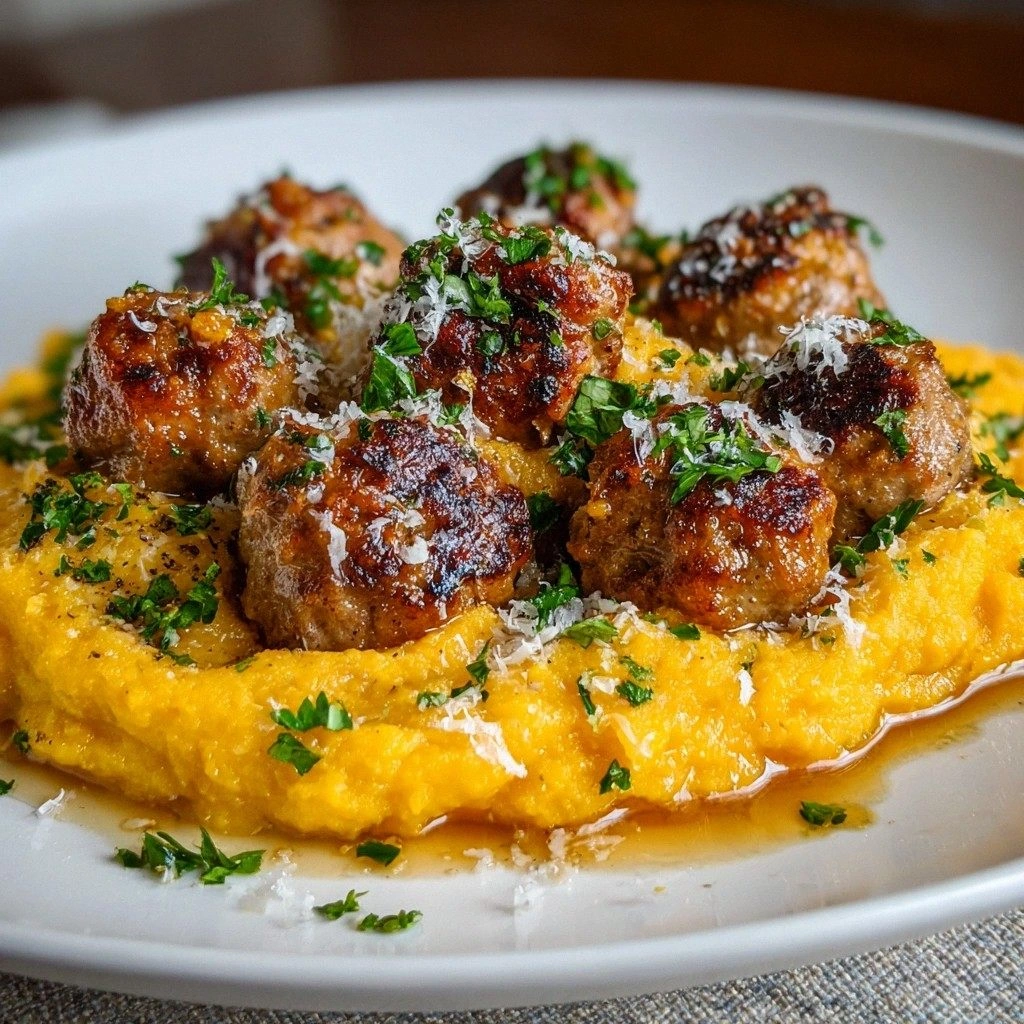

Picture this: a Friday night, the kitchen lights dim, the fridge is a black hole, and you’re staring at a lonely pork tenderloin that looks more like a stubborn block than a culinary opportunity. I’ve been there—scratching my head, muttering “what do I even do with this?” and then, out of sheer desperation, I pulled out a jar of honey, a bottle of soy sauce, and a handful of garlic. That night, I dared myself to turn that bland piece of meat into a silky, caramel‑glazed masterpiece that made my taste buds do a happy dance. The moment the sweet aroma hit my nose, I knew I’d stumbled upon something extraordinary.
I was cooking, the sizzling sound of garlic in olive oil was like a metronome, and the honey was bubbling like a slow‑moving river. The air filled with a scent that was simultaneously sweet, umami, and tangy—like a sunrise on a summer morning. Every time I lifted a fork, the pork was practically sliding off the knife, coated in a glossy, amber glaze that felt like velvet draped over a smooth stone. I could almost hear the crunch of a crisp edge if I’d fried it, but instead, the texture was tender, juicy, and utterly forgiving.
The reason this version stands out isn’t just in the ingredients; it’s in the method that turns a simple pork tenderloin into a showstopper. The slow‑cooking process allows the collagen to break down, turning the meat into melt‑in‑your‑mouth perfection, while the honey and soy sauce create a glaze that clings to every bite. I dare you to taste this and not go back for seconds—because once you’ve experienced that balance of sweet, savory, and a hint of acidity, you’ll be craving it again and again. And the best part? It’s so easy you could whip it up on a weekday and still feel like you’ve served a restaurant‑quality dish.
If you’ve ever struggled with pork tenderloin—thinking it’s always dry or overcooked—this recipe is your rescue squad. It’s hands down the best version you’ll ever make at home, and it will change how you look at slow‑cooked pork forever. The secret? A simple glaze that caramelizes without burning, a low‑fat cooking method that locks in moisture, and a few clever hacks that make the process feel like a breeze. Let me walk you through every single step—by the end, you’ll wonder how you ever made it any other way.
What Makes This Version Stand Out
- Flavor: The honey provides a natural sweetness that balances the salty soy sauce, while the garlic adds depth and a subtle heat that wakes up the palate. The apple cider vinegar gives a bright, tangy finish that cuts through the richness.
- Texture: Slow‑cooking breaks down the meat fibers, leaving the pork tender and juicy, while the cornstarch‑water slurry thickens the glaze into a glossy coating that clings to every slice.
- Simplicity: No fancy equipment—just a crockpot and a few pantry staples. The recipe is a one‑pot wonder that frees up your stovetop for other dishes.
- Uniqueness: The blend of honey and soy sauce is classic, but the addition of apple cider vinegar and a cornstarch slurry gives it a modern twist that’s both sweet and savory.
- Crowd Reaction: Friends who have tried it say the dish is “the kind of comfort food that feels like a hug” and “you can’t stop licking the pot.”
- Ingredient Quality: Using low‑sodium soy sauce keeps the dish from becoming overly salty, and fresh garlic ensures a bright, aromatic base.
- Cooking Method: The crockpot keeps the pork moist and infuses the flavors evenly, while the final glaze step gives it a restaurant‑style sheen.
- Make‑Ahead Potential: Cook it the night before, refrigerate, and reheat with a splash of water—your pork will taste just as fresh.
Inside the Ingredient List
The Flavor Base
Honey is the star of the show—its natural sugars caramelize during cooking to create a deep, amber glaze that coats the pork like a velvet curtain. If you’re looking for a sweeter version, swap it for maple syrup; the result will be a subtle maple undertone that pairs beautifully with the soy sauce. Remember, honey is a natural sweetener, so it also adds a hint of floral aroma that elevates the dish.
Low‑sodium soy sauce brings a savory umami punch without drowning the other flavors. If you prefer a richer depth, try tamari or a dark soy sauce, but keep an eye on the saltiness—adjust the quantity accordingly. The soy sauce also provides a dark color that gives the pork a gorgeous, caramelized appearance.
The Aroma Crew
Garlic is essential for that aromatic kick. The cloves should be minced finely so they release their full flavor into the oil. If you’re sensitive to raw garlic, you can sauté it just until it turns golden, which will mellow its bite and give the dish a sweeter, more mellow profile.
Apple cider vinegar adds a bright acidity that cuts through the richness of the honey and pork. If you’re not a fan of vinegar, you can replace it with a splash of rice vinegar or even a squeeze of lemon juice for a slightly different twist. The acidity also helps tenderize the pork, ensuring it stays juicy.
The Texture Enhancers
Olive oil is the medium that brings all the flavors together. It creates a silky coating on the pork and helps the glaze adhere. If you’re looking for a lighter version, substitute with avocado oil or a neutral oil like grapeseed.
Chicken broth is added to keep the pork moist and to give the sauce a subtle savory depth. For a vegetarian version, you can use vegetable broth; the flavor will still be rich and comforting.
The Final Flourish
Cornstarch and water form a slurry that thickens the glaze into a glossy, clingy coating. This step is critical—without it, the sauce would be runny and the pork would be coated with a thin film. If you prefer a thicker glaze, simply add an extra tablespoon of cornstarch.
Water is used to create the slurry, ensuring the cornstarch dissolves evenly. A small amount of water is enough; too much and the sauce will become too thin. Keep the water cold to prevent clumping.
Everything's prepped? Good. Let's get into the real action.
The Method — Step by Step
- First, pat the pork tenderloin dry with paper towels. This step is crucial because any excess moisture will prevent the glaze from adhering properly. While the pork dries, crush the garlic cloves into a fine paste using the flat side of a knife. This technique releases the garlic’s oils, giving the dish an aromatic base. Once the pork is dry, season it lightly with salt and pepper to taste.
- Heat the olive oil in a skillet over medium‑high heat. When the oil shimmers, add the pork tenderloin and sear each side for about 2–3 minutes. This searing step creates a caramelized crust that locks in juices and adds a deep flavor layer. Don’t rush this step; a good sear is the foundation of a delicious glaze.
- Transfer the seared pork to the crockpot. In the same skillet, pour in the minced garlic and sauté for 30 seconds until fragrant. Add the honey, soy sauce, and apple cider vinegar, stirring until the mixture thickens slightly. This sauce will coat the pork, and the slow cooker will allow the flavors to meld beautifully.
- Pour the sauce over the pork in the crockpot, ensuring the meat is fully submerged. Add the chicken broth, which will keep the pork moist during the long cooking process. Cover and set the crockpot to low for 3 hours, or high for 1.5 hours. The low setting is ideal for a tender, melt‑in‑your‑mouth experience.
- When the pork is nearly done, remove it from the crockpot and set it aside on a cutting board. Carefully strain the cooking liquid into a small saucepan, discarding the solids. Bring the liquid to a gentle simmer, whisking in the cornstarch slurry to thicken. This step turns the sauce into a glossy, clingy glaze that will coat the pork beautifully.
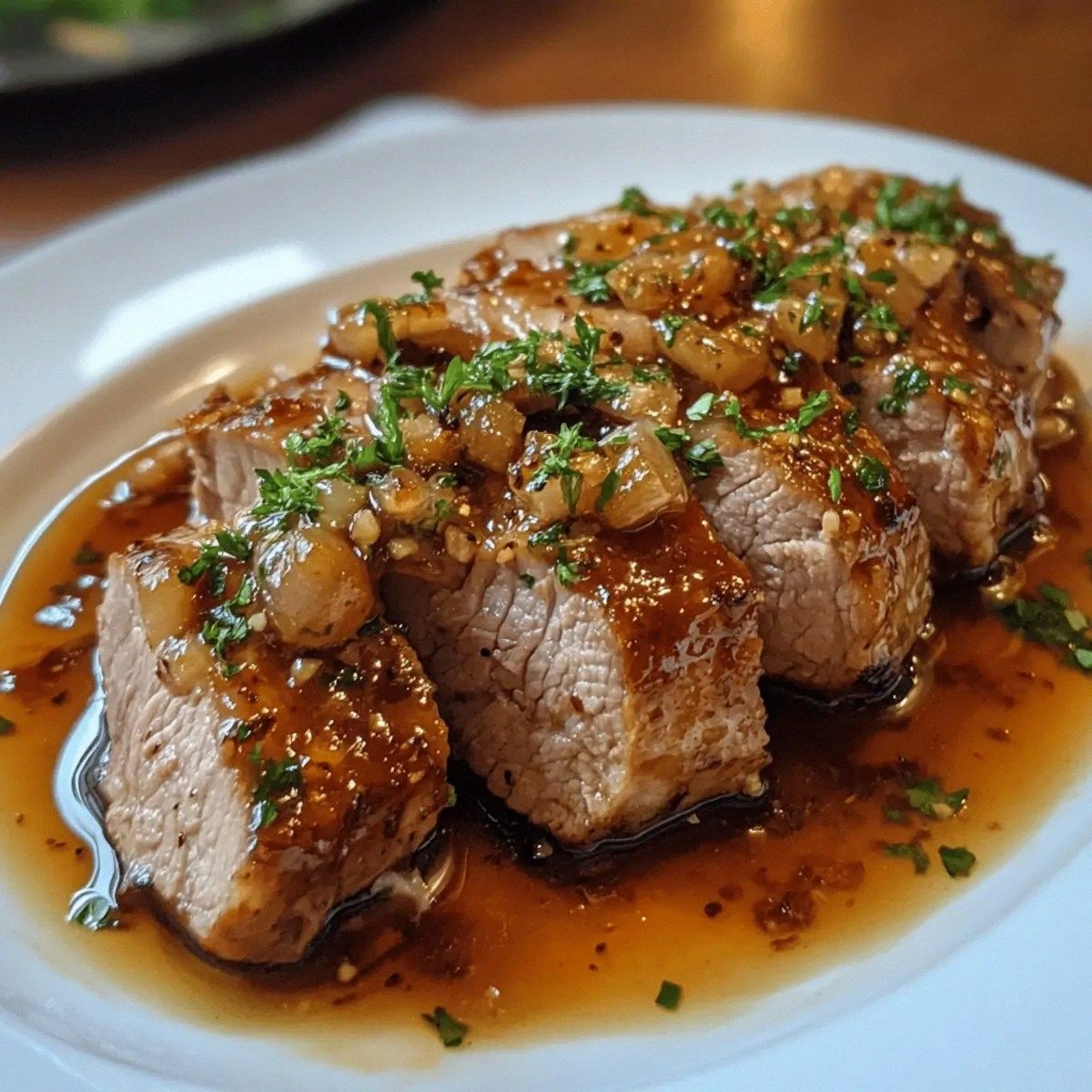
- Return the pork to the skillet with the thickened glaze, turning it to coat evenly. Let it simmer for another 5–10 minutes, allowing the glaze to caramelize and the pork to finish cooking. The final glaze will give the pork a shiny finish that looks like a dessert, but tastes like savory heaven.
- Once the pork reaches the target temperature, let it rest for 5 minutes before slicing. Resting allows the juices to redistribute, ensuring each bite stays moist. Slice the pork into thin medallions, arranging them on a platter and spooning the remaining glaze over the top.
- Serve immediately over steamed rice, mashed potatoes, or roasted vegetables. The sweet, savory glaze pairs wonderfully with the neutral flavors of rice or the earthy tones of roasted root veggies. Garnish with a sprinkle of sesame seeds or chopped scallions for a pop of color and freshness.
- If you’re feeling adventurous, finish the dish with a drizzle of toasted sesame oil and a squeeze of fresh lime juice. This adds a bright, citrusy note that balances the richness of the glaze. The dish is so versatile that you can serve it at a family dinner, a casual get‑together, or even a holiday feast.
That's it—you did it. But hold on, I've got a few more tricks that'll take this to another level. The final glaze can be tweaked to match your mood—more sweetness for a dessert‑like feel, or extra vinegar for a tangier bite. And remember, the key to success is in the timing and the balance of flavors; every ingredient plays a role in creating that unforgettable taste.
Insider Tricks for Flawless Results
The Temperature Rule Nobody Follows
Many people overcook pork in the slow cooker, thinking more time equals more tenderness. In reality, once the pork reaches 145°F, it’s done. Using a meat thermometer ensures you avoid dryness, and the rest period allows the juices to settle, making every slice juicy.
Why Your Nose Knows Best
The aroma is the first indicator of how the glaze is developing. When the sauce starts to thicken, it will emit a sweet, caramelized scent that signals it’s ready to coat the pork. Trust your nose—if it smells like a summer campfire, you’re in the right zone.
The 5-Minute Rest That Changes Everything
After the pork hits the target temperature, let it rest on a warm plate for at least five minutes. This step allows the muscle fibers to relax and the juices to redistribute, preventing the meat from drying out when sliced.
The Quick Finish Hack
If you’re short on time, finish the pork in a skillet with the glaze instead of the crockpot. This gives the dish a quick caramelization and a glossy finish that mimics the slow‑cooked version.
The Final Glaze Trick
When thickening the sauce, whisk the cornstarch slurry into the simmering liquid slowly. This prevents clumps and ensures a silky glaze that clings to the pork. If you see lumps, strain the sauce through a fine sieve before adding it back to the pork.
Creative Twists and Variations
This recipe is a playground. Here are some of my favorite ways to switch things up:
Spicy Ginger Kick
Add a tablespoon of freshly grated ginger to the sauce for a zesty, spicy undertone. The ginger pairs beautifully with the honey, adding a warm heat that complements the pork’s richness.
Citrus Burst
Replace the apple cider vinegar with a splash of orange or lemon juice and add a handful of fresh orange zest. This gives the dish a bright, citrusy flavor that lifts the sweetness and adds a fresh finish.
Smoky Char
After searing the pork, add a pinch of smoked paprika to the sauce. The smoky flavor adds depth and pairs wonderfully with the caramelized glaze, creating a savory, smoky-sweet profile.
Herb‑Infused
Stir in a teaspoon of dried thyme or rosemary into the sauce for an earthy aroma. The herbs complement the garlic and honey, adding a layer of complexity that makes the dish feel more gourmet.
Vegan Version
Swap the pork for thick slices of marinated tofu or seitan. Use a plant‑based soy sauce and vegetable broth, and the result is a hearty, vegan dish that still delivers that sweet, savory glaze.
Asian Fusion
Finish the dish with a drizzle of sesame oil and sprinkle toasted sesame seeds on top. Serve over jasmine rice and garnish with sliced scallions for an authentic Asian vibe.
Storing and Bringing It Back to Life
Fridge Storage
Cool the pork to room temperature, then wrap tightly in plastic wrap and place in an airtight container. Store in the refrigerator for up to 3 days. The glaze will firm up slightly, but it will reheat beautifully.
Freezer Friendly
For longer storage, freeze the pork in an airtight container or freezer bag for up to 3 months. When ready to eat, thaw overnight in the fridge and reheat gently in a skillet with a splash of water.
Best Reheating Method
Reheat the pork in a skillet over medium heat, adding a tablespoon of water or broth to keep it moist. Stir the glaze occasionally so it doesn’t burn. A quick 5–7 minute reheat is enough to restore the dish’s original flavor and texture.